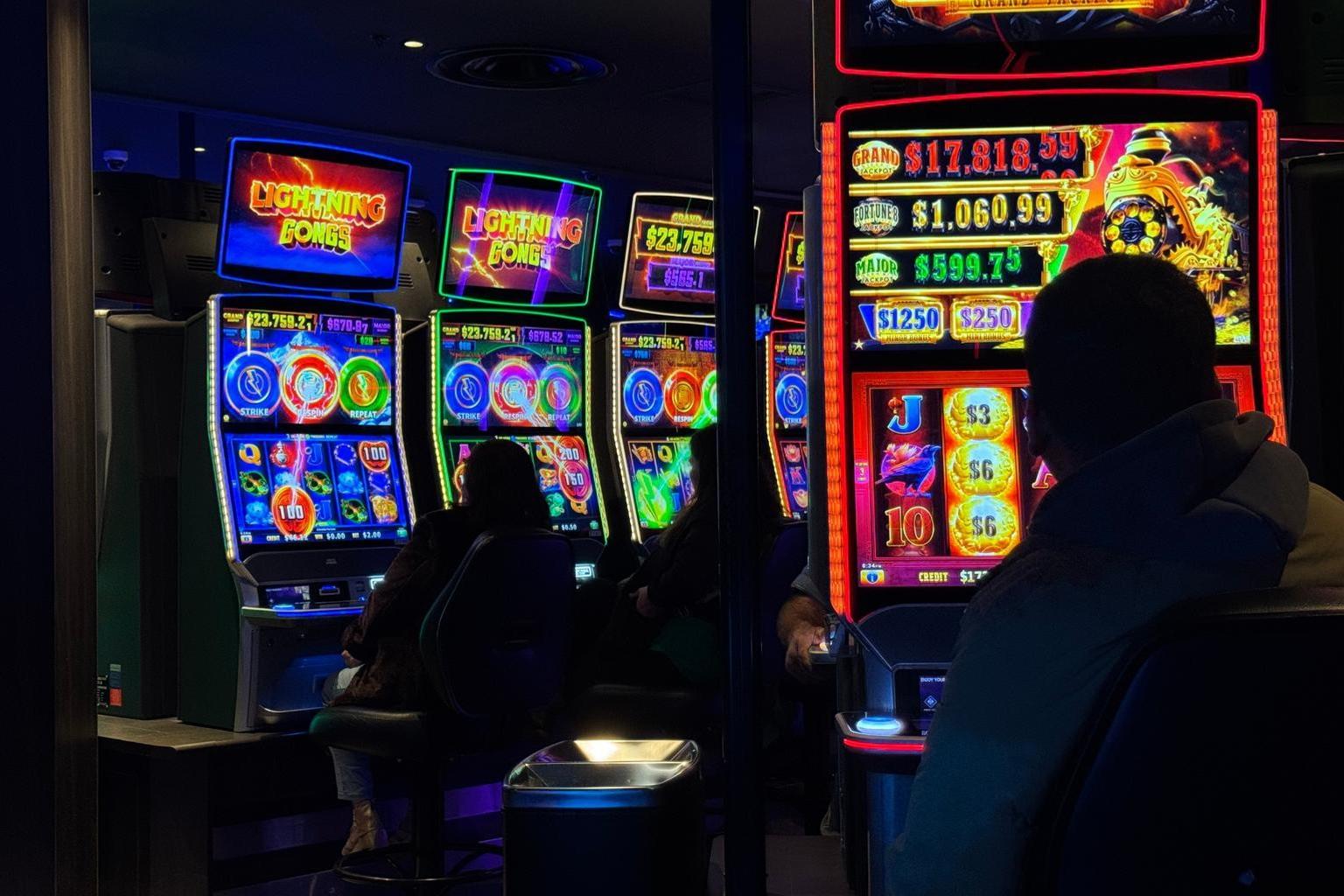
Tasmania’s gambling regulator has told a parliamentary inquiry the state government’s new poker machine package is potentially more harmful than current arrangements.
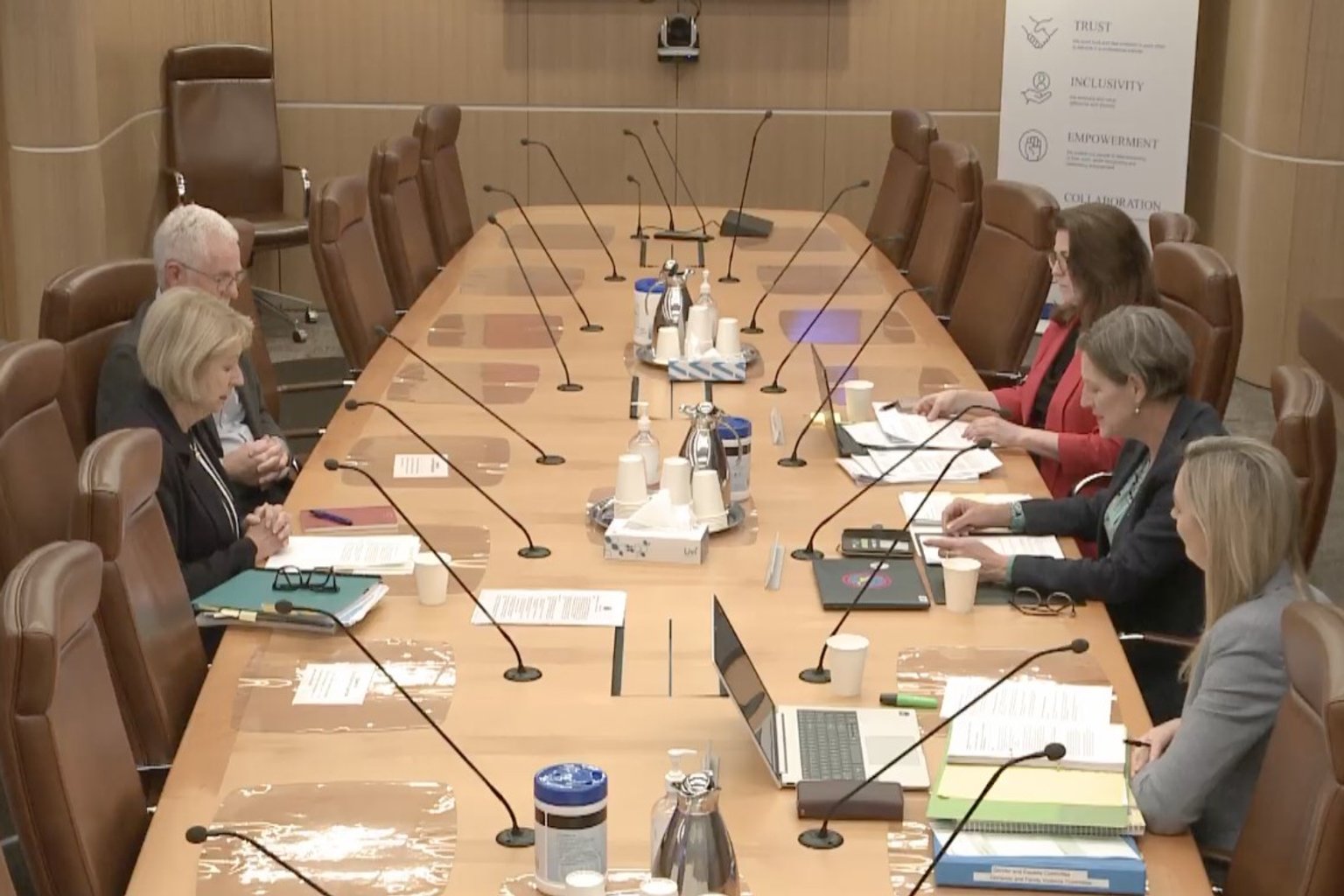
Tasmanian Liquor and Gaming Commission chair Jenny Cranston was asked by independent Nelson MLC Meg Webb at a Legislative Council hearing in Hobart on Friday whether the measures, taken together, were more harmful than the status quo.
“I think collectively the answer would have to be yes,” Cranston said.
Asked about the government’s call for a national approach to a pre-commitment card, Cranston said interstate regulators had been “cheering us on” as Tasmania developed one.
“I would have thought that it would have been something to be really proud of,” she said. “We led the country … I’m going to cry.”
She said interstate colleagues warned their hospitality industries saw Tasmania as “the thin edge of the wedge”.
The card would have set default loss limits, including $100 a day and $5,000 a year.
The government announced on November 19, 2024 that it had “deferred” the card, citing complexity, cost and timing issues raised in a report by MaxGaming, the company designing the system.
In June 2025, Premier Jeremy Rockliff said the government would not proceed without a national approach.
Treasurer Eric Abetz announced an alternative package in January, saying the government would continue to monitor interstate progress on the card.
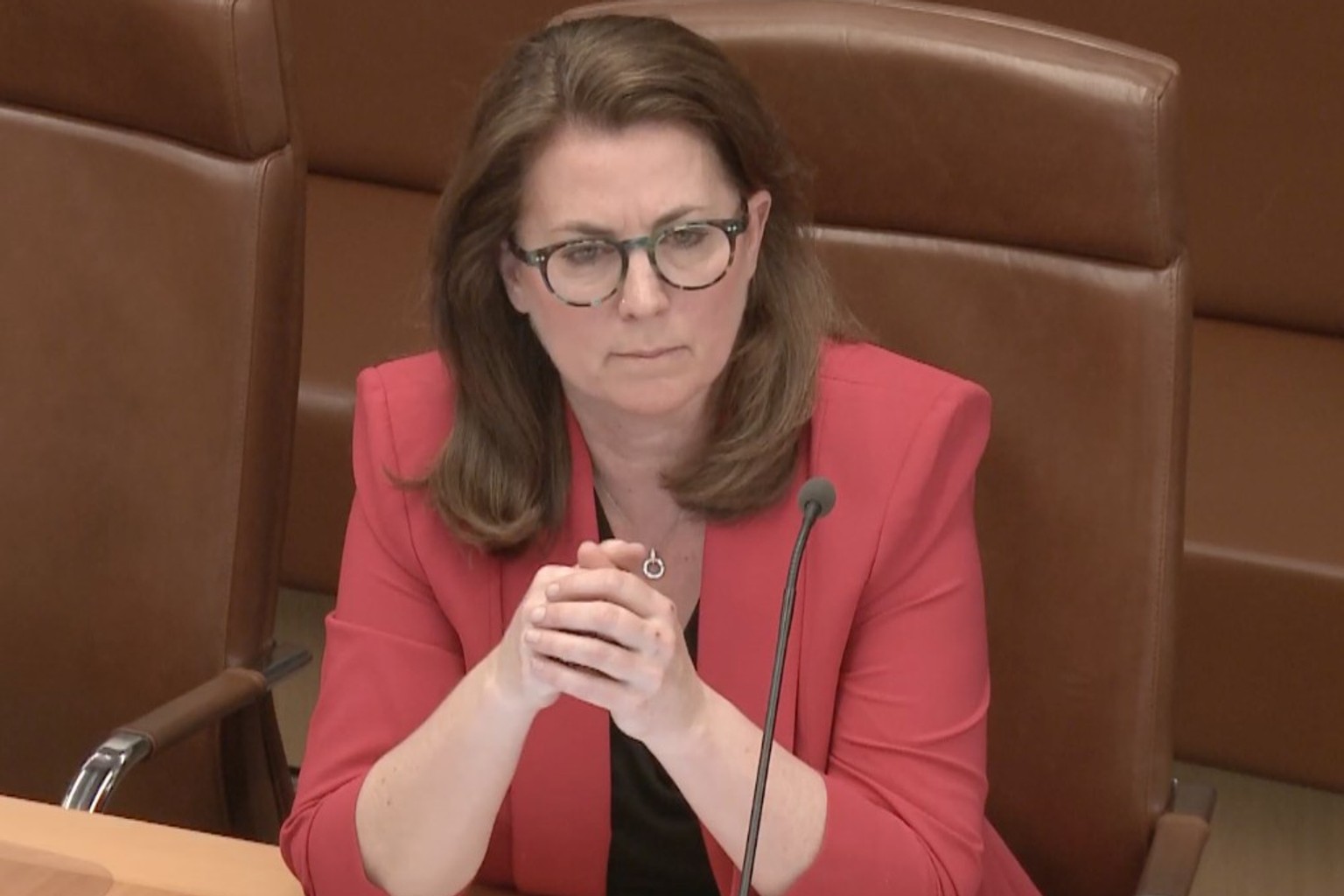
Cranston said the card was fully designed and needed only funding approval to be built.
“I think that just required one signature to make that happen,” she said.
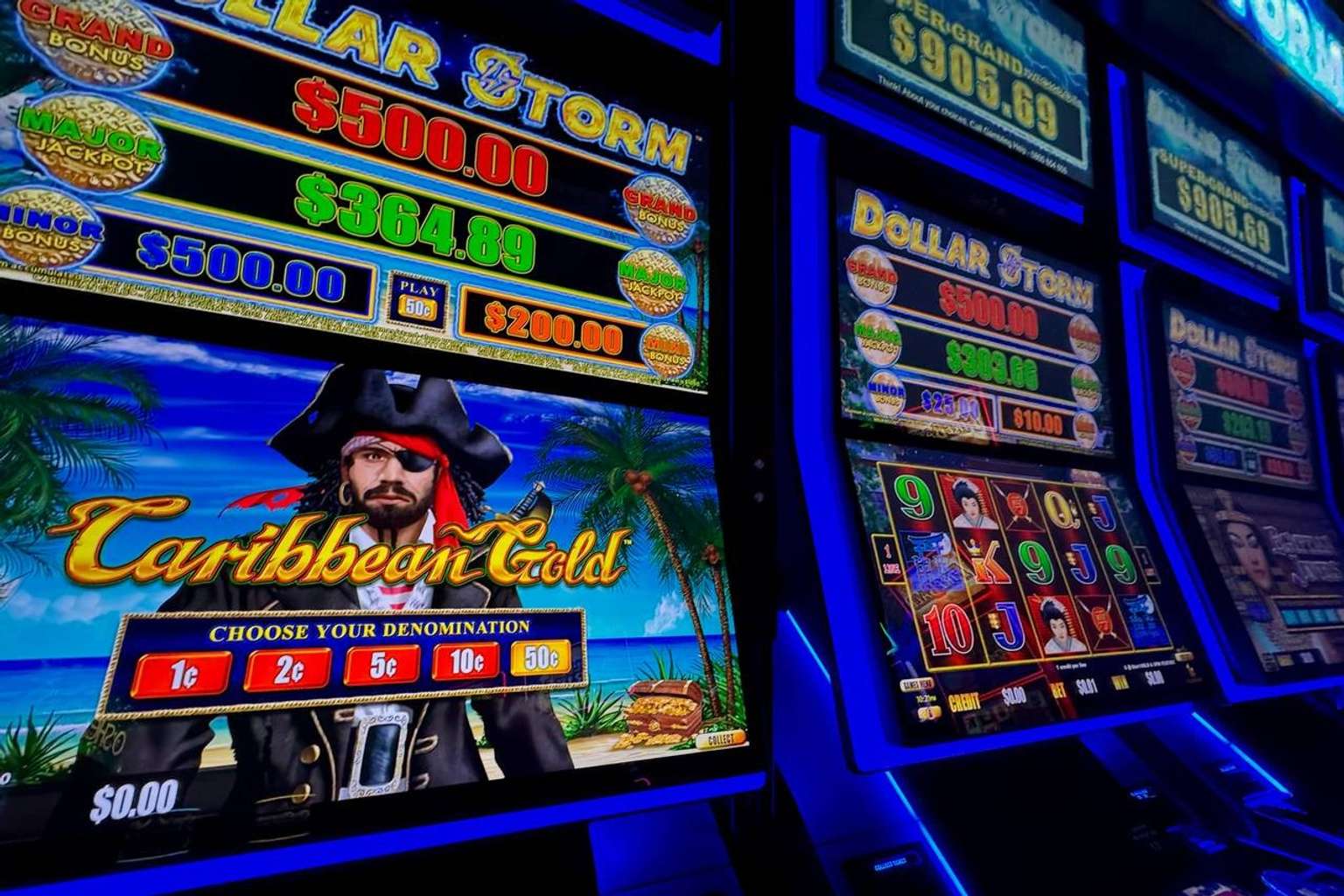
The package includes longer gaming room closures, facial recognition technology and a ticket-in, ticket-out system.
It also allows ATMs in hotels and clubs, with facial recognition and a $400 daily limit.
Cranston said the commission was not consulted on the package.
She said facial recognition made ATMs safer but still meant easy access to cash and ticket-in, ticket-out would raise the risk of money laundering.
She said the commission had assessed the longer closures as minimally effective, because only about five venues were trading after 2am.
Cranston said Abetz reversed the commission’s standard closing hours of 2am to 9am with a new direction on July 29, three days before the rule was due to take effect, after hearing industry concerns.
The committee heard the main remaining objection by then came from a single city venue wanting to open at 7am.
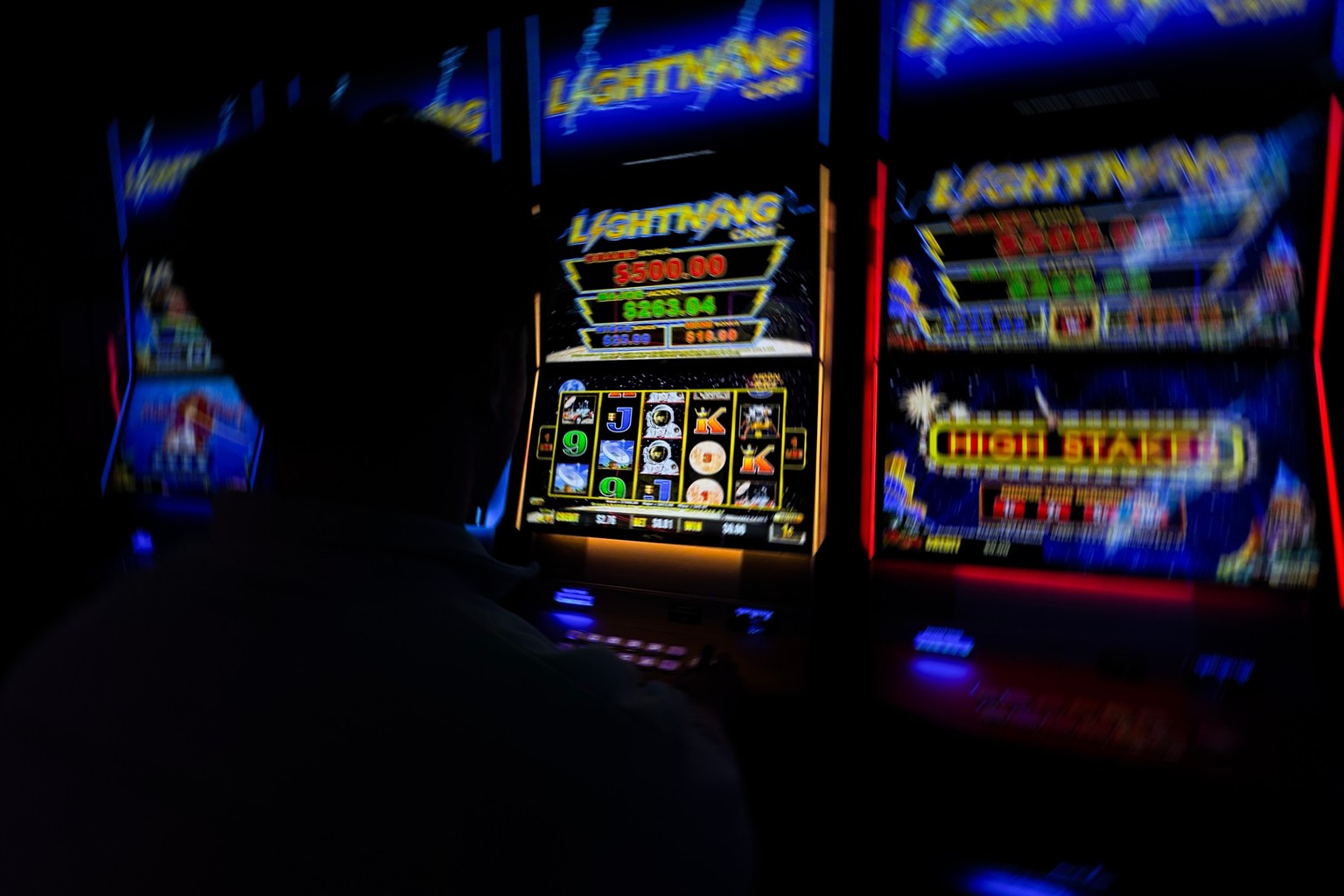
Cranston said the commission was now considering what the direction meant for its independence.
The committee heard hotels and clubs would reach their cap of 2,350 machines for the first time after a rush of applications.
Machine numbers across casinos, hotels and clubs had risen from 3,233 in January to 3,308, the committee was told.
“I do think that the rush to get to the cap was unintended,” Cranston said.
The committee heard poker machine losses reached a record of more than $208 million in 2025-26.

Speaking in Ross on Friday, Rockliff defended the package.
“We’re almost doubling the closing hours of pokie venues from four hours to seven hours,” he said.
“And so in anyone’s world, that is a very good harm minimisation policy that we are implementing.”