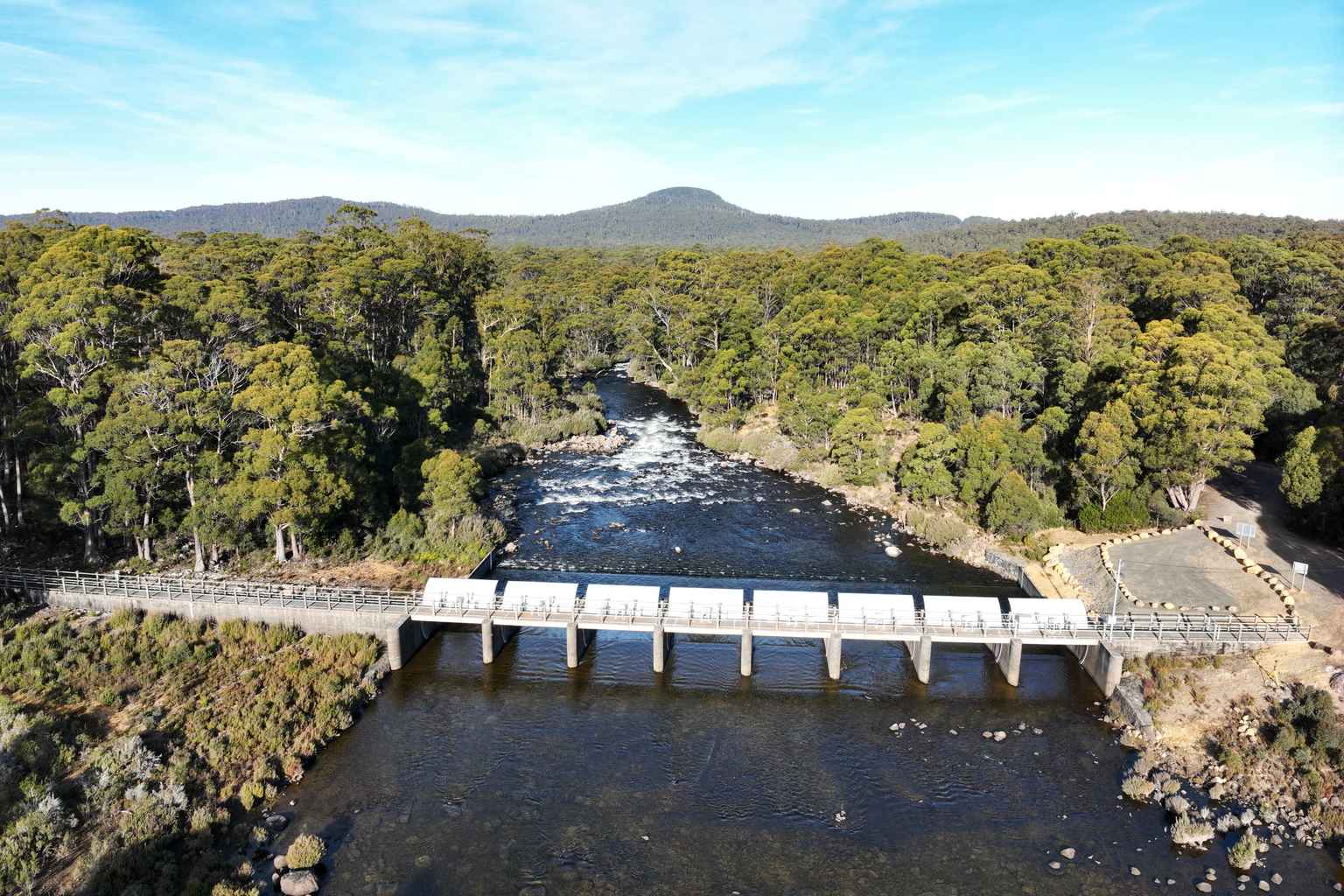
Eight gates used to control water levels at Lake St Clair have been replaced as part of a $1.9 million upgrade by Hydro Tasmania.
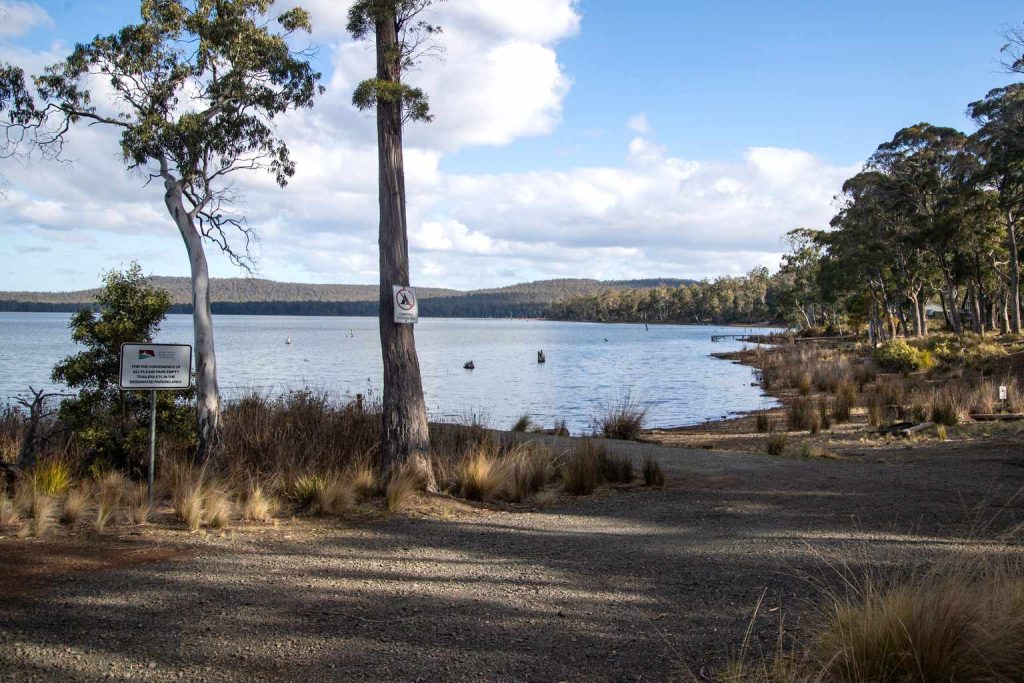
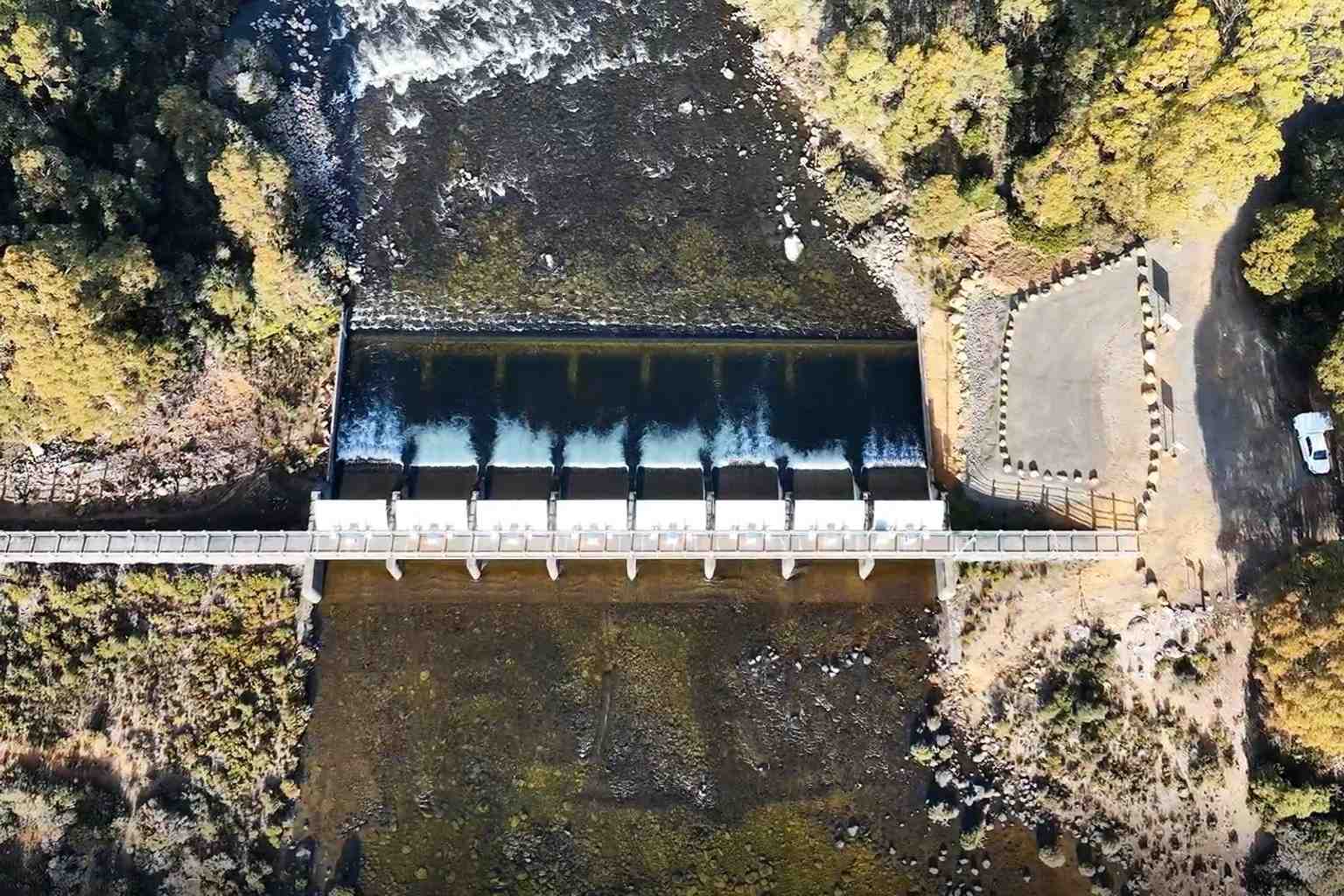
The eight radial gates at St Clair Lagoon, in the heart of the Cradle Mountain-Lake St Clair National Park, have managed water flows in the Derwent catchment since the early 1930s.
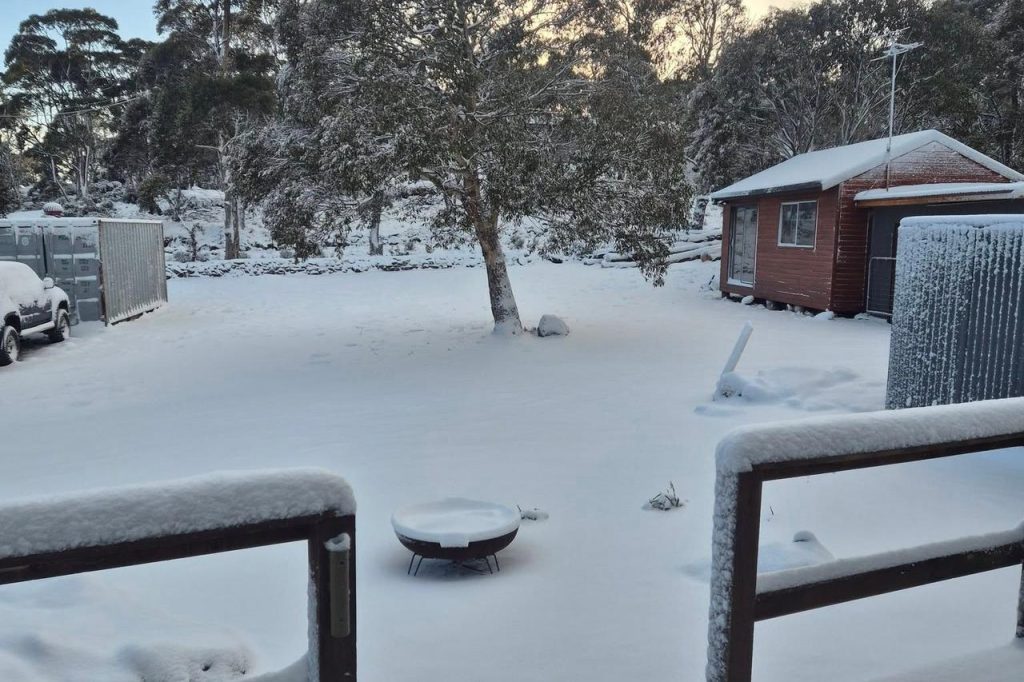
Each gate weighs almost 3.5 tonnes and measures about five by three metres, with the replacement work carried out despite snow and heavy rain at the remote site within the Tasmanian Wilderness World Heritage Area.
Located at the southern end of Lake St Clair, Australia’s deepest lake, the gates regulate water flows into Lake King William and the River Derwent as part of the Tarraleah hydropower scheme.
Hydro Tasmania project manager Bevan van Rooyen said the gates were a critical but rarely used part of the state’s hydropower system.
“The gates might only operate once every couple of years, but when we need them, they have to work exactly as intended,” he said.
“The gates are manually operated and are important for regulating lake levels and controlling the release of water downstream, they’re also a valued part of Tasmania’s hydropower heritage.”
The new gates were designed to match the originals in appearance and operation, while incorporating modern engineering improvements.
An Aboriginal heritage survey was carried out before construction began.
To avoid entering the waterway, the project team built a crane pad on Hydro-vested land and used a long-reach crane extending almost 70 metres to lift the gates into position.
“Lifting the gates into position required millimetre-level precision and had to be done without damaging the environment in any way,” van Rooyen said.
Tasmanian contractor Crisp Bros and Haywards delivered the project with support from local subcontractors.
“If no one notices that anything has changed at Lake St Clair, then we’ve done our job properly,” van Rooyen said.