The number of H5 bird flu detections in Tasmania remains at 19, with no new positive cases confirmed overnight.
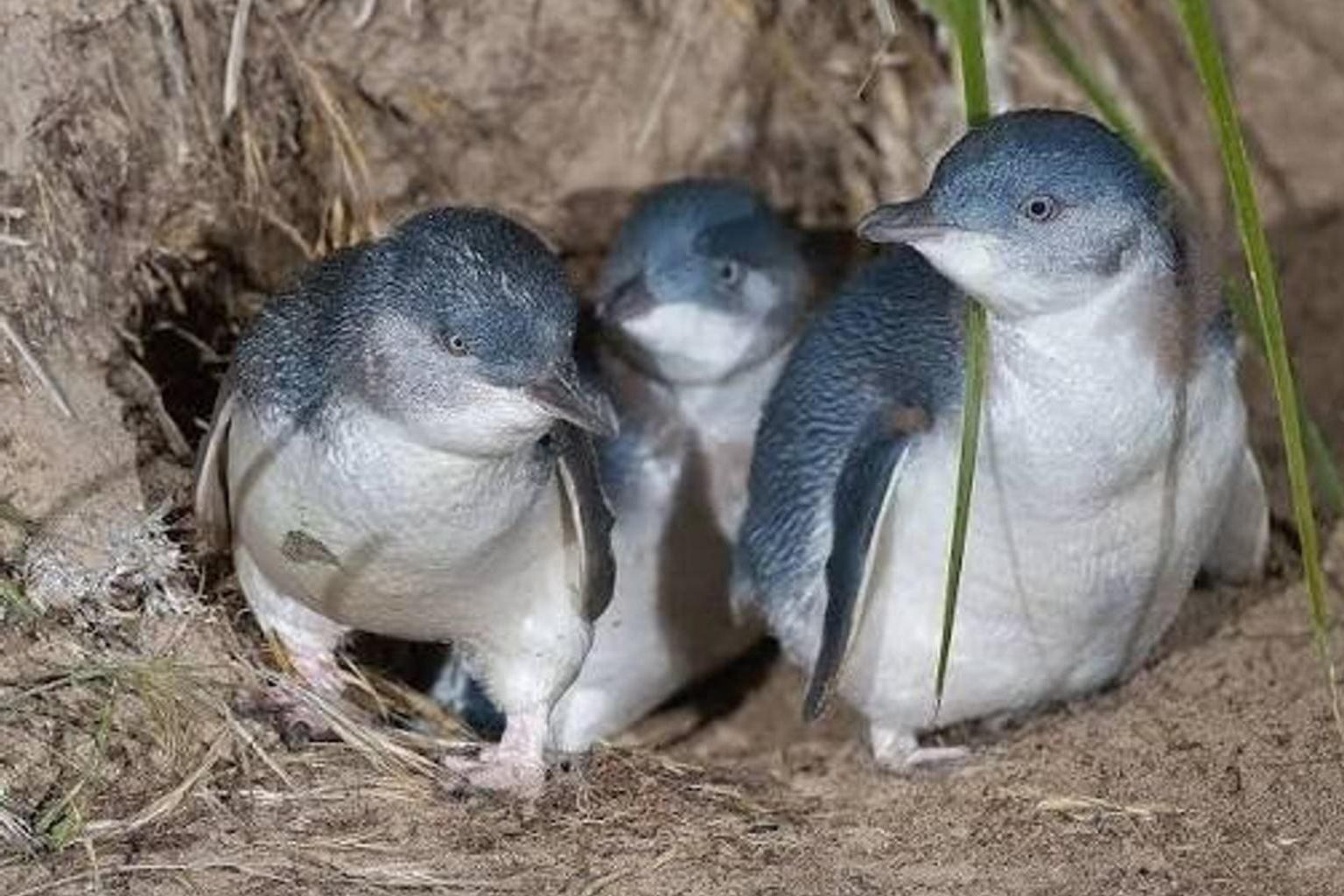
The virus has been found in silver gulls, crested terns, a white-fronted tern and a little penguin.
The first detection came on August 13, when a brown skua was confirmed at Rocky Cape.
Detections have since come from King Island, Burnie and Sulphur Creek on the north-west coast.
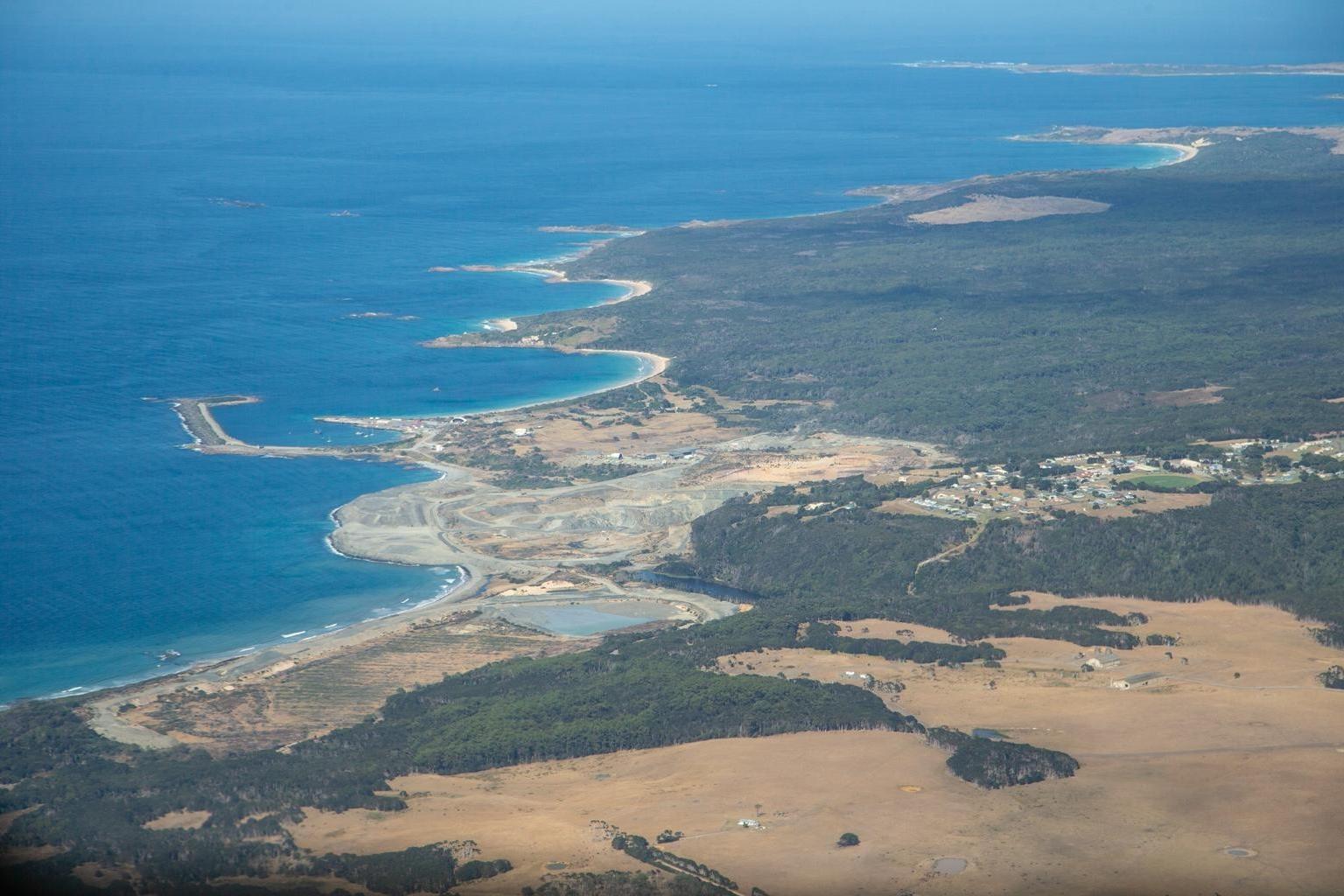
Incident Controller Wes Ford said 15 of the 19 cases had come from beaches and bays around Currie on King Island.
“The species affected so far are coastal birds or species that travel through Bass Strait and between Tasmania and sub-Antarctic regions,” Ford said today.
He said while the birds were mostly found along the coast, some could turn up inland near rivers, wetlands and other waterways or after being pushed there by weather.
Authorities have asked people to report sick or dead birds wherever they find them, coast or inland.
“Reports from members of the public help inform where we focus surveillance activities and improve our understanding of how the virus is moving through wild bird populations,” Ford said.
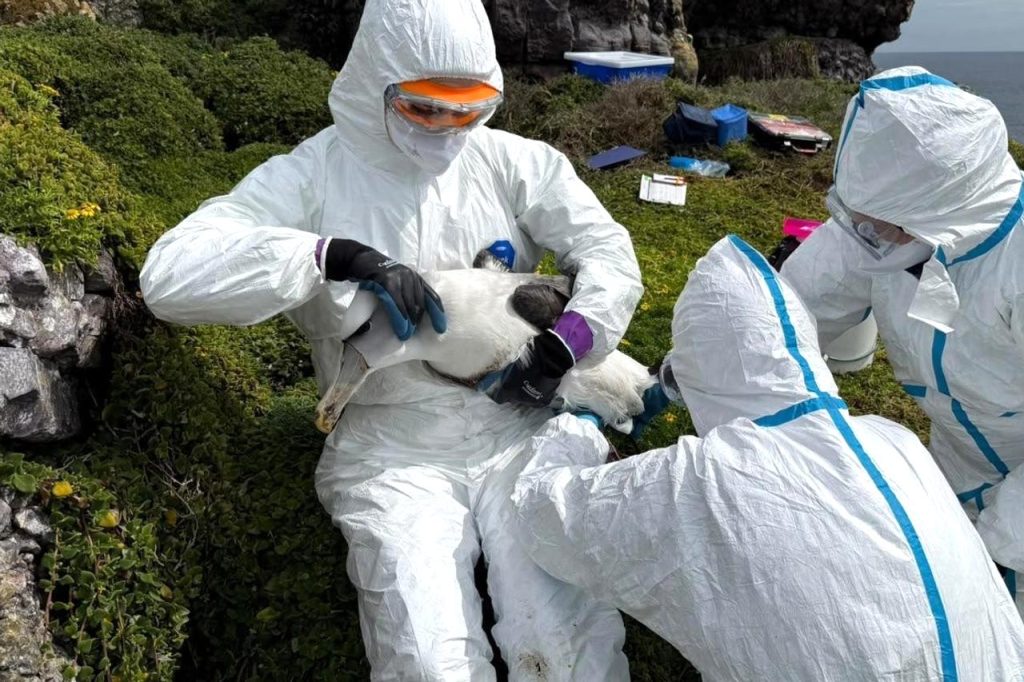
Since the last update, NRE teams have collected and tested birds across King Island and mainland Tasmania.
Ford said the virus was likely here to stay in wild bird populations and ongoing surveillance would track how it affects different species and places over time.
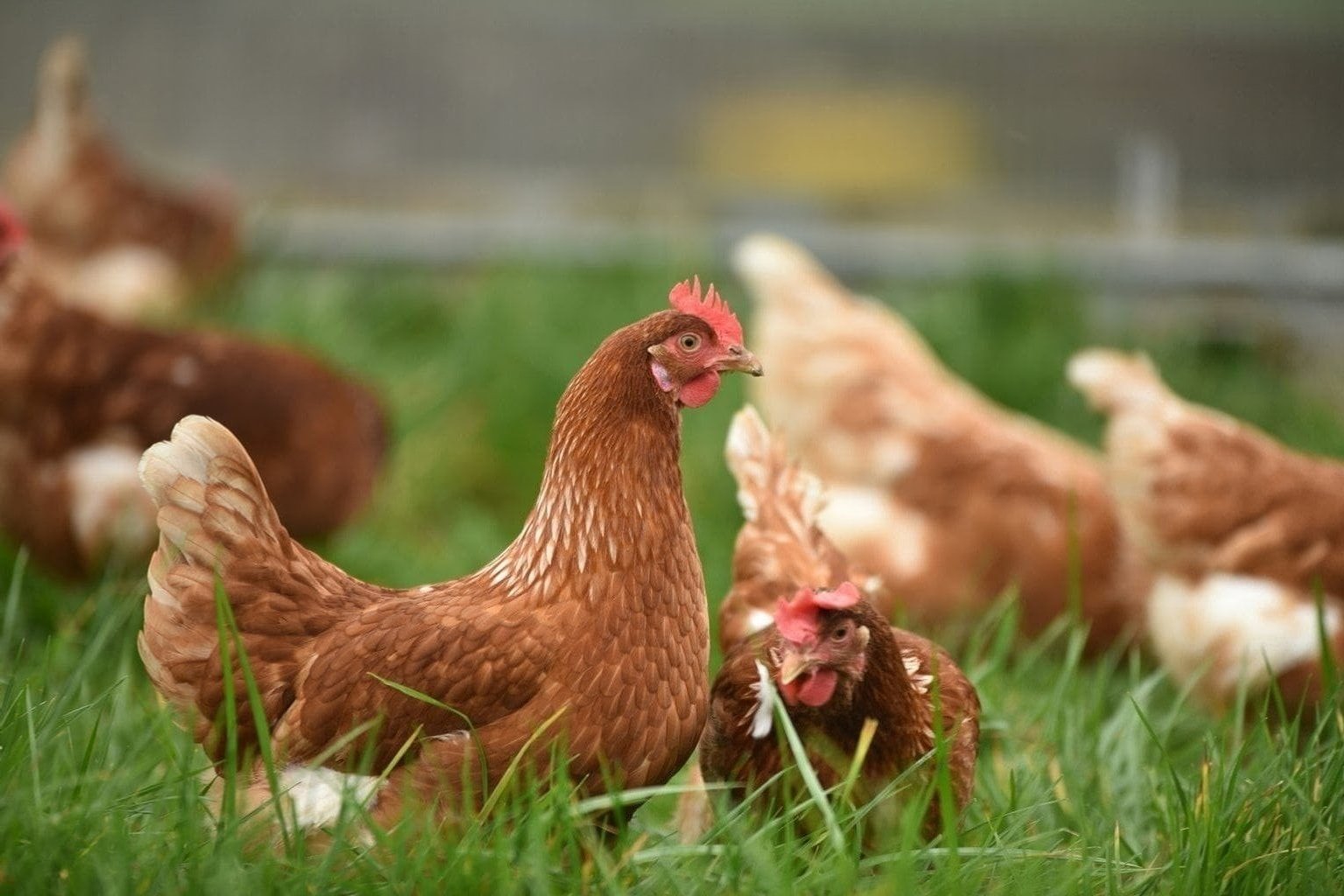
He stressed there had been no detections in Tasmanian poultry.
“Our priority remains protecting commercial and backyard poultry flocks while limiting impacts on wild bird populations through early detection, strong surveillance and rapid response,” he said.
Anyone who sees sick or dead wildlife should avoid contact the Emergency Animal Disease Hotline on 1800 675 888.