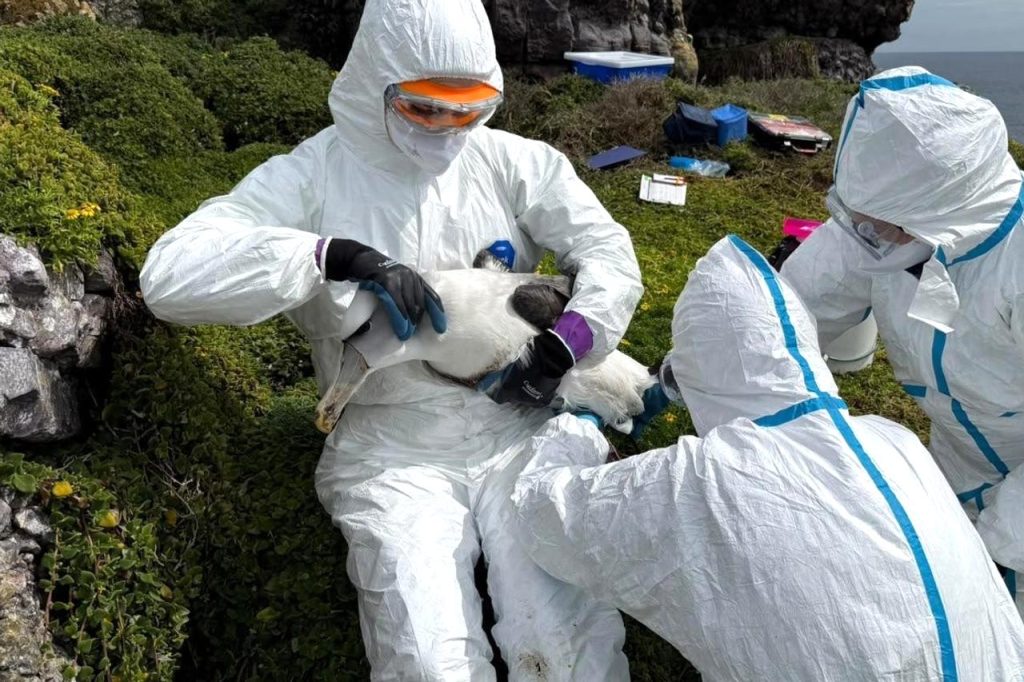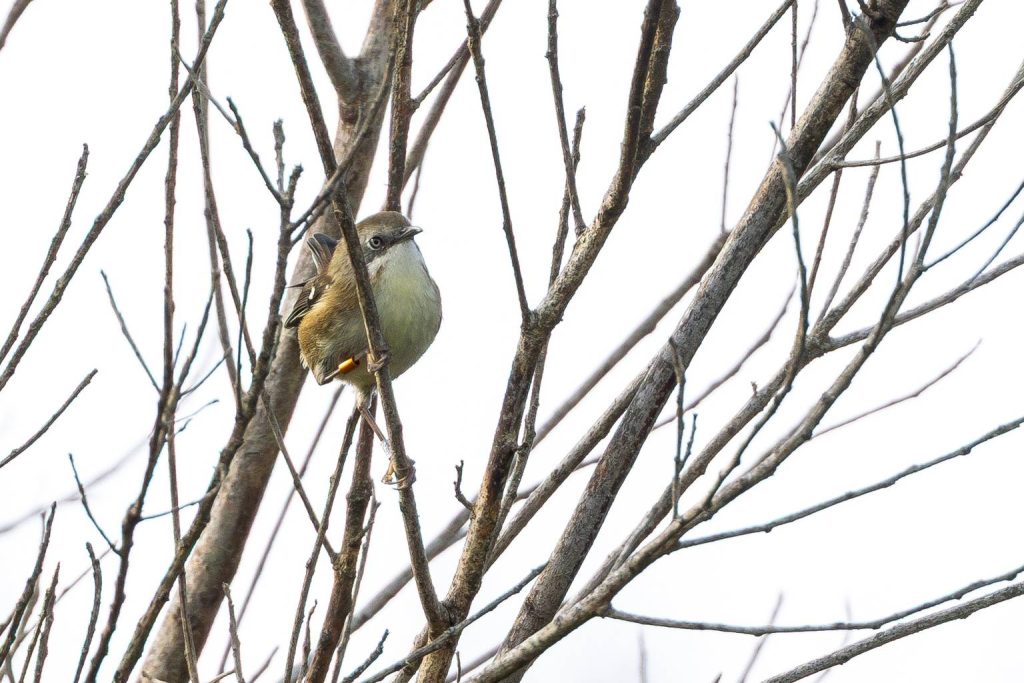
Bird flu has been detected in Tasmania’s north and north-east for the first time, as the state’s total number of cases climbed to 25.
Six new positive detections of H5 bird flu were confirmed overnight, the Department of Natural Resources and Environment Tasmania said on Wednesday.
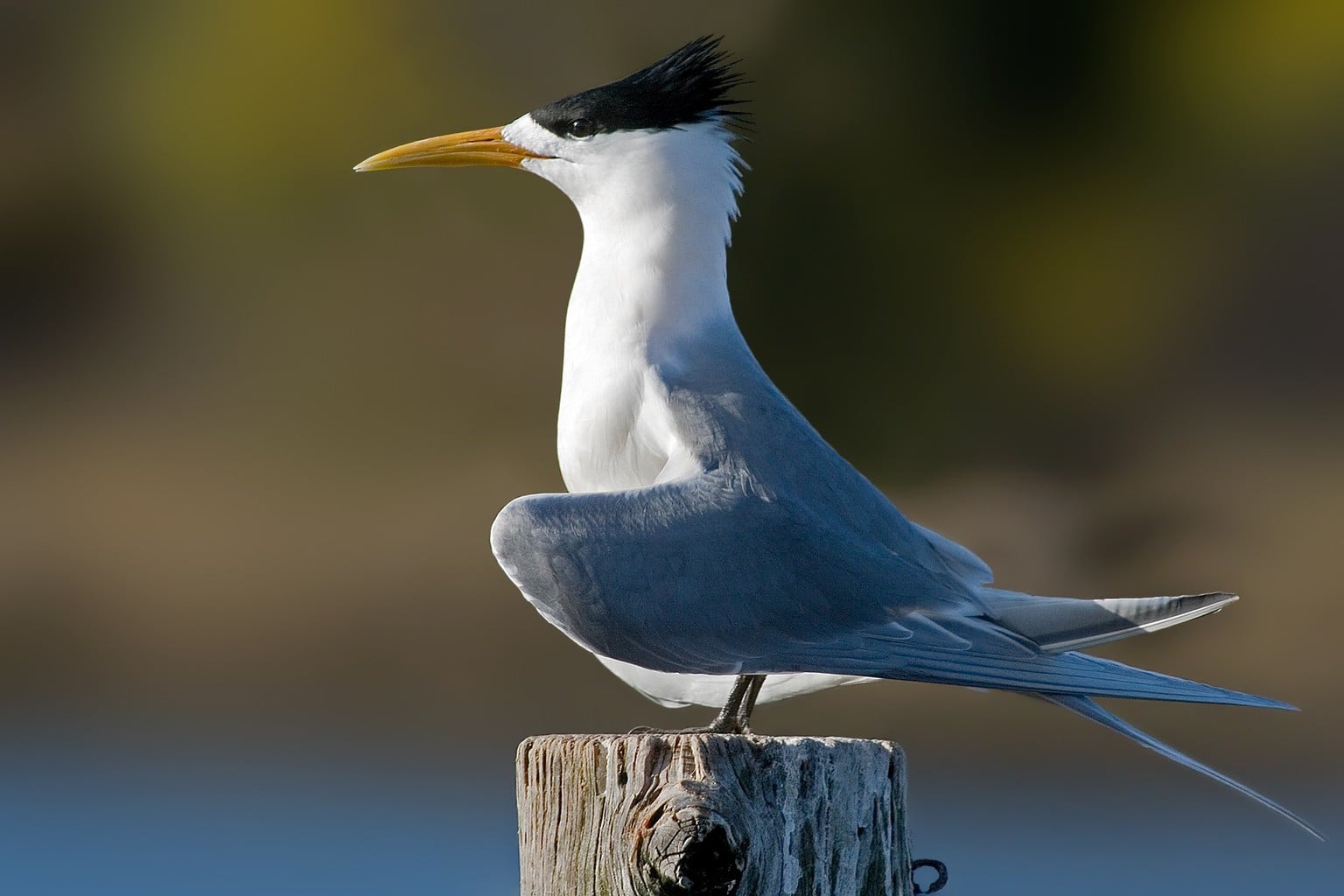
The new cases include a crested tern at Lulworth, a crested tern at Scottsdale, two crested terns in Burnie, a crested tern at Sea Elephant River on King Island and a little penguin at Grassy on King Island.
Lulworth and Scottsdale are new locations for the virus.
Incident Controller Wes Ford said the spread to the main island’s north and north east was not a surprise.

“The identification of more positive detections on the main island of Tasmania including in the north and north-east was not unexpected,” Ford said.
“It is a reminder that the disease cannot be eradicated and we will continue to find more positive detections in new areas of the state going forward.”
Ford said many of the cases had been picked up thanks to the public reporting sick and dead birds.
“I want to thank those people who reported a sick or dead bird to the Emergency Animal Disease Hotline,” he said.
“It is invaluable information about the disease pathway and its impact on Tasmanian wildlife in the state.”
So far the virus has been found only in coastal and seabird species.
Ford said detections could move further inland and into other species over time, as has happened on the mainland.
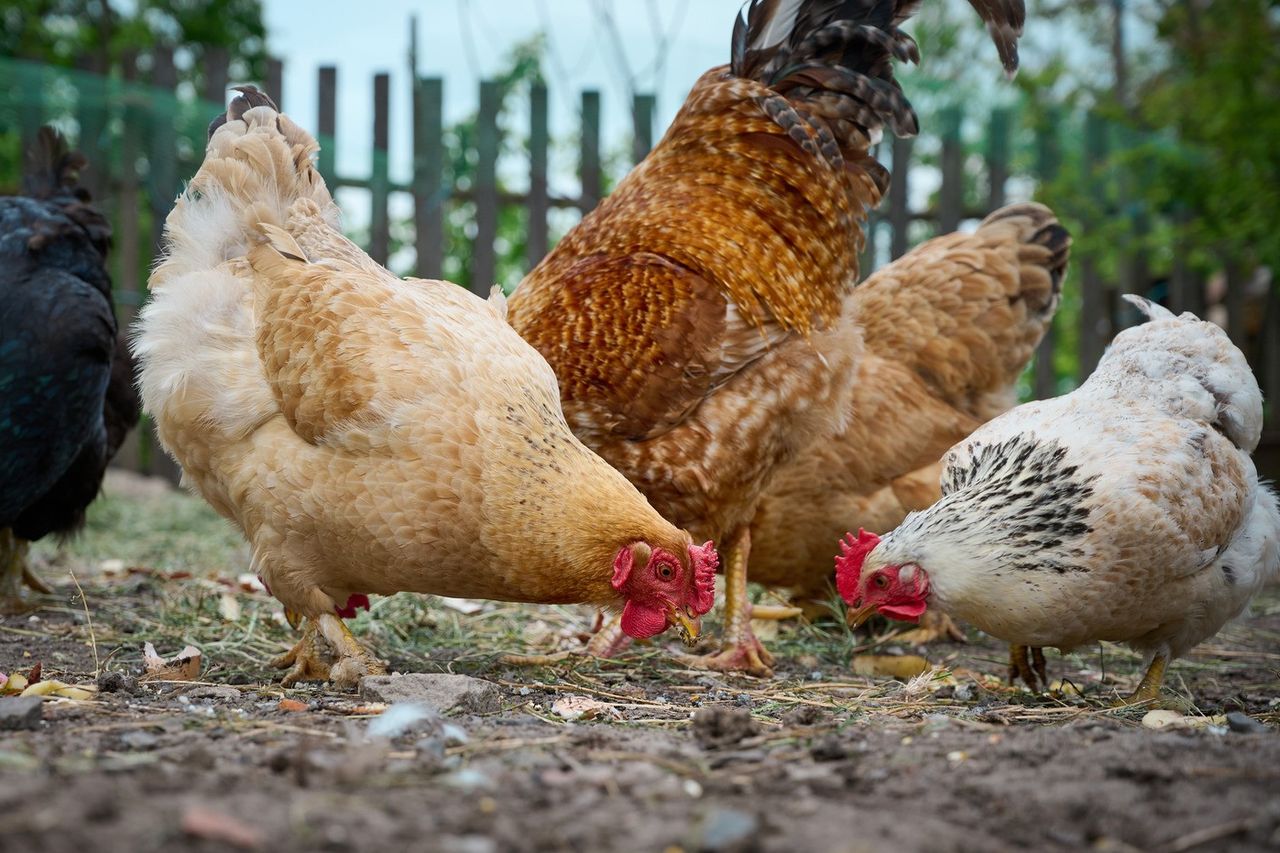
There have been no detections in Tasmanian poultry.
The state’s first case was confirmed on August 13 in a brown skua found at Rocky Cape on the north-west coast.
Anyone who sees a sick or dead bird should avoid contact, record what they see and call the Emergency Animal Disease Hotline on 1800 675 888.