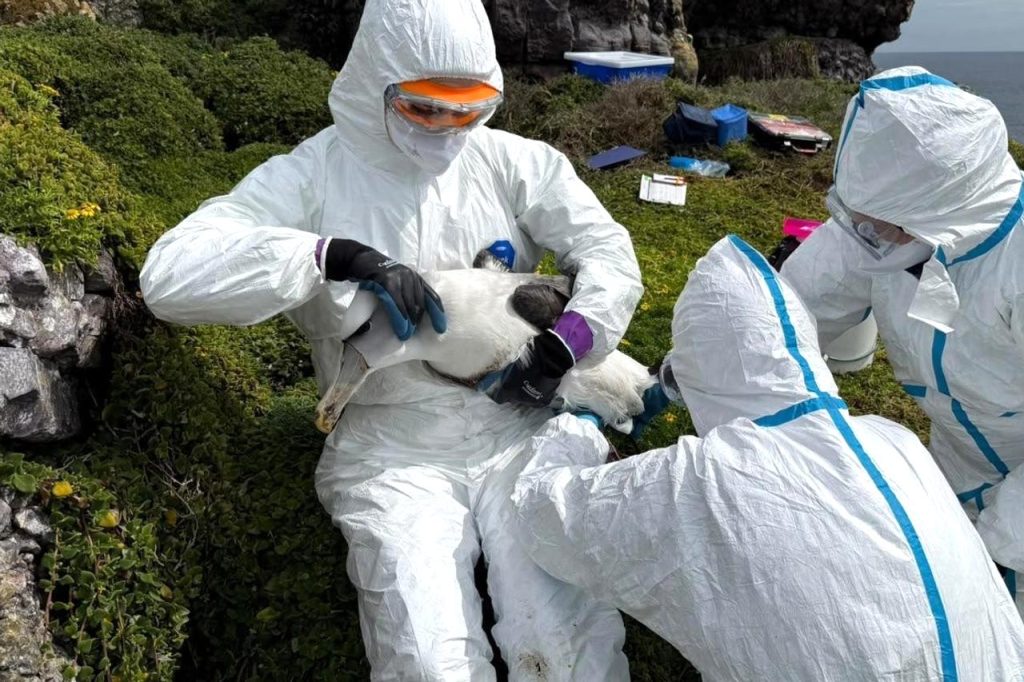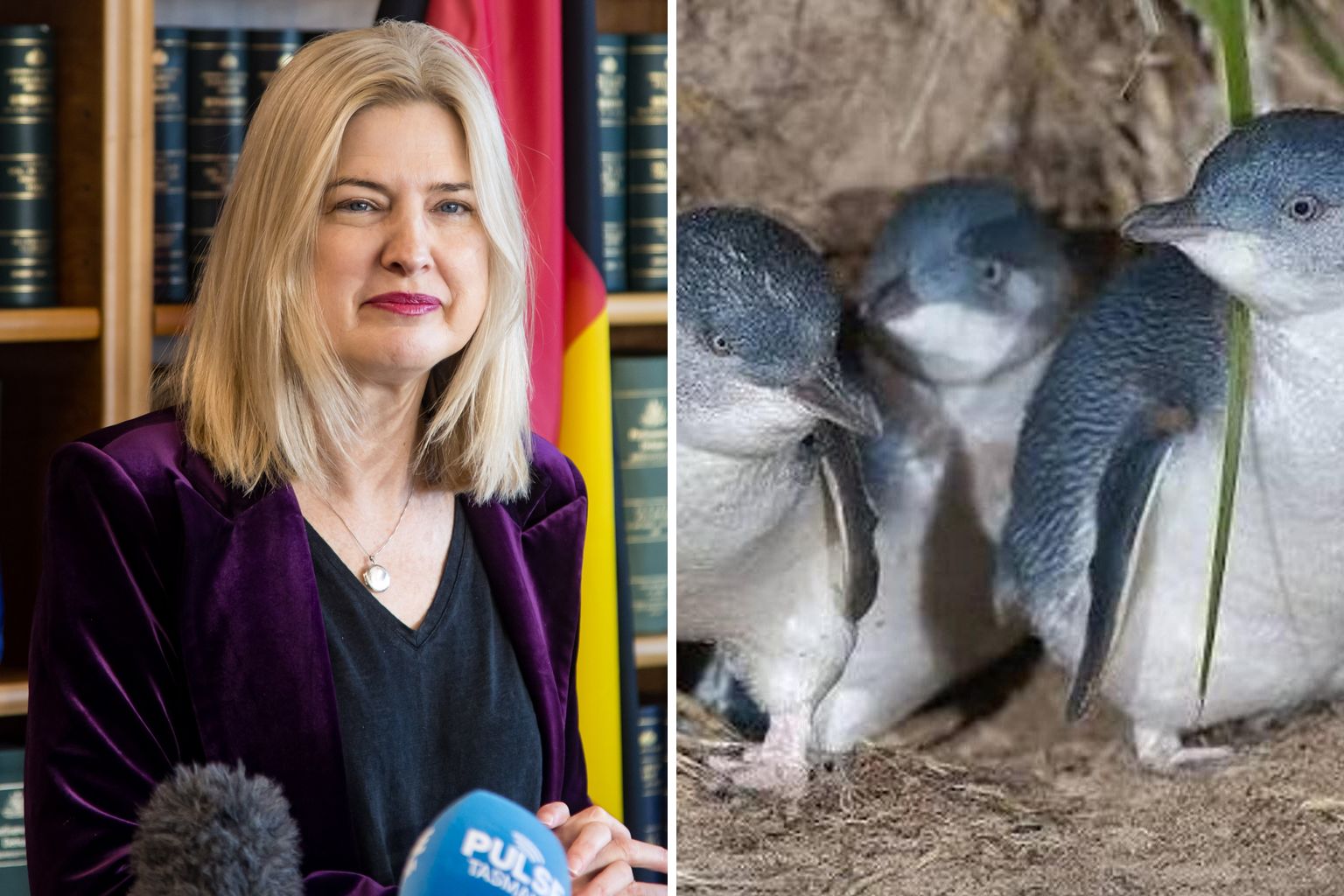
Confirmatory testing is continuing on little penguins found dead on King Island, with state laboratory results returning “some weak positives” for bird flu.
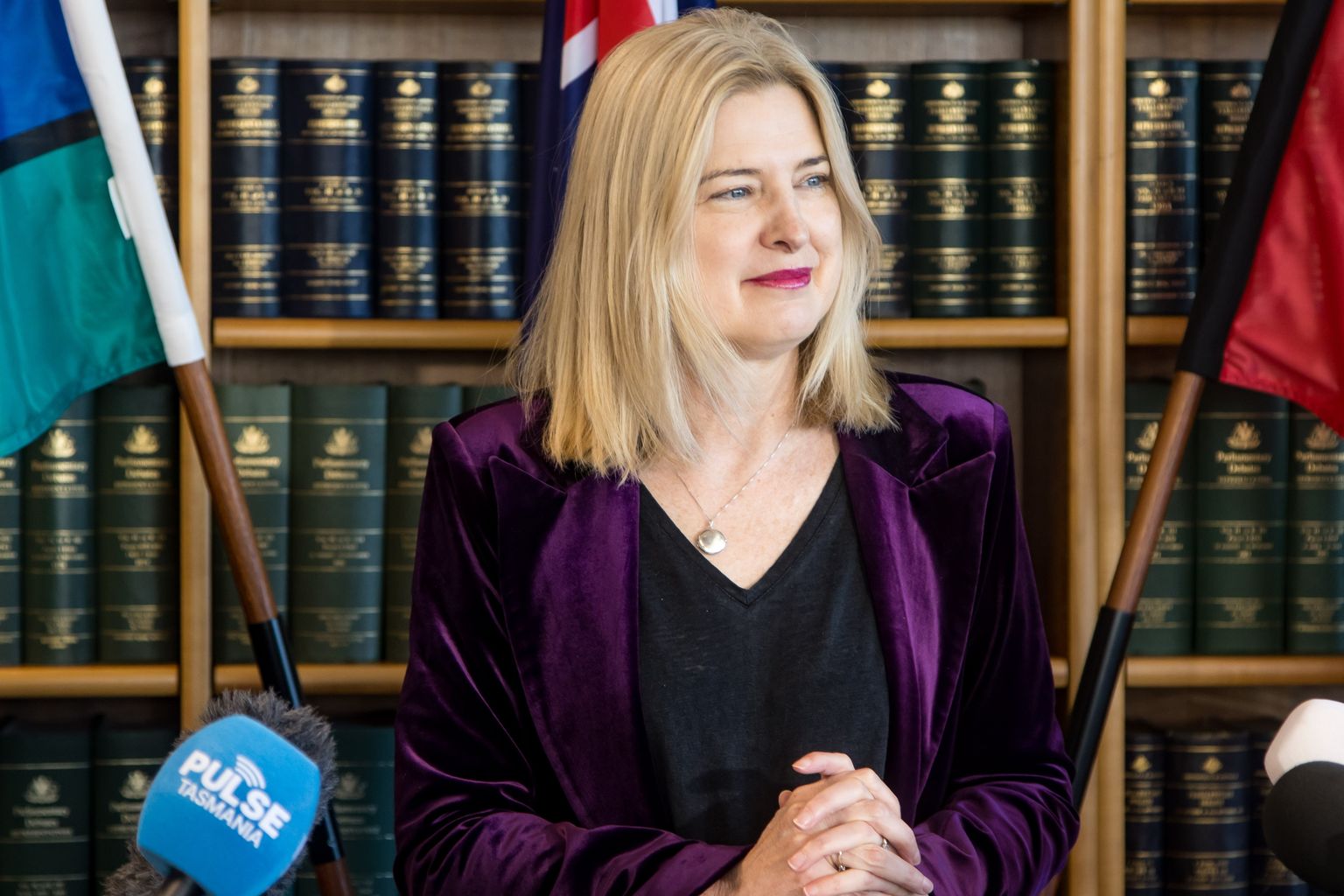
Federal Agriculture Minister Julie Collins said her government was working closely with the Tasmanian government on the situation.
“The state laboratory testing had some weak positives and we continue to work and wait for the CSIRO lab to do its important work in terms of confirmatory testing in relation to the penguins,” she said.
A total of 51 dead penguins have been found on the island, though the condition of most of the birds meant they were unsuitable for testing.
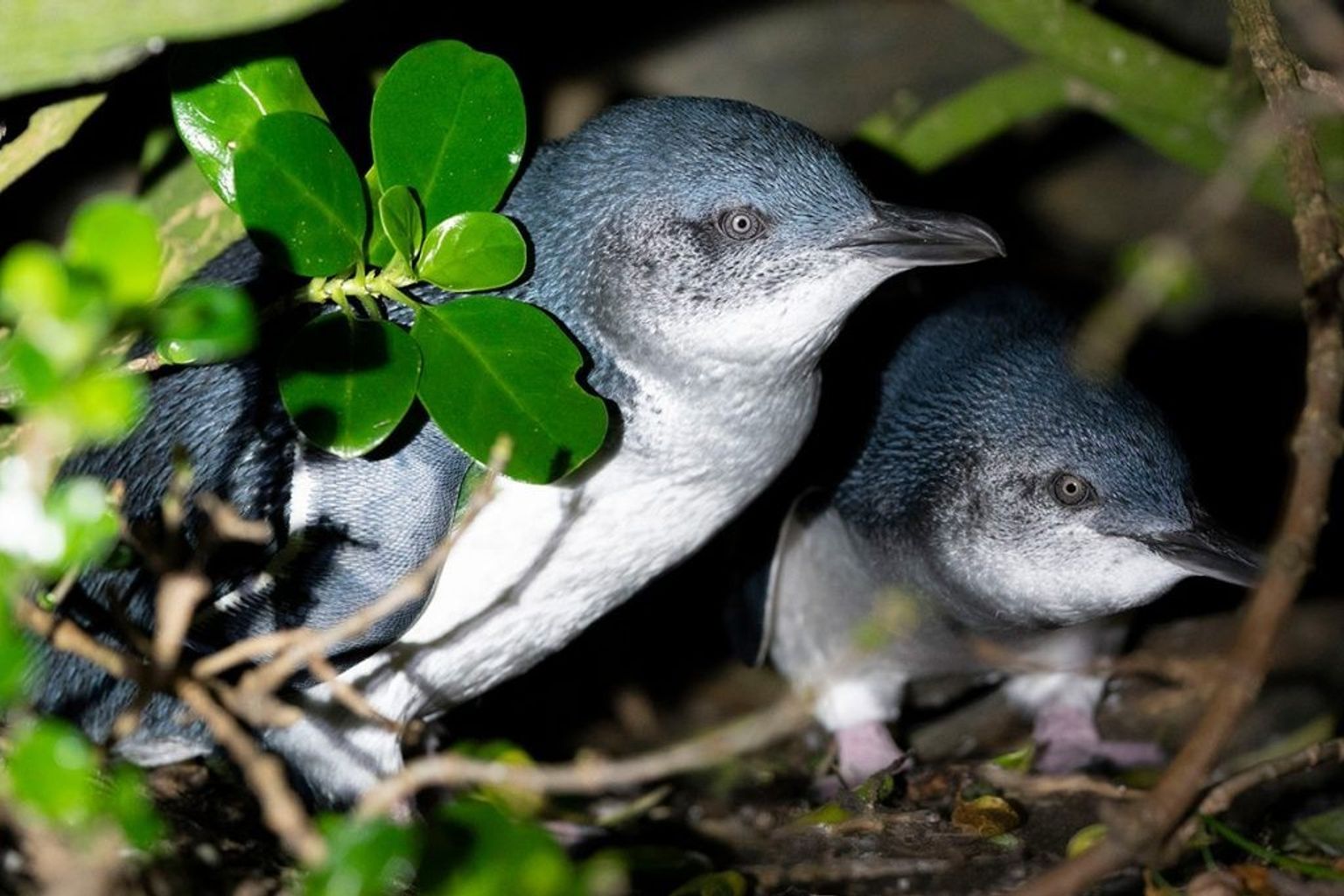
One little penguin collected from Grassy had returned a positive result last week.
Collins said delays in confirming results were not unusual, explaining that sample quality can affect turnaround times.
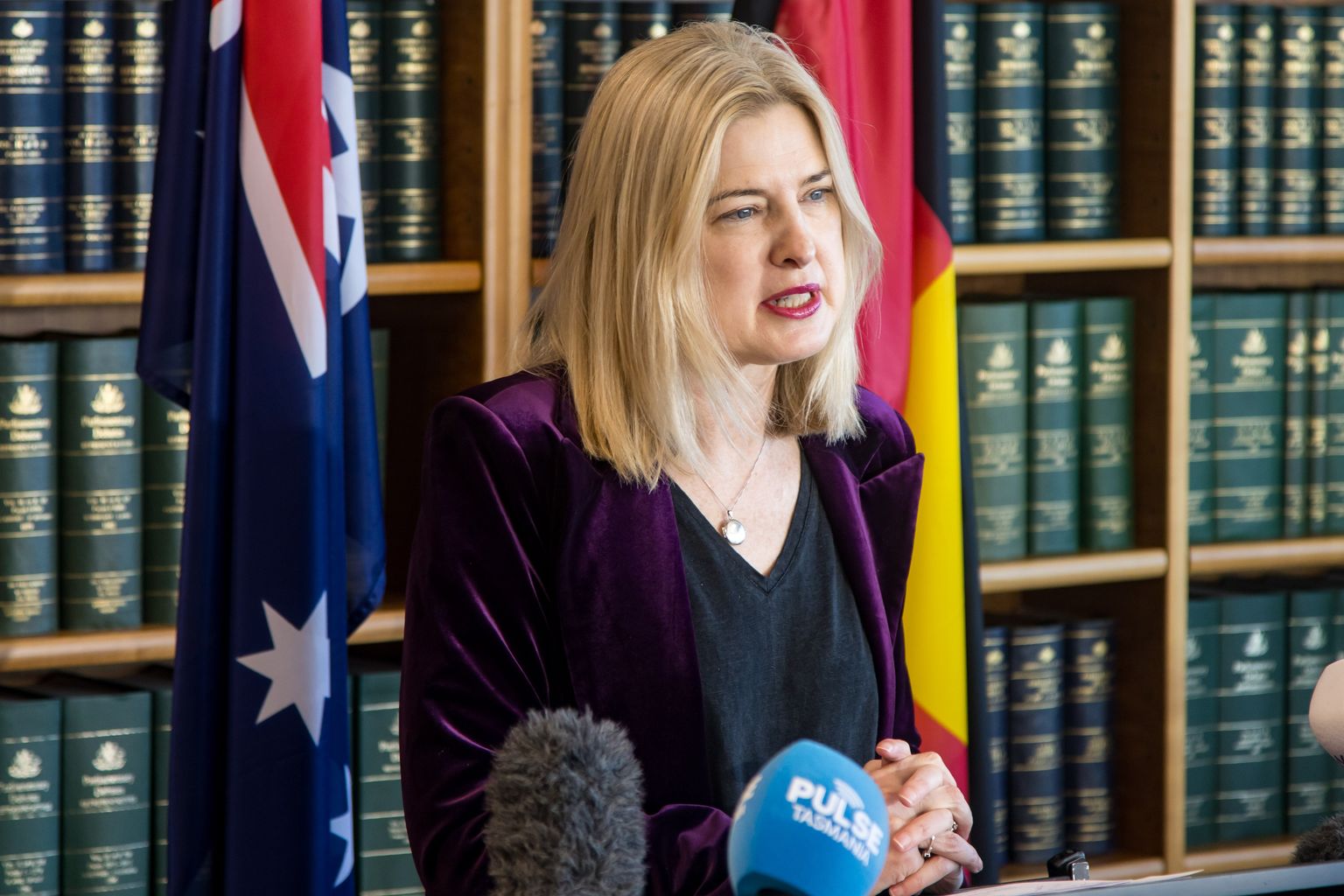
“Some of the testing, it depends on the quality of the sample, so sometimes there’s degraded samples that can take longer,” she said.
“Some samples come back in a few hours, some of them take many, many hours.”
Tasmania has recorded 10 positive bird flu events so far, equating to 25 individual cases, part of a national tally of 330 events across all Australian states and territories.
The Commonwealth has committed a further $145 million to the national bird flu response, announced after National Cabinet was briefed on the outbreak by Australia’s Chief Veterinary Officer Dr Beth Cookson.
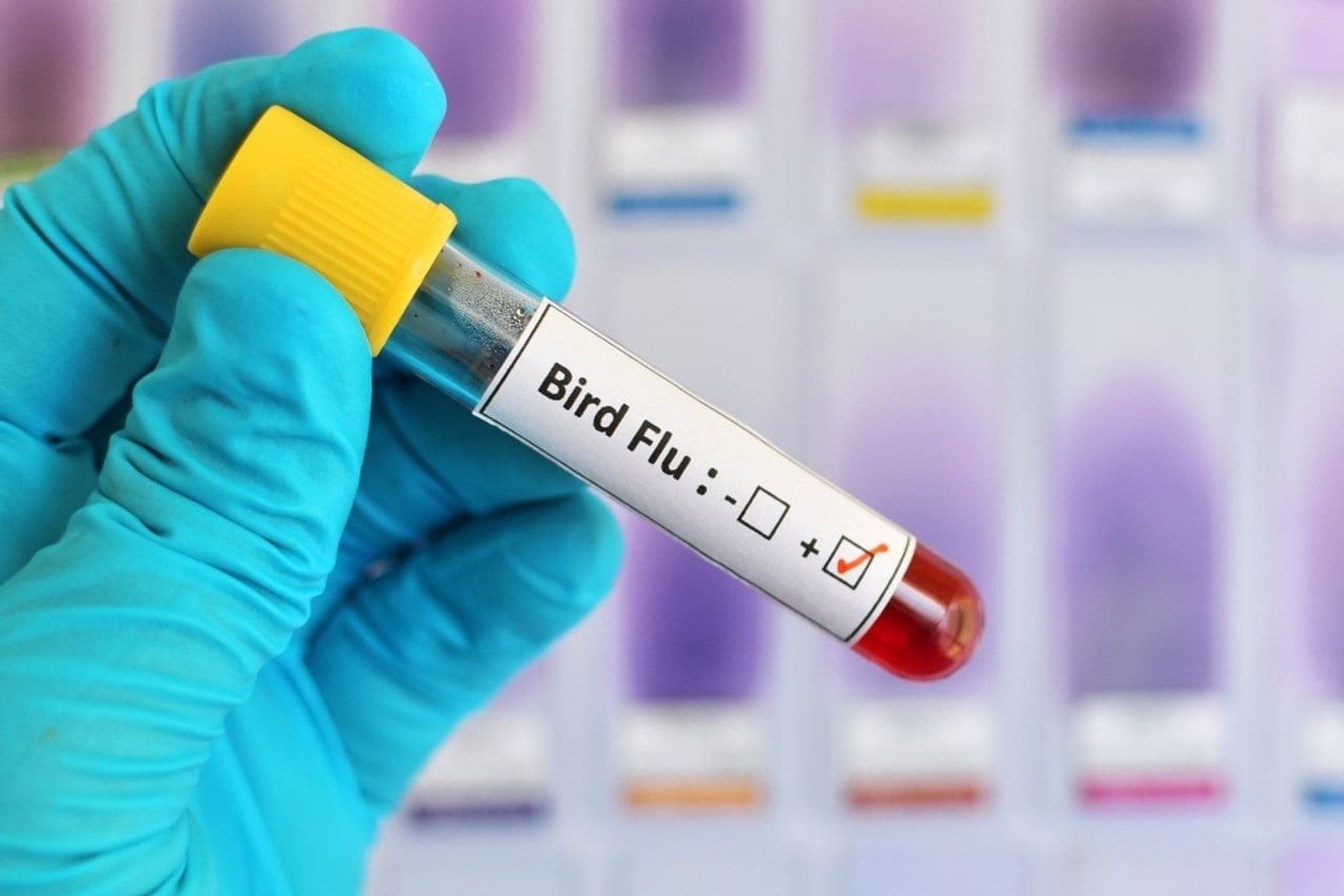
Of that, $125 million will be made available for immediate action under the National Emergency Biosecurity Response.
It includes covering surveillance, early detection, on-ground response capability, targeted work for priority threatened species and local community engagement.
Those activities are cost-shared equally between the Commonwealth, the states and the territories.
A further $20 million will come from the Commonwealth alone to extend on-ground work for key native species and locations, including emergency response for wildlife in Commonwealth-managed national parks and support for citizen science.
Collins said there was no evidence of infection in poultry or agricultural systems and the risk to human health remained low.
Asked whether groups had raised concerns about the risk to Tasmanian devils, Collins said the government had invested in improving biosecurity around threatened species in captivity.
“You’ve seen that with direct funding that we’ve provided to Australian zoos and aquariums and wildlife centres right across the country to improve biosecurity around some of those threatened species,” she said.
Collins urged people not to touch sick or dead birds. Any sightings should be reported to Tasmania’s Emergency Animal Disease Hotline on 1800 675 888.