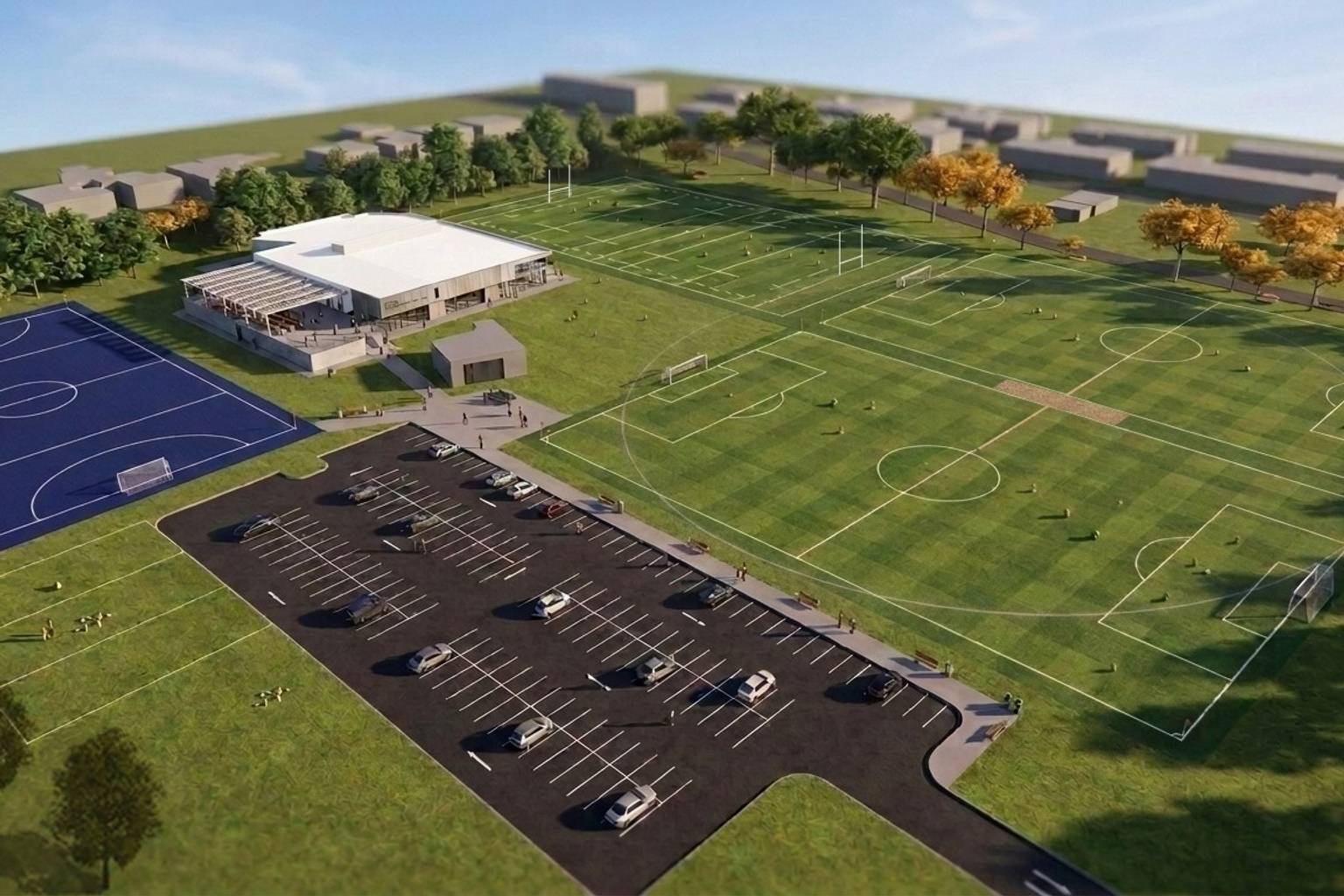
Burnie City Council is set to consider a long-term plan to overhaul the city’s sporting facilities, with a new indoor stadium and multi-sport precinct at the centre of the proposal.
The Multipurpose Sports Precinct Master Plan outlines a staged approach built around two key sites, a four-court indoor stadium at Burnie High School and a multi-sport hub at McKenna Park.
Councillors will vote on whether to adopt the plan at the August council meeting.
Burnie Mayor Teeny Brumby said the plan offers a strategic approach to sporting infrastructure.
“This is about looking at how we can provide better sporting facilities for our community while making the best use of the land and assets we already have,” she said.
“By bringing sporting organisations together in purpose-built facilities, we can create greater opportunities for collaboration, improve the experience for participants and volunteers and support the future growth of sport in Burnie.”
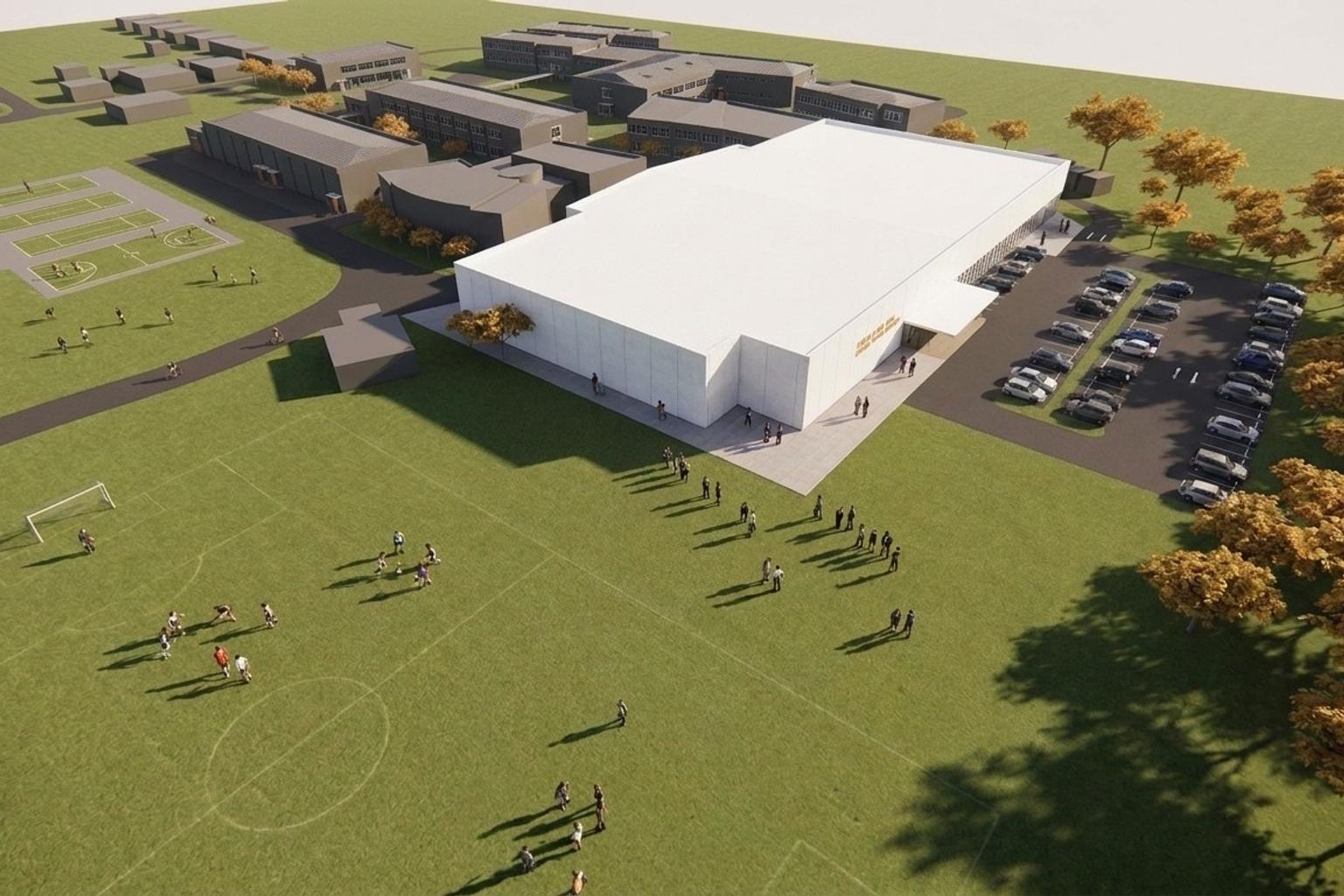
The proposed indoor stadium would double court capacity from two to four, providing extra training and competition space for sports including basketball, netball, volleyball, badminton, pickleball, futsal and wheelchair sports.
The facility would also be shared with Burnie High School during school hours.
Council has received in-principle support from the school for the proposed location and would progress talks with the school and the Department of Education if the plan is adopted.
At McKenna Park, the proposed precinct would bring together rugby, gymnastics, cheerleading and community facilities alongside existing users, allowing organisations to share infrastructure and resources.
The plan also considers how consolidating sporting groups into purpose-built precincts could free up existing sites for other uses.
Relocating facilities from the Wivenhoe site could open up industrial-zoned land for future development, helping meet demand for industrial land in Burnie.
Council engaged consultants through an Active Tasmania grant to develop the plan, with sporting groups consulted on their needs and challenges.
If adopted, the plan would guide future investment and help council pursue state and federal funding.