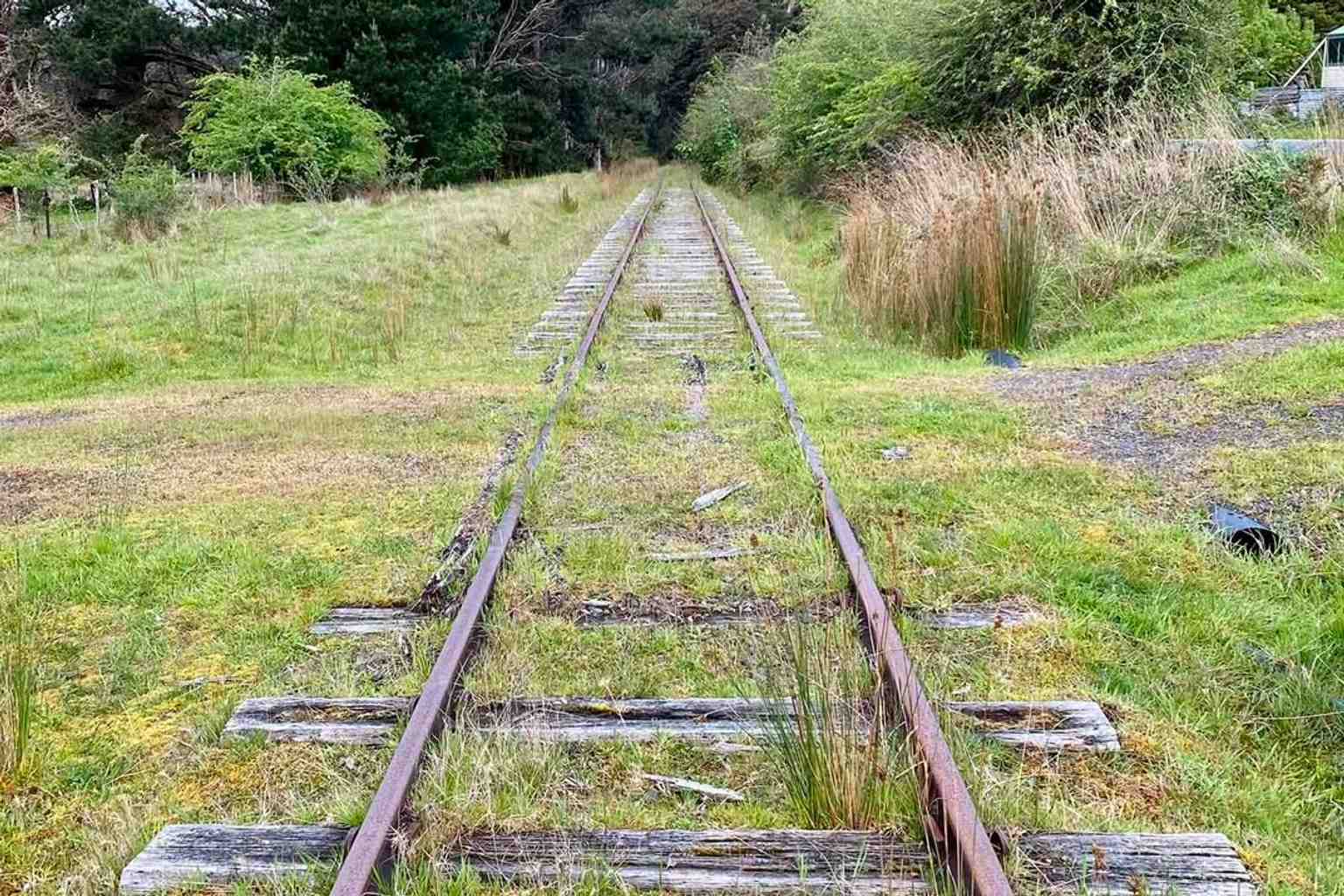
Derwent Valley councillors have voted to progress plans to pull up a disused rail line and turn it into a 32 kilometre walking and riding trail, with the mayor the only councillor not to back it.
Thursday’s vote endorsed a feasibility study, a reference design for the full route and a detailed design for the first stage.
It also progresses the transfer of the corridor out of the rail network under the Strategic Infrastructure Corridors Act.
Councillors were not asked to approve construction or commit money to building it.
The trail would run from Maydena to Hayes, passing Mount Field National Park and going through Westerway, Glenora, Bushy Park and Plenty.
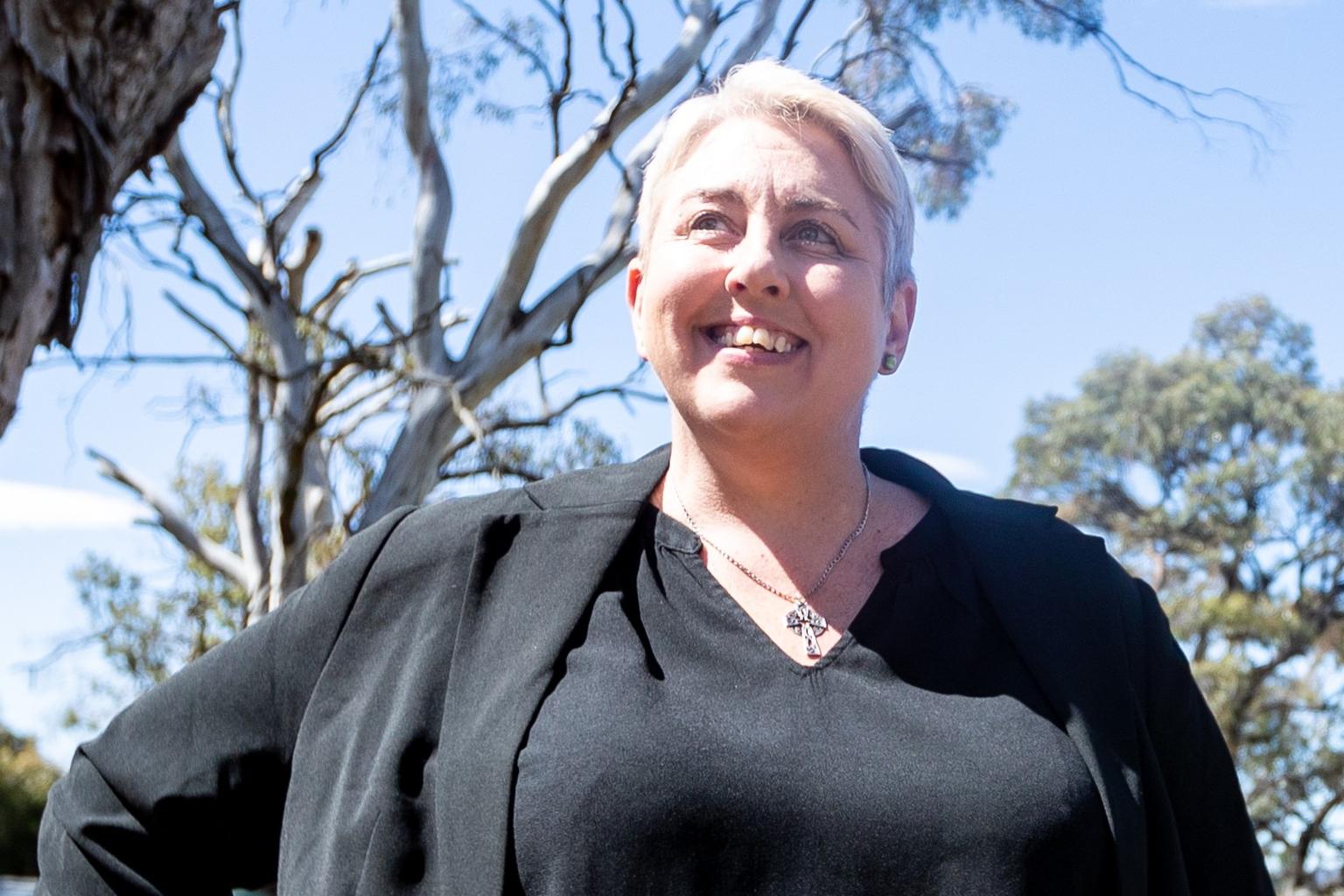
Mayor Michelle Dracoulis abstained, then explained her reasoning in a Saturday social media post that she stressed was her personal view and not a council position.
She said stage one alone is estimated at $12.16 million and the full trail at $82.38 million, before professional fees, statutory charges, land and legal costs or site remediation.
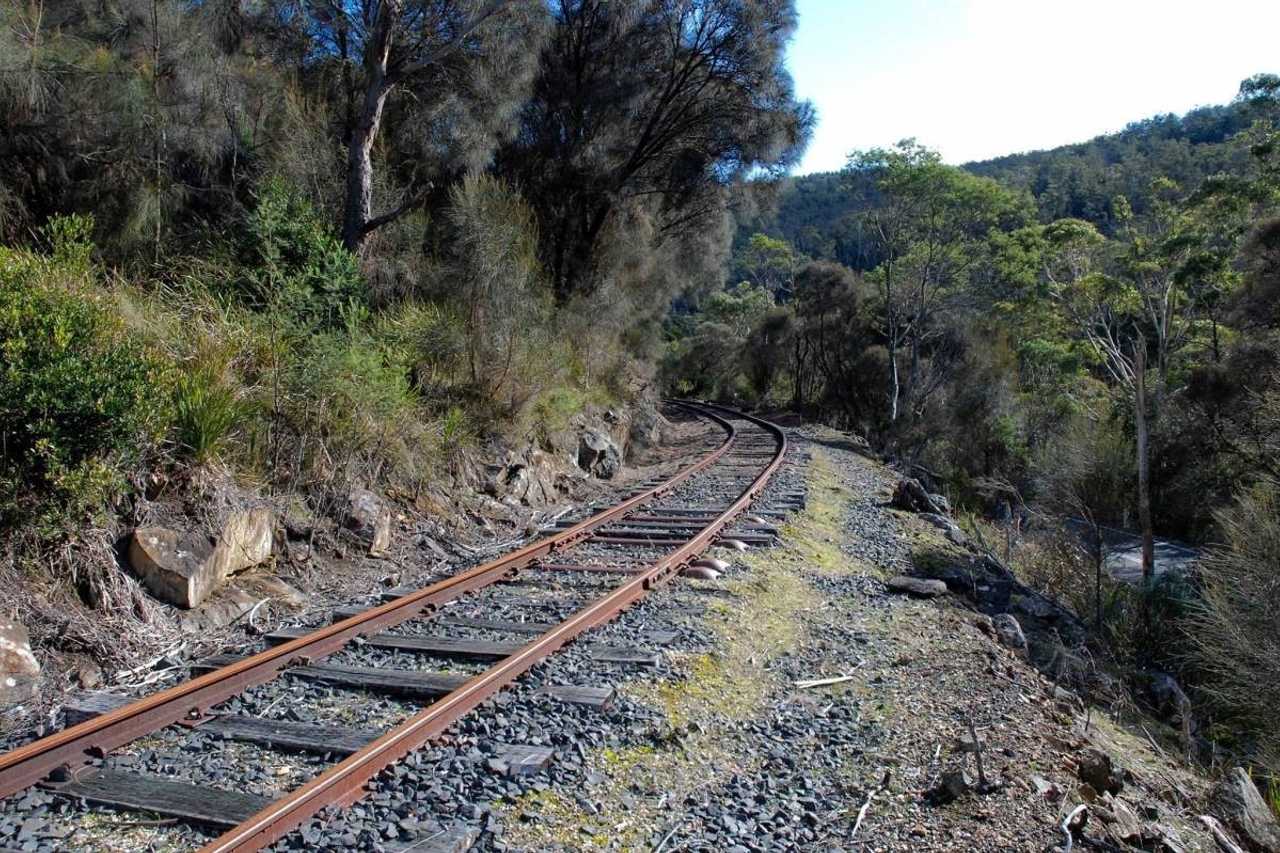
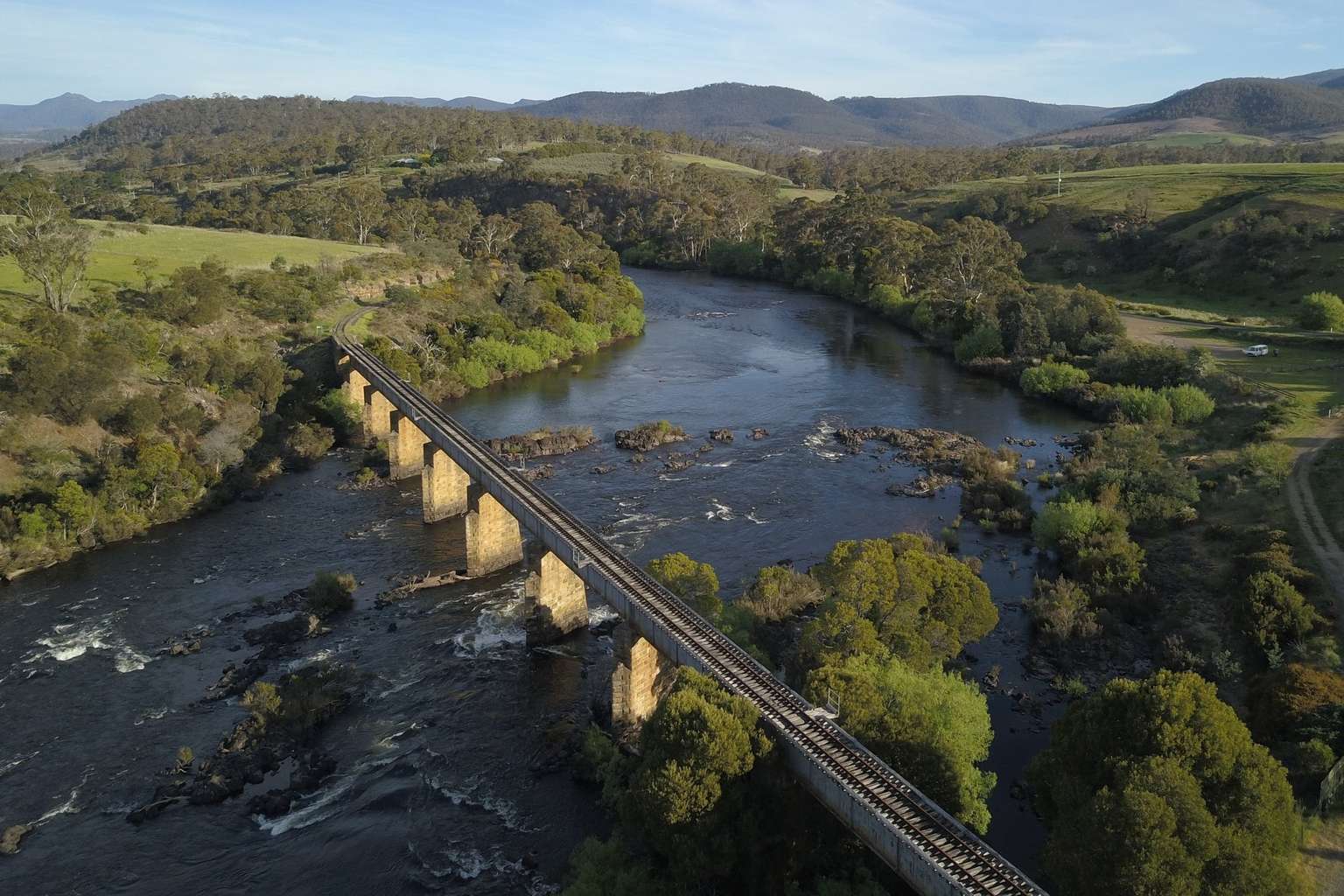
There are also 25 bridge structures along the corridor with limited and dated information about their condition.
“That’s an enormous infrastructure project for a council our size,” she said.
Dracoulis said council had only recently embedded proper asset management and was still getting a clear picture of what it already owns.
She said there is “significant work” needed on roads, footpaths, halls, public toilets and playgrounds.
She listed unanswered questions about maintenance, weeds, rubbish, illegal motorised bikes on the corridor, crime, emergency access and where liability would sit.
“If something of this scale is going to happen, the burden can’t be allowed to fall on Derwent Valley ratepayers,” she said.
“I like exciting, shiny new things as much as any politician, but I wasn’t prepared to vote yes while having serious questions about the costs and ongoing responsibilities that could come back to haunt our community.”
The council previously accepted a $501,000 federal grant for the planning work and was advised it could not acquit that money without deciding to progress a project.
That repayment risk dominated the debate rather than the cost of the trail itself.
Councillor Phillip Bingley told the meeting he would have voted against it if he believed he had genuine discretion.
“Every dollar we spend on non-core infrastructures is a dollar we take away from crumbling roads and blocked culverts and hazardous footpaths,” he said.
“So to go and buy into more infrastructure, I’m dead against it because it’s not a core responsibility.”
Chief executive Wes Young said the grant framework required an endorsed position.
“If the council was uncomfortable with that, we should not have accepted the $500,000 at the time,” he said.
Young said the proposal reflected what the community asked for, not what the council wanted.
“In some respects, we are passengers in this process,” he said.
He also told councillors the vote did not commit them to construction.
“We are not locked in to spend anything,” he said.
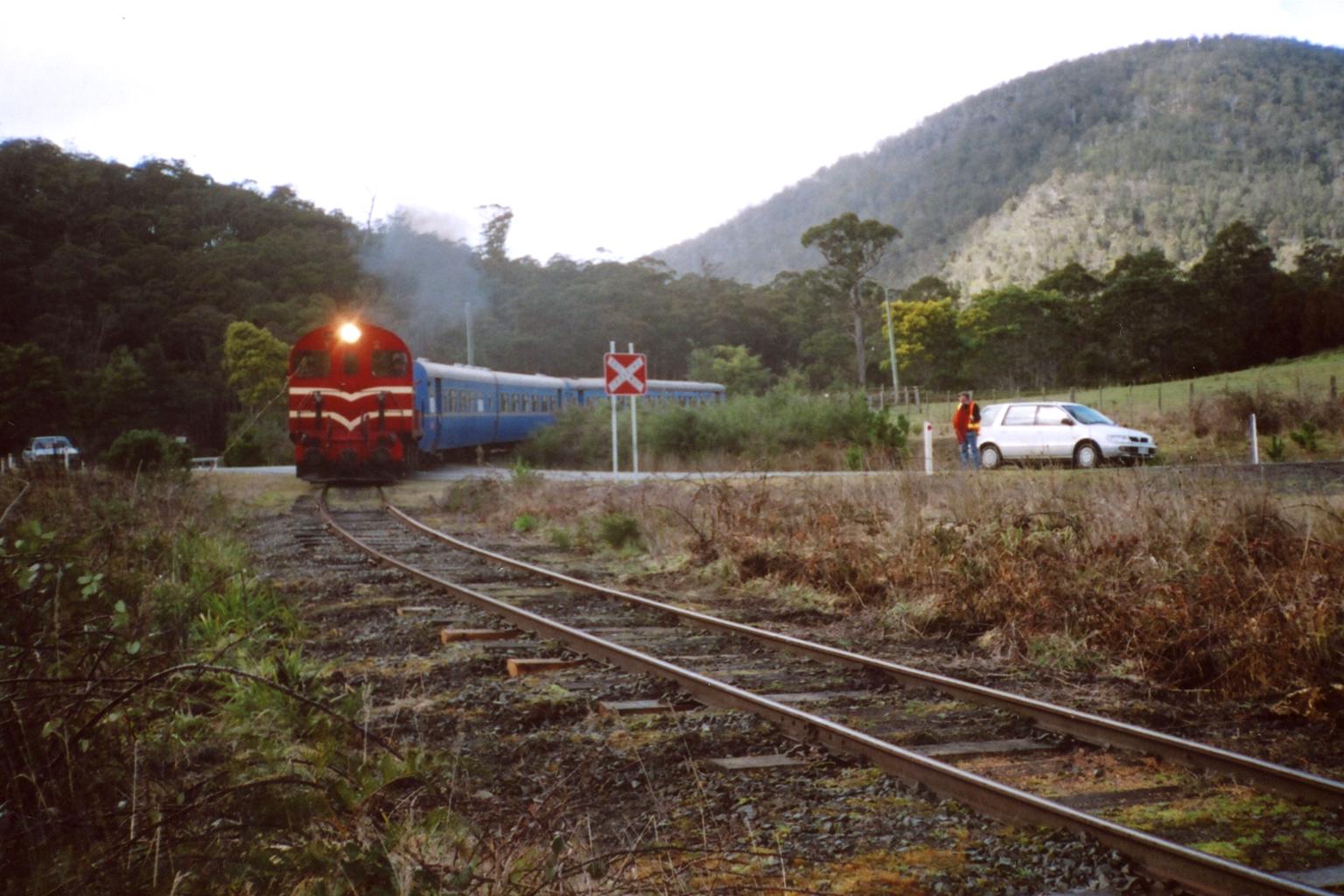
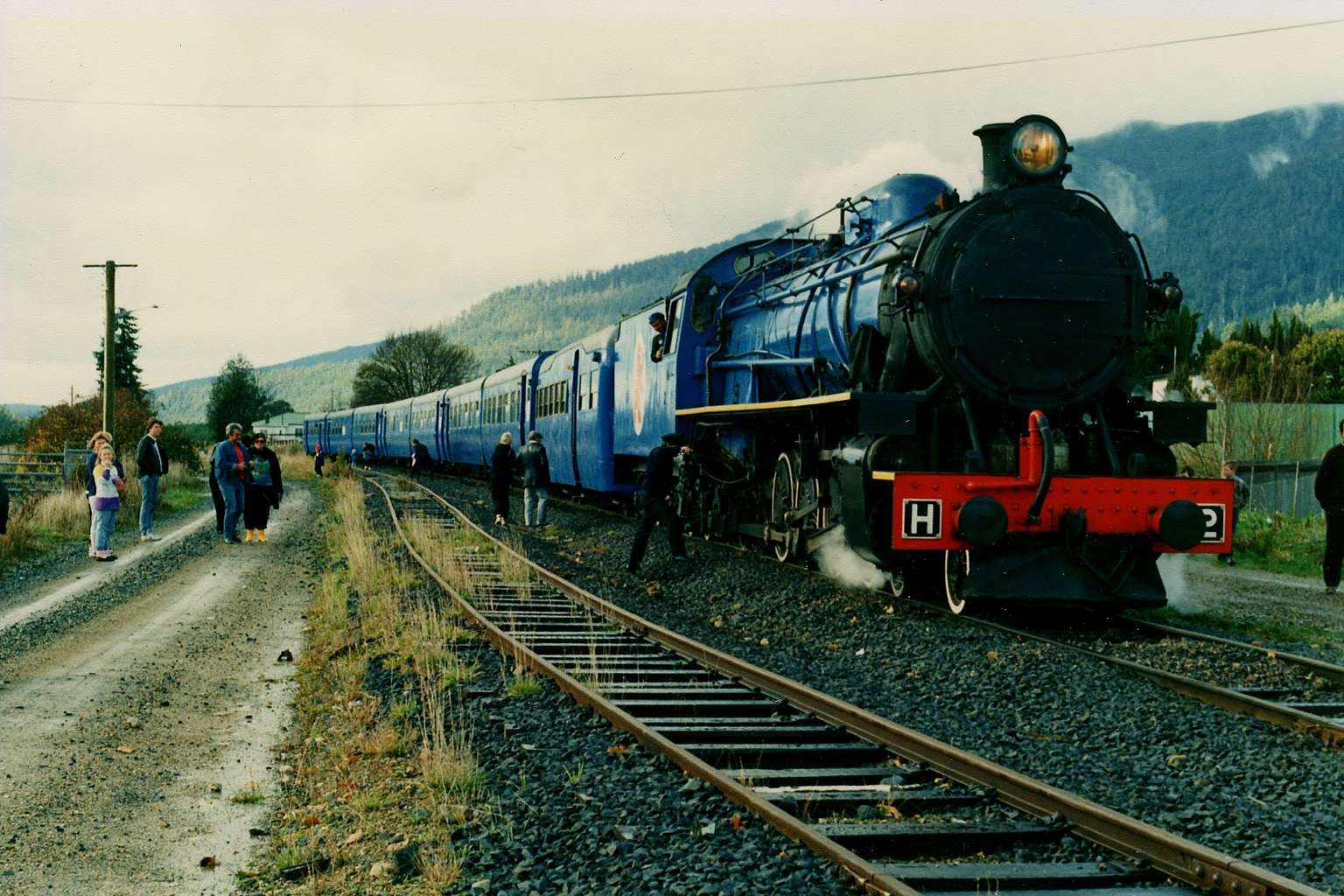
The Derwent Valley Railway opposes the plan and wants a heritage tourist train on the corridor instead.
Under the act, rail and recreational use cannot share the one corridor.
Dracoulis said those who fought to retain the railway deserve acknowledgement and that some do not feel their views were reflected in the final proposal.
“Their position deserves to be heard,” she said.
She said she respected the decision and understood why the majority voted yes.
Local government elections are held in October and a new council will inherit the project and any future decisions on it.
Council officers will now progress the work, including applying for external funding for the first stage.
The next step is in-principle ministerial approval to transfer the corridor.