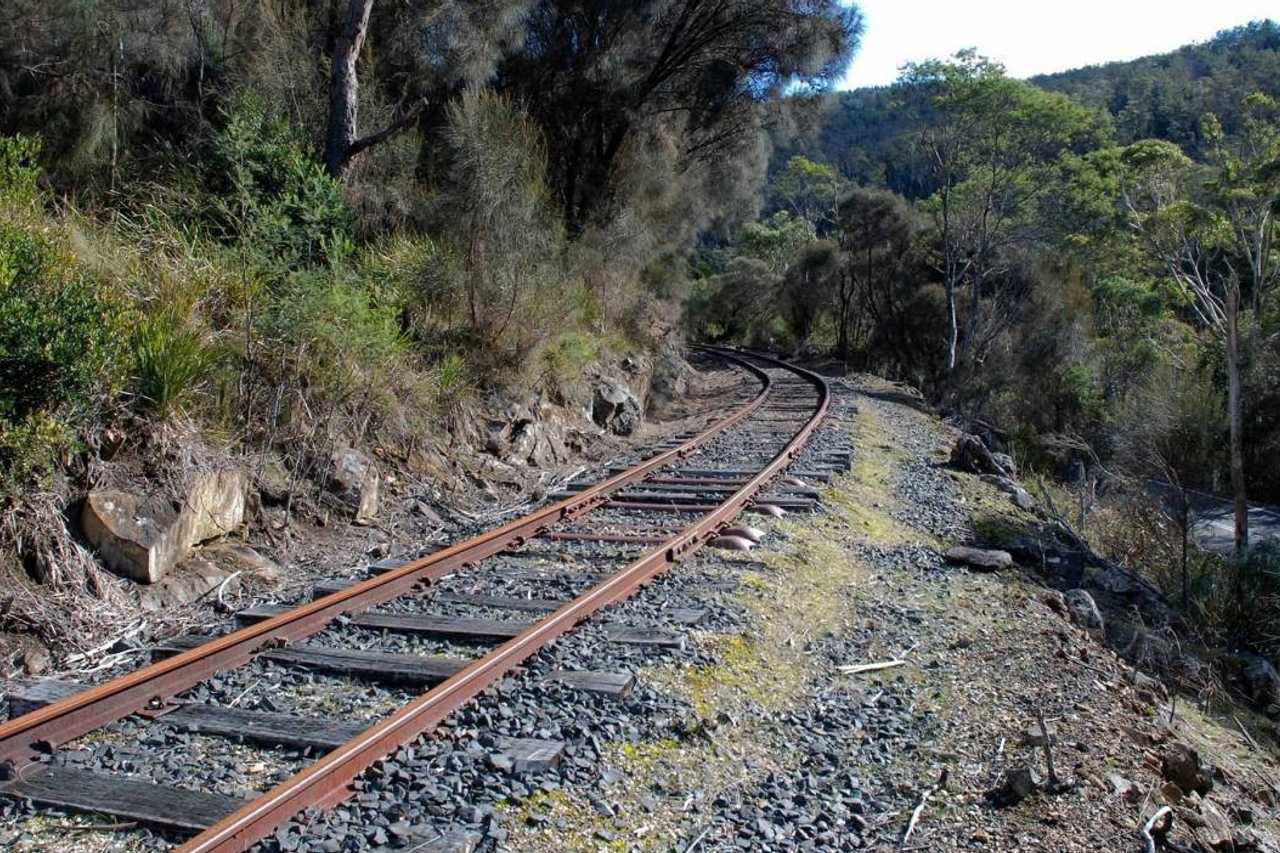
A decommissioned rail line could be pulled up and turned into a walking, wheeling and riding trail running the length of the Upper Derwent Valley, under a plan councillors will vote on today.
The 32-kilometre Derwent Valley Rail Trail would follow the old corridor from Maydena to Hayes in the south of the state.
It would roll past Mount Field National Park and through Westerway, Glenora, Bushy Park and Plenty.
Seven small townships sit along the route, home to about 1,100 people between them.
Councillors are not being asked to approve construction or spend money building it.
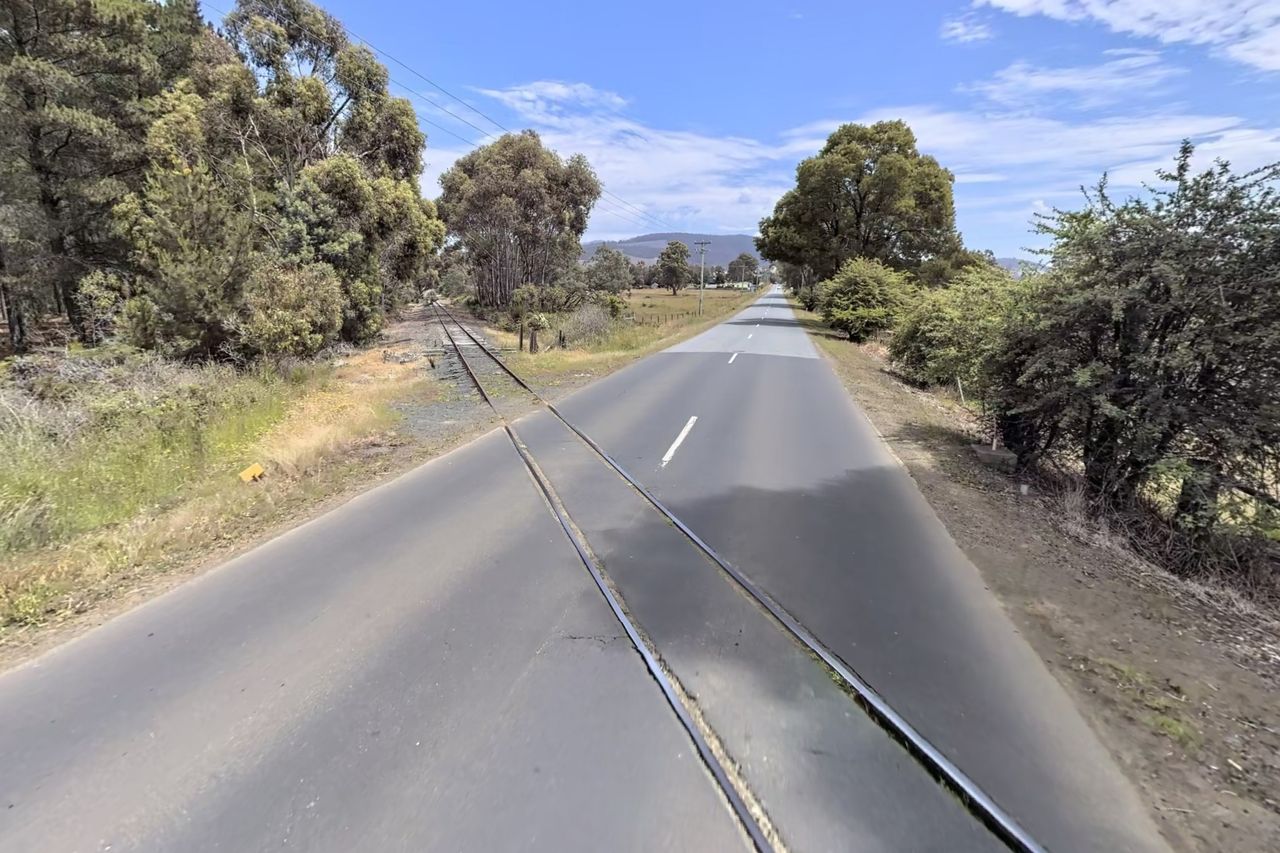
Instead, the vote would lock in the feasibility study, a reference design for the whole route and a detailed design for the first stage.
They would also progress the transfer of the corridor out of the rail network under the Strategic Infrastructure Corridors Act 2016.
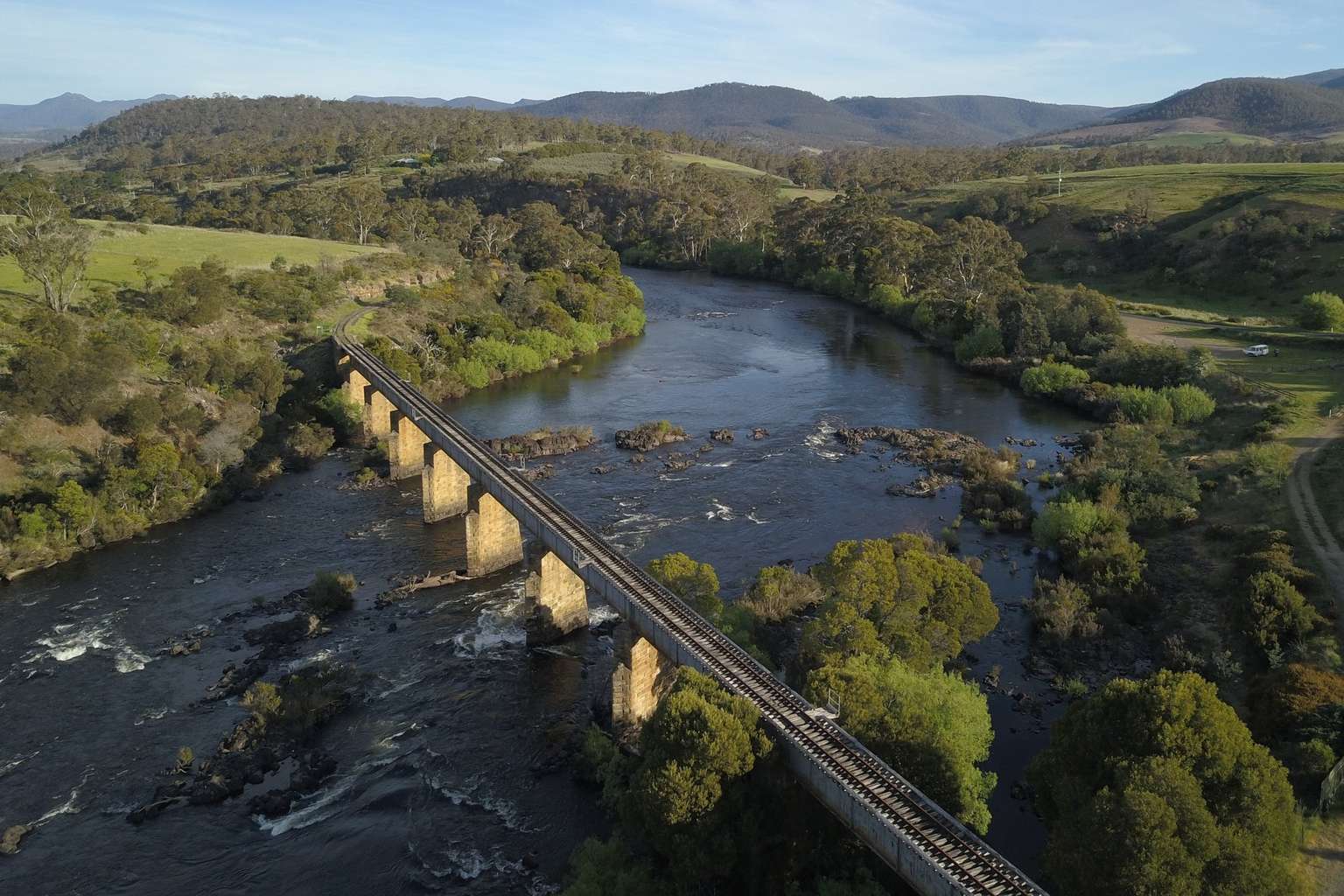
Work would involve ripping up the track, laying gravel or concrete over the ballast and building new decks on the old rail bridges.
A trailhead with car parking, shelters, picnic settings, a horse mounting block and upgraded toilets would go in at Maydena, with more added as later stages are built.
Stage one covers 12.4 kilometres from Maydena to National Park and is estimated at $12.16 million. The full trail is estimated at $82.38 million.
Neither figure includes professional fees, statutory charges, land and legal costs or site remediation.
Consultants WSP recommended that stretch first because it links Mount Field and Maydena Bike Park and defers the trickiest road crossings.
Thirteen letters of support have been received, from Premier Jeremy Rockliff, federal Lyons MP Rebecca White, TasRail, Tourism Tasmania, Bicycle Network, Hydro Tasmania and Maydena Bike Park among others.
Rockliff backed the proposal in principle but urged council to weigh “the views and sensitivities of current and other interested users of the corridor” alongside the interests of ratepayers.
Council officers say residents want somewhere safe to exercise, walk the dog and for children to visit friends after school.
The Derwent Valley Railway is opposed. The project team met the group twice and it wants council to back a heritage tourist train on the corridor instead.
Under the act, rail and recreational use cannot share the one corridor.
Rail Track Riders, which operates pedal-powered rail carts out of Maydena, has agreed to split its application alongside the council’s so both can run side by side.
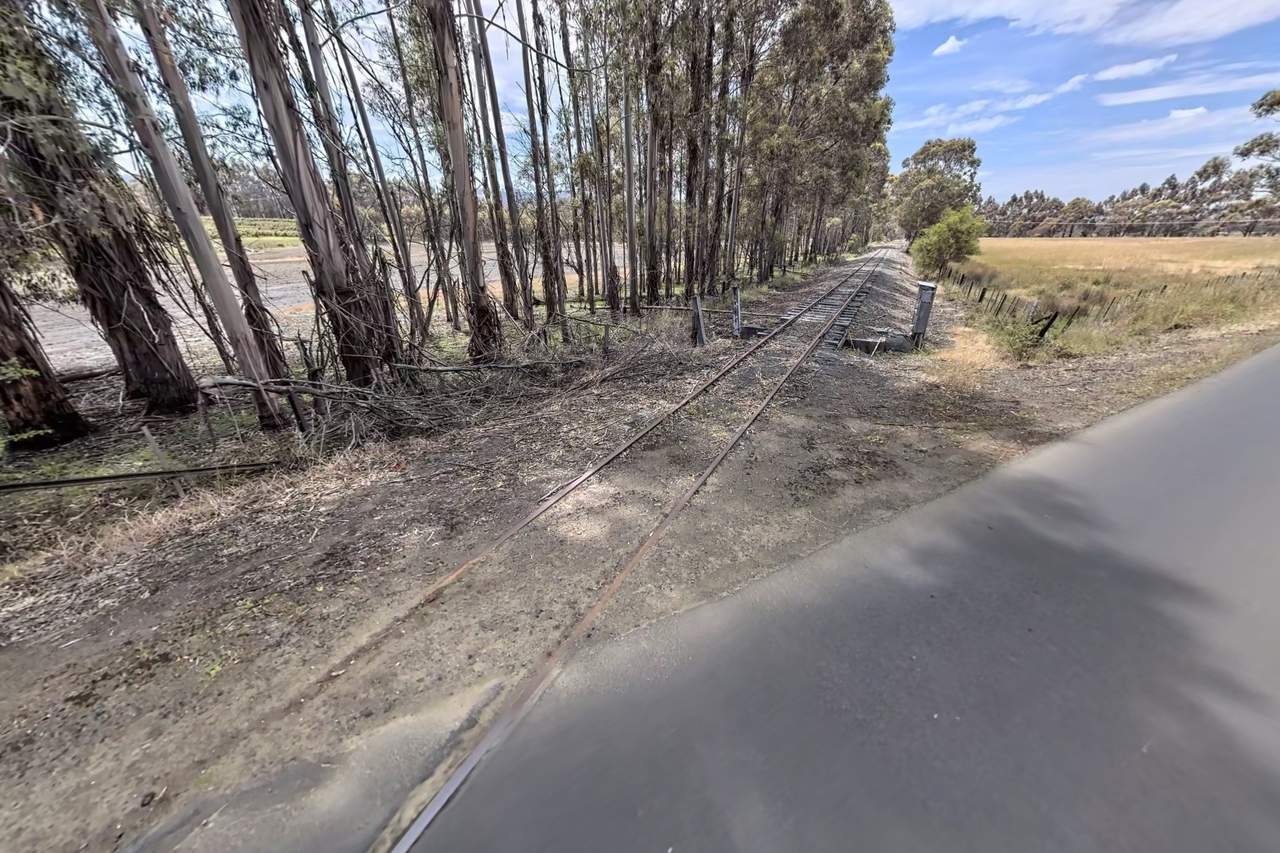
The group supports the trail overall, subject to council securing funding and approvals.
Council officers are also pushing to start planning a separate section between Westerway and Glenora, arguing that one is about safety.
Neither town has footpaths. Residents told council they regularly ‘risk their lives’ to walk the dog.
That stretch would connect Westerway Primary and Glenora District School.
“The Derwent Valley Rail Trail is a community asset first and a state-significant opportunity for tourism, heritage and economic renewal,” council officers wrote in the agenda.
“This feasibility study confirms that stage one is feasible, that the key risks are understood and manageable and that a staged approach beginning with Maydena to National Park provides an achievable and fundable first step.”
Stage one is forecast to return $1.04 for every dollar spent, while the full project is expected to return 61 cents in the dollar over 25 years.
The consultants wrote that the numbers are conservative and that benefits such as liveability and community pride were not counted.
Bridges are the biggest risk, with 25 structures along the line and condition information described as limited and dated.
The agenda warns the risks are “not to be understated”, but says measures have been taken to de-risk the project.
The study was paid for by the federal Regional Precincts and Partnerships Program, whose second round is on hold.
If endorsed, the next step is in-principle ministerial approval to transfer the corridor.