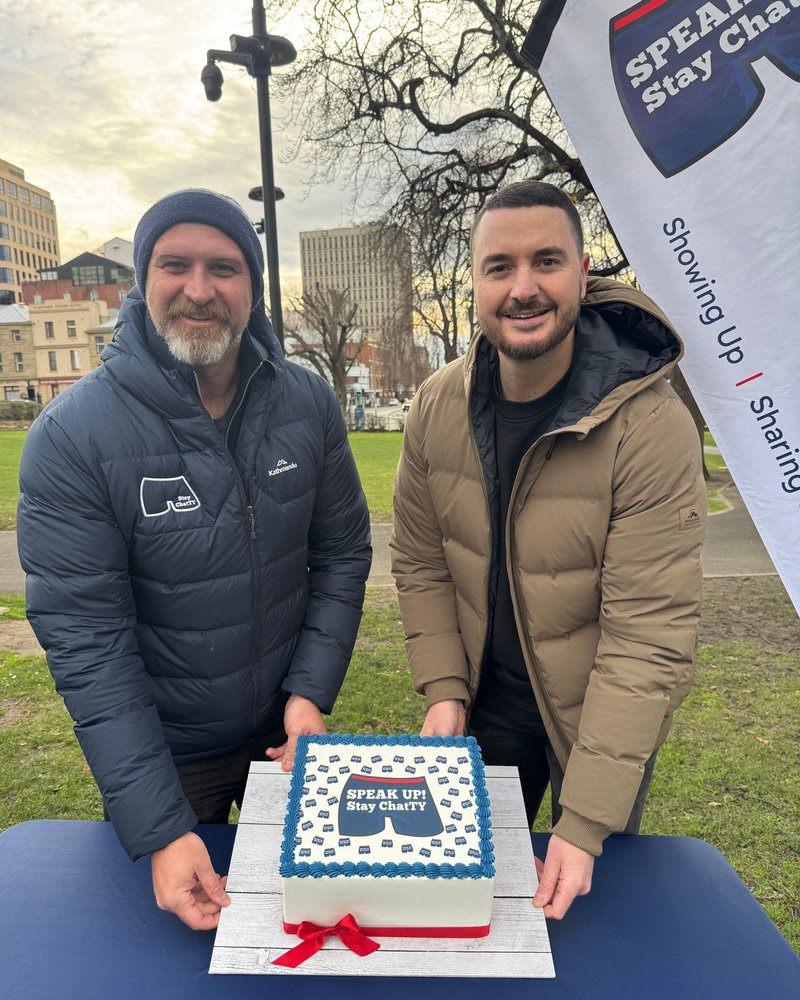
More than 25,000 Tasmanians have been reached by SPEAK UP! Stay ChatTY this year alone as the mental health organisation marks 13 years of encouraging conversations about mental health and suicide prevention.
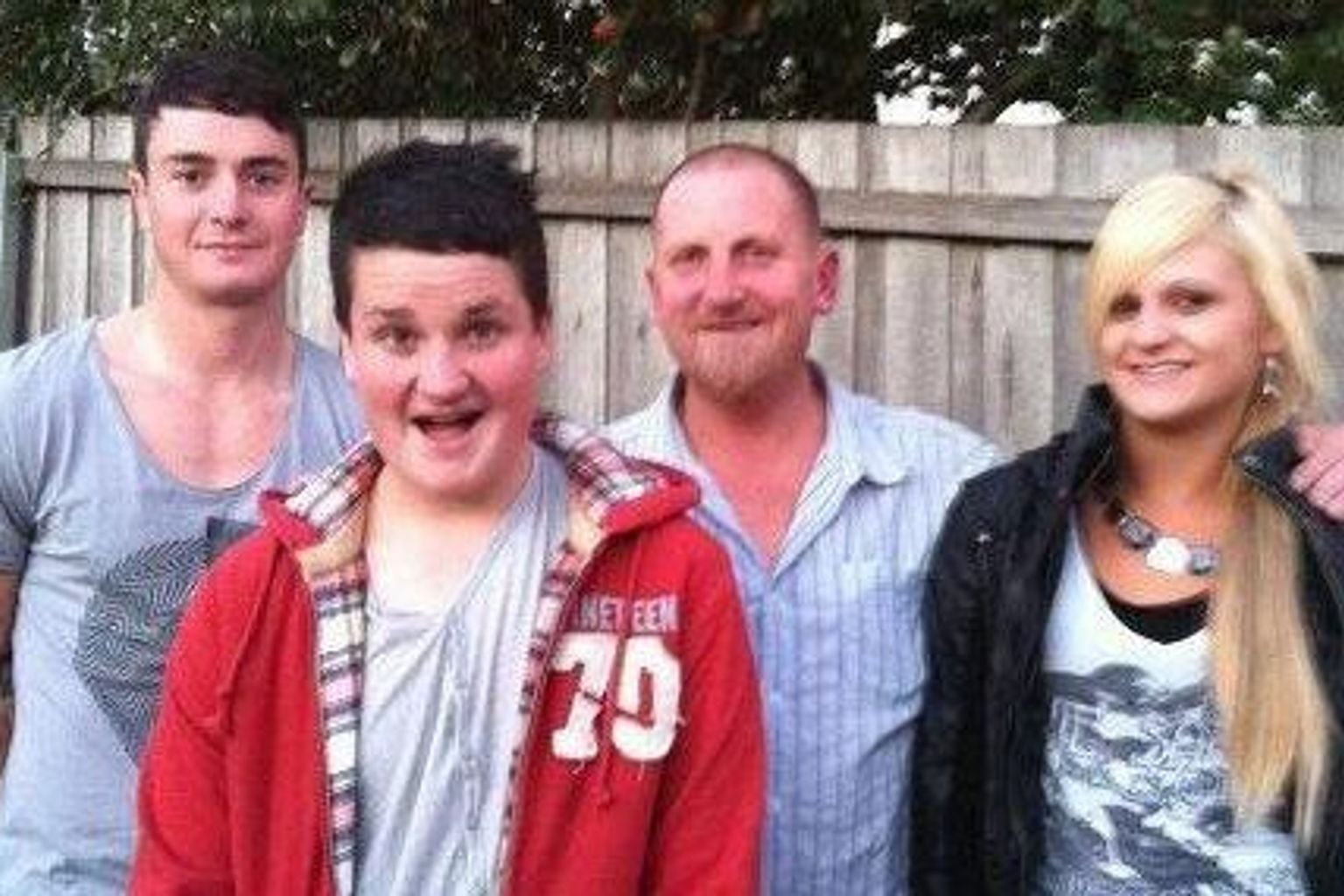
The organisation was founded by Mitch McPherson after the loss of his younger brother Ty in 2013, with a focus on reducing stigma and encouraging people to speak openly about their mental health.
Stay ChatTY delivers mental health awareness presentations, workshops and community sessions across Tasmania, helping people recognise when they or someone around them may need support.
McPherson said any anniversary or milestone brought mixed emotions.
“You feel really proud of what we’ve achieved and the people that have worked for us and with us now,” he told Pulse.
“But there’s no doubt personally as well, it’s also pretty sad to think that anytime there’s awards or anniversaries or pretty big achievements for Stay Chatty, I’m quick to reflect on the real true reasons as to why I had to create it.”
The organisation’s team of six has delivered 110 presentations and community sessions this year alone, reaching more than 25,000 Tasmanians.
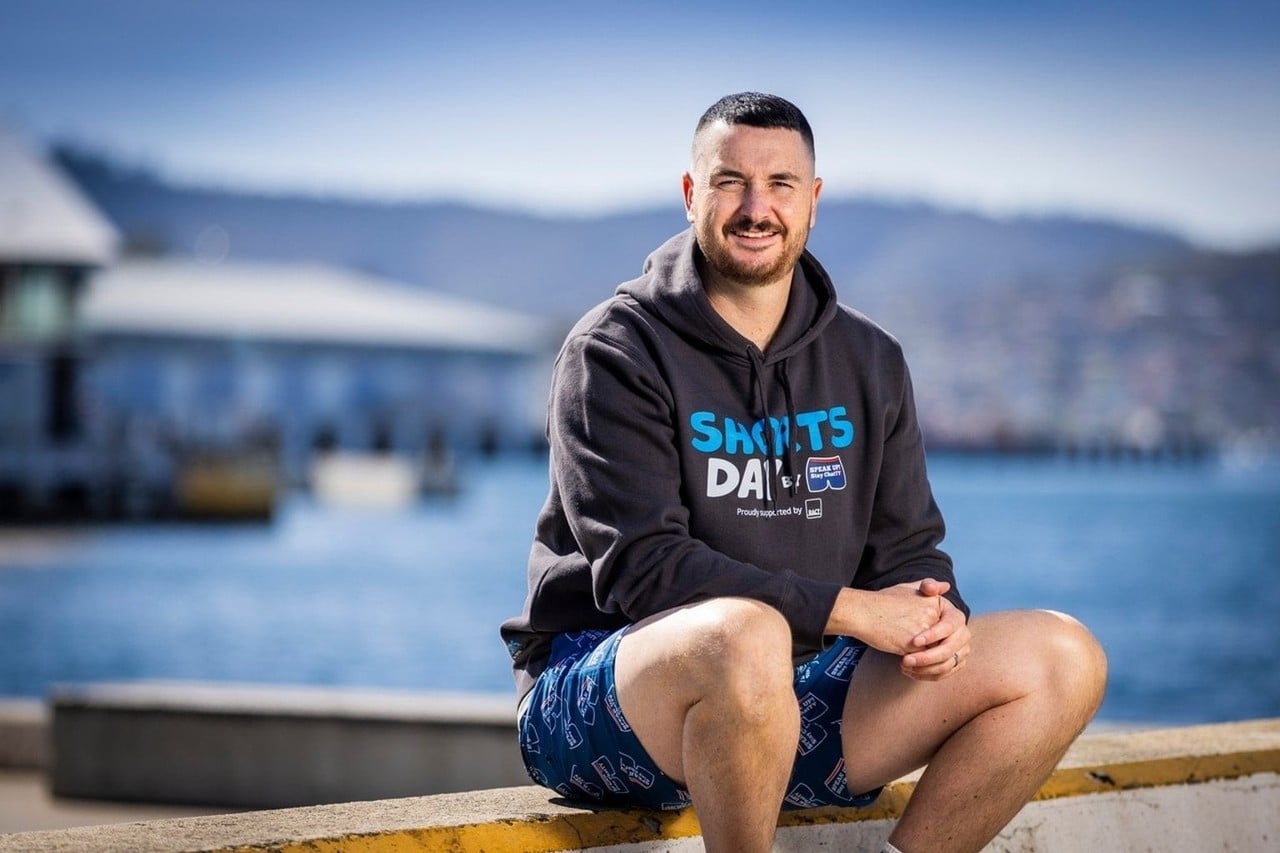
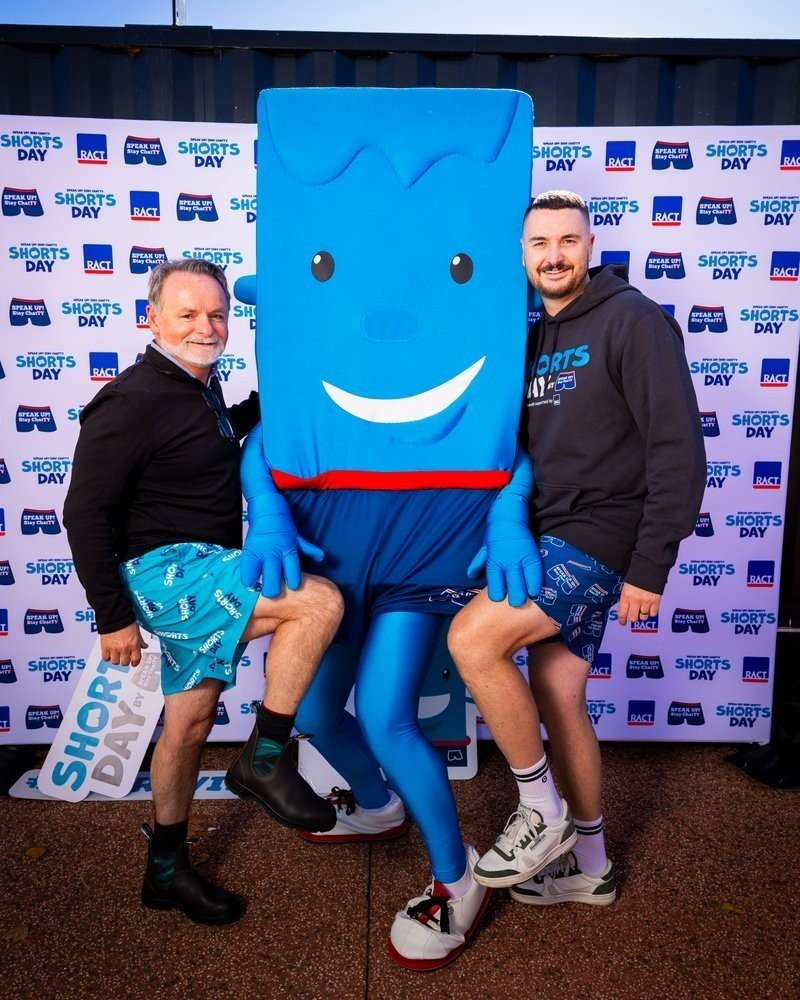
The organisation’s annual Shorts Day initiative has also become a key part of its work, encouraging Tasmanians to wear shorts, start conversations and show support for mental health and suicide prevention.
The event has grown into a statewide movement, bringing workplaces, schools, sporting clubs and communities together around the message that it is okay to speak up and ask for help.
All fundraised dollars stay in Tasmania.

McPherson said demand for the organisation’s work had never been higher, a stark contrast to its early days when convincing workplaces and communities to open their doors was a challenge.
“I sent out millions of emails early days and barely heard back from anyone,” he said.
“It’s probably been 10 years now since we’ve emailed asking to go anywhere.”
He said attitudes toward mental health had shifted significantly over the past 13 years, with more workplaces and sporting clubs embracing the conversation.
But he warned there was still a long way to go.
“There still is very much a stigma associated to mental health in a lot of cultures and workplaces and groups across the state,” he said.
“You’ve only got to look at the cost of living and there’s so many challenges these days just to get by and to put food on the table.”
The not-for-profit is now preparing for the return of its annual ball on October 10.
McPherson said the goal was to keep growing in Tasmania and continue pushing people toward the services they need.