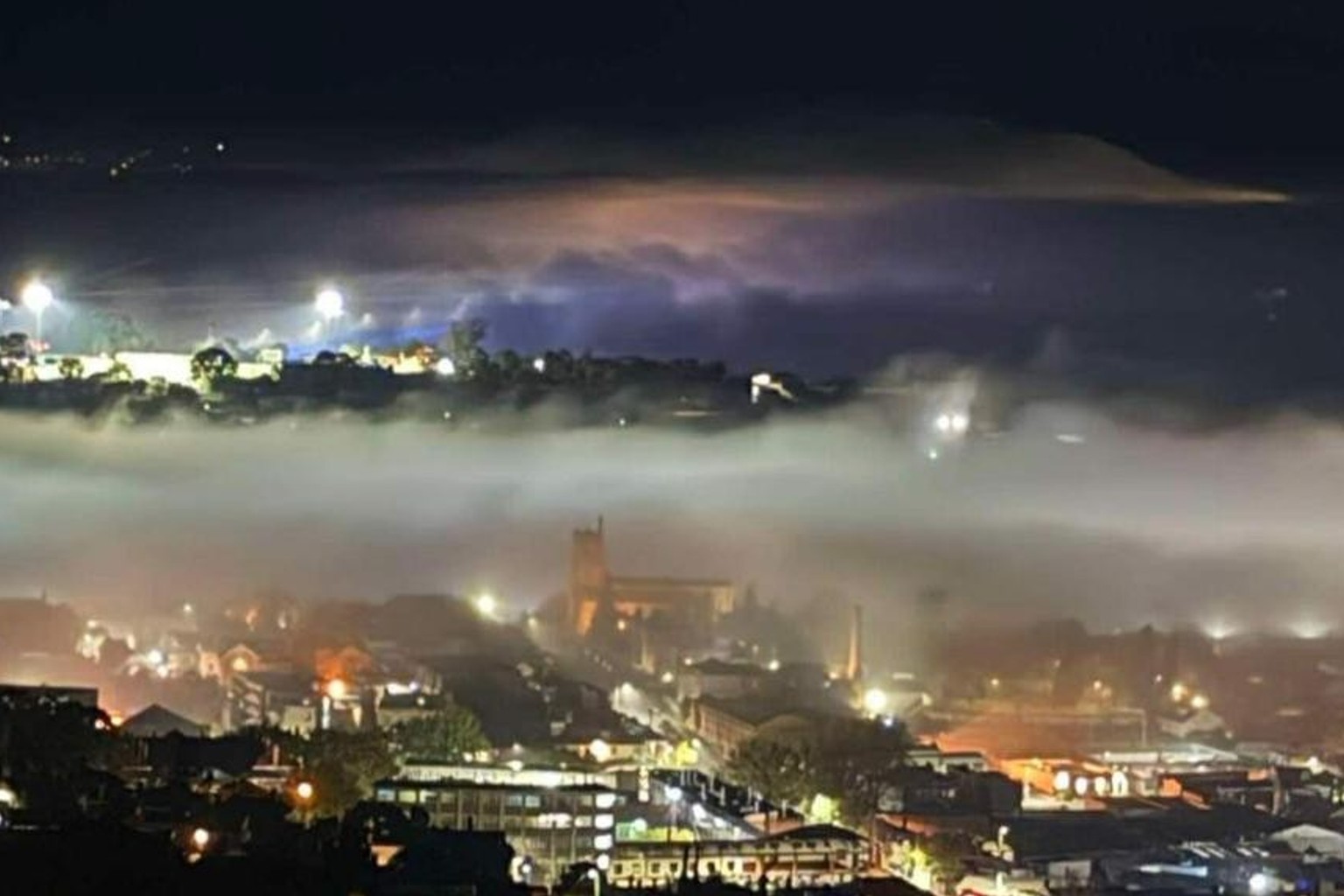
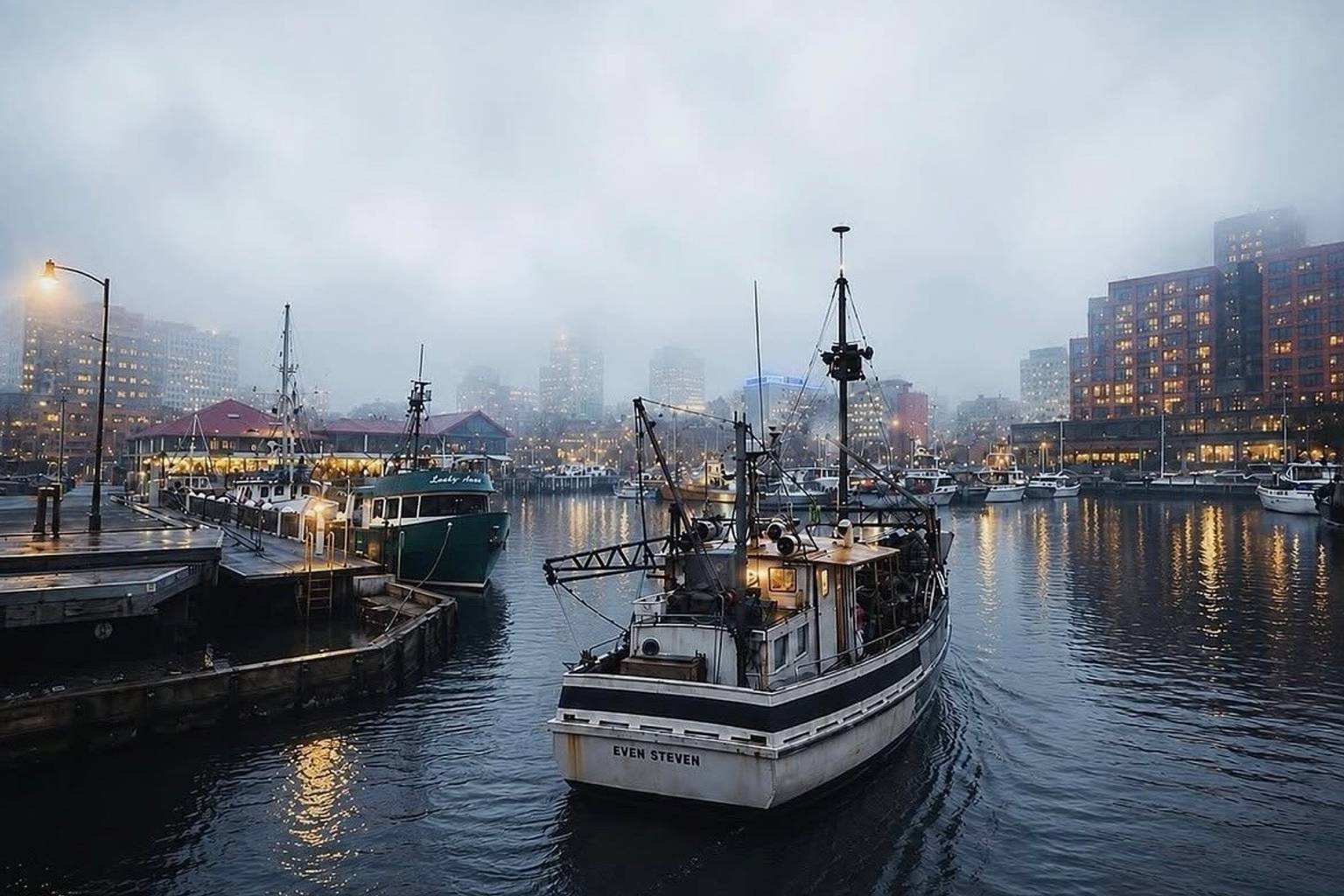
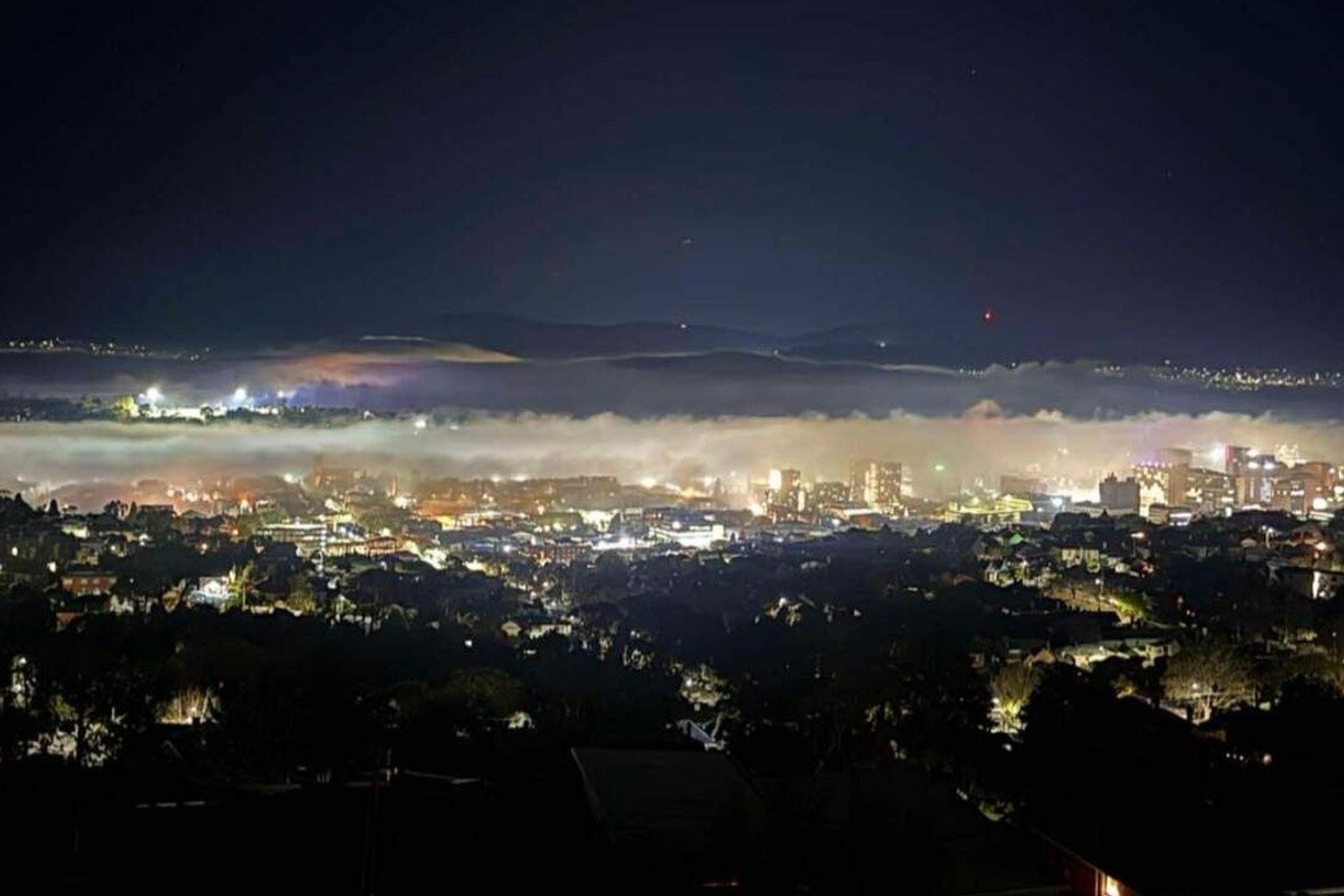
Dense fog swallowed much of southern Tasmania overnight and into this morning, reducing visibility as ideal conditions for fog formation settled across the region.
Senior Meteorologist Angus Hines said a combination of clear skies, cold overnight temperatures and almost no wind created the ideal setup for southern Tasmania.
“Last night it was pretty much the perfect conditions for fog because we had clear skies until that fog formed at least, clear skies overhead,” he told Pulse.
Wind speeds across southern Tasmania dropped to near zero at some weather stations, while Hobart itself recorded speeds of just six to 12 kilometres an hour.
Hines said fog becomes increasingly common as Tasmania moves into autumn because nights grow longer and colder, but the surrounding oceans still hold warmth from summer.
“The oceans around Tasmania still have a little bit of heat in them on the back end of summer,” he said.
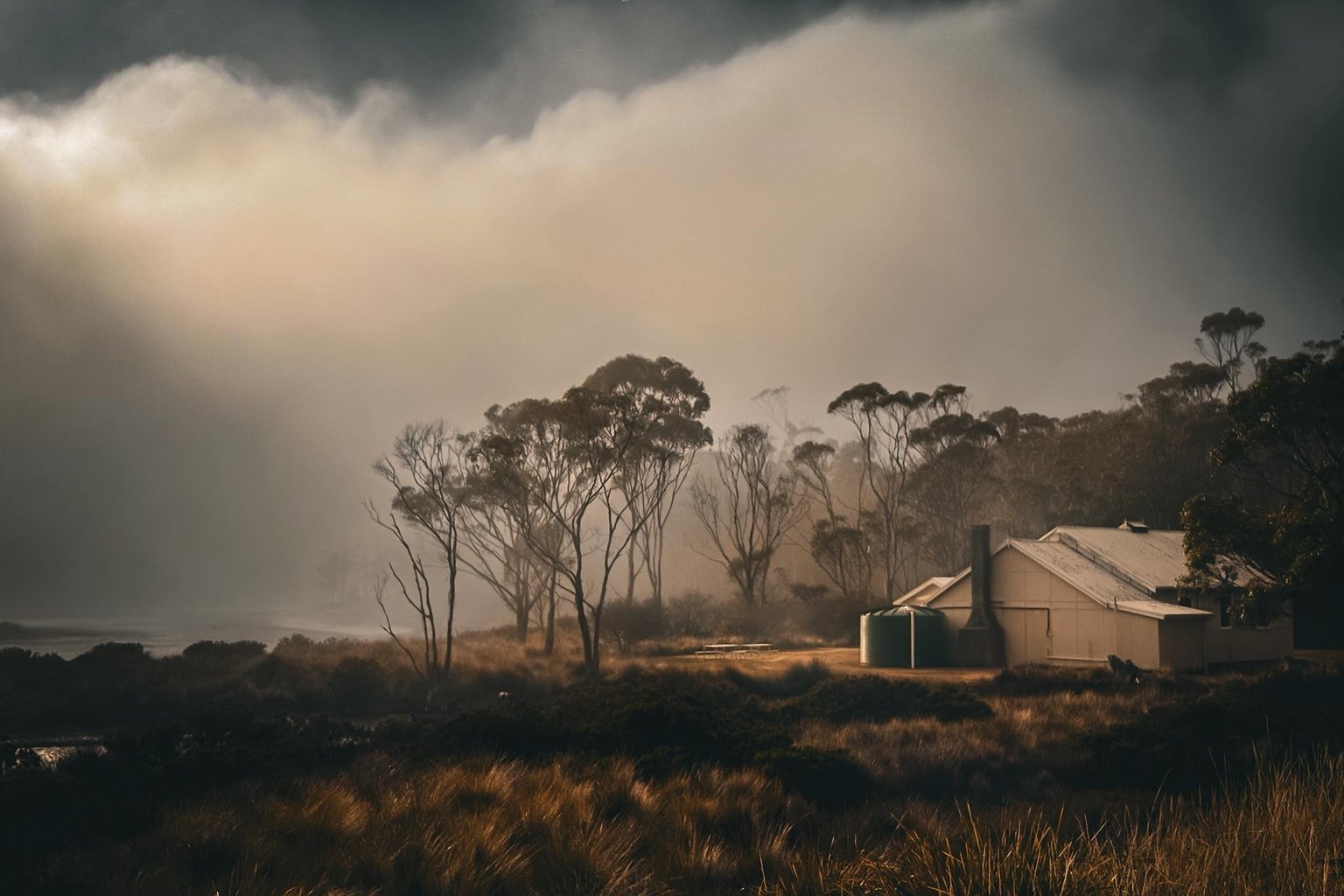
“It takes quite a long time for the ocean to cool down, much longer than it does for the land.”
That warmth pushes moisture into the atmosphere during the day, and when temperatures drop overnight, the moisture condenses into tiny fog droplets.
Hines compared the process to beads of water forming on a cold drink left outside on a hot day.
The fog formed along the Derwent River Valley and spread several kilometres on either side of the river, rolling downstream through Hobart.
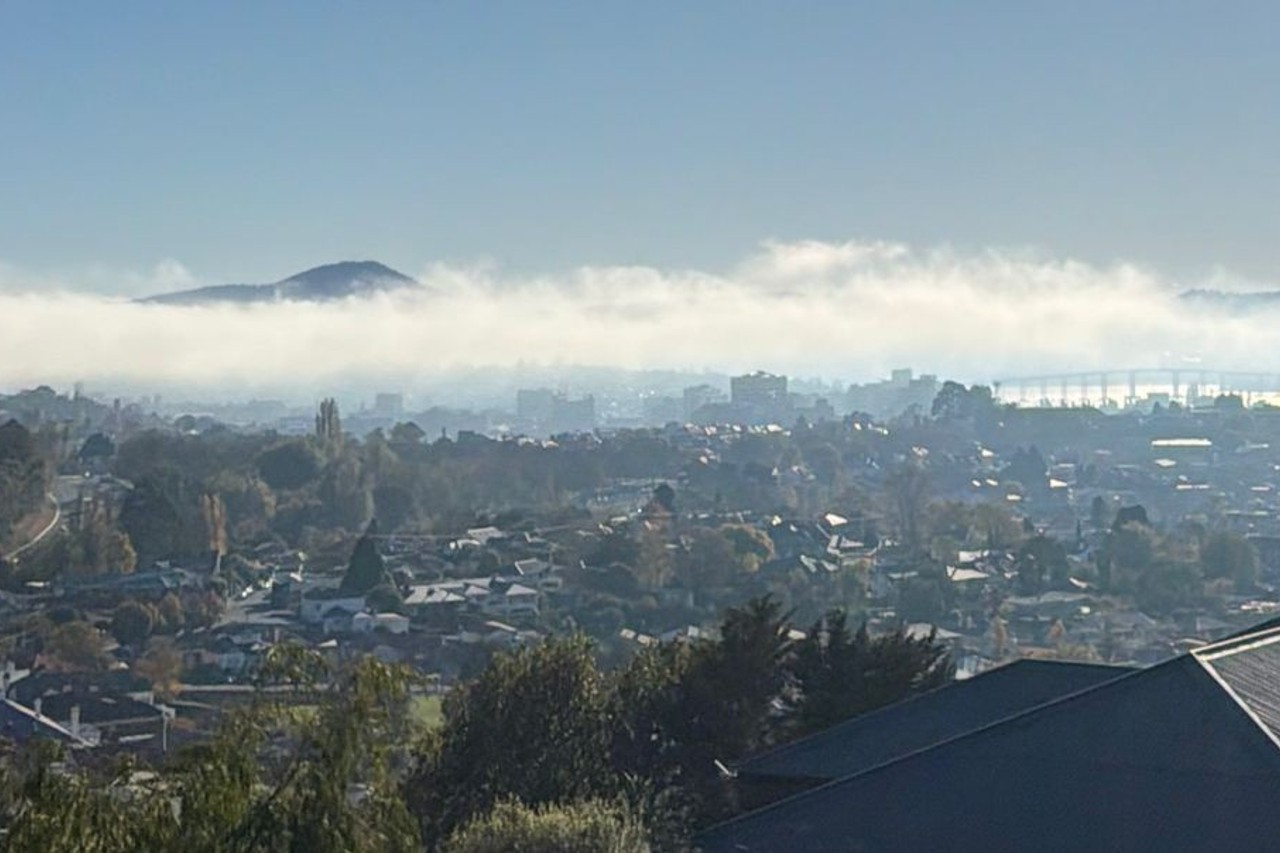
It was still visible across the river around 10am before clearing later in the morning.
Inland areas closer to the central plateau were still cloaked in fog well after Hobart had cleared.
Looking ahead, Hines said the worst of the fog was likely over for now.
The high-pressure system responsible for the calm conditions is drifting east towards New Zealand, bringing a return of northerly winds and more cloud cover over coming nights.
Rain is also expected on Sunday.
“I would say tonight and sort of overnight into tomorrow morning, probably will get some areas of fog around, particularly inland parts of Tasmania, but after that, maybe looking less likely,” he said.