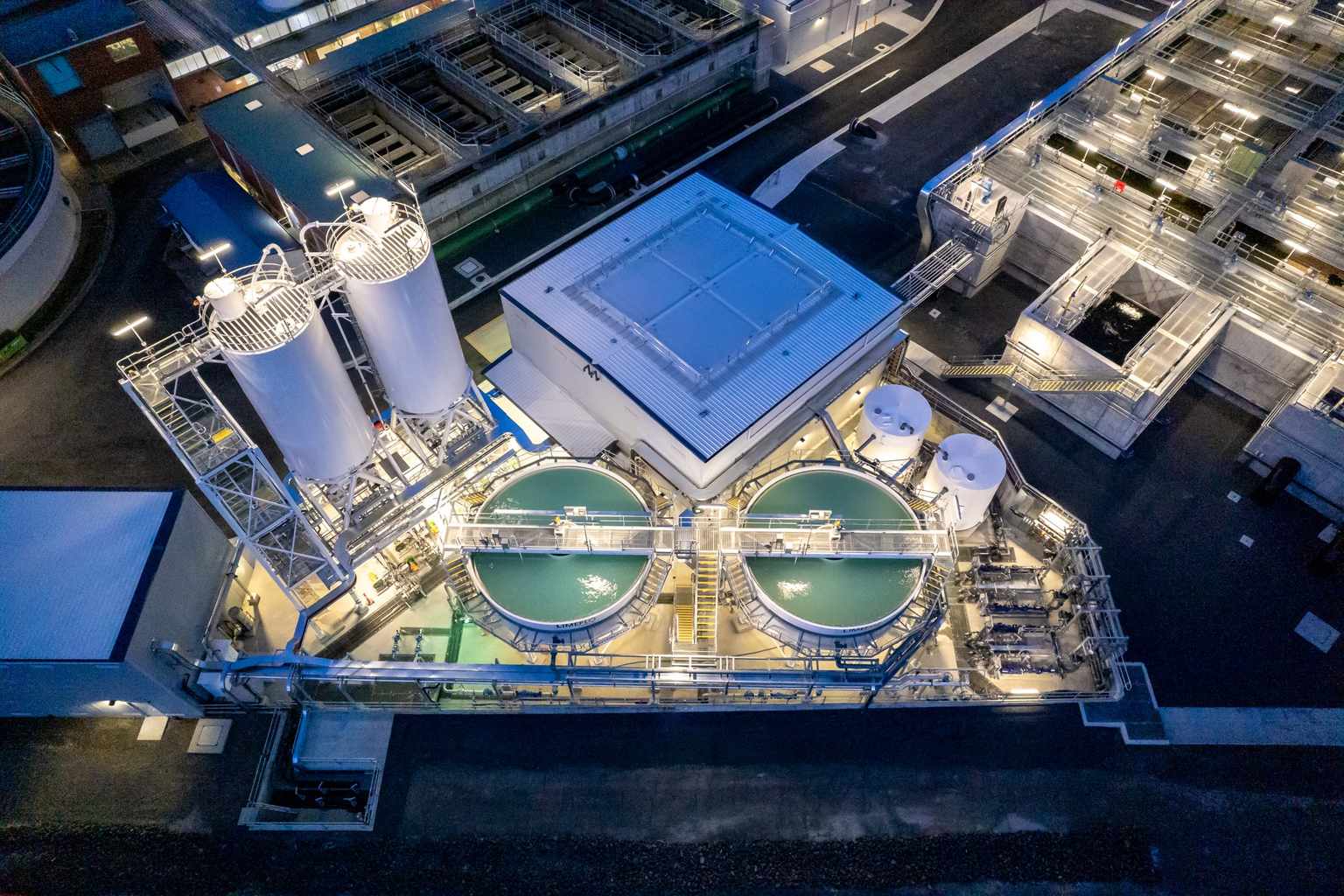
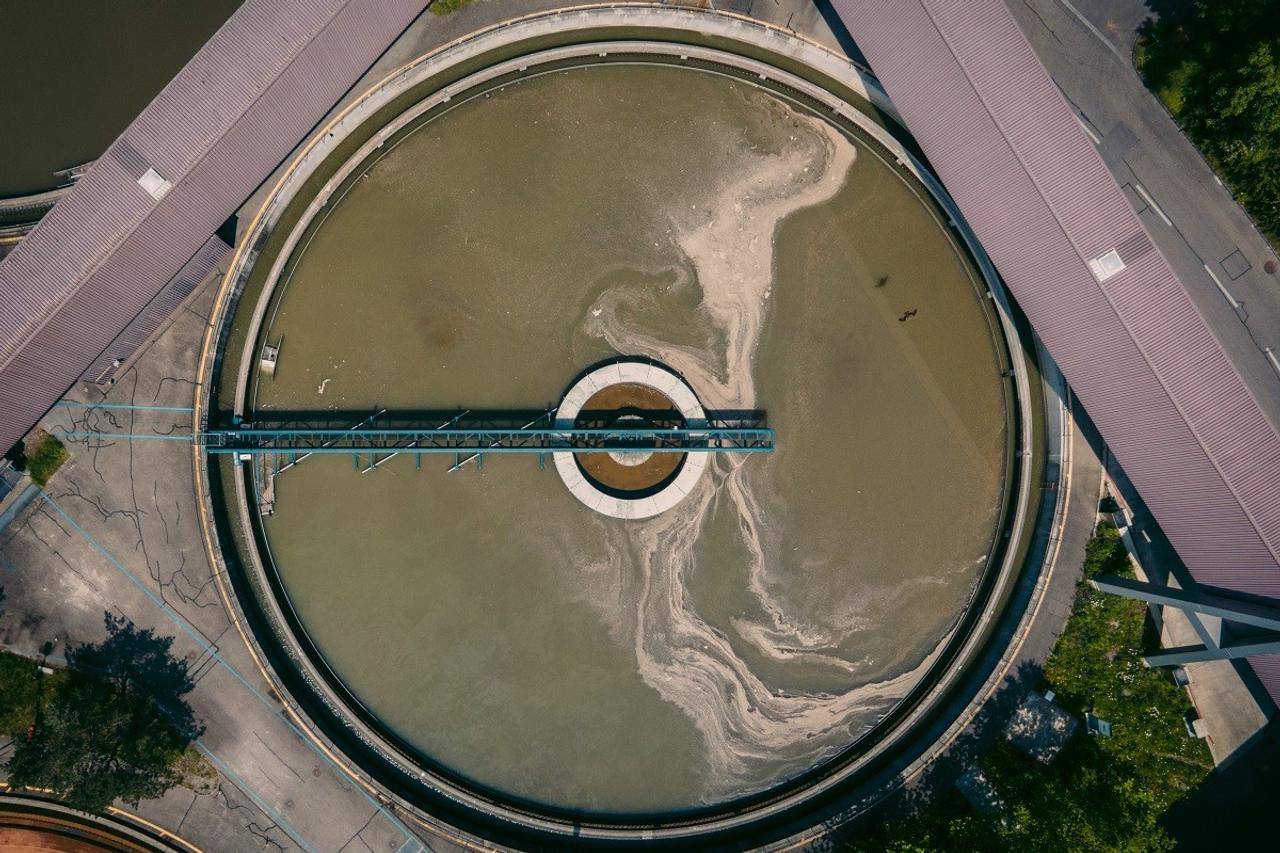
TasWater is planning to reduce the on-site presence of operators at water and sewerage treatment plants, shifting more monitoring to remote systems and automation.
The utility says the change will trim costs without affecting safety or reliability.
The plan has drawn concern from the union representing workers, and questions in state parliament about government oversight.
The Communications, Electrical and Plumbing Union (CEPU) said workers had not been shown how the new arrangements will meet legal, public health and environmental obligations.
CEPU state organiser Amanda Coleman said treatment plants were not ordinary workplaces given their role in protecting the community.
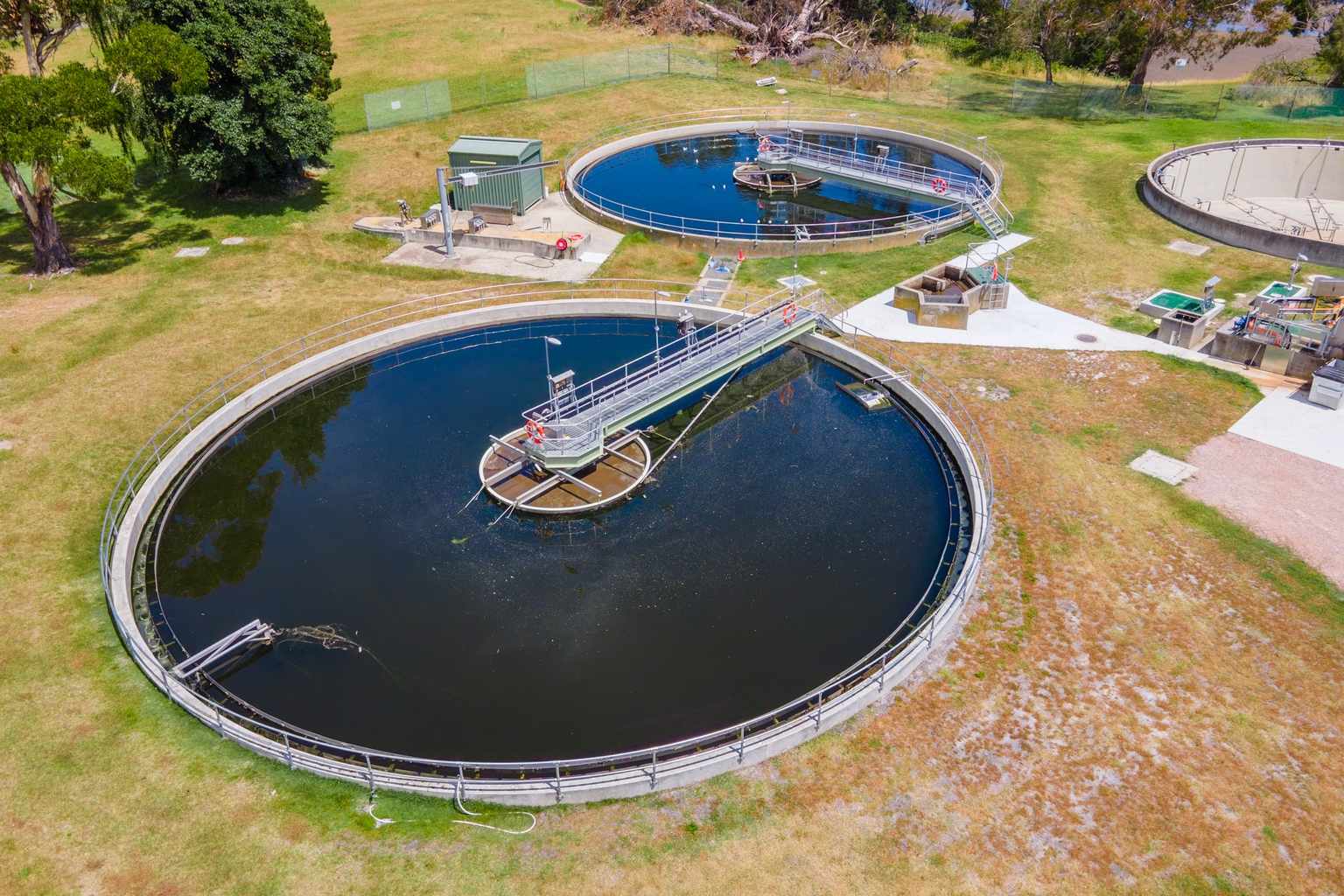
She pointed to fluoride dosing in drinking water and chlorine dosing in treated wastewater as areas where accuracy mattered.
“TasWater needs to come clean,” Coleman said.
She said the union wanted clear evidence of compliance before physical attendance was reduced.
TasWater general manager of operations Brendan Windmeyer said the company had identified work that was no longer required, allowing it to cut costs while keeping services reliable.
“TasWater will never compromise on safety. Protecting public health and the environment is our top priority,” Windmeyer said.
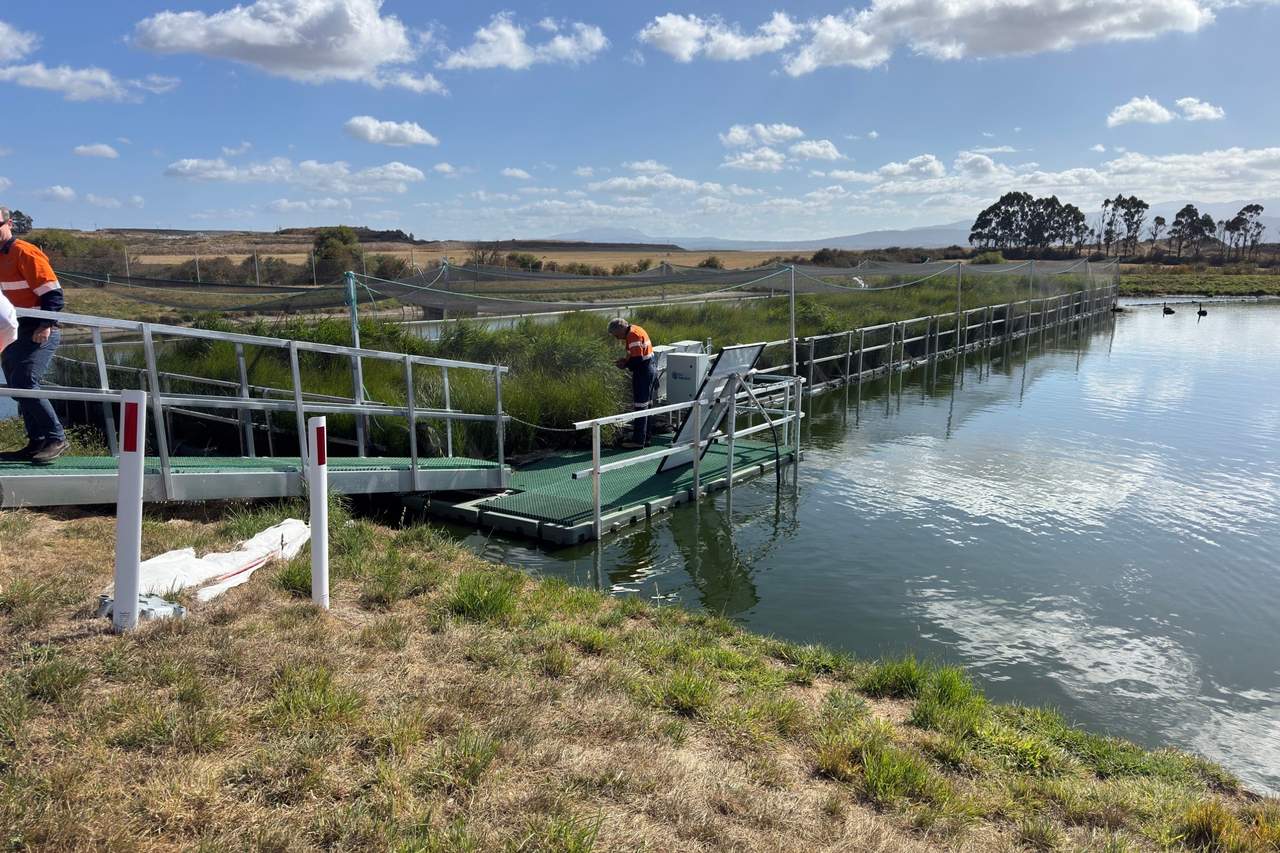
He said the utility had strict systems for managing water quality, with ongoing monitoring and clear oversight.
Windmeyer said TasWater carried out around 250,000 drinking water tests each year – one every two minutes – with no changes planned.
“We’re looking at where we can safely stop work that isn’t needed, so our people can focus on the activities that matter most for delivering reliable, high-quality water services,” he said.
He said more than 1,000 assets across the network, from treatment plants to pump stations, were monitored around the clock by TasWater’s operations centre.
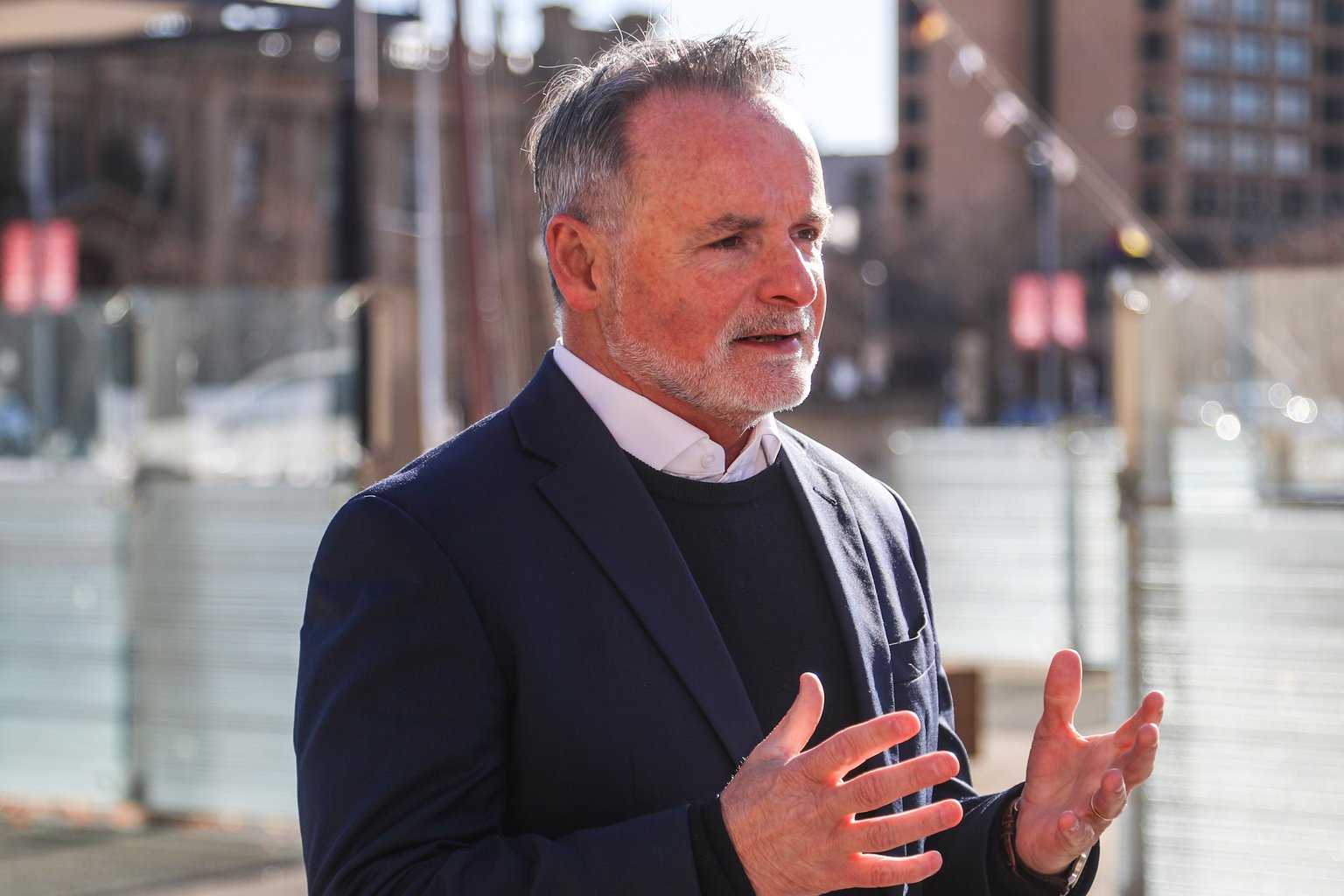
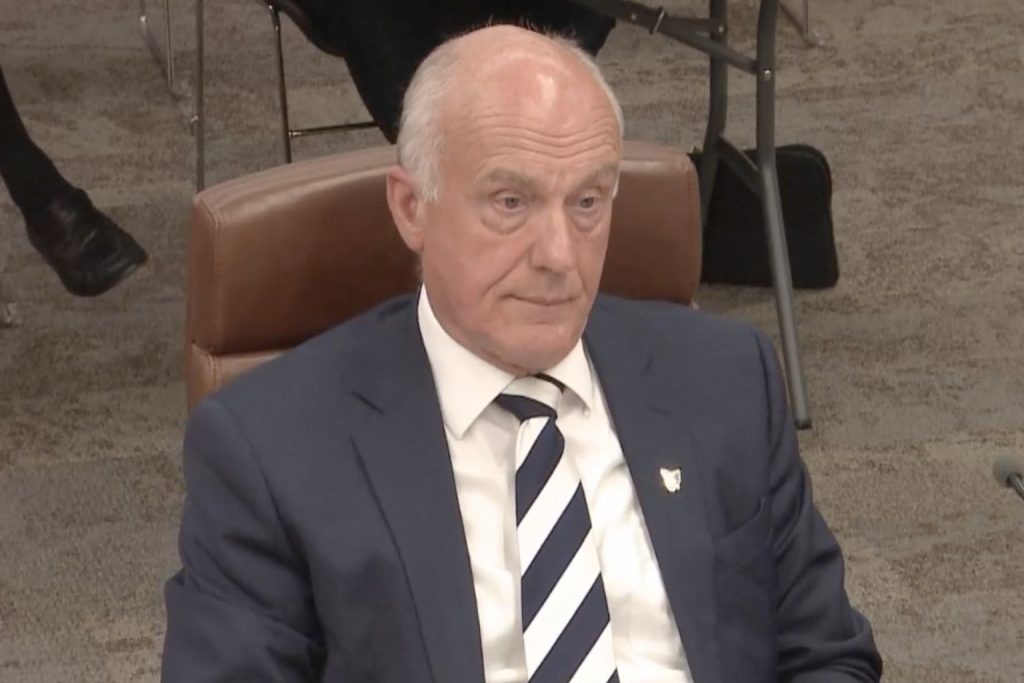
The issue was raised in parliament on Thursday, when independent Franklin MP David O’Byrne asked Treasurer Eric Abetz what he knew about the plan.
Abetz said he had not been briefed on the detail.
He said it was reasonable for TasWater to explore remote operations if they delivered savings, but he would seek more information about how the utility would meet its obligations.
The Tasmanian government owns 10% of TasWater, with local councils holding the remaining 90%.
Abetz said he would check whether a briefing had reached him, but believed such operational decisions generally sat with management.
O’Byrne said the exchange raised broader questions about government oversight of its business enterprises.
“As with other GBEs, we have seen the poor outcomes visited on Tasmania when the state government does not maintain adequate oversight,” he said.