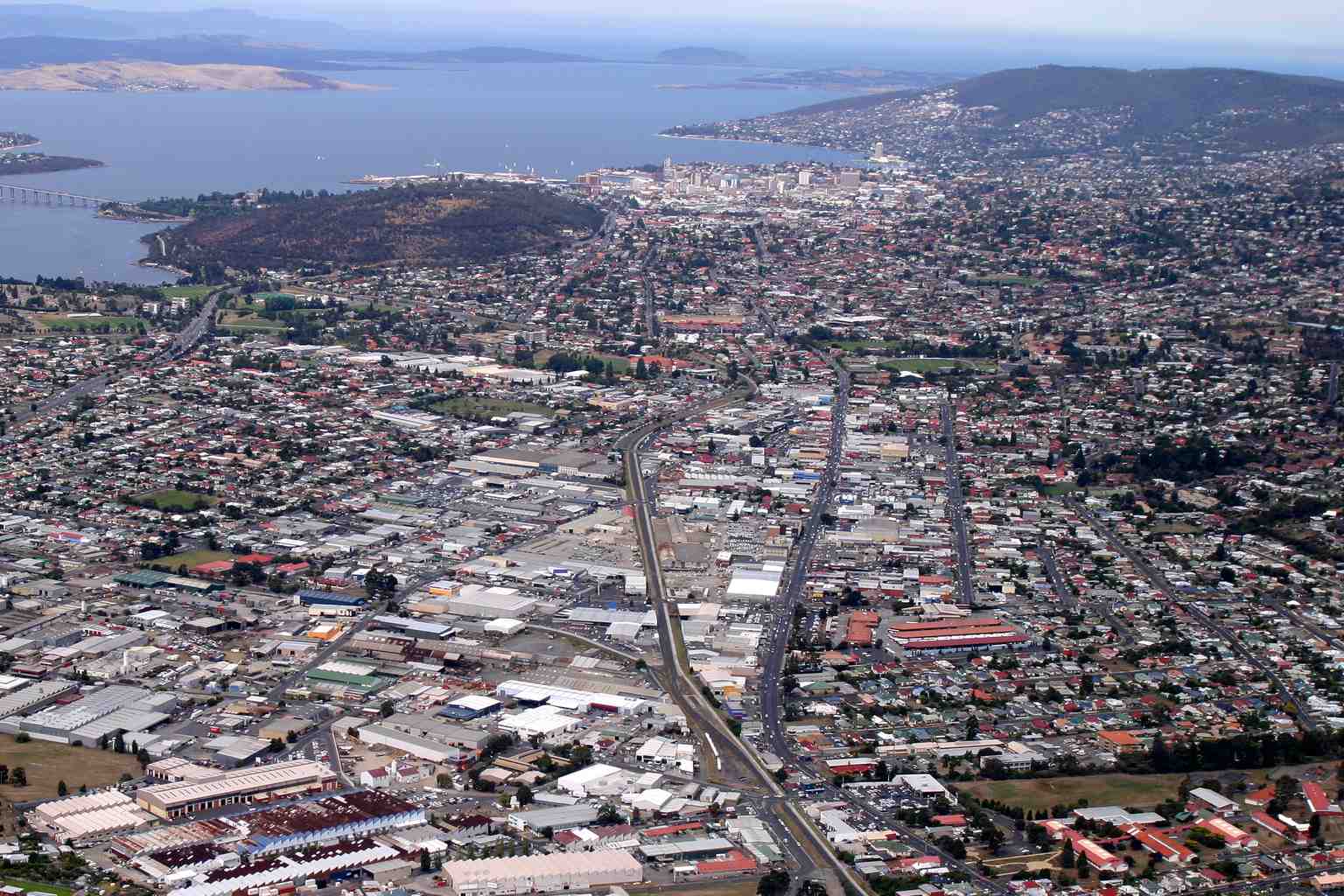
Glenorchy councillors will be asked on Monday to formally note an $860 million plan to build a rapid bus network across greater Hobart, with the northern corridor through Glenorchy proposed as the first stage.
A strategic business case on the planned network will go before the council at its meeting on April 27.
The business case recommends a three-corridor network linking Hobart to Glenorchy, Kingston and the eastern shore, delivered in stages over more than a decade.
A document published by the Department of State Growth in February says the northern corridor would be built first by 2032 at a cost of $315 million.
This would be followed by the south in 2034 at $212 million and east in 2036 at $313 million. A further $20 million is allocated to the central Hobart link.
The state government is seeking funding from the federal government to deliver the project, the document says.
The committed $40.5 million in federal government funding so far covers planning and initial design only.
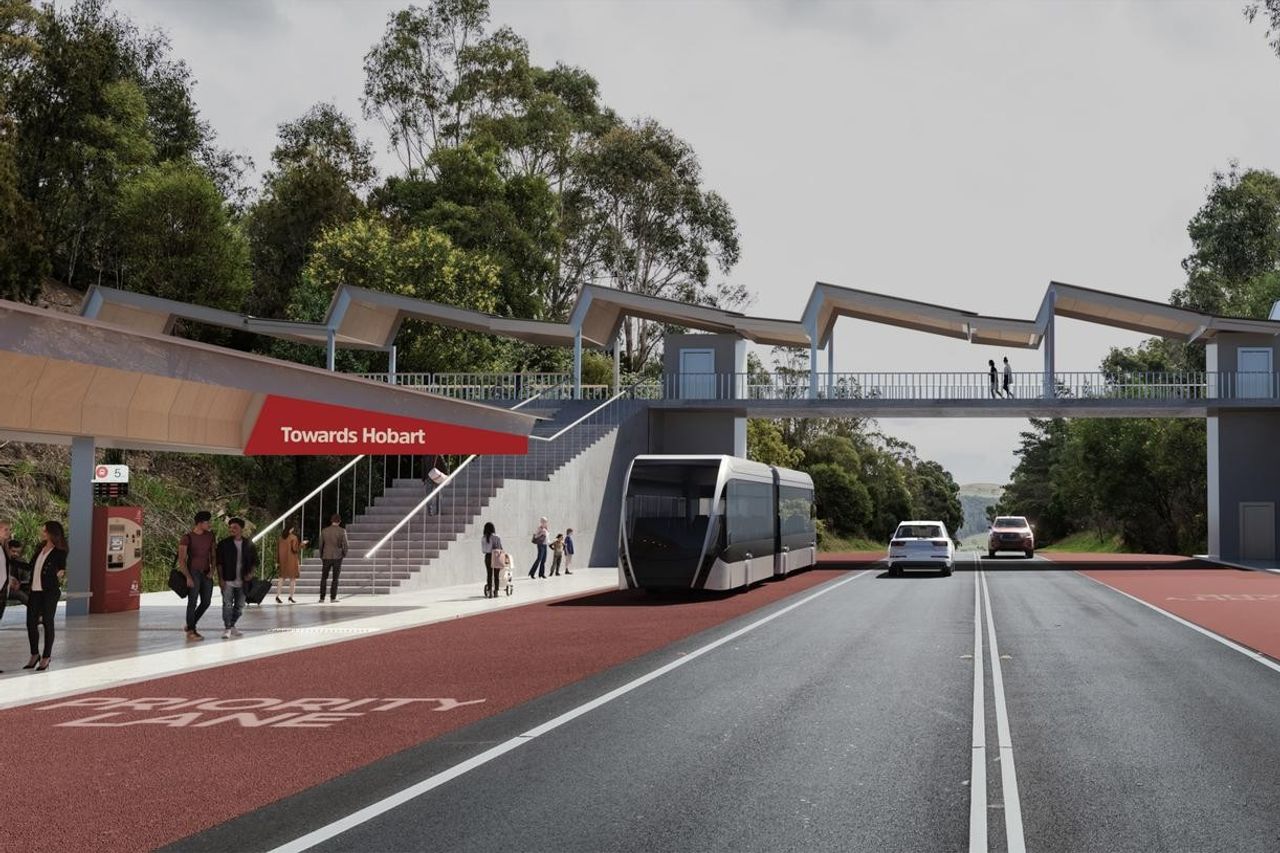
The document says the network would include a dedicated busway on the northern corridor, transit lanes on the Southern Outlet and Tasman Highway, around 30 modern stations and an electric zero-emissions fleet.
The business case considered light rail on the northern suburbs transit corridor but ruled it out.
It found rail-based options “would cost significantly more and serve fewer people because they would only operate in the northern corridor”.
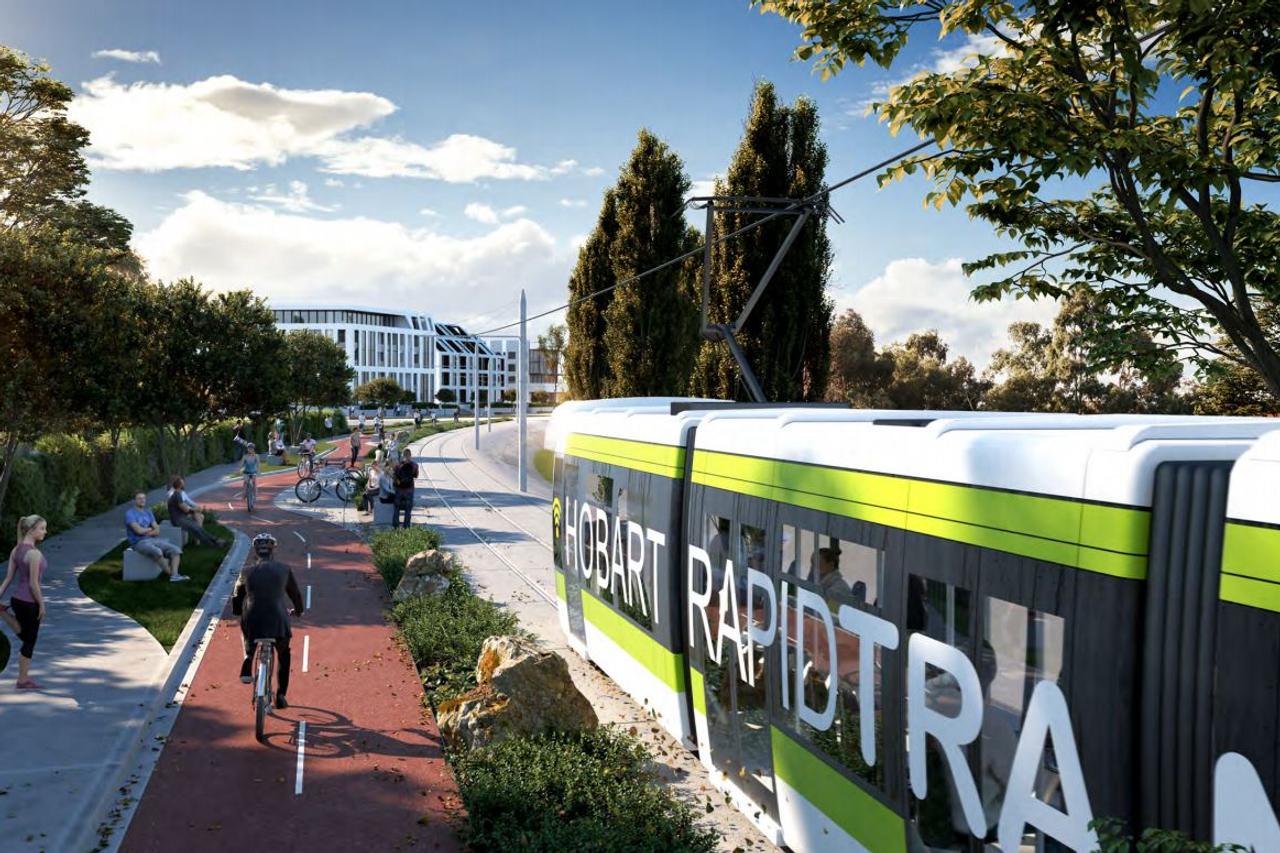
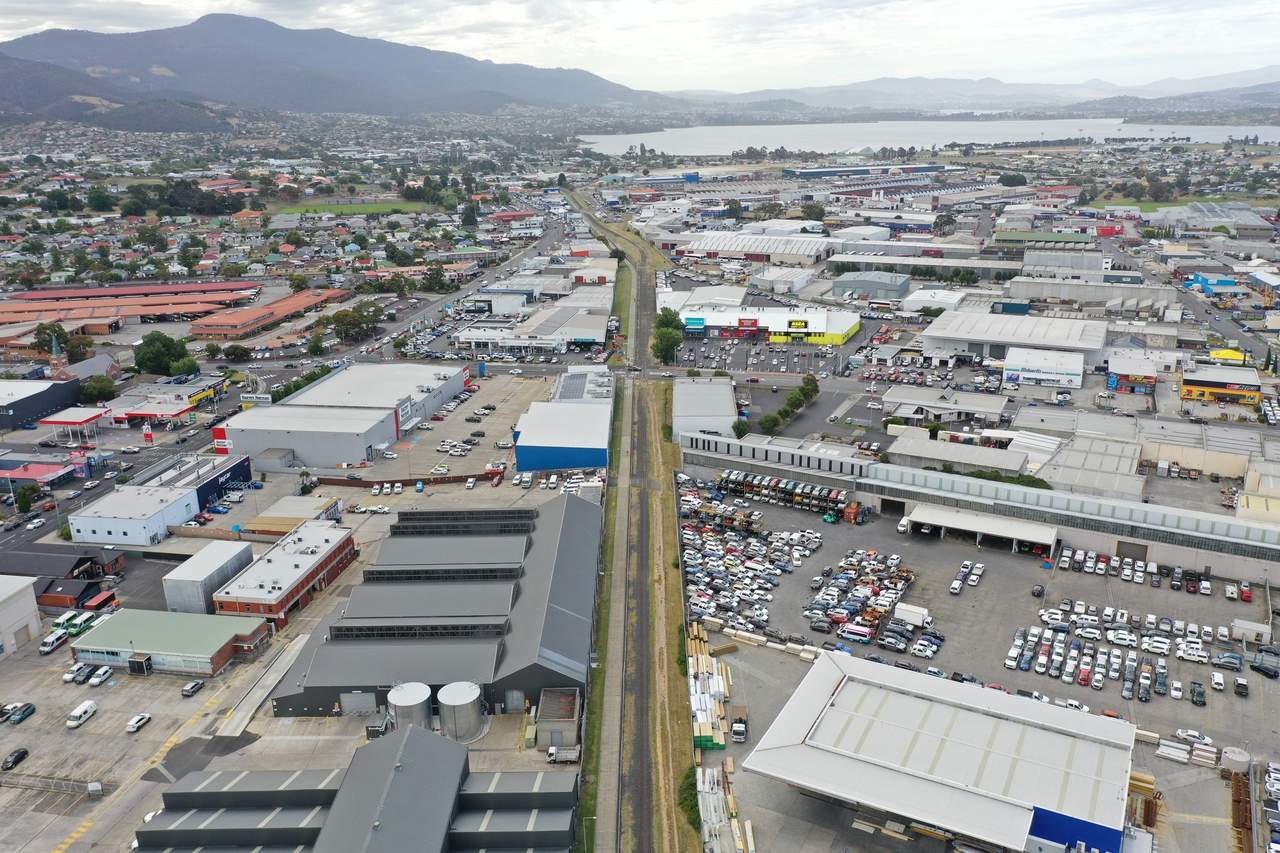
The Department of State Growth document says a 2021 engineering report found the existing northern suburbs rail track was not suitable for modern public transport, with tight curves likely to restrict light rail to 45km/h.
Council CEO Emilio Reale’s report says the plan is “significant” for Glenorchy because it directly links the Glenorchy and Hobart CBDs and is positioned as a driver of urban renewal.
Council officers are recommending councillors receive and note the business case rather than endorse it.
Reale’s report says the council has already done early work identifying 105 hectares of land between Glenorchy and Moonah zoned for medium-density infill, with another 50 hectares flagged as “opportunity precincts”.
But the business case warns its “city-shaping” benefits depend on planning scheme changes happening alongside construction.
“If land use change does not occur, benefits reduce and the project’s value proposition weakens,” Reale’s report says.
The business case found no option assessed had a benefit-cost ratio above 1.0, meaning costs outweigh measurable benefits across the board.
Reale is being asked to keep engaging with the Department of State Growth and bring a further report back before any commitments are made.