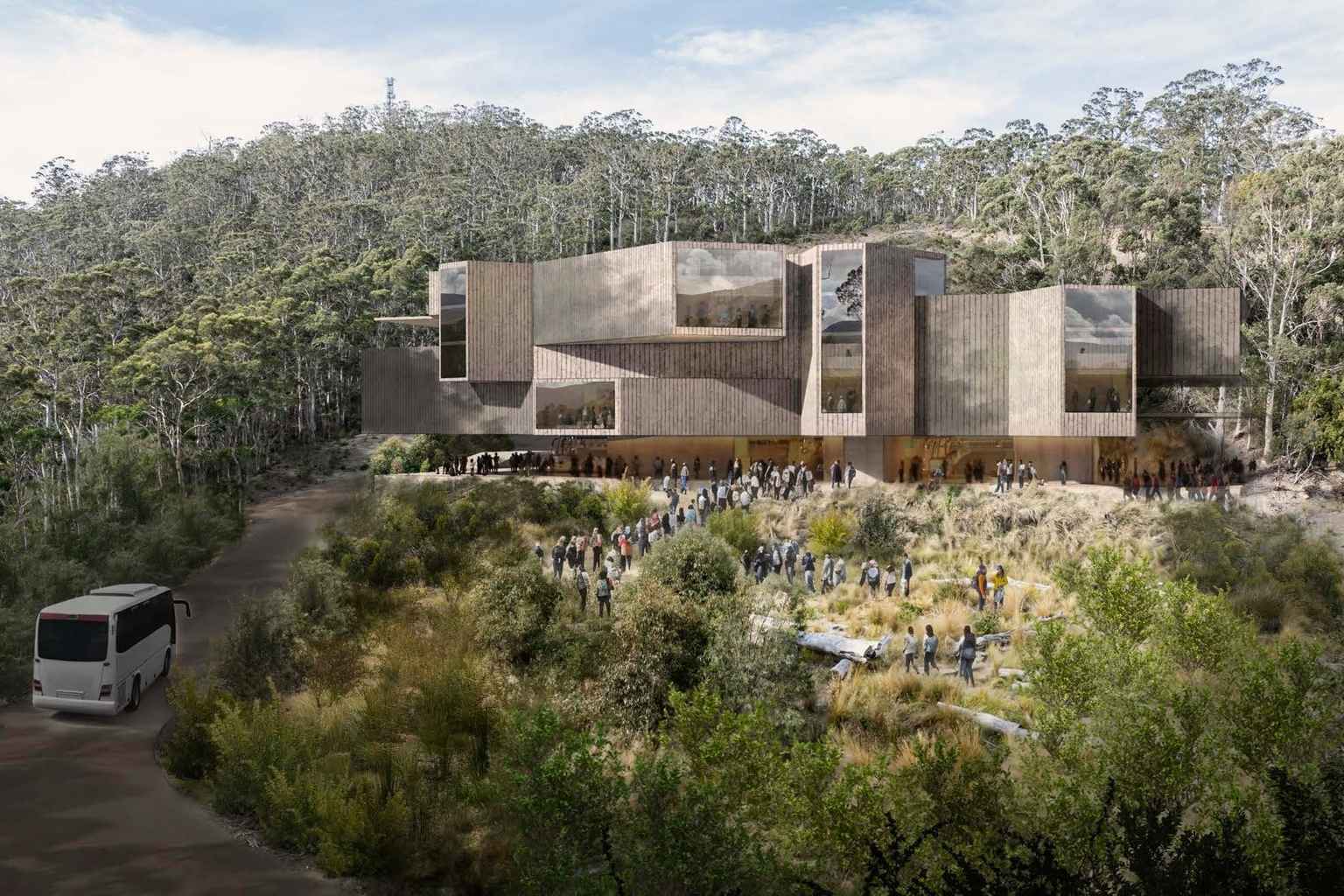
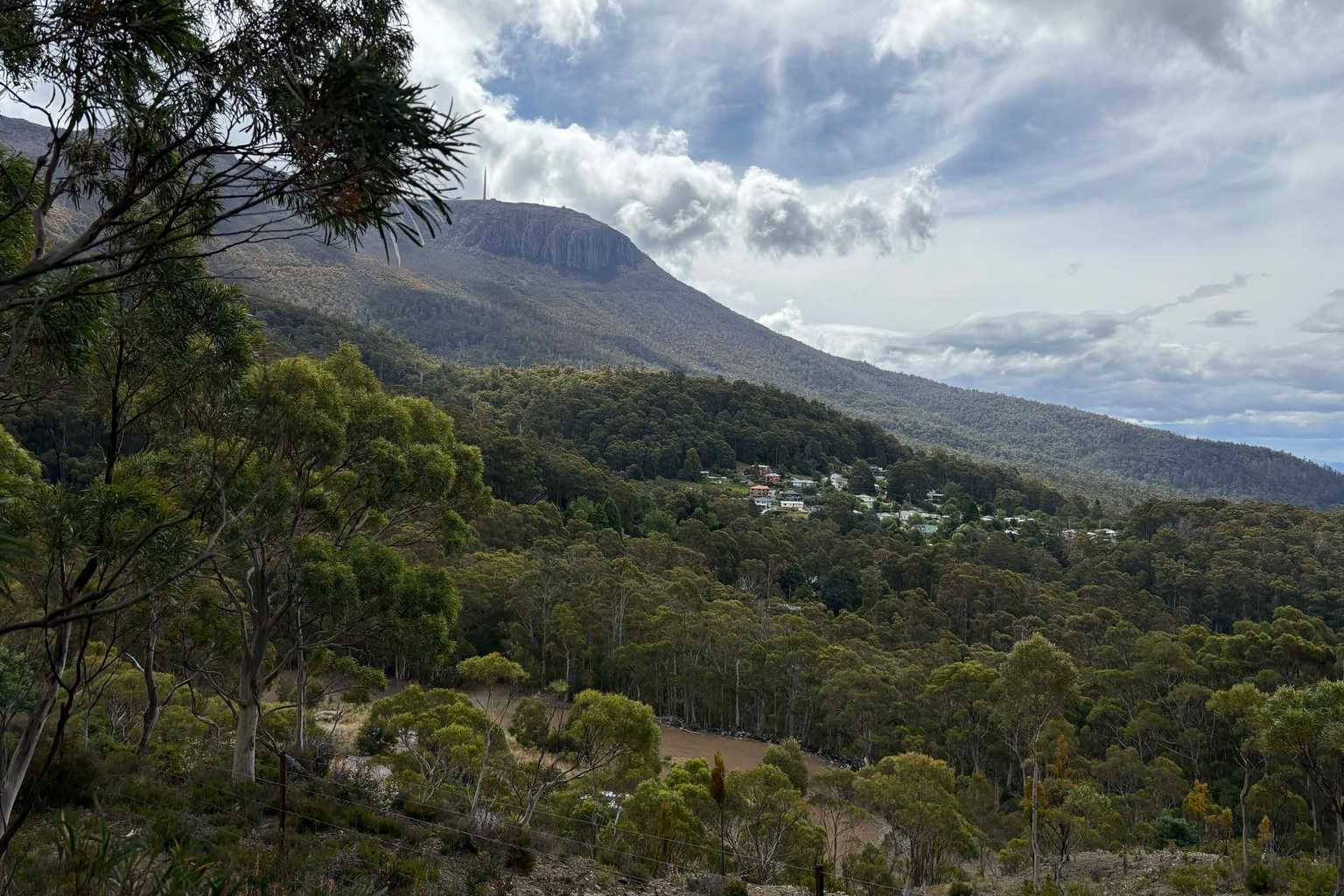
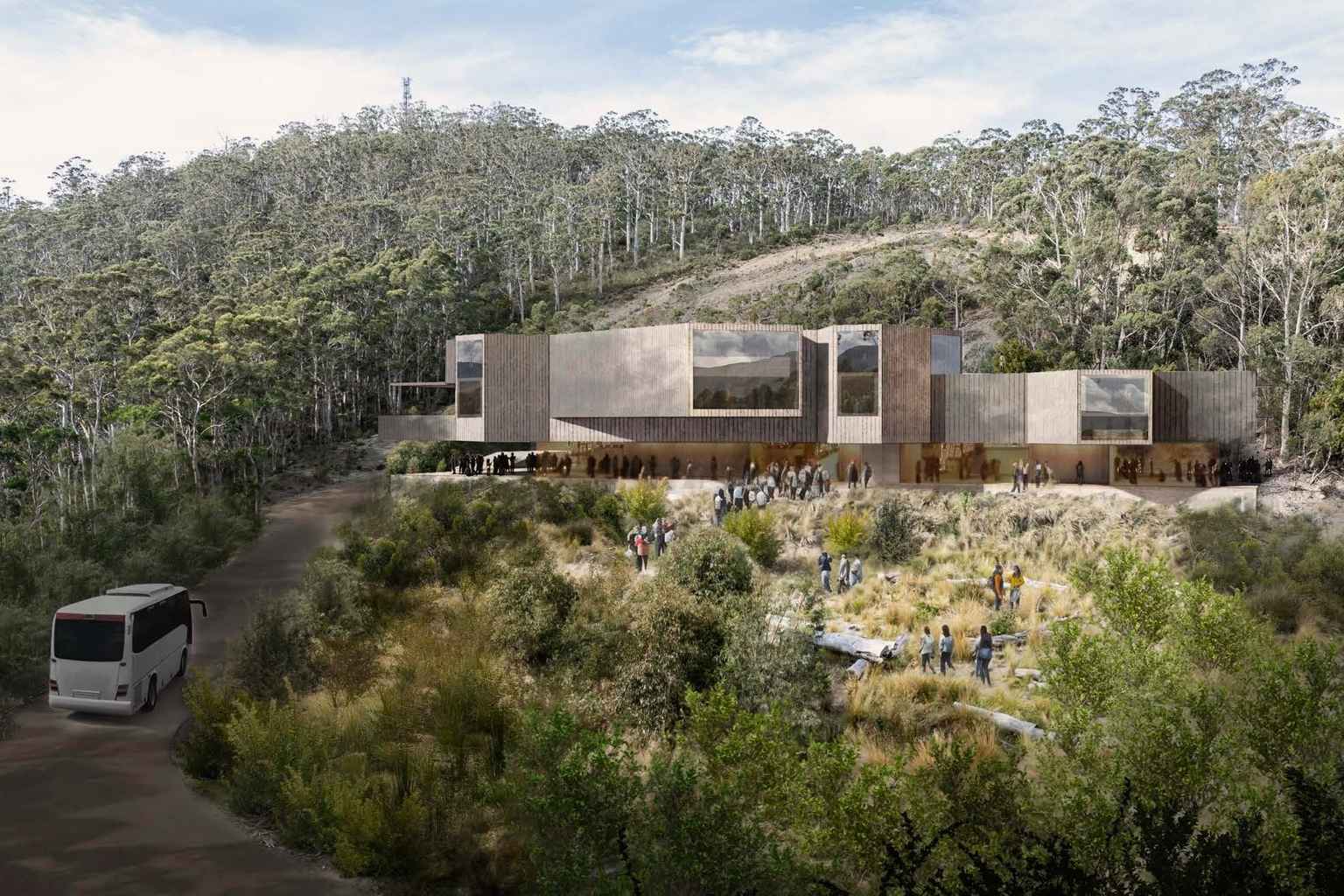
Hobart councillors have backed a master plan for a multi-million dollar visitor hub at the base of kunanyi/Mt Wellington, but are yet to decide how big it should be.
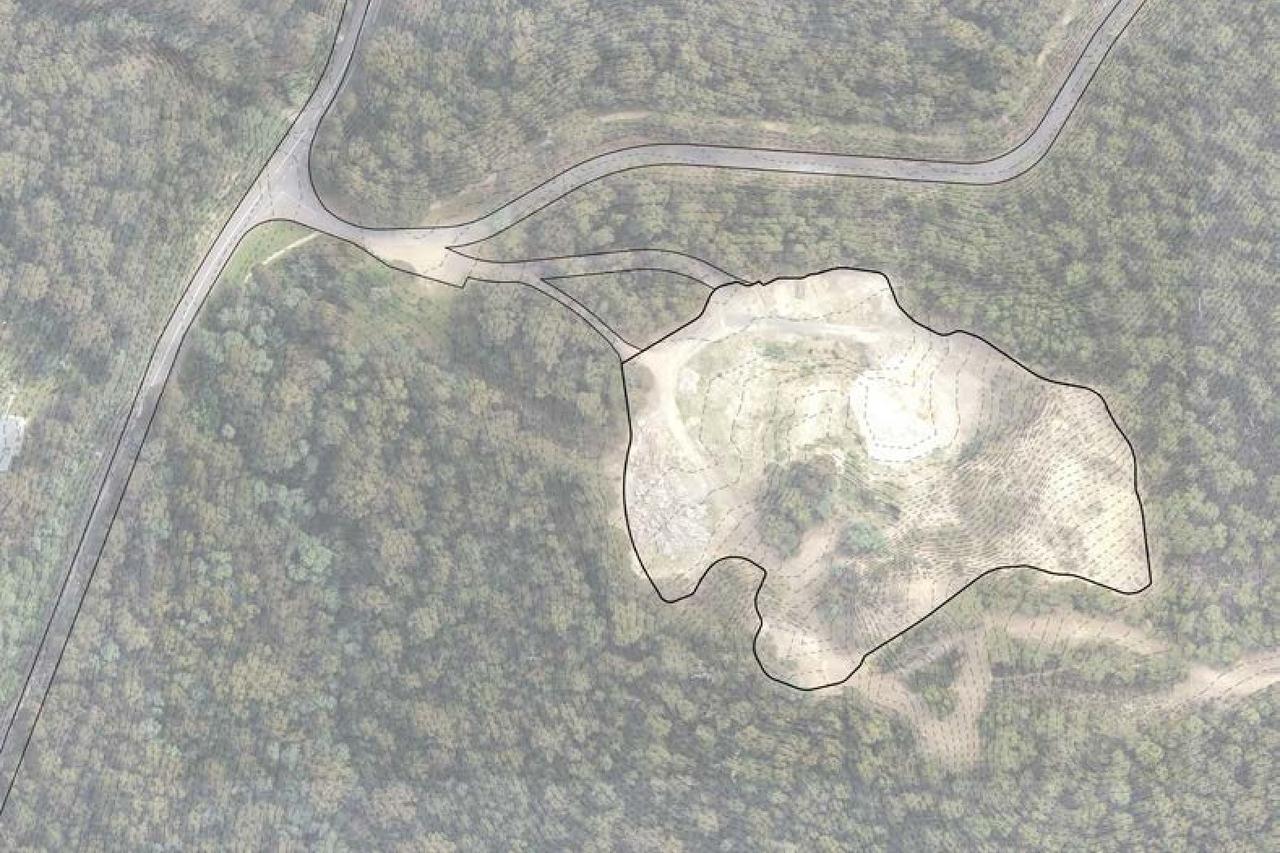
The City of Hobart voted 9-3 on Monday to receive and note the plan for the hub at Halls Saddle, a disused council-owned quarry near Fern Tree.
Under the plan, visitors would park at the saddle and catch a shuttle bus to the summit, instead of driving up Pinnacle Road.
Terroir Architects drew up four designs, ranging from $15.33 million to $34.83 million.
The firm recommended a three-level car park with 212 spaces, costing $23.45 million.
Councillors Ben Lohberger, Bill Harvey and Ryan Posselt backed the biggest and most expensive option – a five-level, 408-space design costing $34.83 million.
Lohberger moved the motion. He thanked those who “pushed to rejuvenate this proposal after many years of it being sidelined by the cable car”.
“This really is the answer for the mountain or is a big part of the answer for the mountain and I’m so pleased that it’s progressing quickly,” Lohberger said.
Harvey said funding would be the big test.
“The funding will be the issue down the track, but if we’re ready to roll and we’ve got state support, that’ll help us get federal government support,” he said.
Posselt said it was easier to scale a building down after community consultation than to make it bigger.
The council has not chosen between the two designs yet.
Officers will instead prepare a discussion paper on future vehicle access to the Pinnacle, which will steer whether the smaller or larger hub is built.
Alderman Marti Zucco warned the council was getting ahead of itself, saying two key partners had not signed on.
He said the Wellington Park Management Trust and the state government still needed to commit.
“I actually love the concept, but the state government and the trust might turn around and say, ‘no, we don’t want that’,” he said.
Zucco unsuccessfully moved an amendment to formally write to both partners and ask them to work with the council.
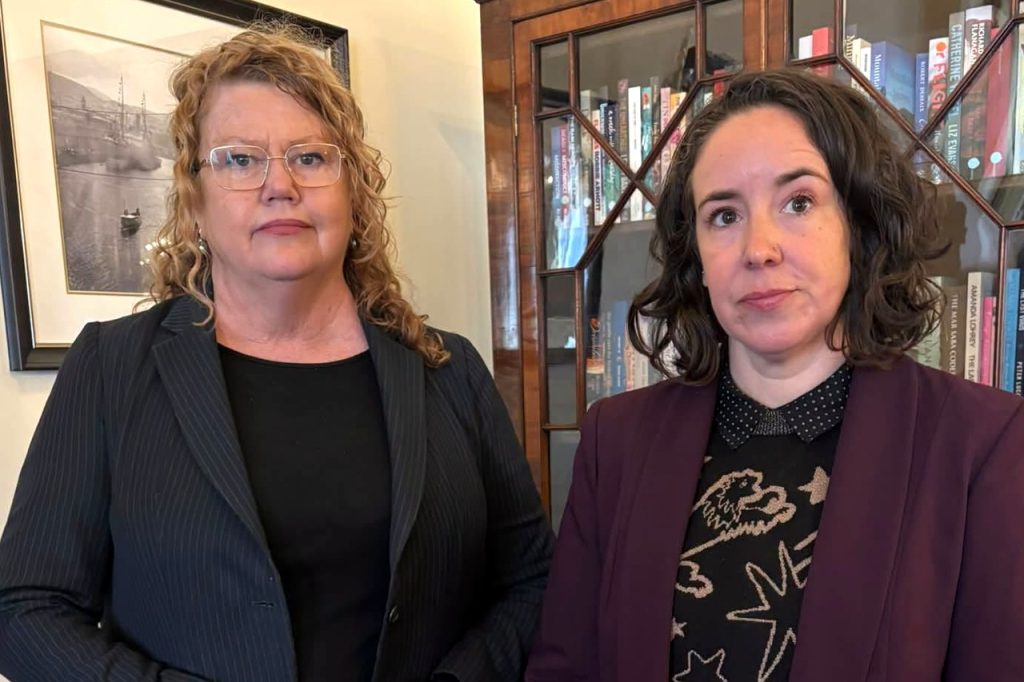
Lord Mayor Anna Reynolds said the council had received “lots of letters of support” from state and federal MPs to land a $3.2 million federal grant for planning.
“That doesn’t mean that other parts of other levels of government may not still say, oh, we’ve got our pet project that they think is better than this,” she said.
“But I think there’s a huge amount of recognition that this is an under-utilised site, strategically located, that has such enormous potential to create something really special.”
The mountain is Tasmania’s most visited natural attraction, drawing about 583,000 people a year.
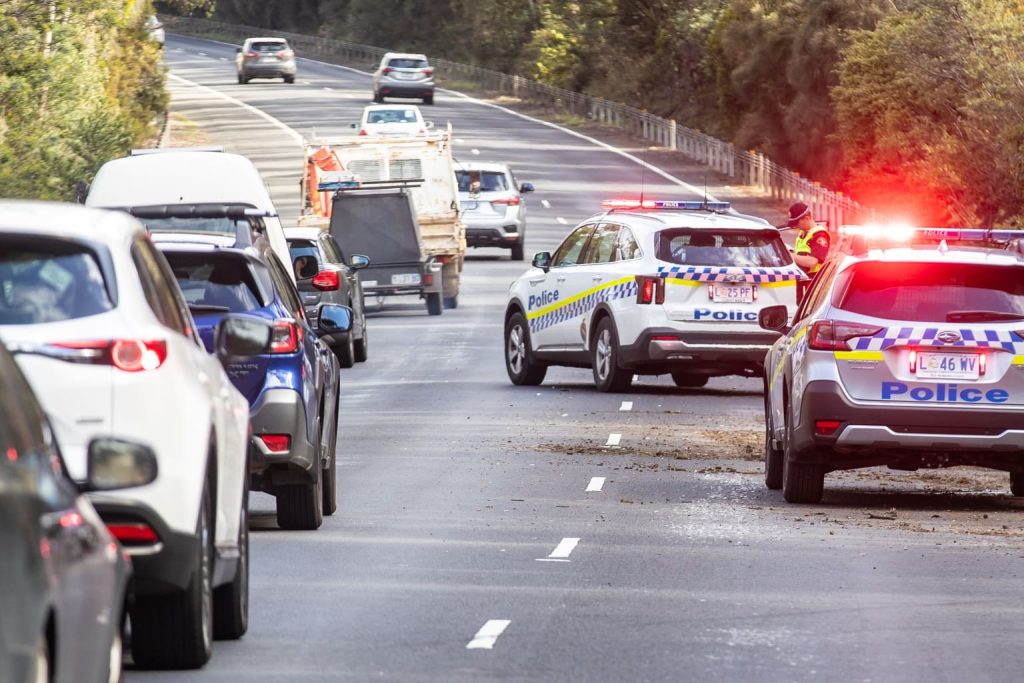
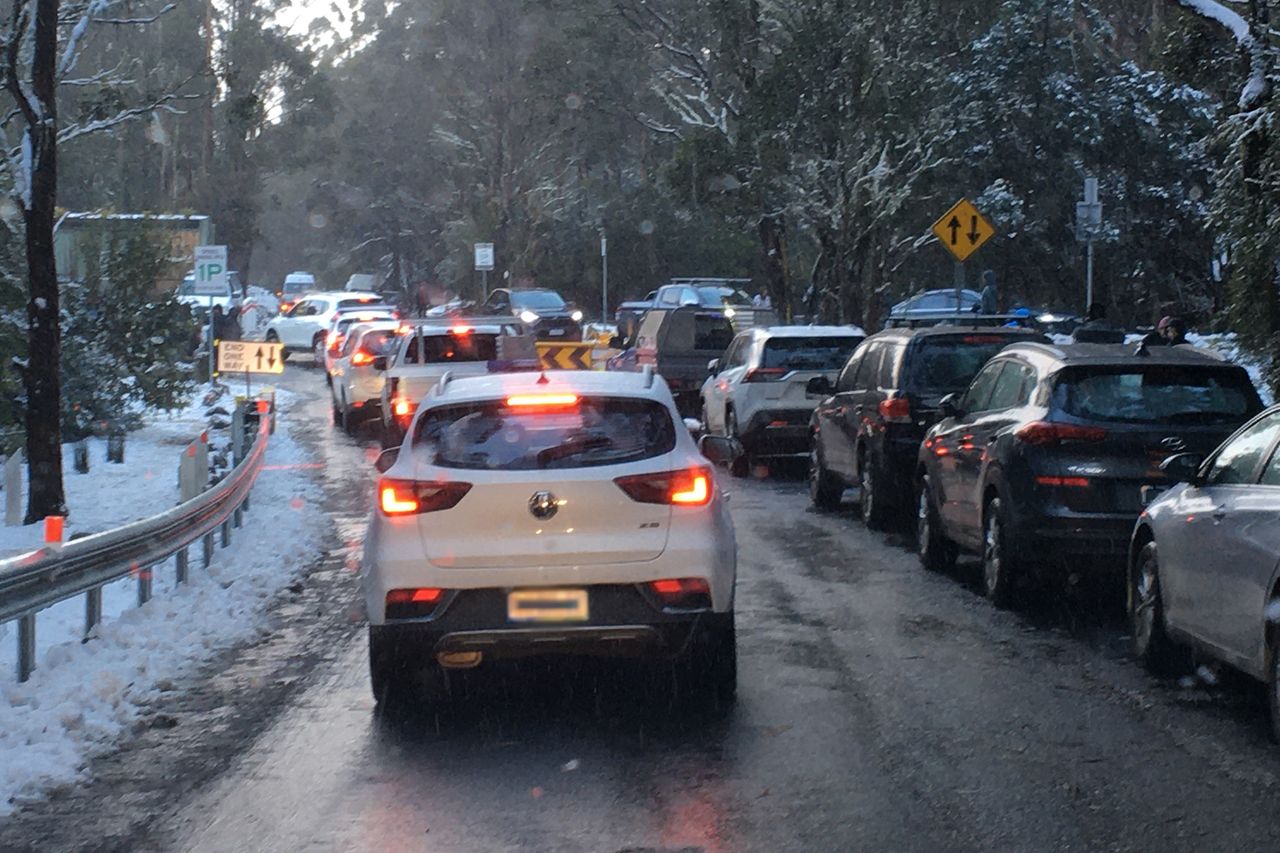
About 90% of visitors head to the Pinnacle, with most driving and causing congestion and safety problems on the narrow road.
The hub revives a long-running debate over mountain access and comes as the state government prepares to hand down a review of the mountain’s future.
A council spokesperson said the master plan was “not a final design, but the beginning of a broader conversation with the community about the site’s future”.