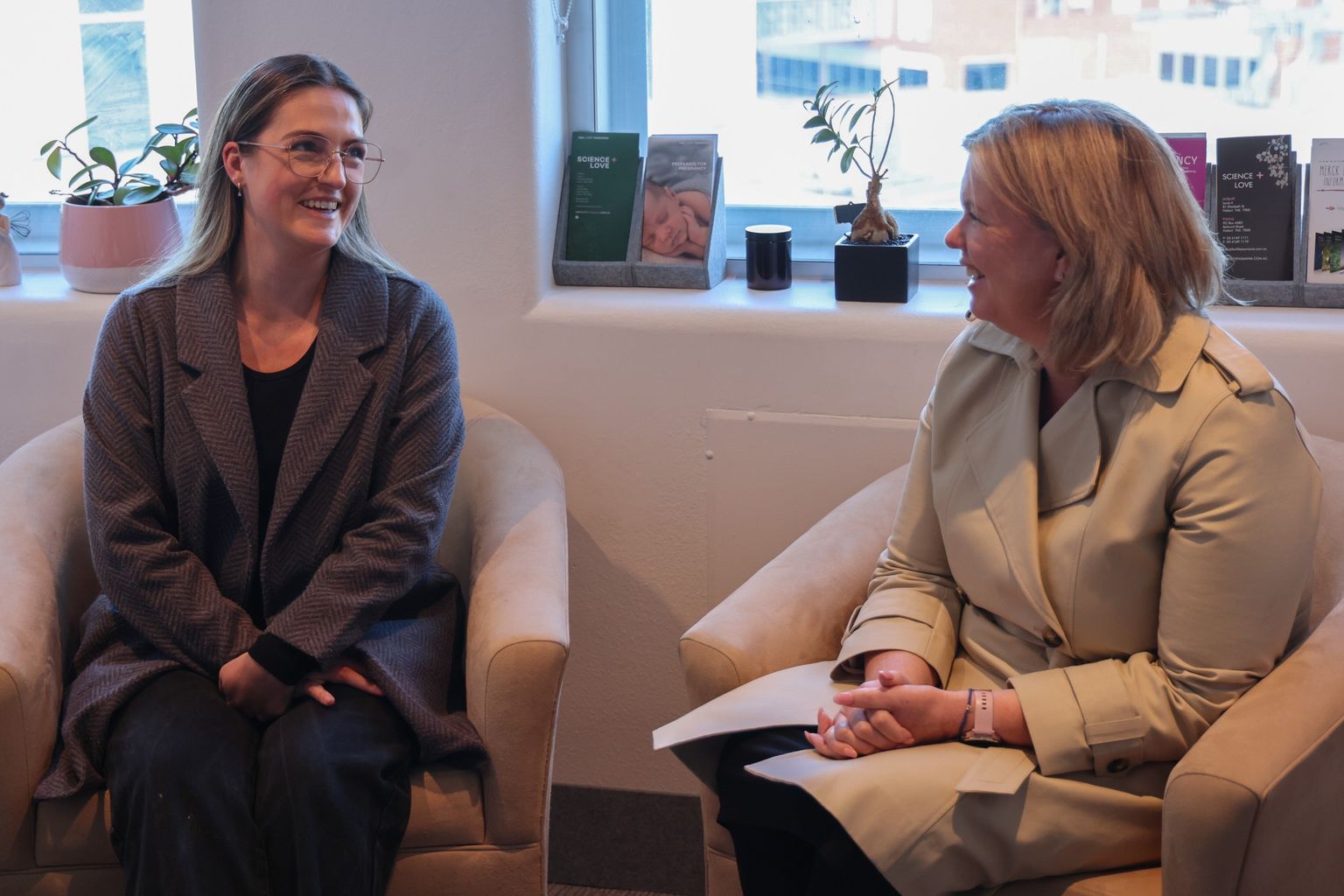
Tasmanian families undergoing IVF and other fertility treatments will be able to claim up to $2,000 in financial support from Wednesday, under a new state government program backed by $5 million over two years.
Health Minister Bridget Archer said the rebate was designed to ease the financial burden on families trying to have children.
“We know that going through IVF can be both a challenging emotional journey for Tasmanian families and we want them to feel supported as they go through that journey,” Archer said.
“It can also be a costly experience.”
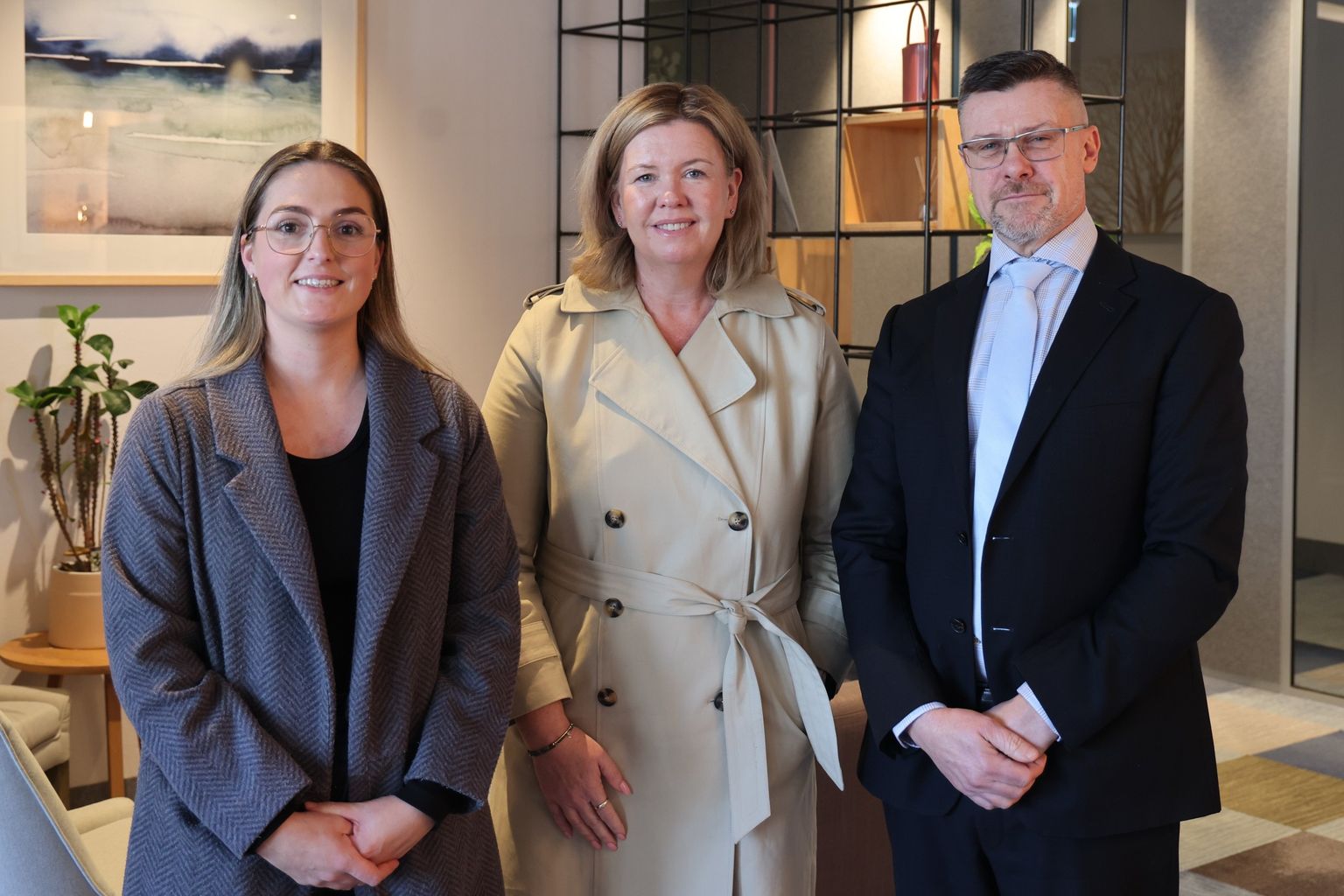
She said that while Medicare and private health insurance cover some costs, many families still face significant out-of-pocket expenses.
The rebate will be available to Tasmanians undergoing treatment at the state’s two fertility clinics, Fertility Tasmania and Tas IVF.
Patients can apply through the SmartyGrants portal or at a Service Tasmania office.
Fertility specialist Stephen Bradford from Fertility Tasmania said the average out-of-pocket cost for a single IVF cycle is around three to four thousand dollars, meaning the rebate could halve that burden.
He said Tasmania’s two clinics perform about six to seven hundred cycles a year but that number should probably be roughly double.
“Some people do go interstate,” Bradford said.
“Hopefully this will encourage some people to stay closer to home when they’re having treatment.”
“But obviously some people just don’t even start in the first place.”
He said some patients had likely delayed treatment in recent weeks to wait for the rebate to begin.
“The patients that are going through this treatment are under immense pressure emotionally, psychologically and financially,” he said.
“So anything that helps them get across the line would be fantastic.”
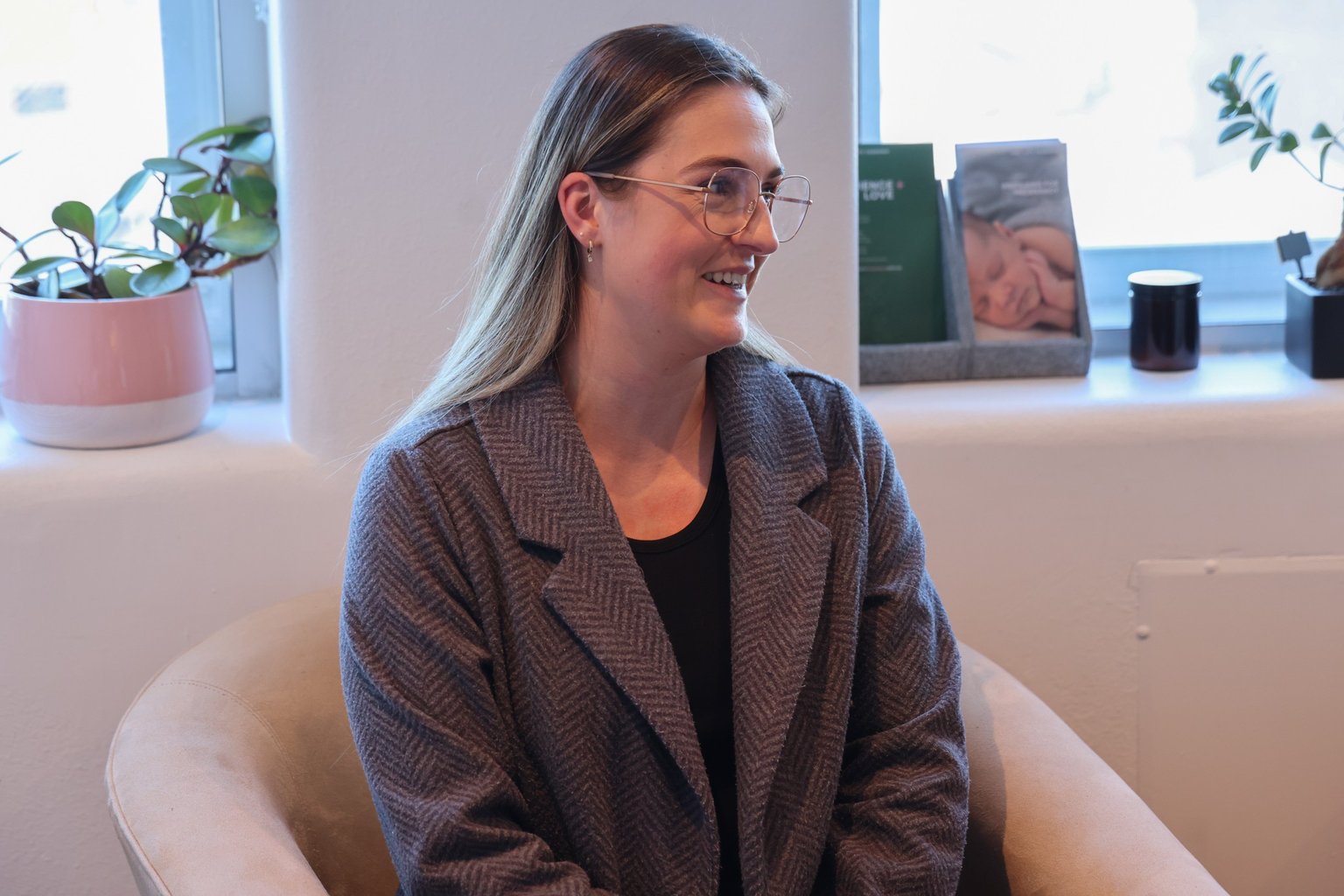
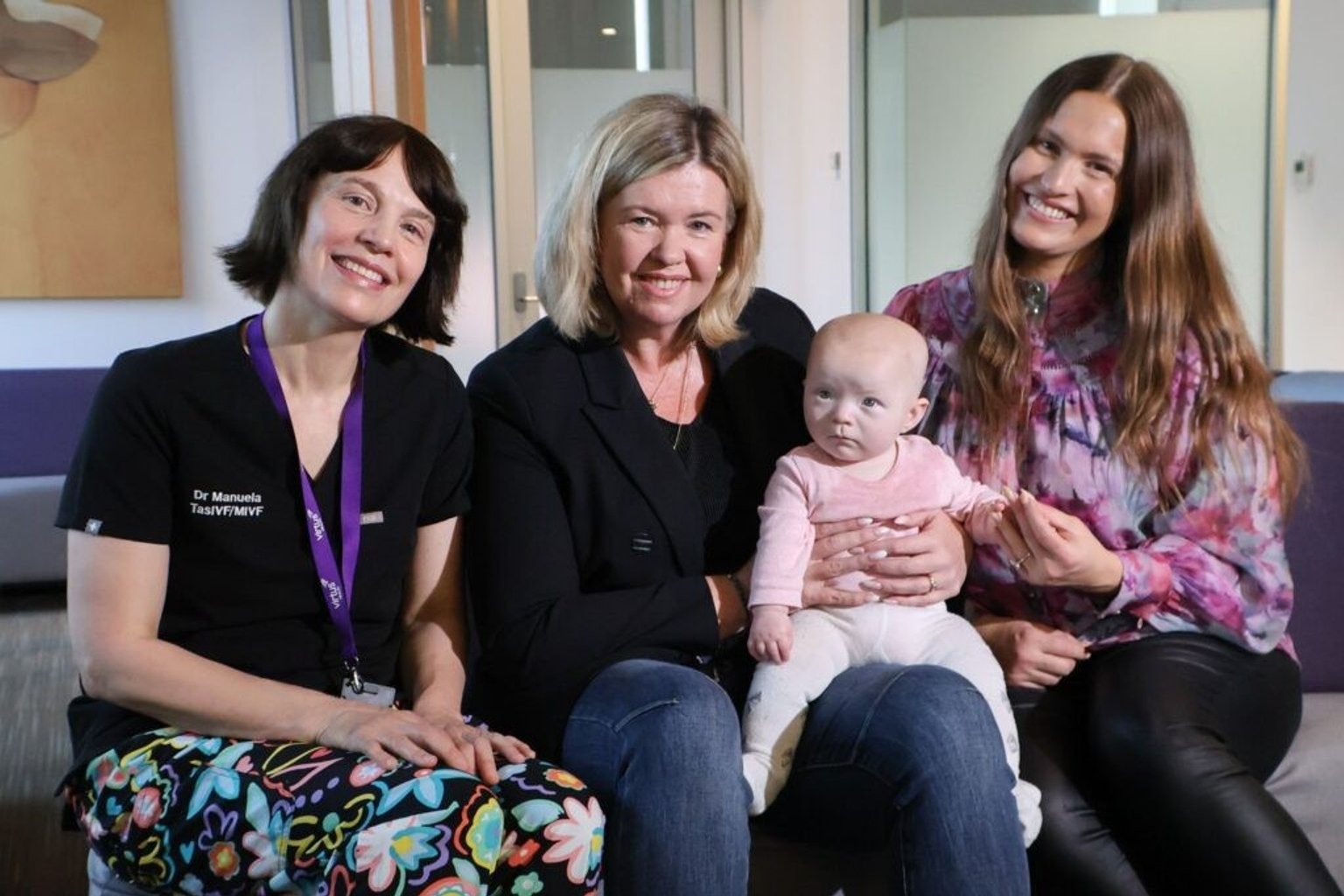
Jessica McKinley, who has undergone four IVF cycles at Fertility Tasmania, said the costs had run into the tens of thousands of dollars out of pocket.
She and her partner have dual infertility and now have a 14-month-old daughter, Aria, thanks to the treatment.
“It’s amazing that it’s accessible for other families because we know firsthand how hard that is and it’s just wonderful that it’s there for people to use ’cause they really do need it,” McKinley said.
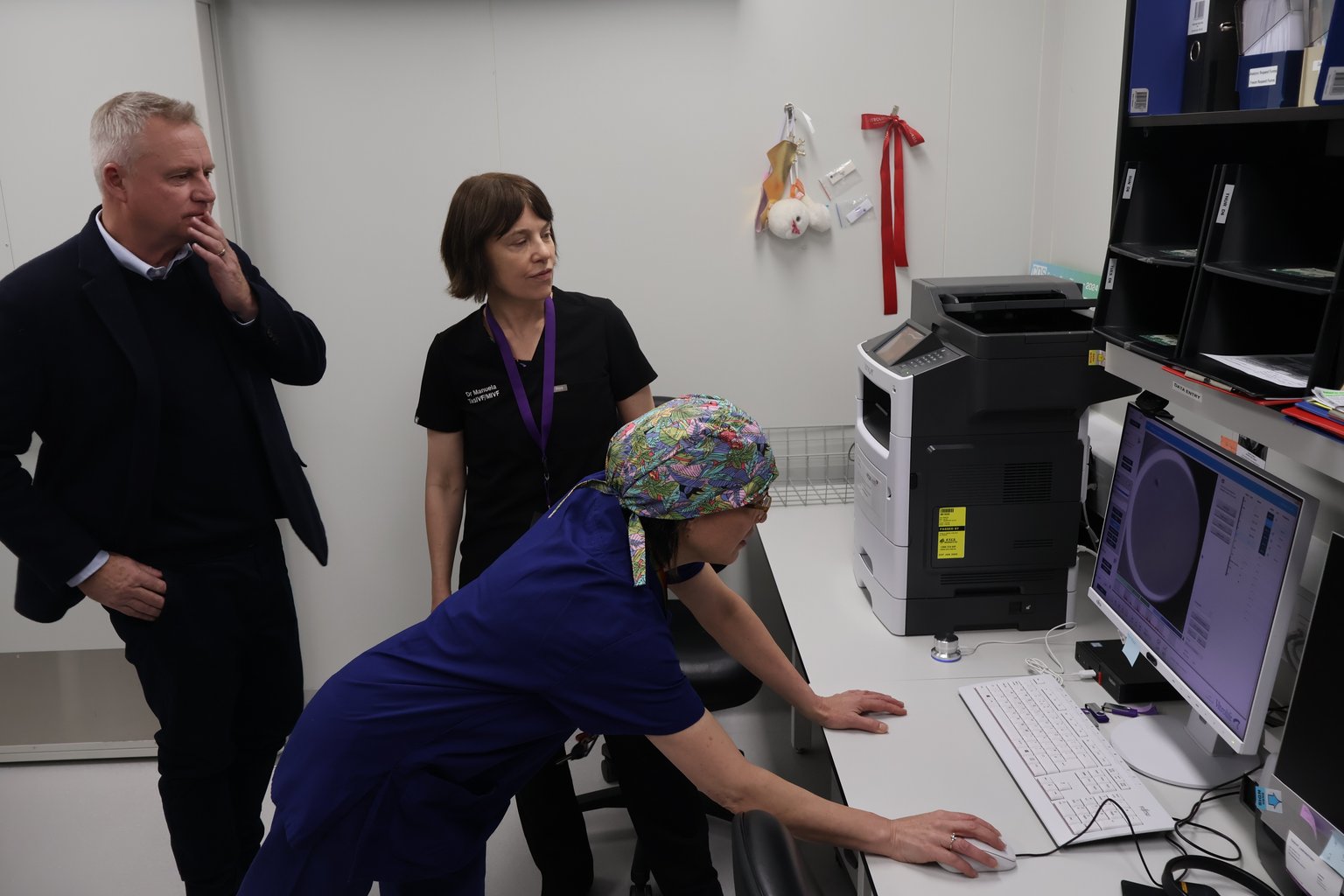
Eligible services under the program include IVF, artificial insemination and fertility preservation.
The funding was committed as part of the 2026-27 state budget and will run for two years or until the money is exhausted.