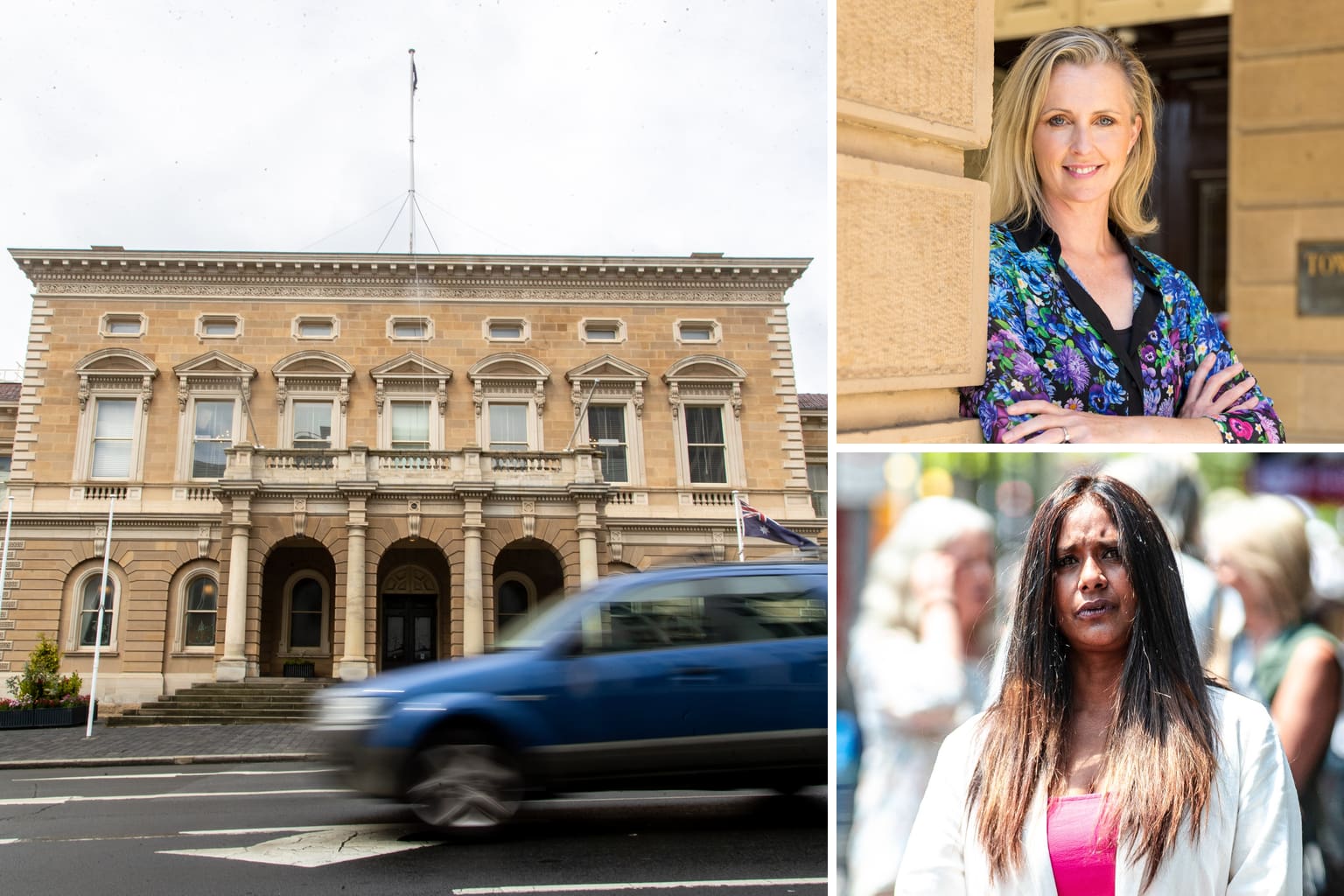
Hobart voters have elected a smaller city council, returning six sitting councillors and bringing back a former councillor alongside two newcomers.
The Tasmanian Electoral Commission (TEC) finalised the count just after 11:30am on Monday.
The council has been cut from 12 members to nine and 32 candidates were competing for the seats.
John Kelly, Bill Harvey, Ryan Posselt, Louise Elliot, Mike Dutta and Zelinda Sherlock have all been re-elected.
Charles Wooley and Harvey Lennon are new to council, while former councillor Simon Behrakis returns.
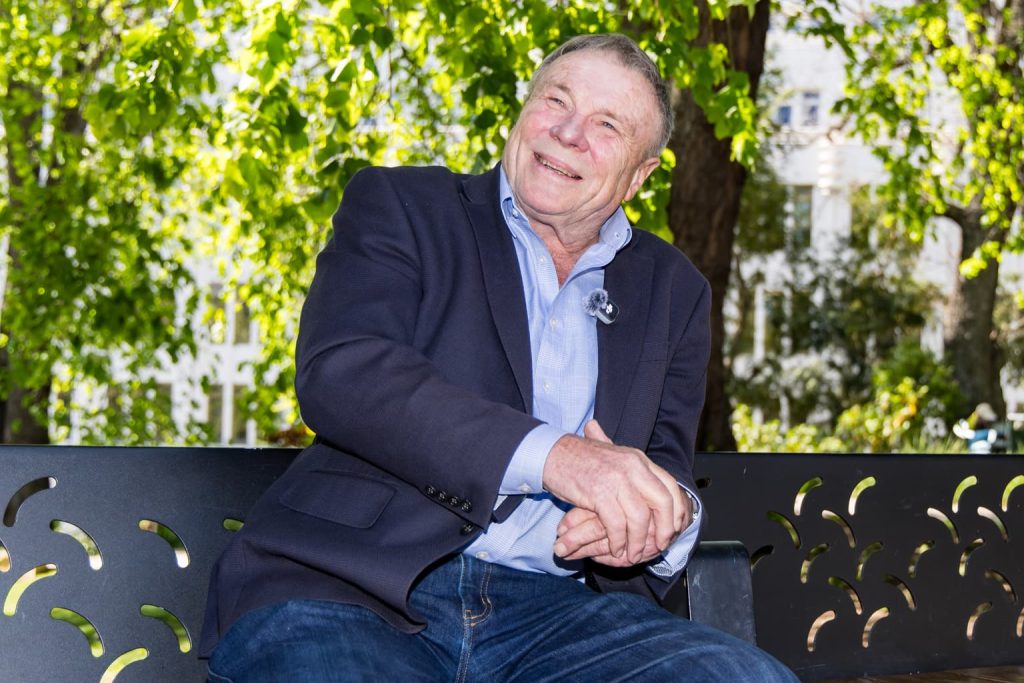
Wooley, a former television journalist, was also elected lord mayor. He beat Harvey in that race and replaces Anna Reynolds, who did not recontest after eight years in the role.
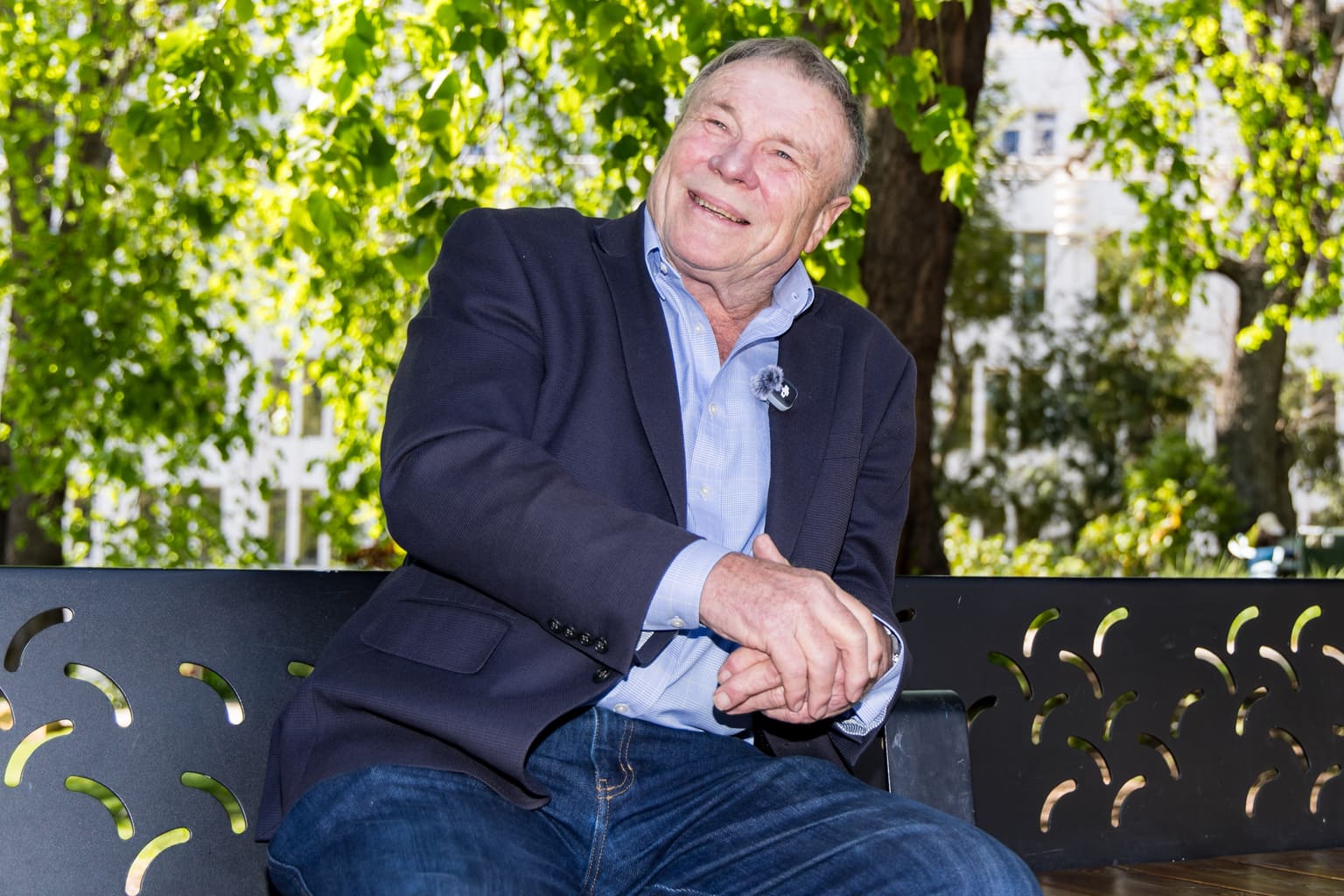
Wooley was the most popular councillor candidate, winning 14.8% of first preferences.
He and Kelly were the only candidates to reach the quota of 3,002 votes on first preferences. The remaining seven seats were decided on preferences.
Kelly, who also ran for lord mayor, told Pulse he wanted to see the final makeup of council before deciding what came next.
Behrakis left council after being elected to state parliament as a Liberal MP. Lennon is a former chief executive of Hobart City Mission and the RACT.
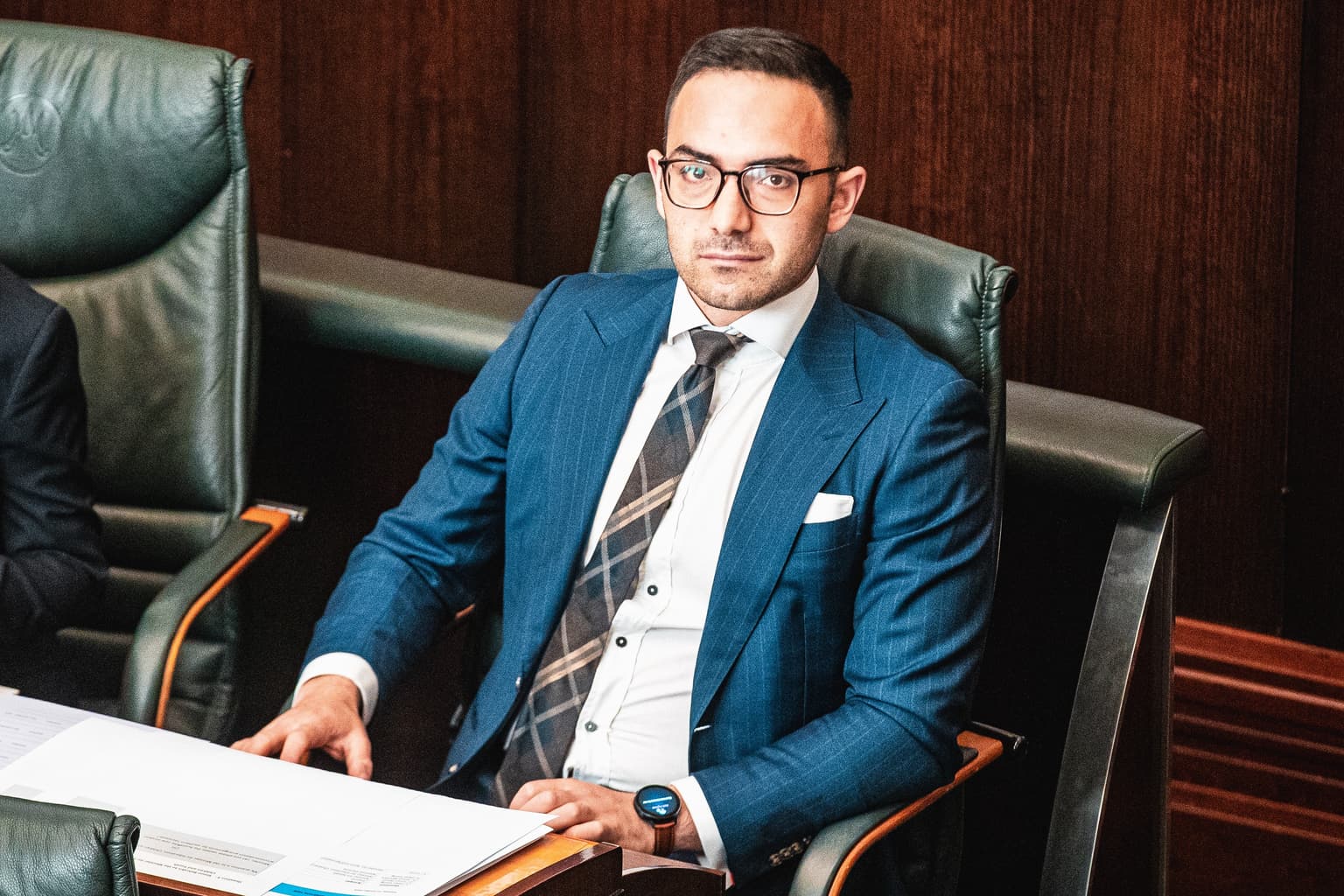
“It’s nice to be back in what feels like home turf on the Hobart council,” Behrakis told Pulse.
“It was a very, very tense nail biter of an election count.”
He said voters were “sick of the games of the last four years and the politics of the last four years”.
“I think people want a council that is going to listen to them and deliver on the issues that they’re facing, not a council that’s telling people what’s good for them,” he said.
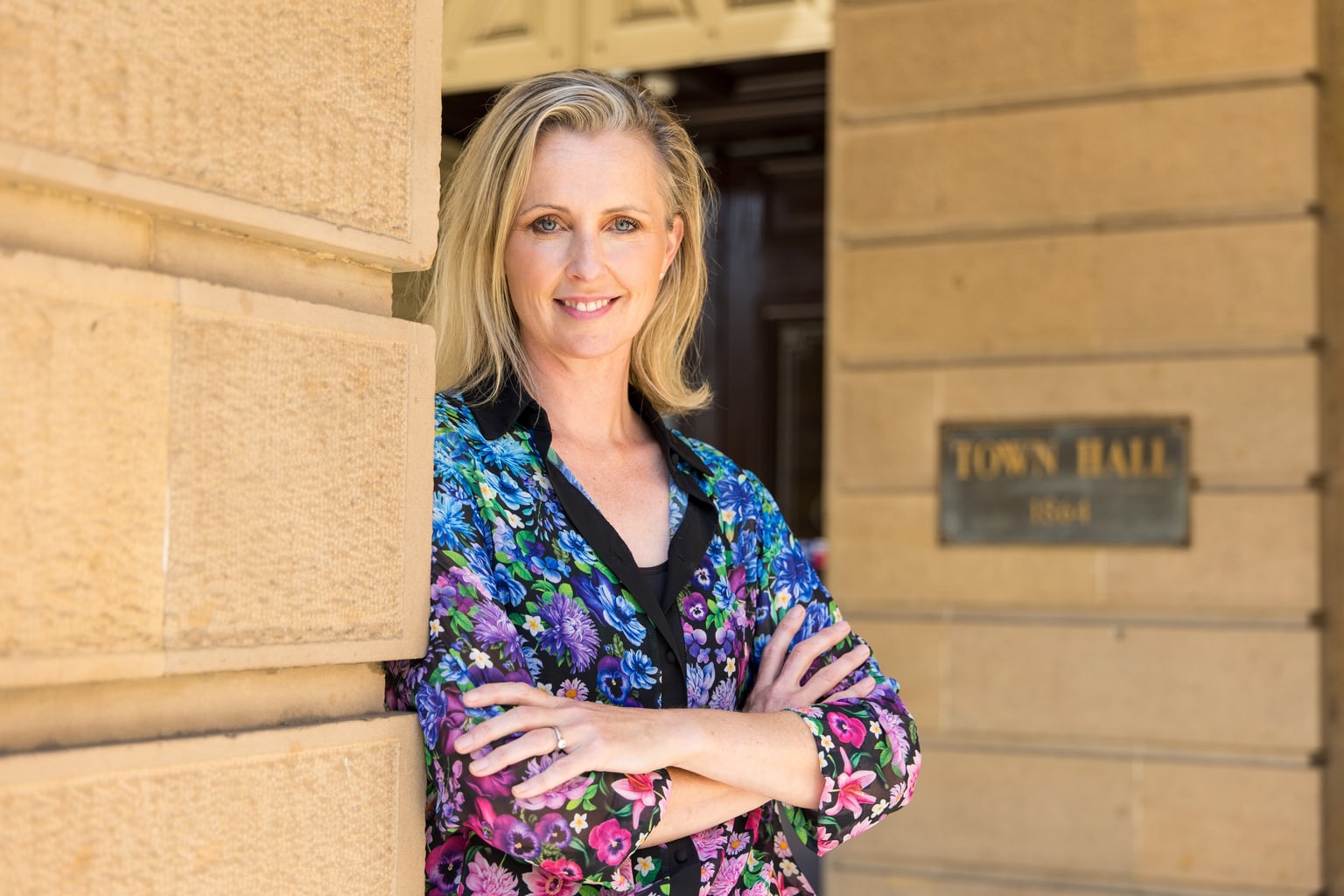
Elliot said she was relieved to keep her seat.
“I had partially resigned myself to the fact that I wasn’t going to be in,” she told Pulse.
“I actually started to get a little bit excited about not being shackled by the code of conduct anymore.”
Harvey and Posselt both lifted their vote strongly from the 2022 election.
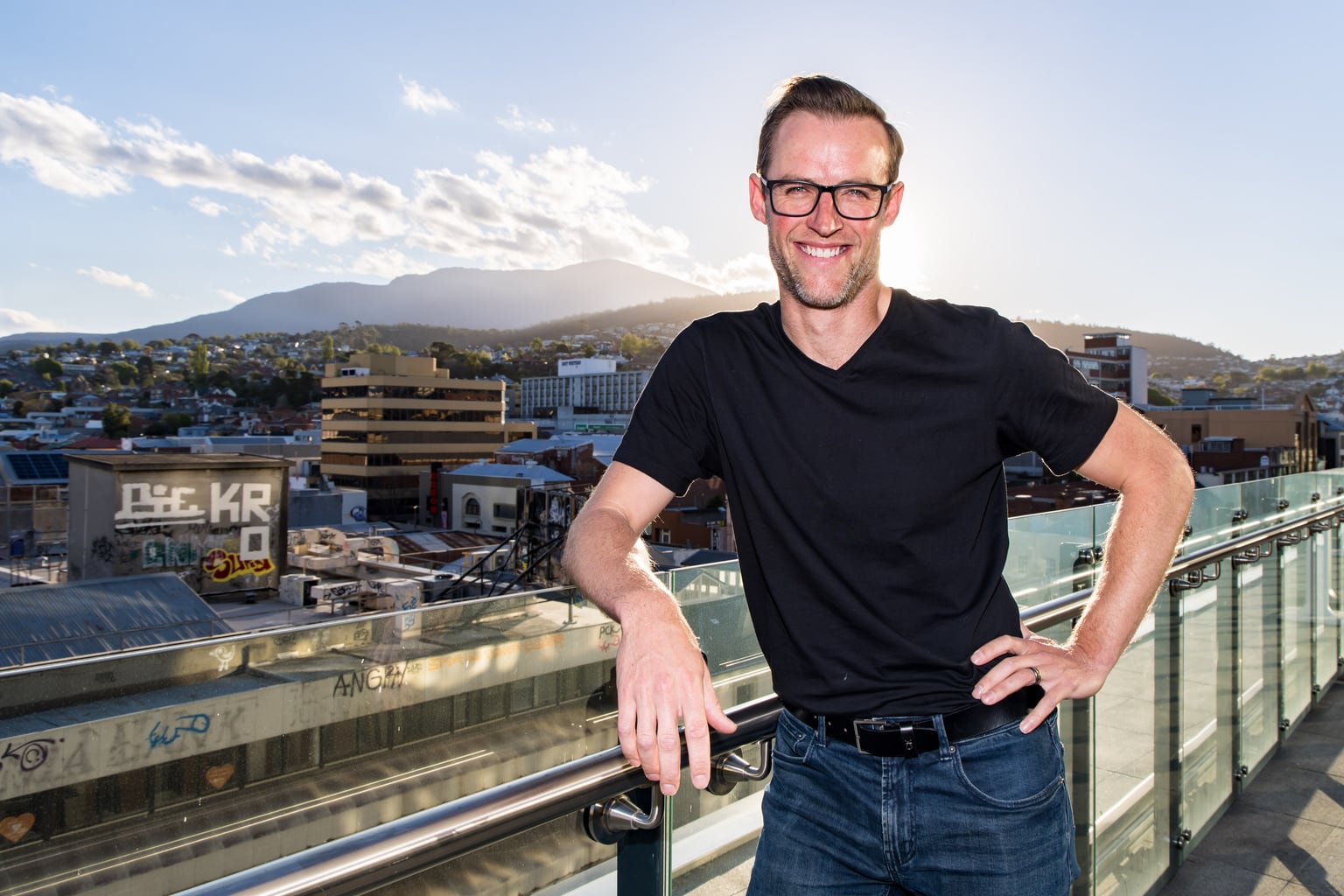
Harvey’s vote more than doubled to 9.6%, while Posselt went from 3.3% to 7.5%. Posselt also ran for lord mayor and finished fourth.
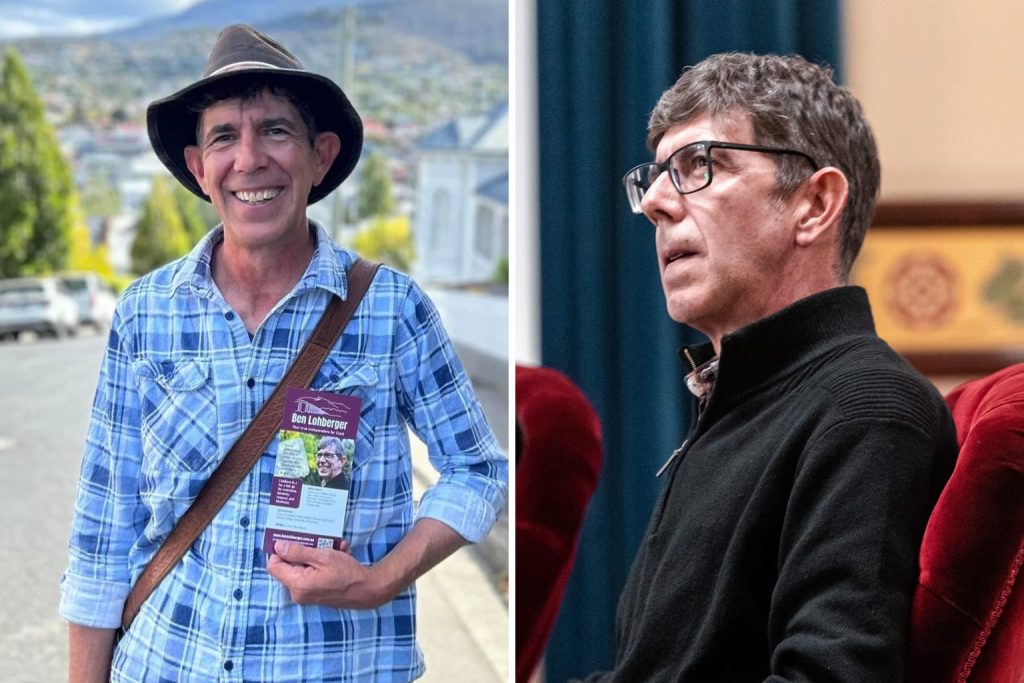
Three sitting councillors – Marti Zucco, Ben Lohberger and Louise Bloomfield – lost their seats.
Zucco was first elected in 1992 and became the council’s longest-serving member in 2020. His vote fell from 7% in 2022 to 4.7%.
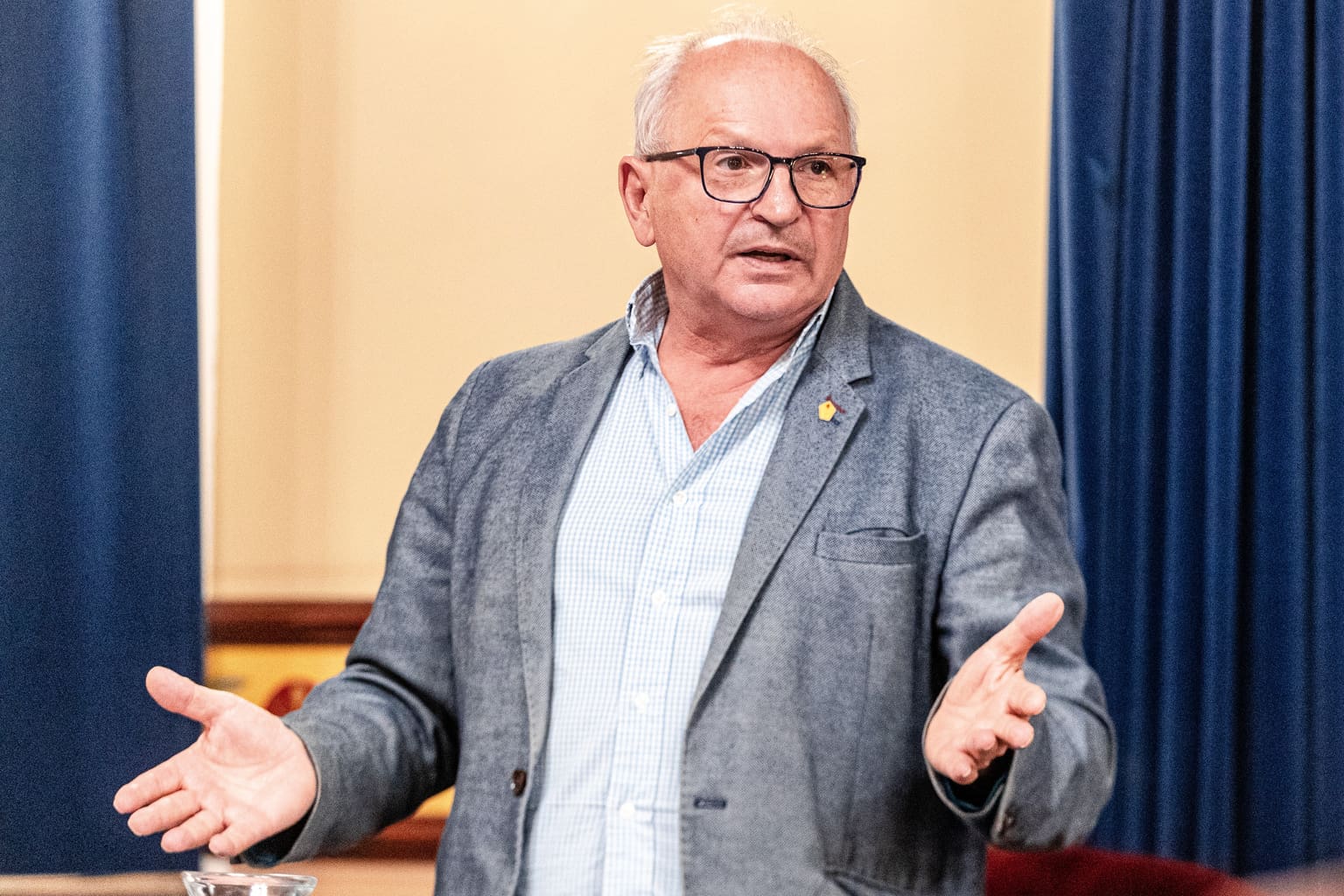
Behrakis said the result was “very bittersweet”. “I’m devastated that he won’t be joining us on the council,” he said of Zucco.
Zucco had more first preferences than Elliot, but she finished ahead of him on preferences. She said “a big part of my heart is breaking” over his loss.
Lohberger won the deputy lord mayor count on Saturday, but the rules say the winner must also hold a council seat.
Sherlock had the most first preferences in that race but was excluded late in the count.
Most of her votes then went to Lohberger, who beat Behrakis 14,230 votes to 10,791.
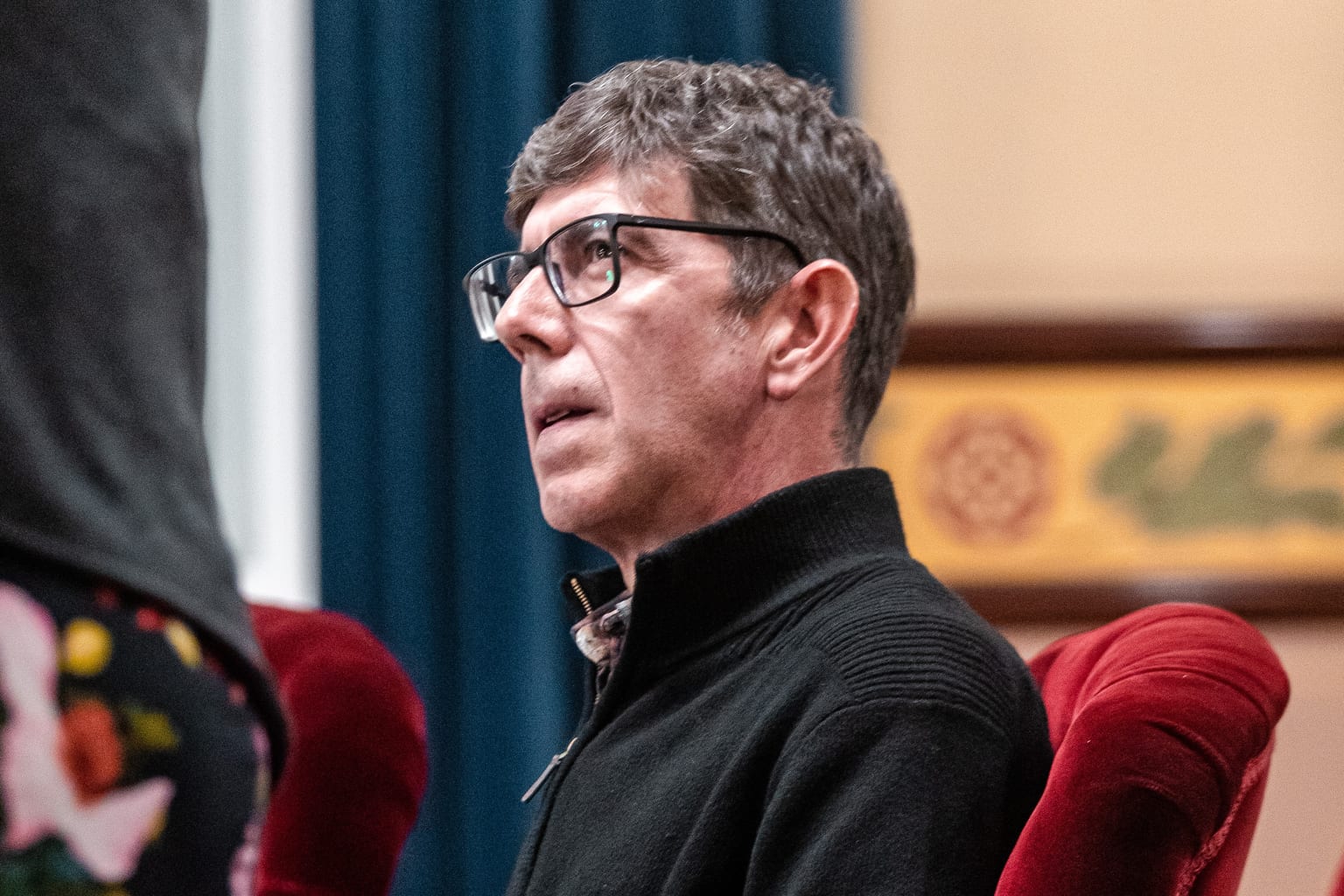
Lohberger appeared on track to keep his council seat earlier in the count but missed out in the final result.
“I have empathy for how that must feel. That’s the nature of the democratic beast,” Elliot said.
It is expected the new council will now choose a deputy lord mayor from its members.
Lohberger was unable to be reached by Pulse.
Behrakis, who has now come second in the deputy race at three elections in a row, said he had called Lohberger on Sunday to concede.
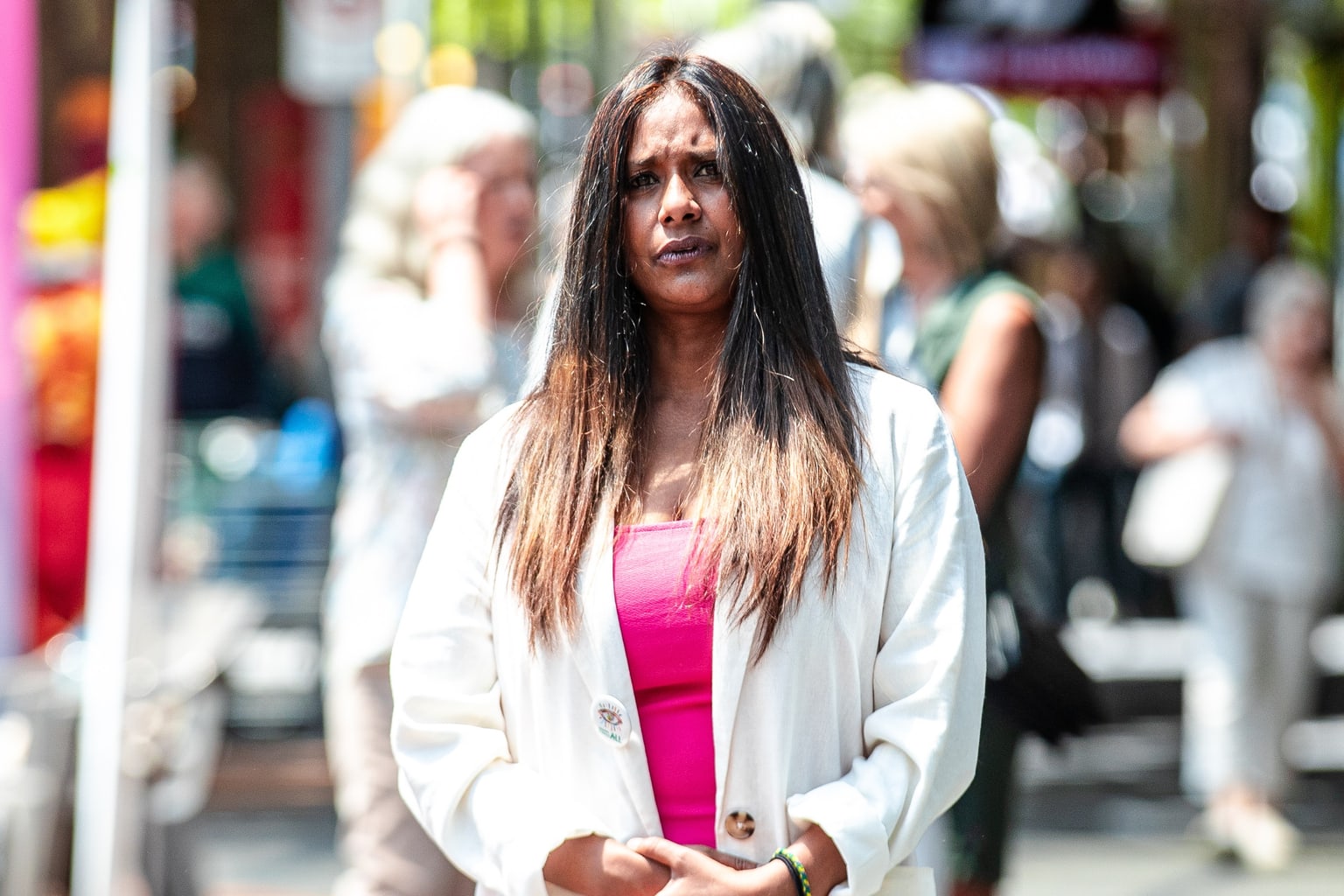
“I feel for Ben as well. It’s been quite the tumultuous count,” he said.
He said he would likely nominate for the role. Elliot, who came fourth in the deputy race, said she was undecided.
The TEC counted 31,092 ballots or 97.5% of those returned. Just over 1,000 were informal.