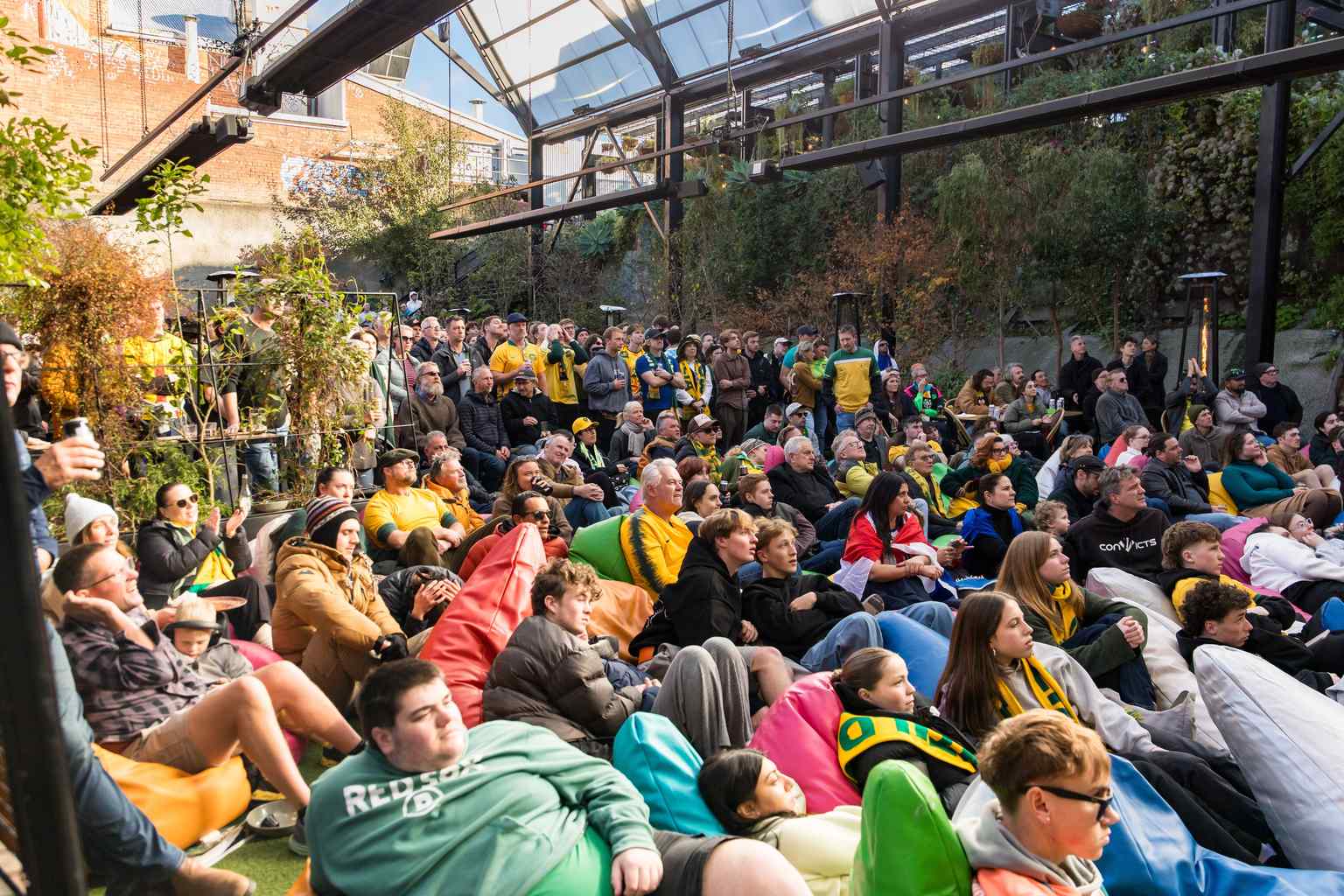
Hobart City Council has unanimously backed a plan to formalise how it hosts live sites, fan zones and watch parties during major sporting and cultural events.
The proposal follows strong public interest in Hobart’s live screenings during the Socceroos’ FIFA World Cup campaign.
The motion, moved by councillor Ryan Posselt, calls for guidelines on when and how public screenings should be held, along with a report into whether the council should buy a permanent screen, purchase a mobile setup or hire equipment.
Posselt said live sites had proven hugely popular during the FIFA World Cup.
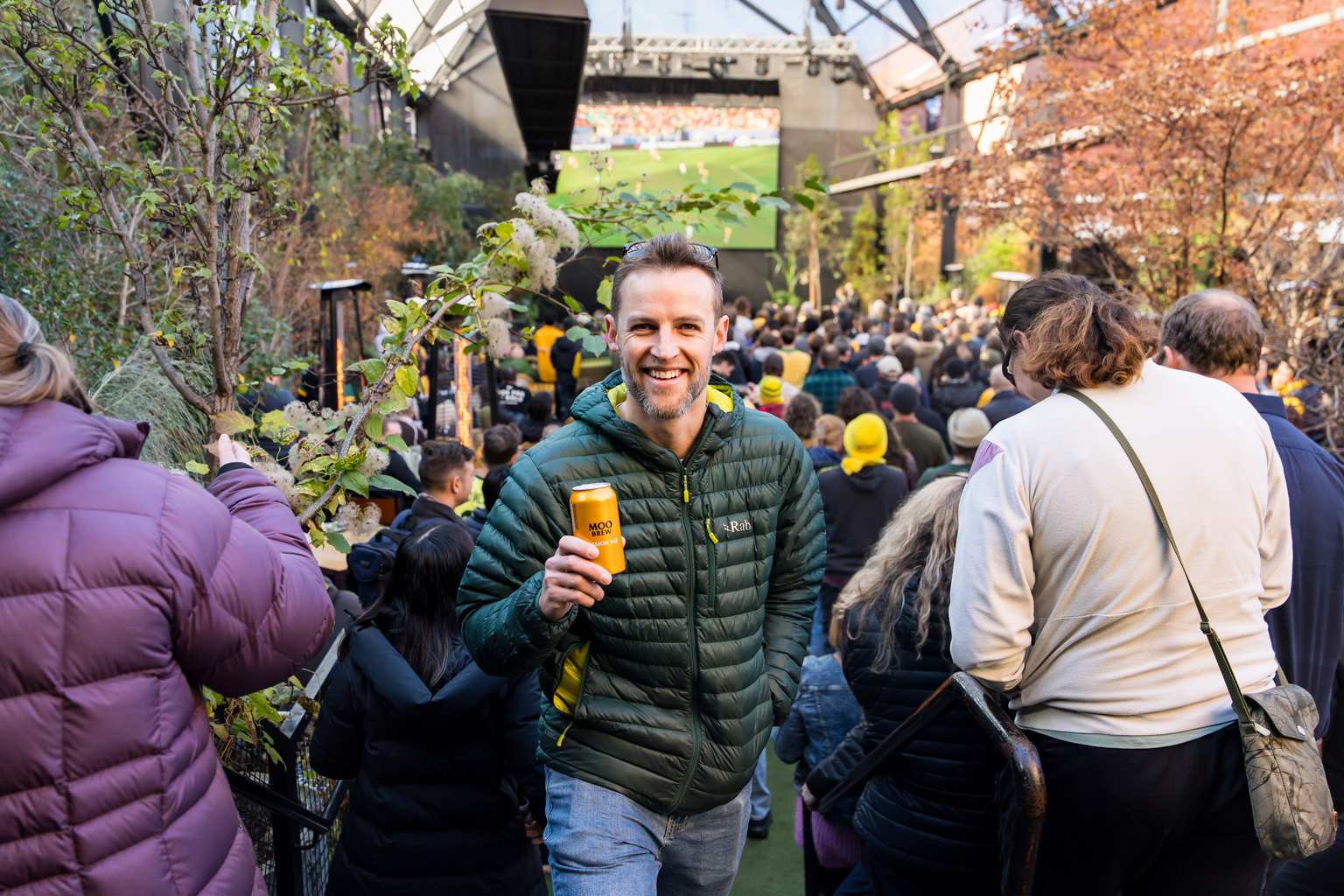
“Live sites provide an incredible opportunity for the city to come together and bring people in from further afield, all with a common shared interest of cheering on our national team or our state team and experiencing the ups and downs of any live sport match,” he said.
He highlighted the economic benefits for nearby businesses, citing a coffee shop owner who opened at 4am for a recent Socceroos match and reported a surge in trade.
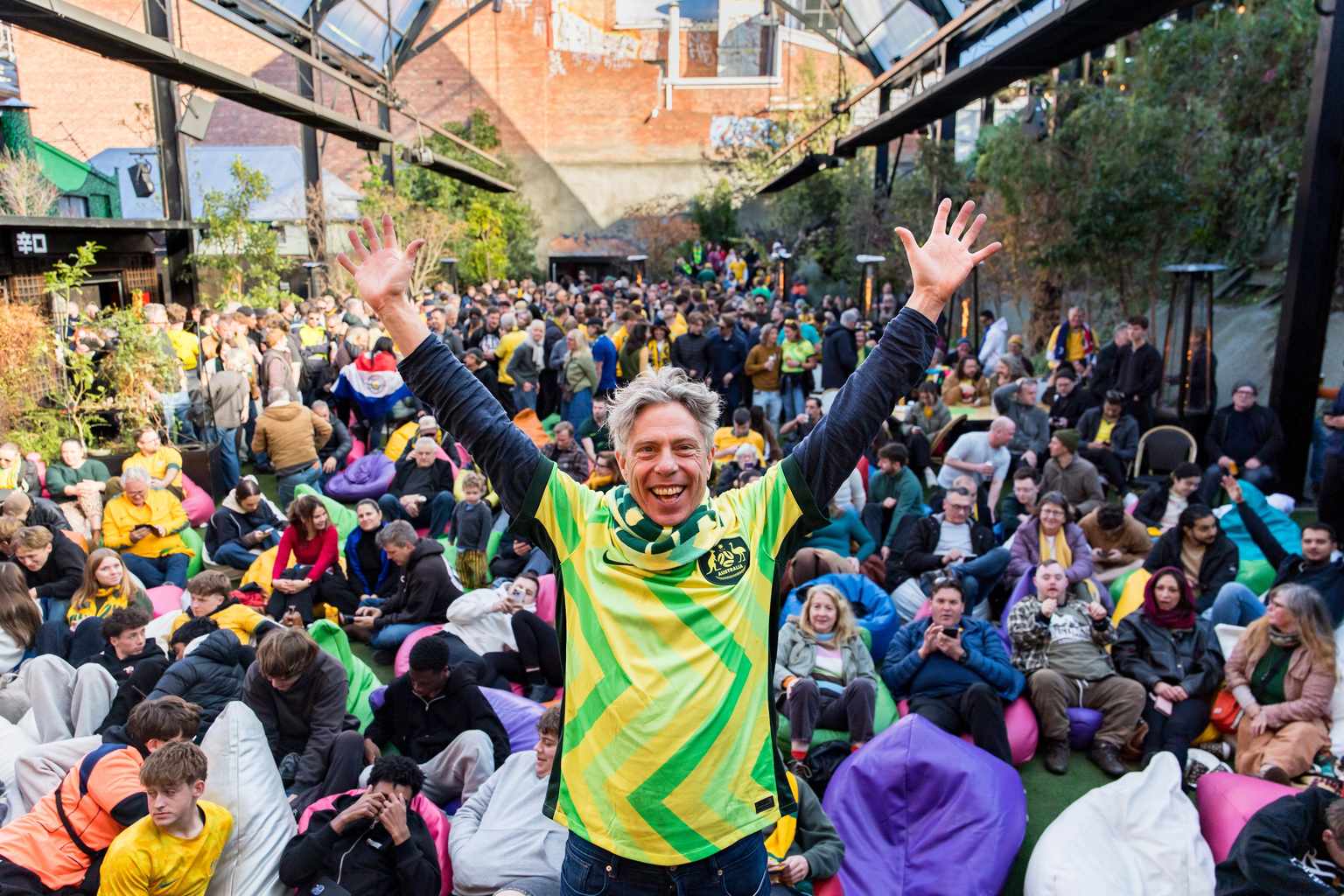
“He said that he did about double the trade in the hour that he would ordinarily do, despite not actually being attached to the venue and being a reasonable distance from it as well,” Posselt said.
Each live site costs about $15,000 to stage, largely because of screen hire.
Posselt said buying the equipment would likely prove more cost-effective over time.
He suggested Salamanca as a natural location for a permanent screen because of its concentration of hospitality venues.
He also suggested PW1 could host screenings during cold or wet weather, with the forecourt used when conditions allowed.
Business Greater Hobart chair Edwin Johnstone has separately urged the council to consider creating a small amphitheatre-style space in St David’s Park, after the recent removal of two giant sequoia trees opened up new possibilities for the site.
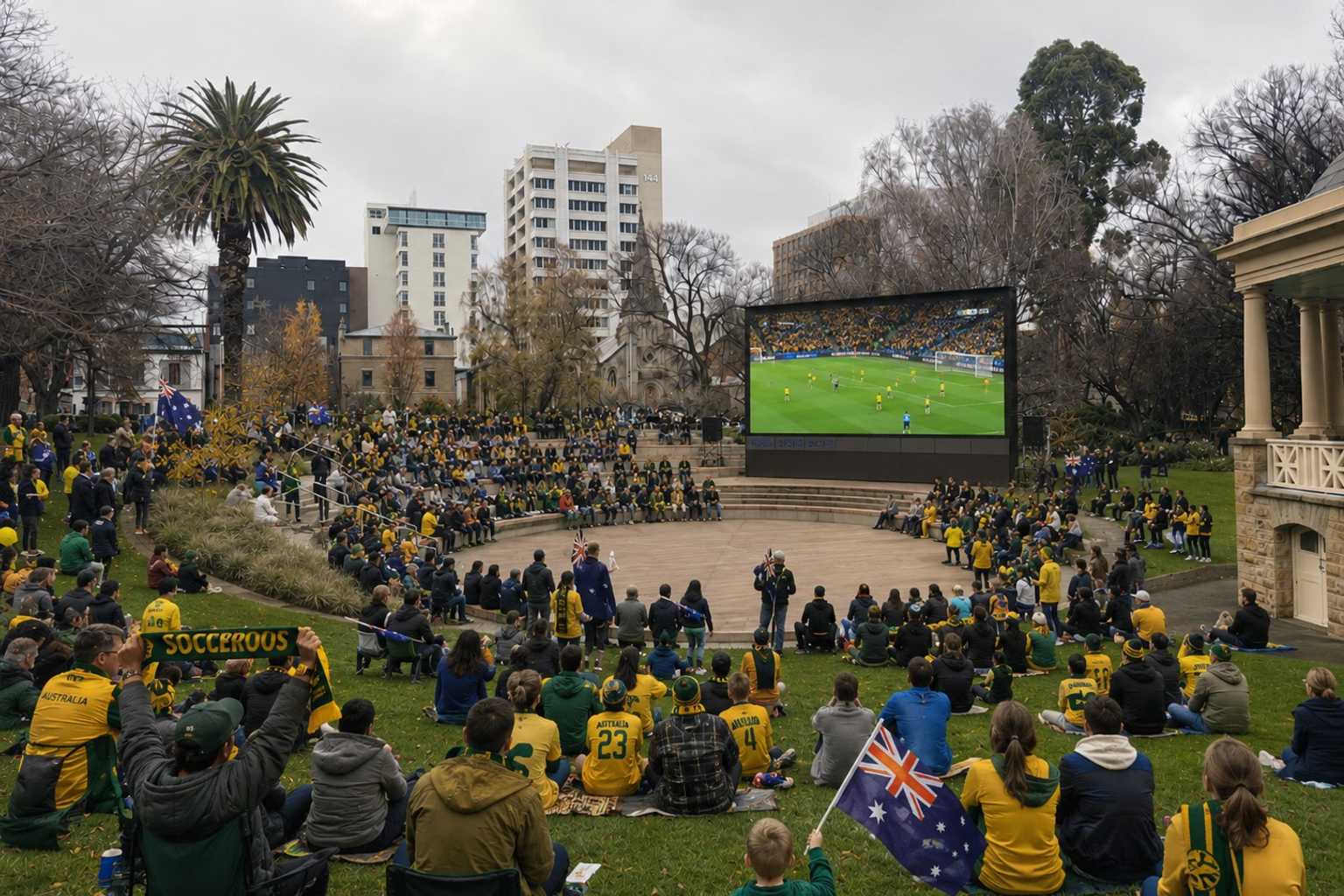
“Imagine families and football fans gathering in St David’s Park to watch the Socceroos on a big screen during the World Cup,” Johnstone said.
“People could sit on the grass or amphitheatre seating and enjoy a shared community experience in the heart of Hobart.”
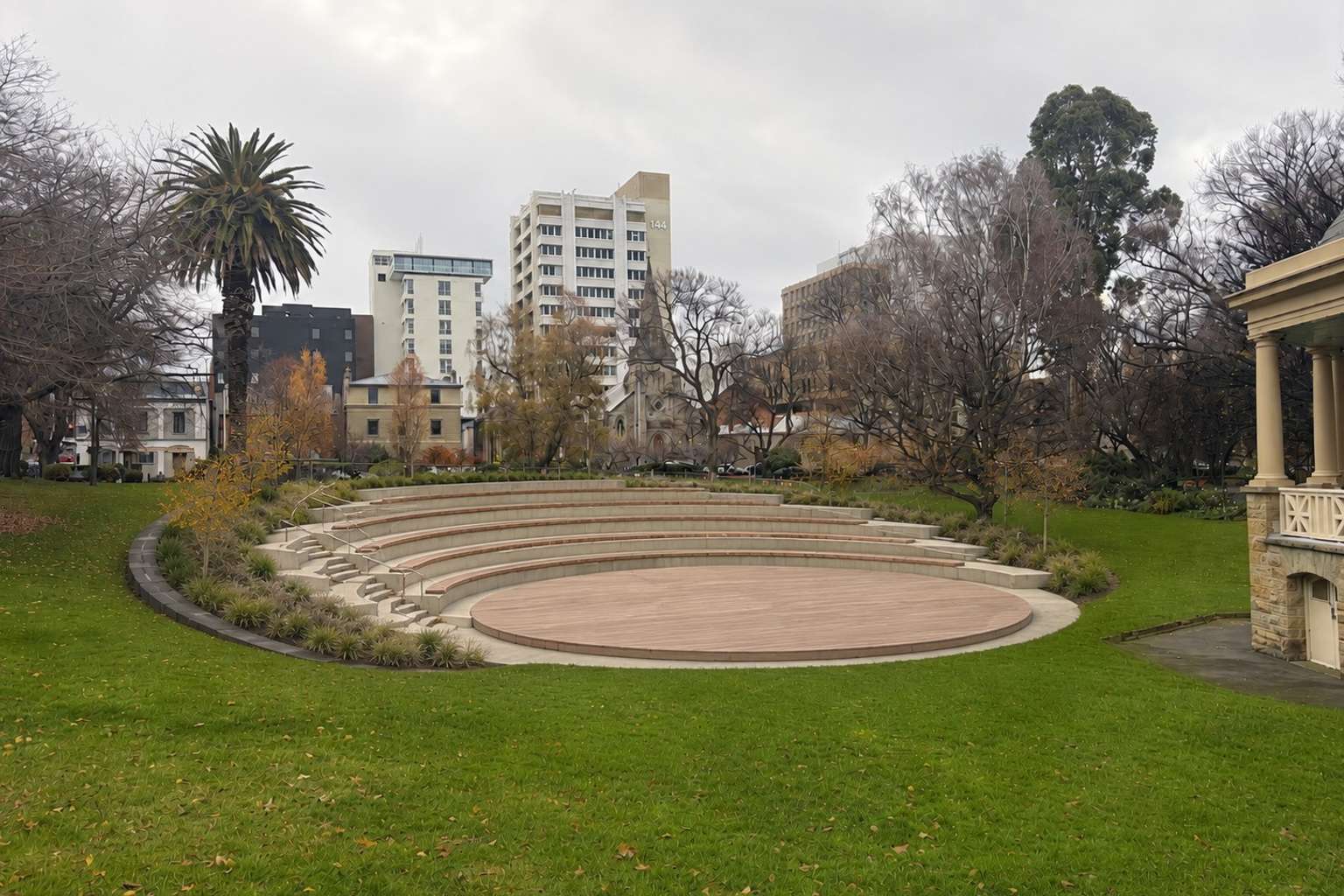
Johnstone said any proposal would need to protect the park’s heritage values and existing character.
“This is not about turning St David’s Park into a major entertainment venue or covering it in concrete,” he said.
“It is about exploring a modest, well-designed public space that complements the park and gives Hobart another flexible outdoor gathering place.”
The council policy would not be limited to sport, with councillors suggesting live screenings of events including Eurovision and film festivals.
Several councillors also stressed the need to avoid undermining businesses that already host watch parties.
The council report will also examine whether partnerships with the Tasmanian Government could help deliver future live sites, noting that state governments manage most major event screenings elsewhere in Australia.
Council staff will now prepare the policy and a detailed report on delivery options and costs.