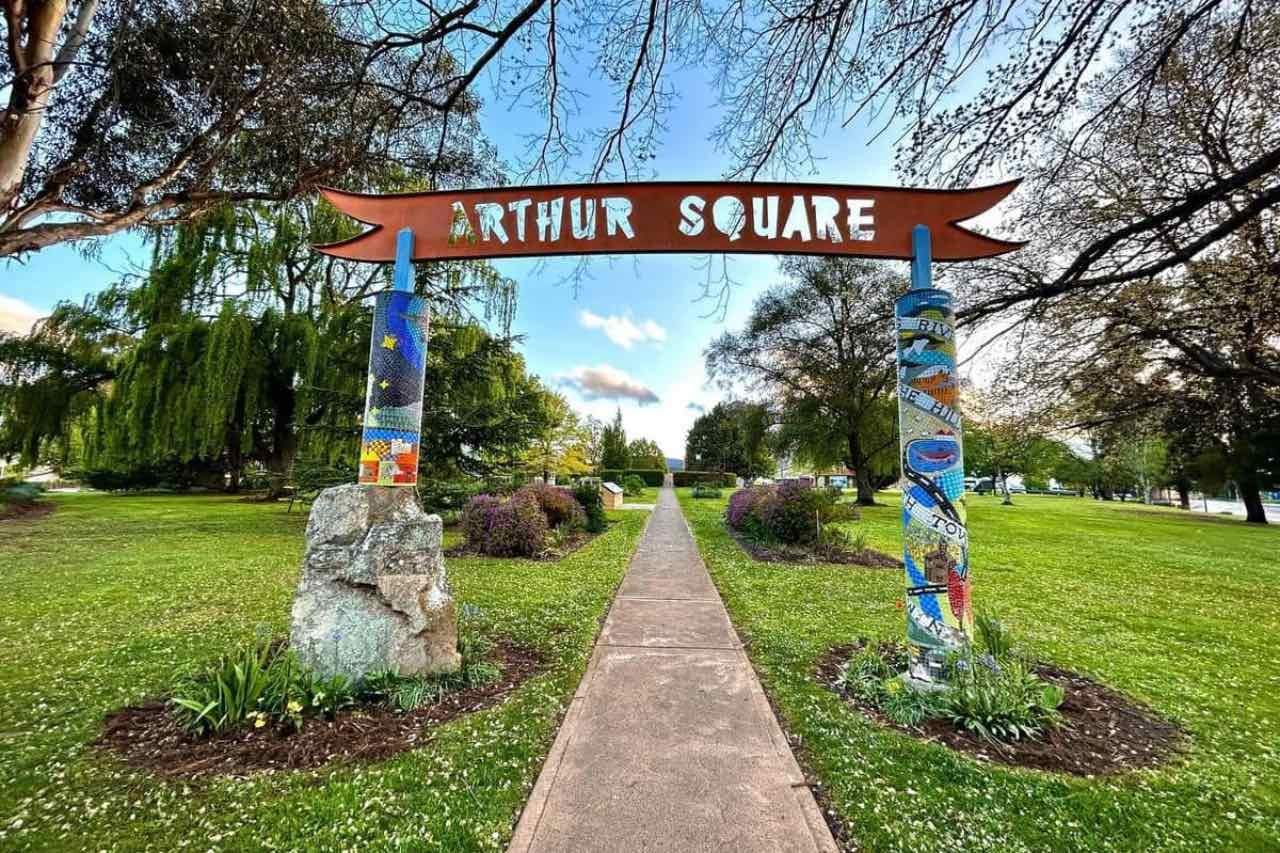
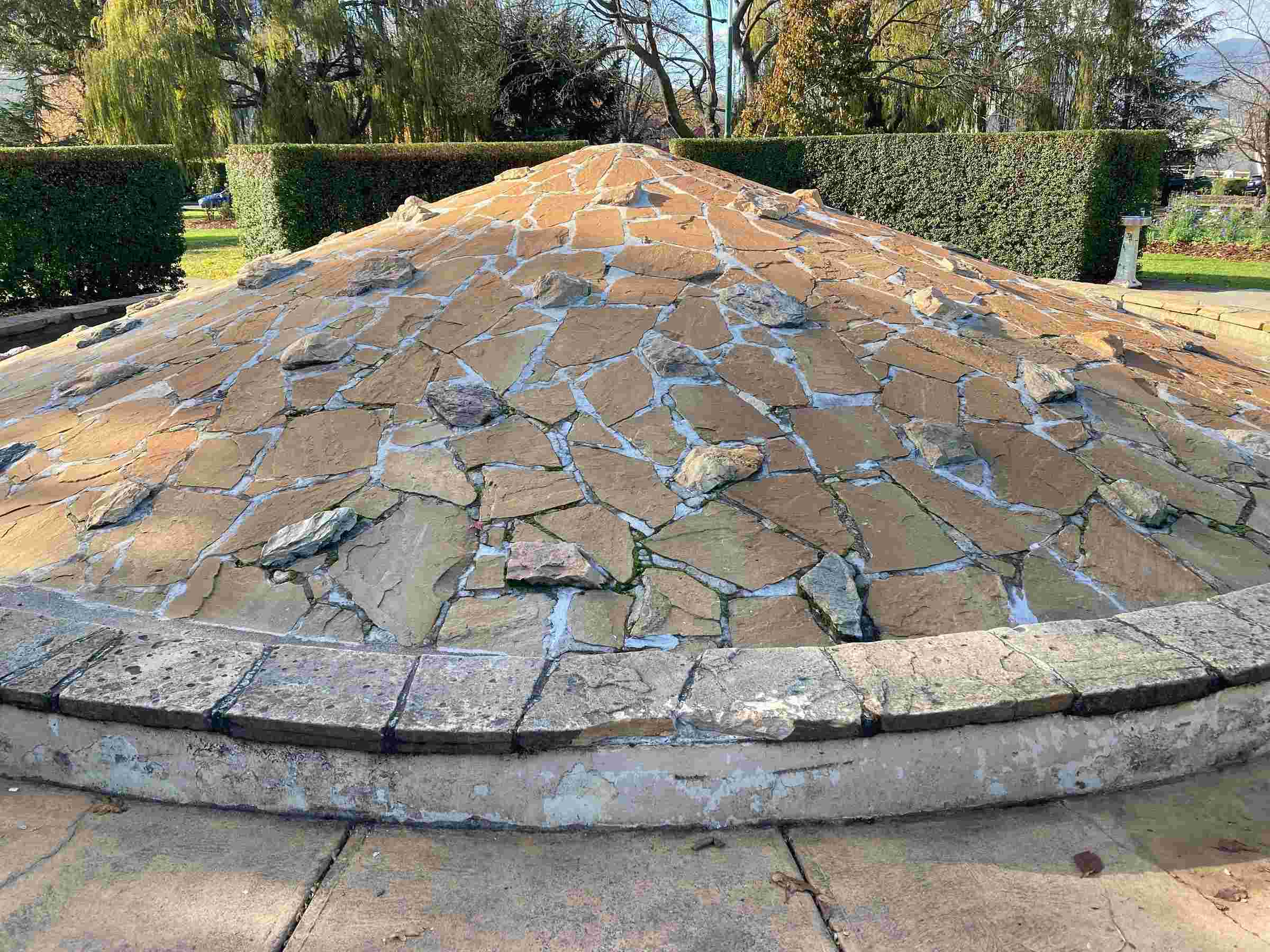
For years a fountain in the heart of New Norfolk’s Arthur Square has stood dry, its stonework leaking what little water it holds onto the lawn around it.
On Thursday, one councillor branded it “just a pile of rocks” before the council handed the town the job of deciding what should replace it.
The Derwent Valley Council voted to put the question to residents, going further than a simple choice between fixing or replacing the fountain.
Councillors were given the options of broad consultation on what should sit at the centre of the square or a narrower one asking only what kind of fountain people wanted.
They dropped the narrower option. Residents will be asked whether they want a restored fountain, a new one, a statue, a splash pad or something else entirely.
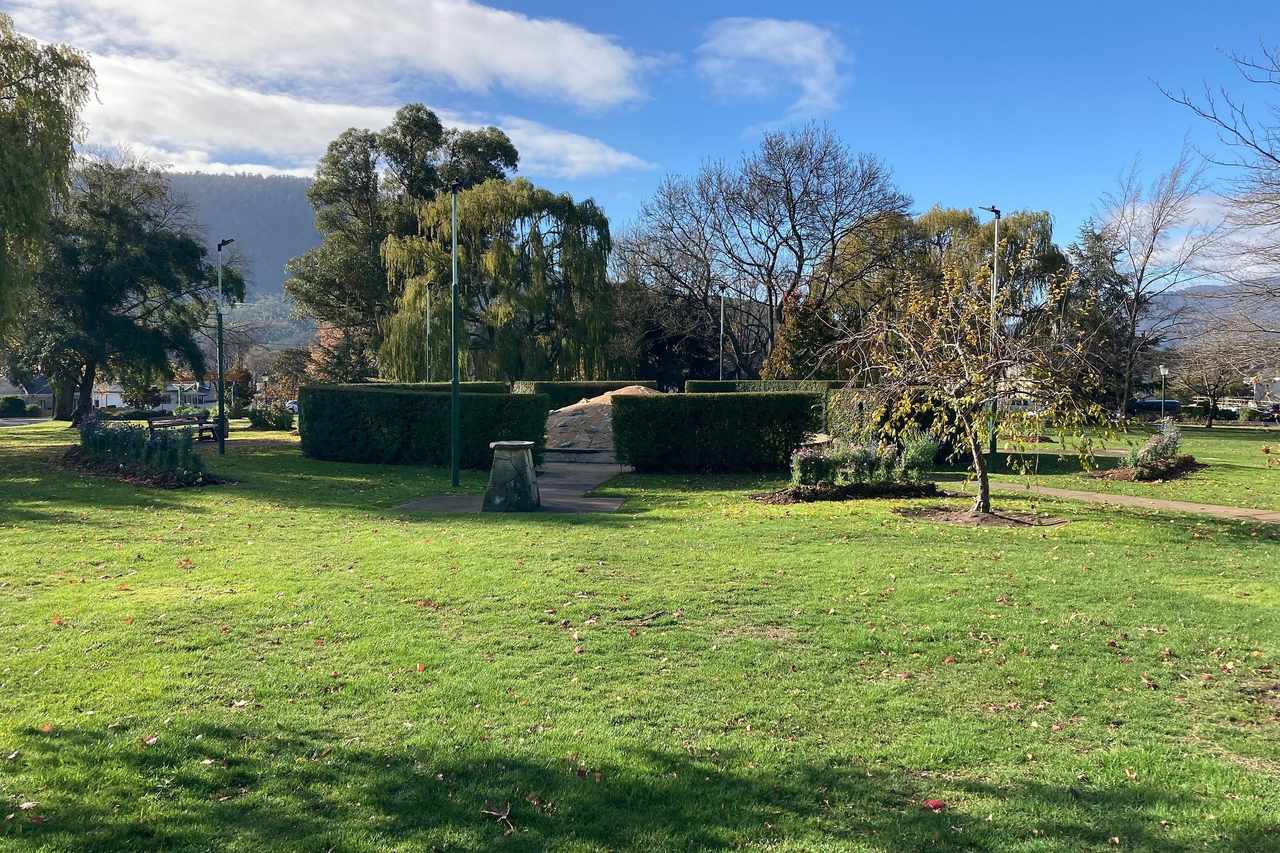
Some councillors said the state of the square was an embarrassment for a town that relies heavily on tourism.
Council officers who investigated the site traced the problem to an internal failure hidden inside the stonework.
Nearby walls built to hold commemorative plaques have also fallen into disrepair.
A report by chief executive Wes Young says the state of the square has become a talking point in the town and is drawing “negative TripAdvisor and Google reviews”.
Young told councillors officers held no firm view on the outcome and wanted the community to decide.
He said the mid-century structure carried strong heritage feelings for some residents.
The current fountain is thought to date from about 1953, the year of Queen Elizabeth’s coronation and 150 years since European settlement in Tasmania.
It replaced an earlier fountain and trough, dedicated in the square in 1902 to mark the Boer War, that was moved outside the council chambers in 1938 and has sat dry ever since.
Staff have since found the original 1953 drawings, which show stonework will have to come off before a plumber can reach the failed pipes.
Until that happens, the council cannot cost a repair and officers warn jobs like this tend to turn up more problems once they start.
The consultation is likely to run in more than one round, starting with what residents like and dislike before options are drawn up and tested again.
A costed report, with plans, will come back to councillors later.
That leaves the final decision to the incoming council following local government elections in October.