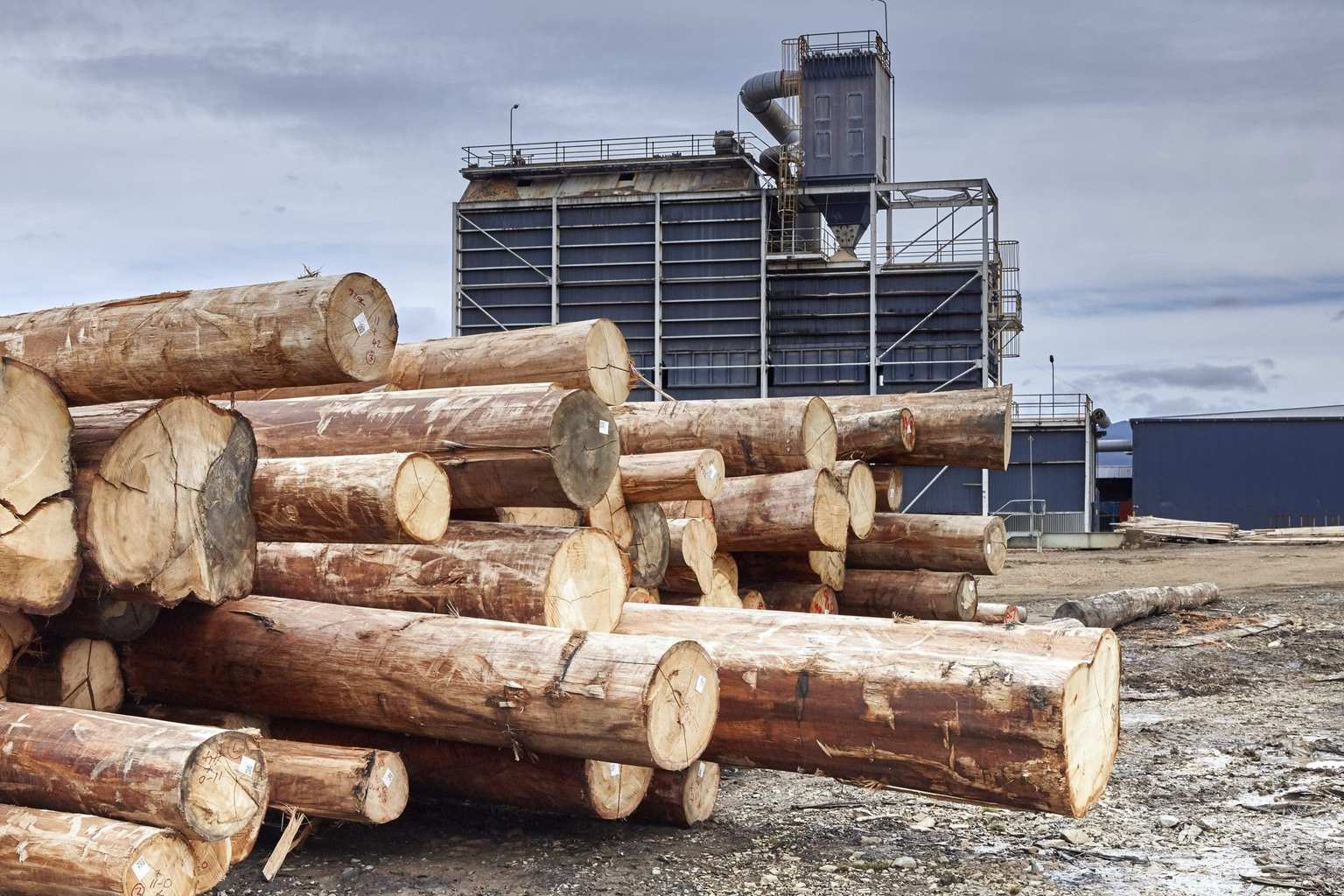
One of Tasmania’s major timber processors has stopped accepting old-growth logs, effective immediately.
The Neville Smith Group announced the change on Thursday as it backed a Palawa-led statement calling for an end to old-growth logging in Tasmania.
Chief executive Andrew Walker said the company had formally notified Sustainable Timber Tasmania that it would no longer receive old-growth logs.
Old-growth timber accounts for less than 3% of the company’s supply.
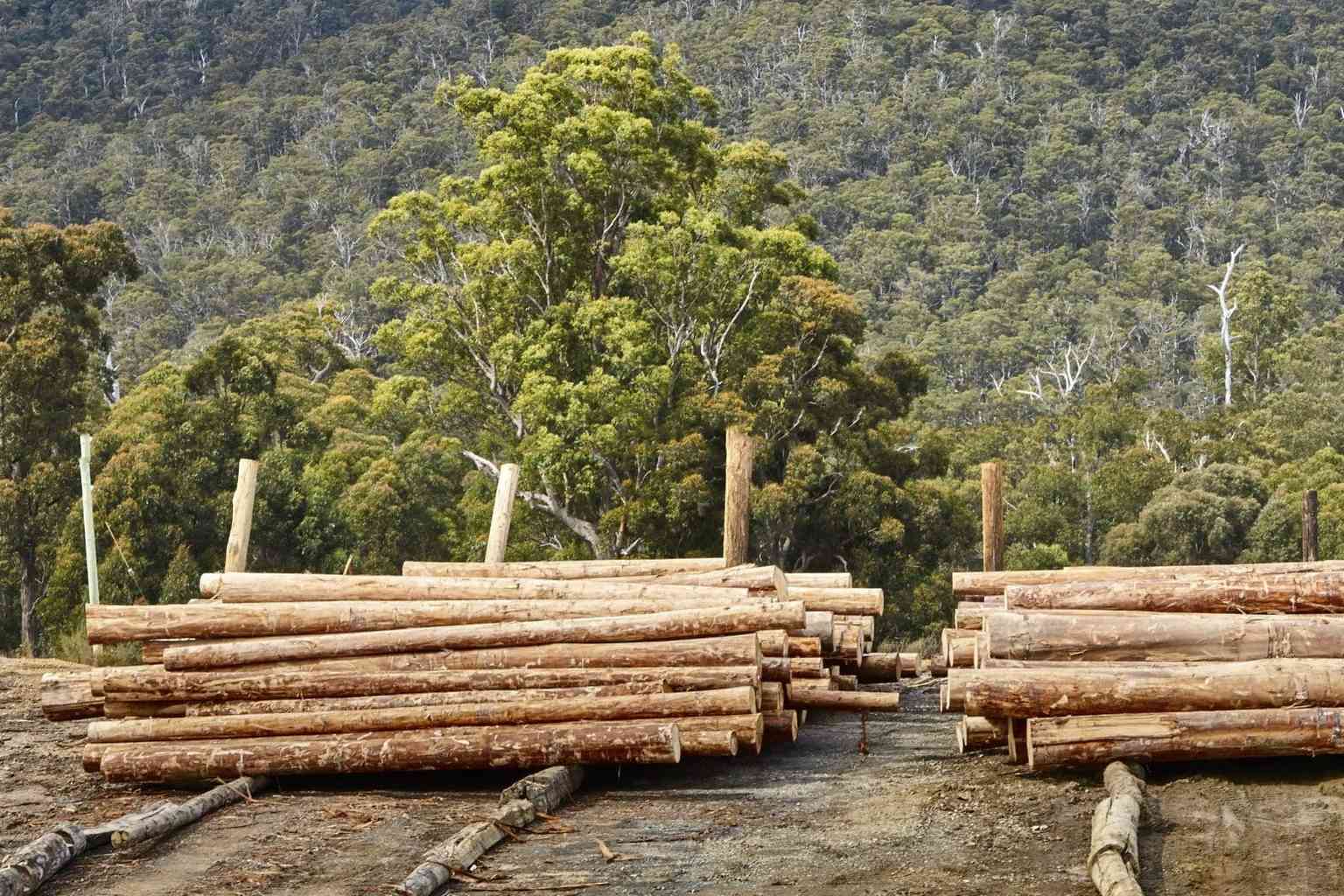
Walker said the business had spent four years shifting towards plantation and regrowth timber.
It had also told a former Victorian customer that supplies of surplus native regrowth logs would end on July 31.
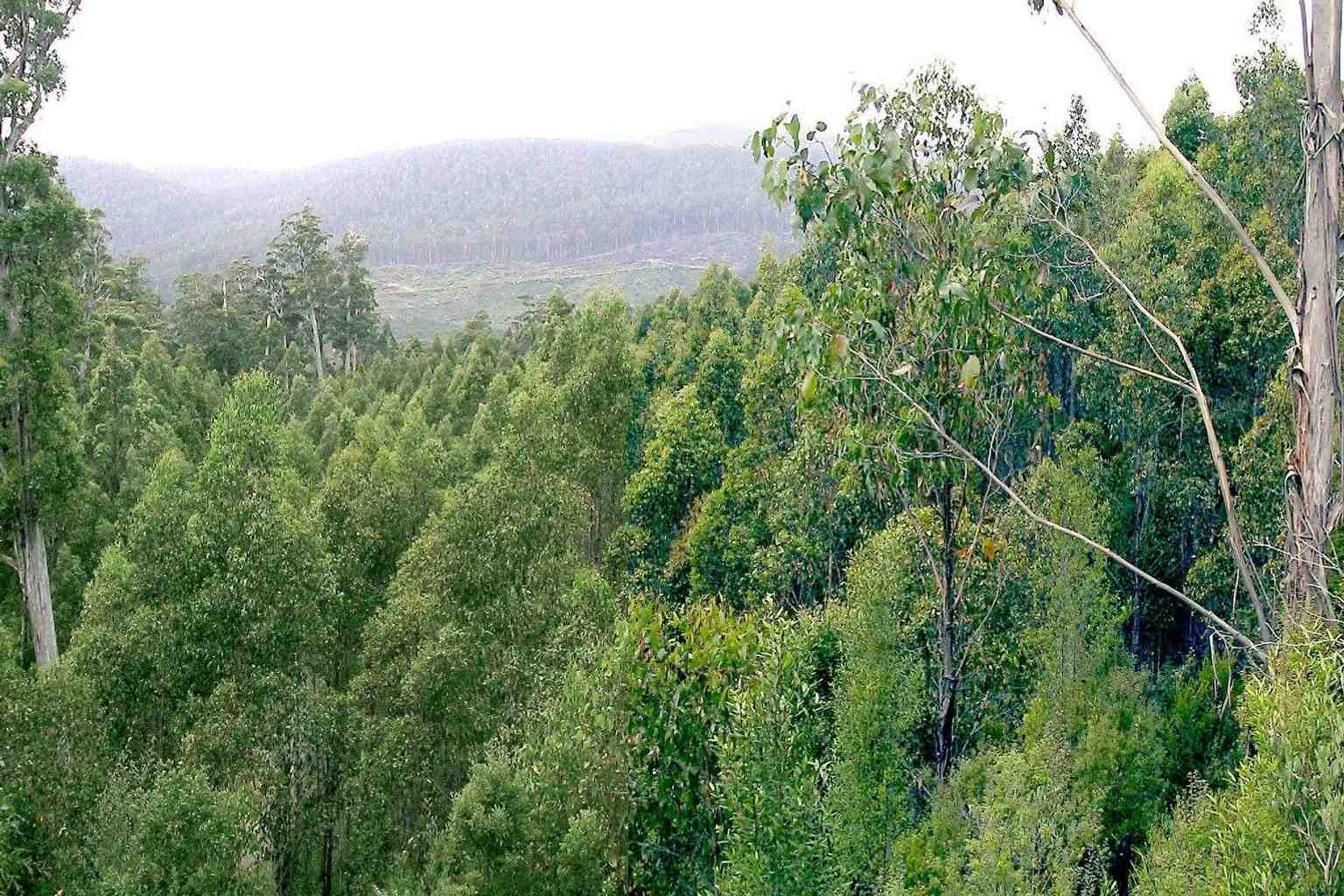
“Wood is the ultimate renewable and healthy forests mean healthy communities,” Walker said.
The move is part of the Forest Congress, which began at Hobart’s Museum of Old and New Art (MONA) in 2023 and spent three years bringing rival groups together to find common ground on the future of Tasmania’s forests.
Its shared vision statement is backed by a coalition of environmentalists, timber industry figures, First Nations leaders, scientists and artists.
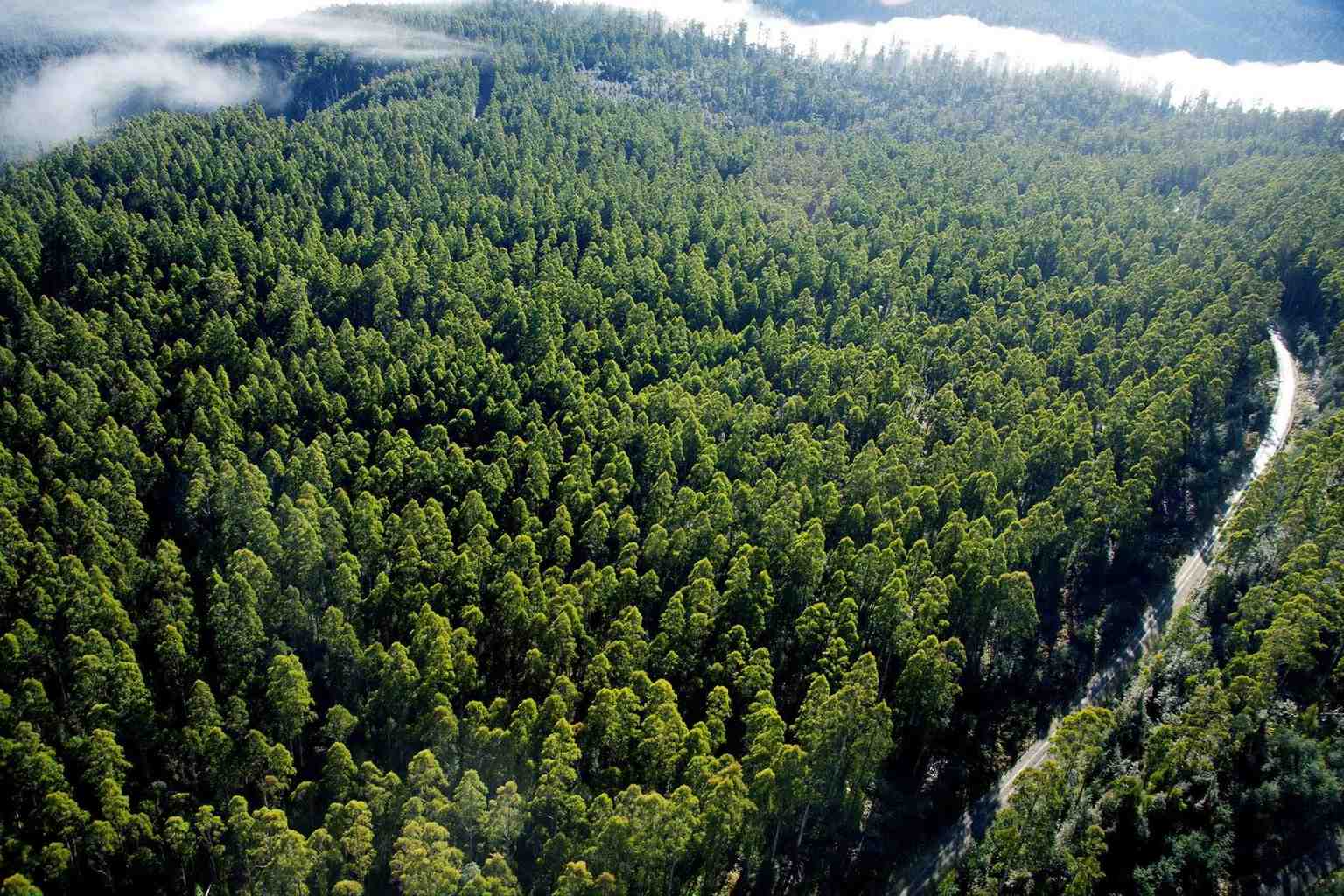
It calls for old-growth forests to be protected as “cultural treasures” while allowing the continued “responsible management” of Tasmania’s other native forests.
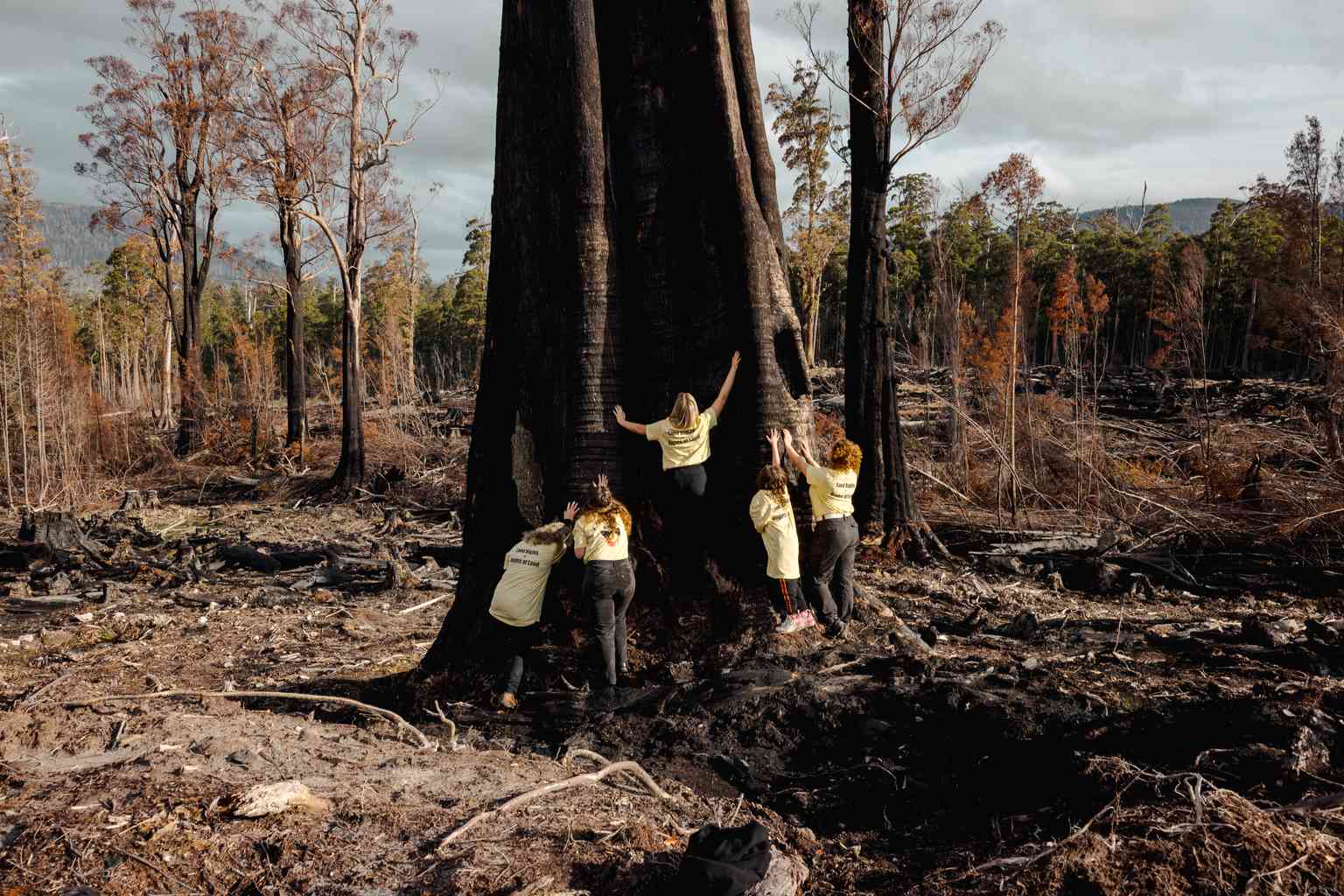
Old-growth forests are those that have never been logged and which the statement describes as living expressions of ecological continuity, biodiversity and cultural significance.
The statement also calls for support for forestry workers and regional communities and for Palawa-led practices such as cultural burning.
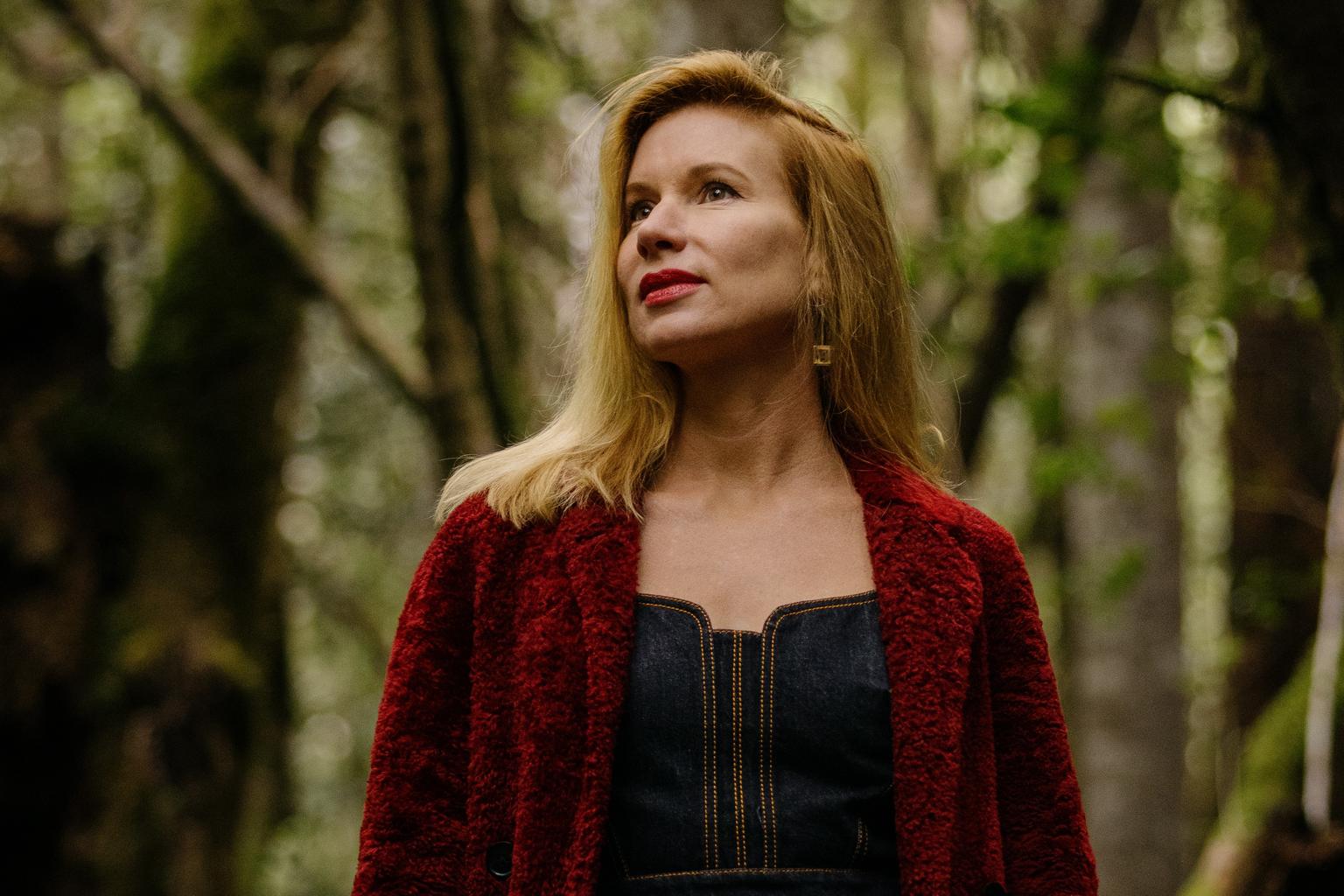
“Now, for the first time in decades, someone has put a viable deal on the table,” Mona’s Kirsha Kaechele said.
“For too long we have been locked in a stalemate. While the two sides fight, we are losing precious forests.”
The statement seeks a three-way funding commitment from the state and federal governments and participating communities and sectors to support the transition.
No government backing has yet been secured.
The Wilderness Society Tasmania withdrew from the congress earlier this month, arguing the timber industry should not have a role in managing native forests.
The group said three years of talks had failed to deliver reform.
The congress and its signatories say the vision is a starting point, with further work needed to secure funding and put its commitments into practice.
The statement was signed by Jim Everett, Cody Gangell-Smith, Ruth Langford, Kirsha Kaechele, David Walsh, Graeme and Sylvia Elphinstone, Jen Sanger, Andrew Walker, James Neville-Smith, Steve Pearce, Peter Stronach, Dwayne Kerrison, Matthew Torenius, Dean Greeno, John Tacey, Rayne van den Berg, Damon Gameau, Robert Purves, Julia Champtaloup, Andrew Rothery, Fiona Hall, Joshua Yeldham, Gina Chick, Marta Dusseldorp, Penny Clive, Matt Dell, Emma Maye Gibson, Matthew Evans and Sadie Chrestman.