H5 bird flu has spread to two new locations in Tasmania and been detected in two bird species not previously affected by the virus in the state.
A silver gull at Strahan has tested positive, marking the first detection at the West Coast town.
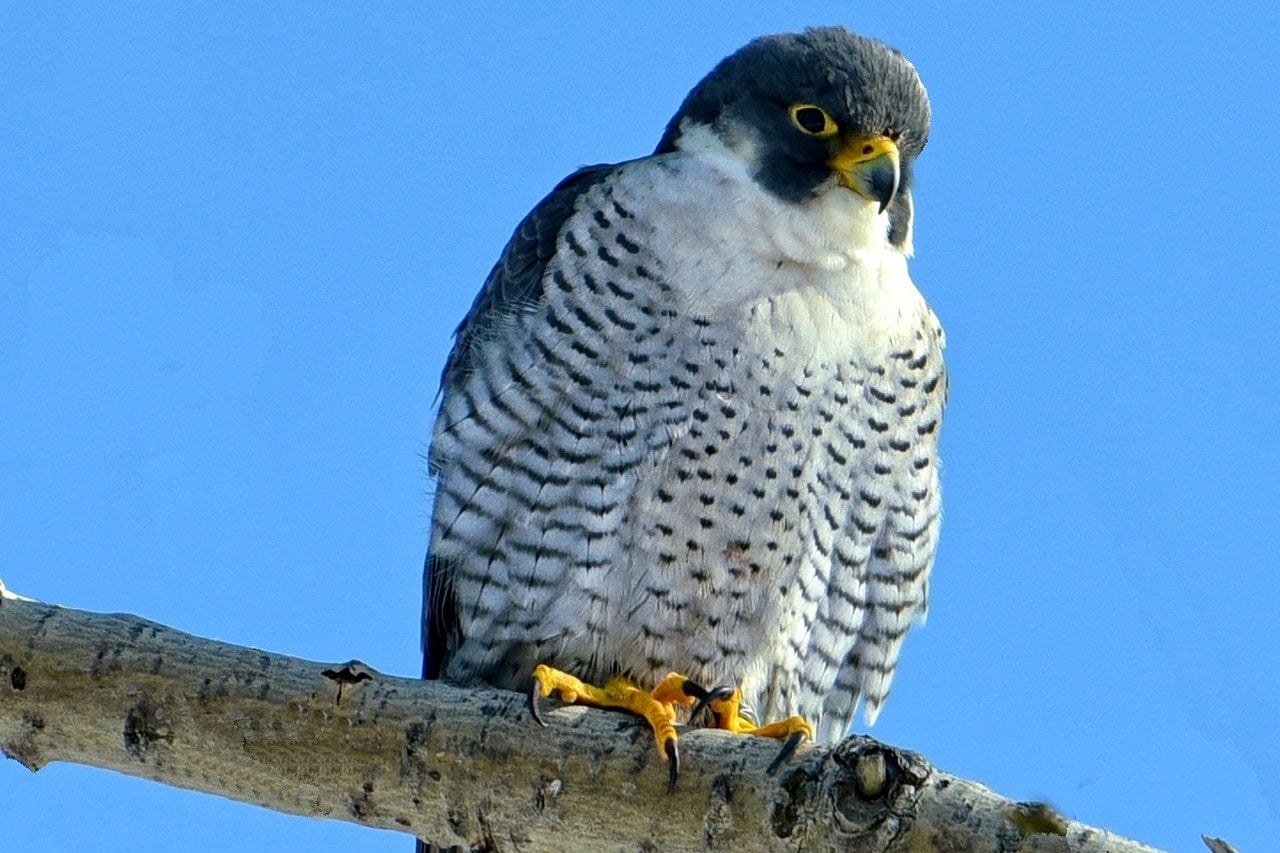
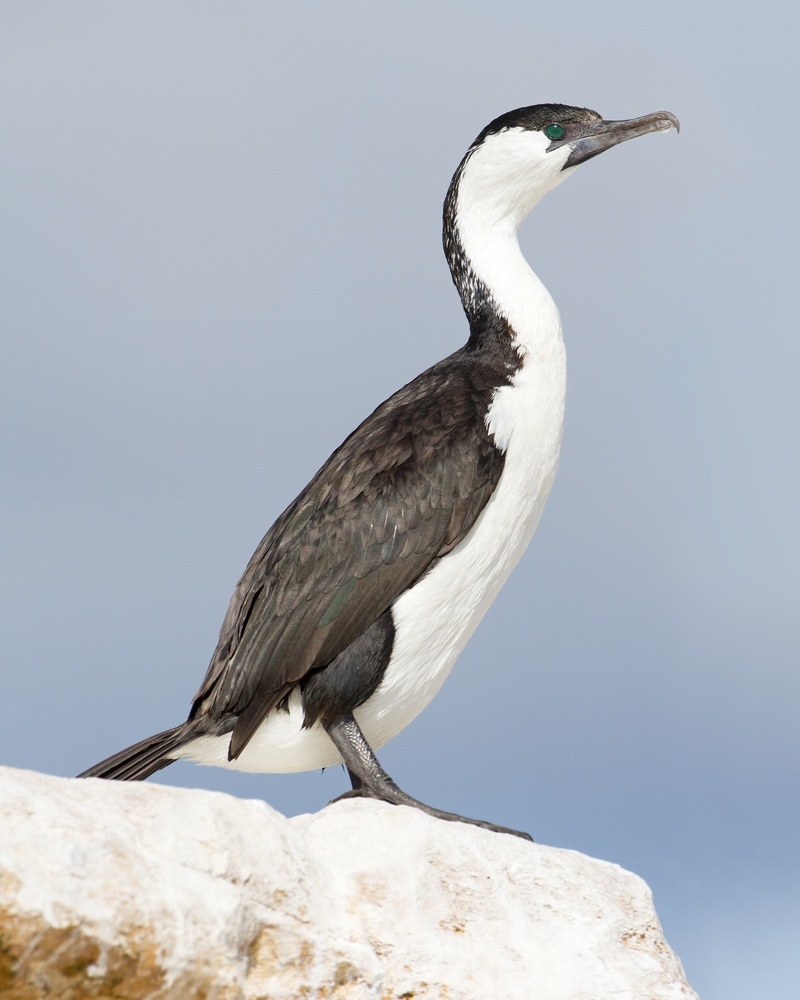
A peregrine falcon has also tested positive at Britton’s Swamp in the far north-west, while a black-faced cormorant has tested positive near Currie on King Island.
They are the first confirmed cases of bird flu in those two species in Tasmania.
Incident Controller Wes Ford said the detections showed the virus was affecting a growing range of Tasmania’s wild birds.
“The detection in a peregrine falcon reminds us that bird flu is not limited to seabirds alone and has the potential to affect some of the wildlife that makes Tasmania unique,” Ford said.
The latest detections bring the number of bird flu events in the state to 28.
An event refers to one or more confirmed cases at the same location, meaning multiple positive birds at one site are counted as a single event.
Tasmania recorded its first bird flu detection on August 12.
Since then, detections have been recorded along the north-west coast, in the north and north-east and in the east and south-east.
The virus has been detected in a range of birds, including silver gulls, crested terns, little penguins, Australian ravens, sooty oystercatchers and skuas.
There have been no detections of bird flu in Tasmanian poultry.
Anyone who sees sick or dead birds or wildlife should avoid contact, record what they see and call the Emergency Animal Disease Hotline on 1800 675 888 or report it online.