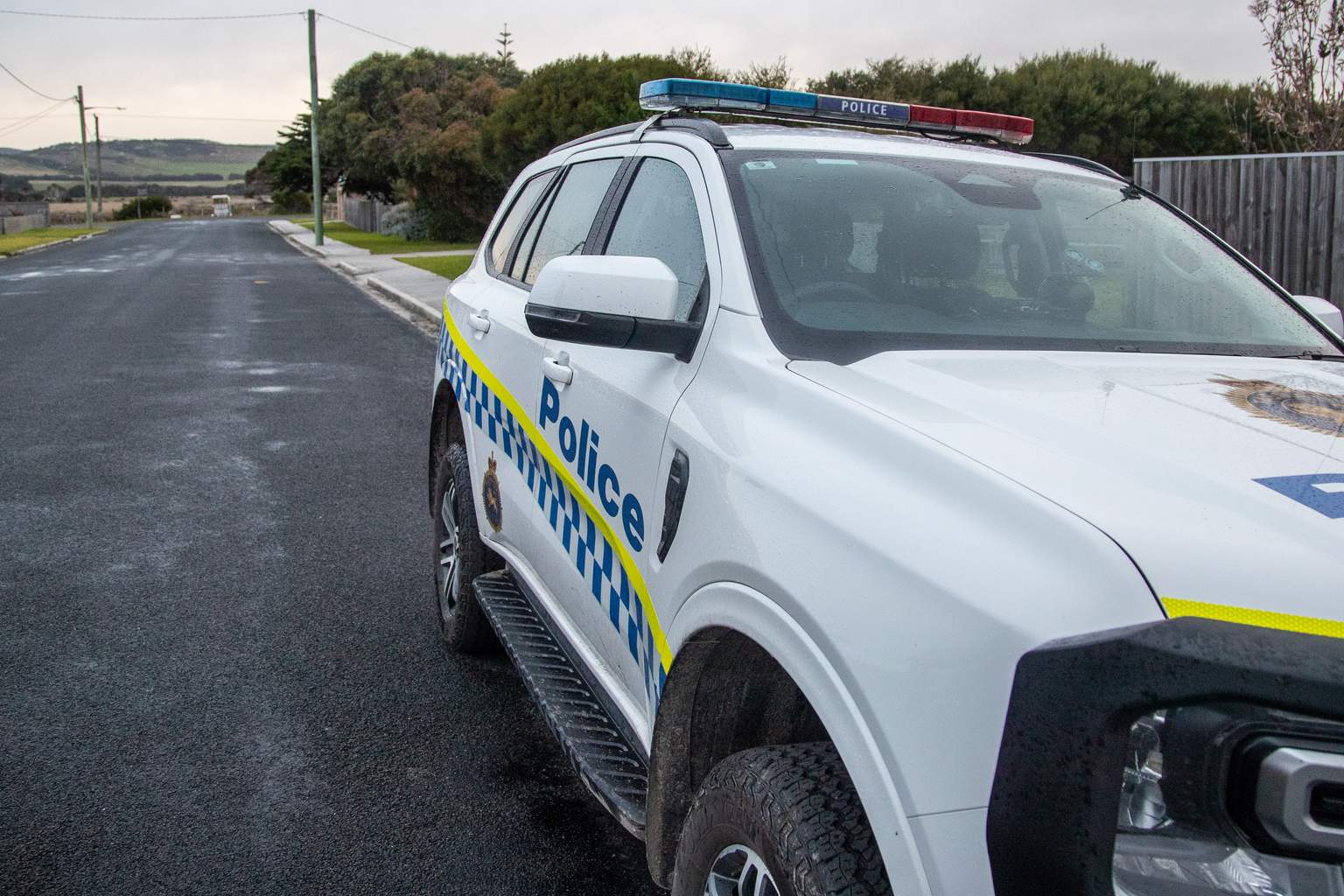
A Tasmanian police officer who struck and killed a pedestrian on Flinders Island had just 0.59 of a second to react, a coroner has found, with investigators finding the crash was unavoidable.
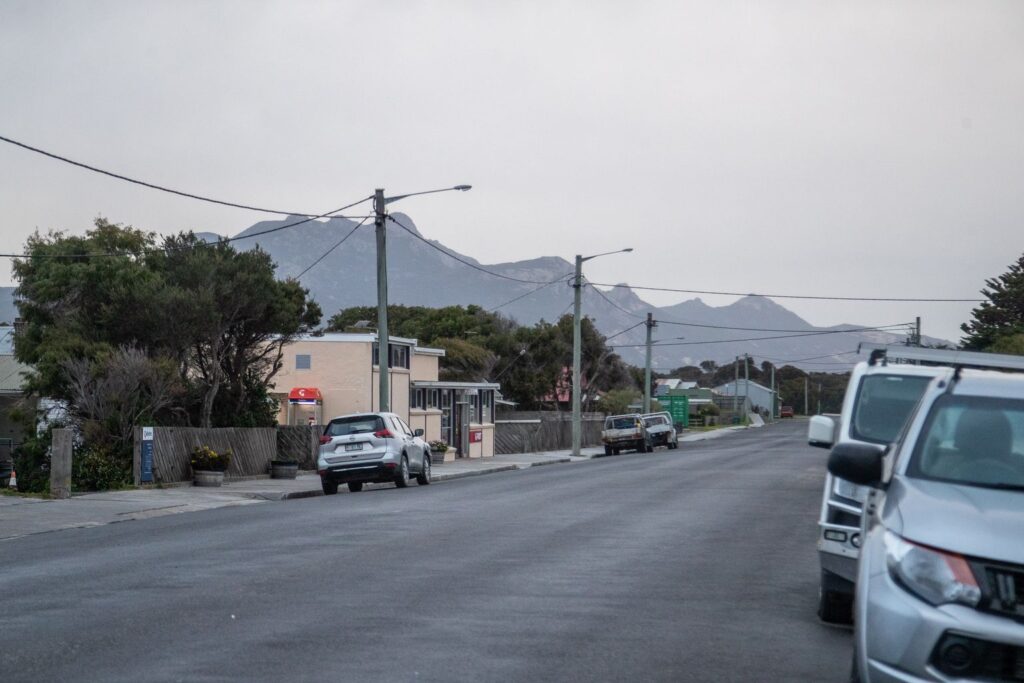
David Stanley Bailey died on August 17, 2024, after being hit by a marked police car on Lady Barron Road.
He had been running along the dark, unlit road wearing a black hoodie.
Coroner Olivia McTaggart handed down her findings on Tuesday, rejecting a bid from Bailey’s widow for a public inquest.
She wrote that Bailey had spent the afternoon at the Furneaux Tavern for a birthday function.
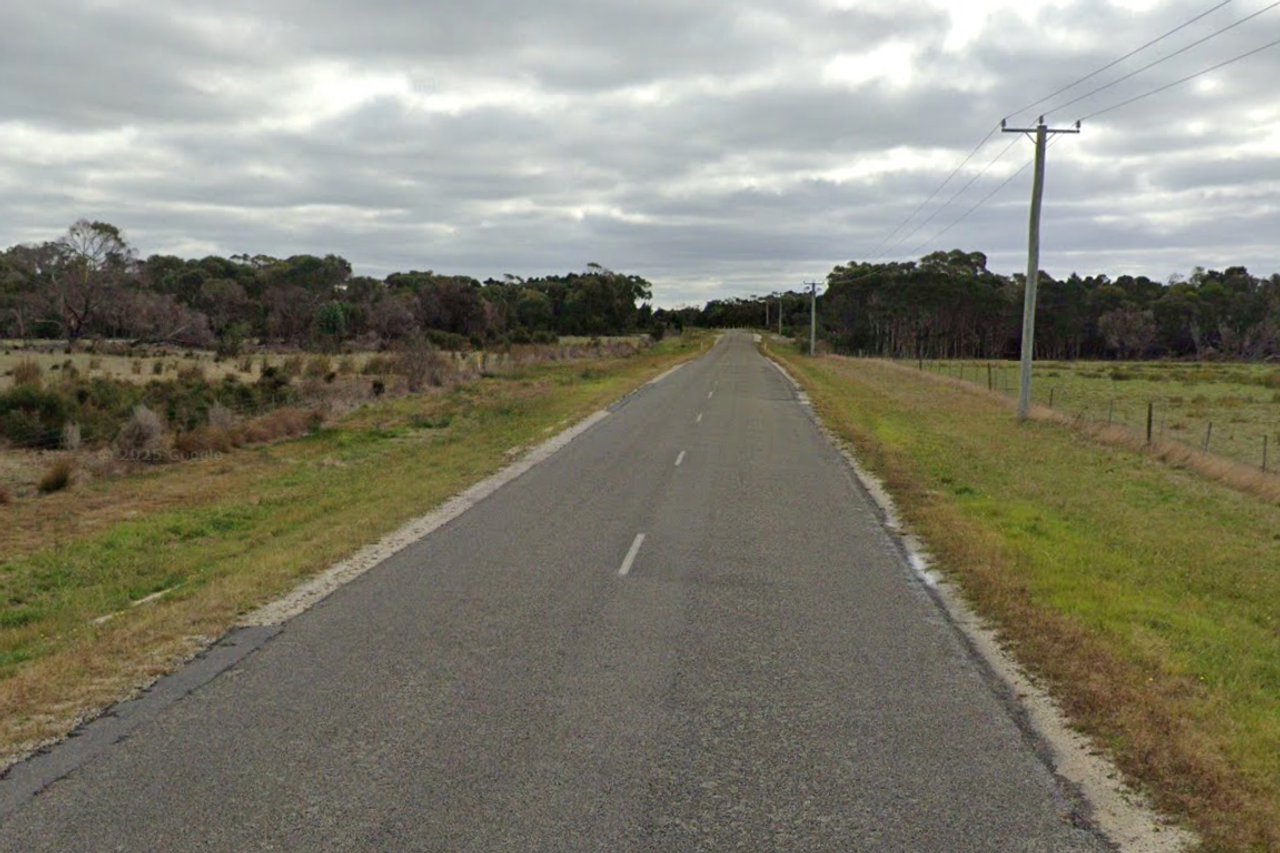
CCTV footage showed he drank 18 handles of beer before leaving alone on foot at 7:53pm.
Later analysis estimated his blood alcohol level at between 0.171 and 0.223 grams per 100 millilitres.
Just minutes before the fatal crash, another driver narrowly avoided hitting Bailey and pleaded with him to get into her car.
The motorist told investigators she was shocked to see him on the road.
“… I could have hit him because he was in a black hoodie in the dark and it was really hard to see him,” she said.
“I said that it was dangerous and I told him to hop in with me and I’d drive him home.” He declined her offer of a lift.
The sergeant behind the wheel was driving a marked Toyota Prado at about 100km/h with his headlights on low beam, as another car was travelling ahead of him.
Crash investigators found Bailey would have been visible for just 0.59 of a second at that speed.
The average driver reaction time is around three seconds.
Scuff marks stretching 82.5 metres showed the officer swerved but could not stop in time.
The lead crash investigator said the 33-year police veteran had shown “exceptional” reaction time, finding the collision “was imminent and unavoidable”.
A roadside breath test returned a negative result and a later blood sample also detected no alcohol.
The Director of Public Prosecutions found the sergeant had committed no offences.
McTaggart found Bailey’s intoxication had impaired his judgement and contributed to him being in a dangerous position on the road.
“… The evidence allows me to make the requisite findings under section 28 of the Act without holding a public inquest,” McTaggart said.
“They are able to be made upon robust, consistent and credible evidence.”