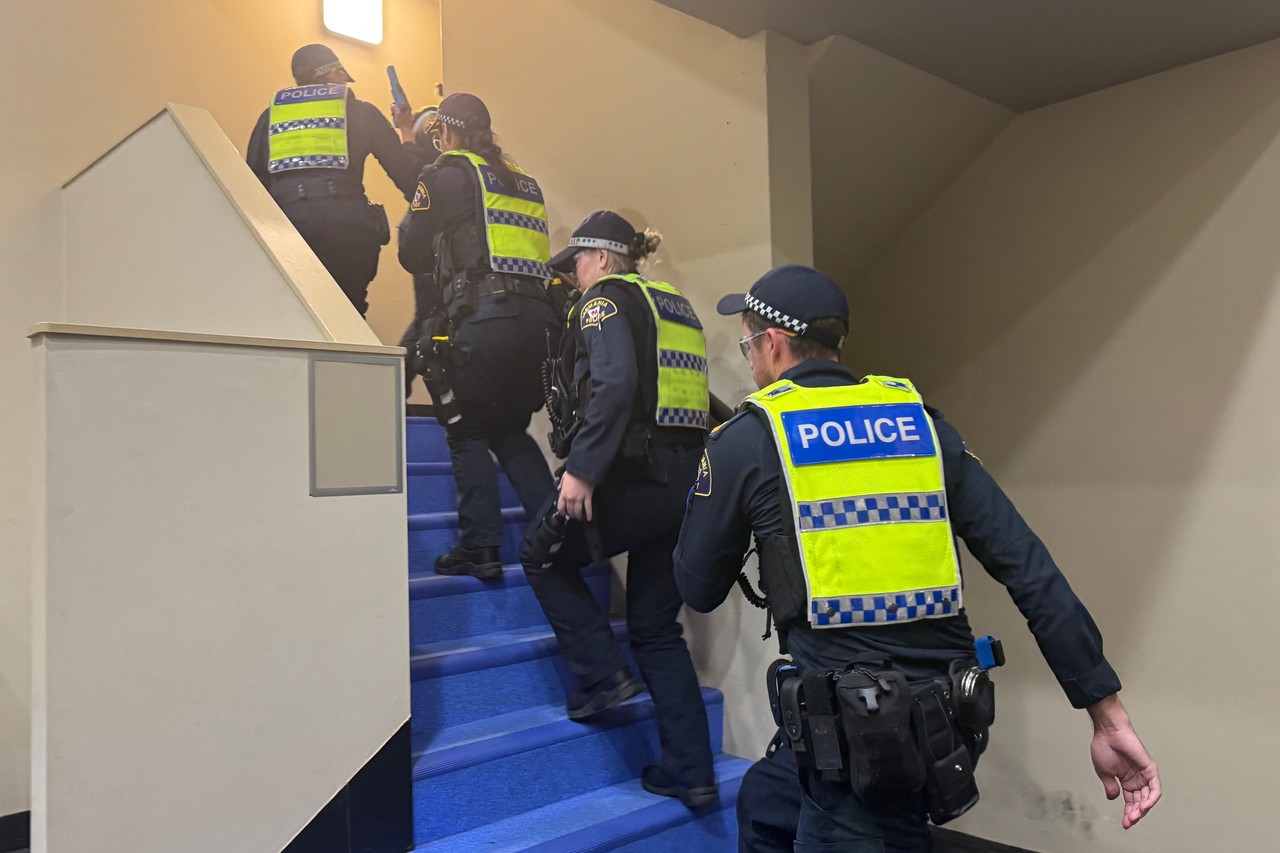
Tasmania Police have tested their response to an armed attacker at a major Launceston venue, in the second large-scale counter terrorism exercise in the state in recent weeks.
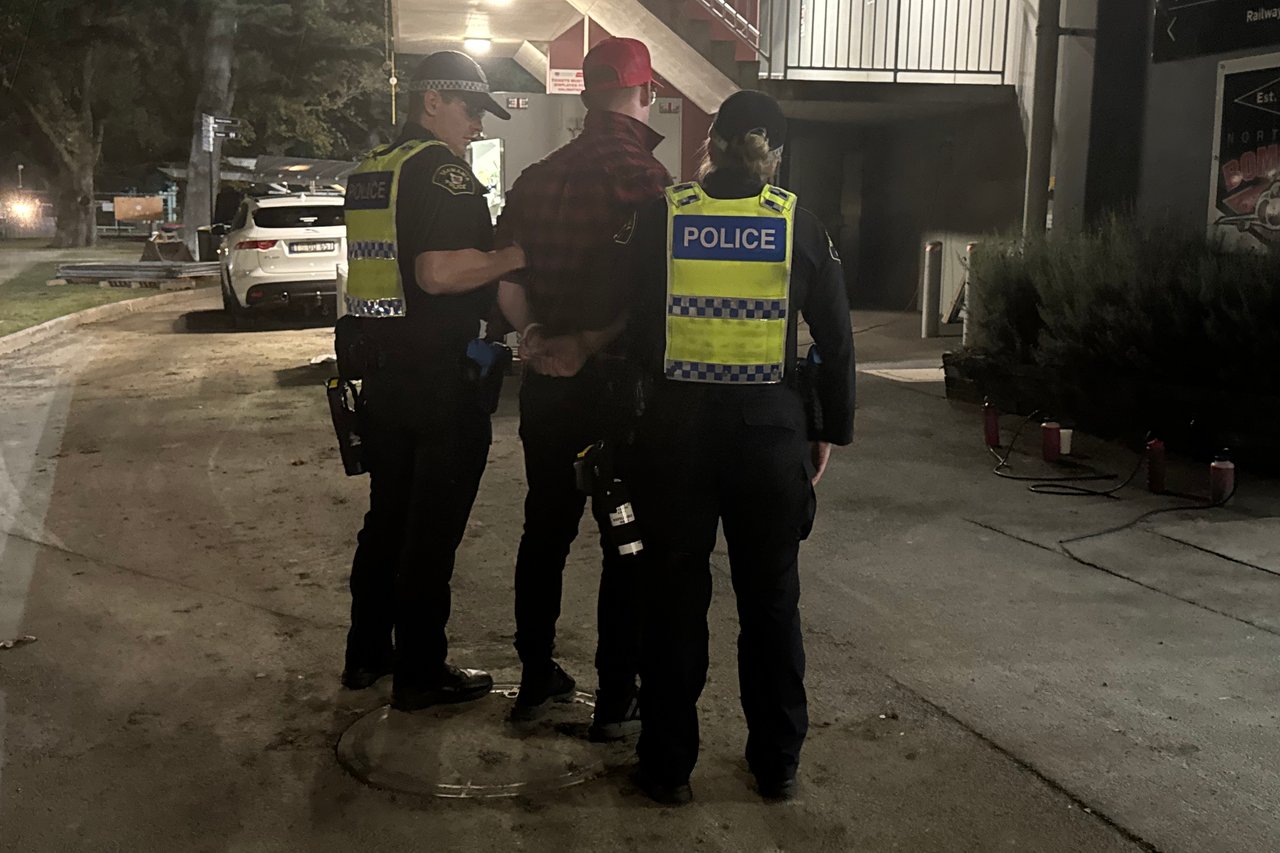
The after-hours drill at UTAS Stadium last night simulated a fast-moving incident involving an armed offender in a crowded stadium environment.
Frontline officers, specialist units and stadium staff worked through how they would respond in the critical first minutes of an active armed offender event.
Assistant Commissioner Adrian Bodnar said the exercise allowed participants to rehearse their plans under realistic conditions.
“The scenario enabled frontline police, specialist units and UTAS Stadium to test their plans and practise how they would act in the critical first moments of an incident,” he said.
“While Tasmania is a safe place to live, exercises like this are essential to ensuring we are well prepared for situations that can unfold with little to no warning.”
Bodnar said operators of public spaces were often the first people confronted in an attack.
“… Their ability to respond quickly, safely and calmly can make an enormous difference in protecting themselves, their staff and the public,” he said.
The Launceston exercise follows a similar drill three weeks ago at Hobart’s Cat and Fiddle Arcade, where police responded to a simulated knife attack by an offender armed with a box cutter.
In that scenario, mock victims sheltered in nearby shops and retail workers barricaded doors while officers moved through the arcade with imitation firearms drawn before apprehending the attacker.
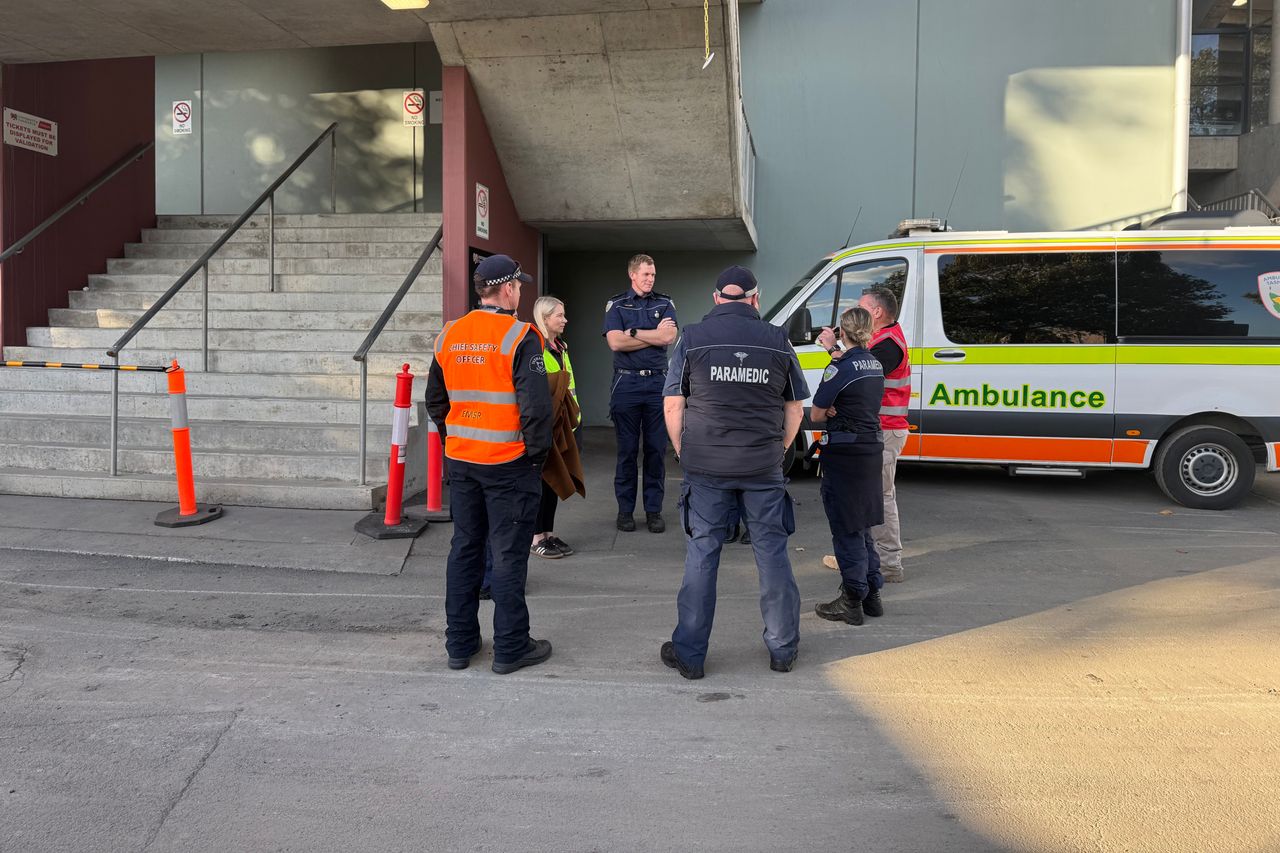
Both exercises are part of a national program funded by the Australia-New Zealand Counter Terrorism Committee to build counter terrorism capability across all states and territories.
Bodnar also used the exercise to remind the public of the national “Escape. Hide. Tell.” advice.
That means moving away from danger if it is safe, hiding from view and silencing your phone if escape is not possible and calling Triple Zero (000) when it is safe to do so.
“Being prepared and knowing what to do can save your life and the lives of others,” Bodnar said.