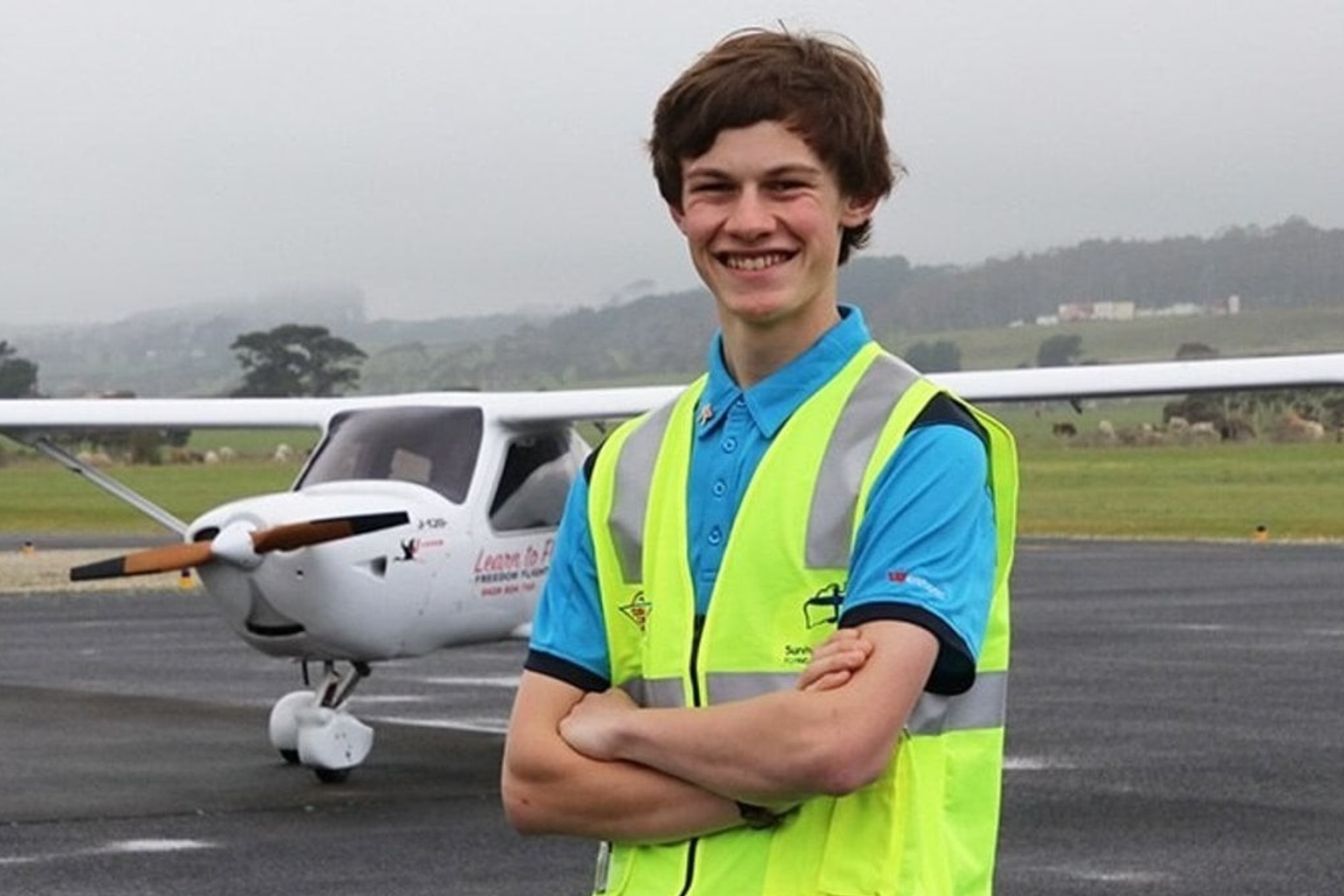
Witnesses saw the plane flown by Tasmanian pilot Bob Bramley descend steeply nose-down before it hit the sea at very high speed, a preliminary report has found.
The Australian Transport Safety Bureau (ATSB) today released its preliminary report into the crash off the Northern Territory on August 25, which killed the young pilot from Kindred near Devonport.
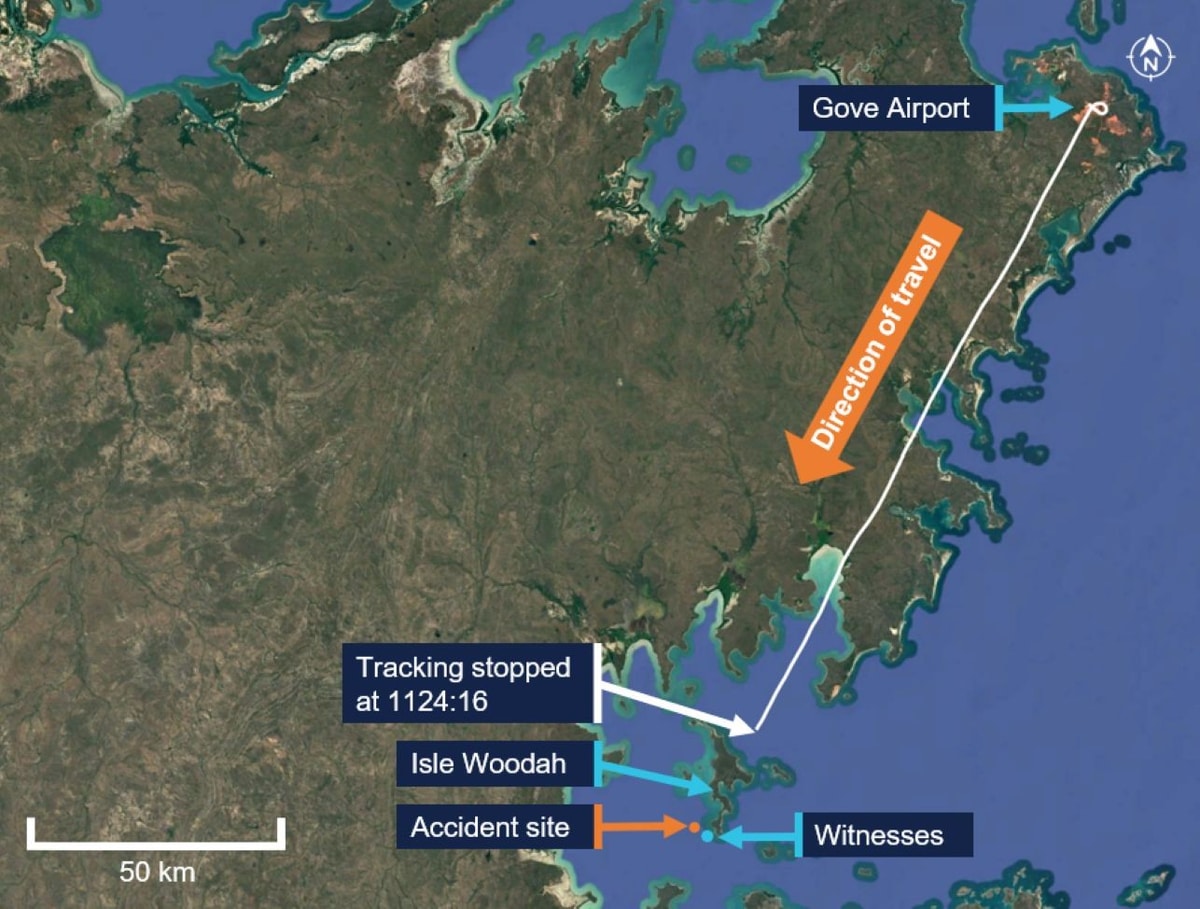
Bramley left Gove Airport at 10:58am in a twin-engine Beechcraft Baron. He was flying alone to Numbulwar to collect four passengers.
At around 11:27am, people fishing from an anchored boat near Isle Woodah saw the plane pass.
They heard the plane’s engine noise grow louder, which they took to mean it was running at high revs.
“They observed the aircraft descend at an estimated 35-45 degree nose down attitude with its wings-level, before it collided with the water at very high speed,” the ATSB said.
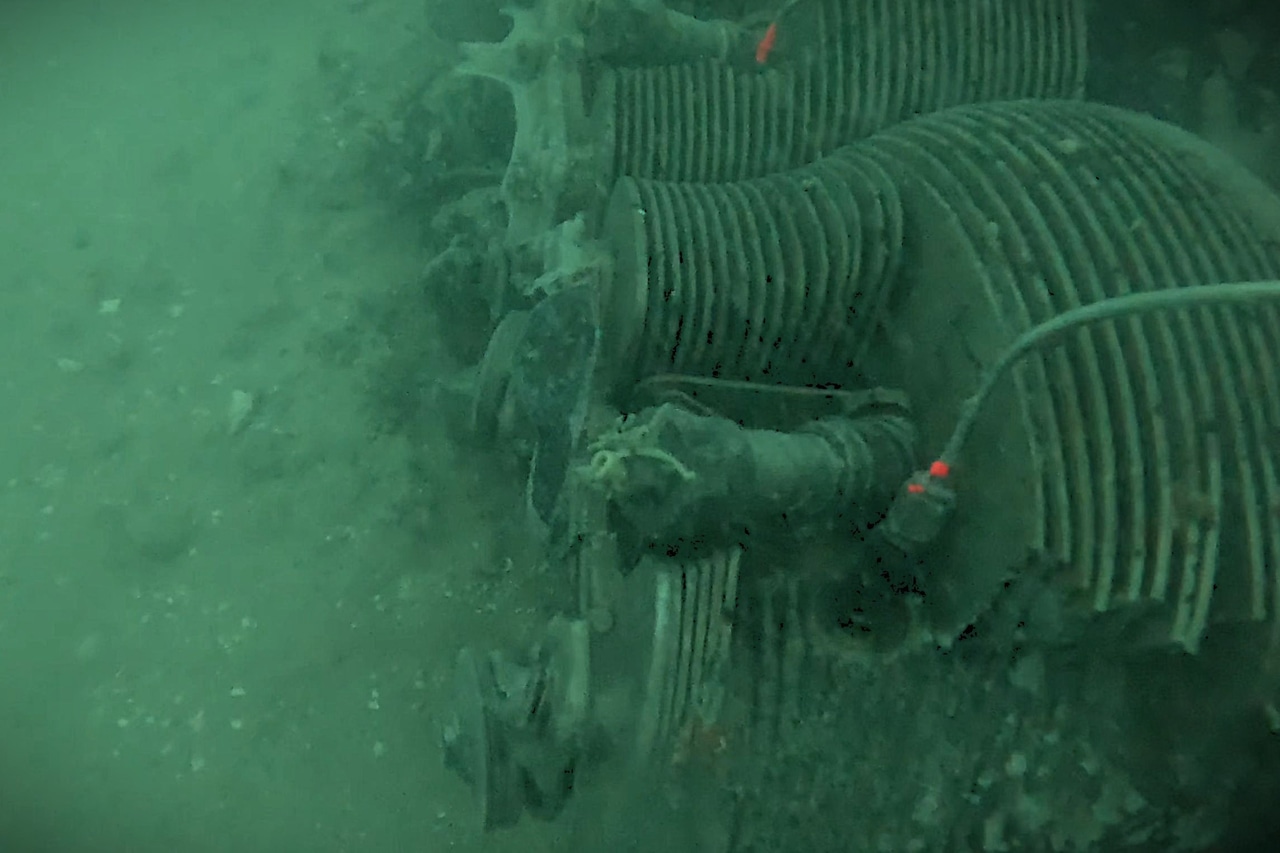
The witnesses went to the site and found a fuel and oil slick and many small pieces of wreckage.
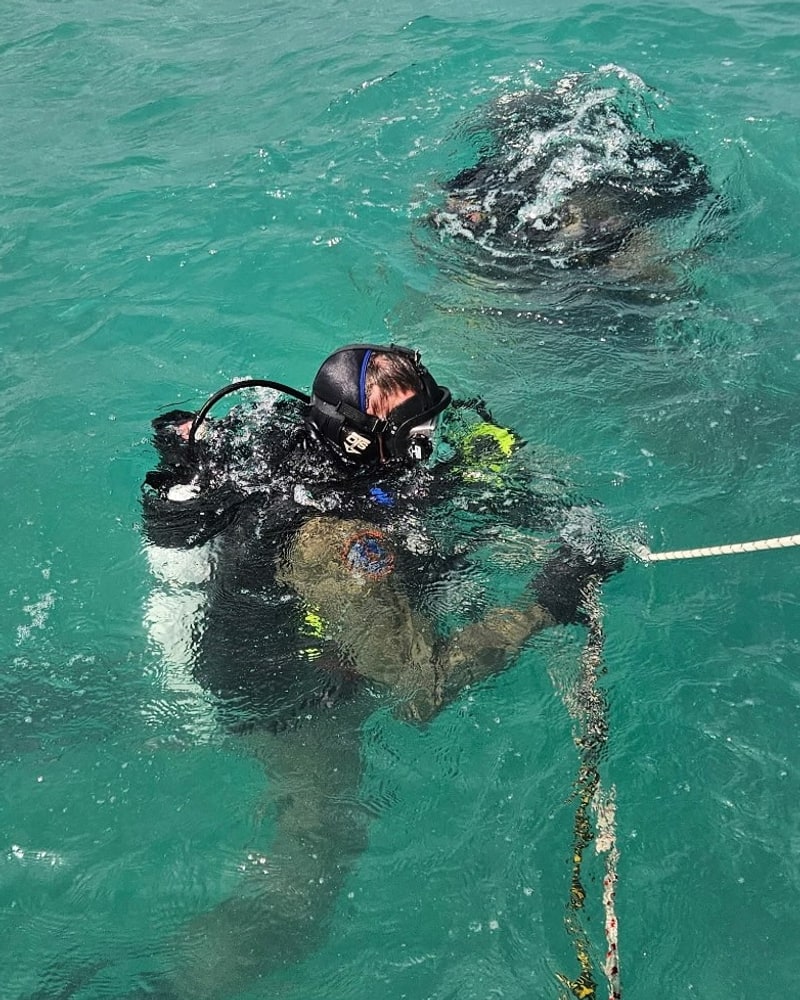
NT Police divers later confirmed the plane had broken into many pieces, consistent with a high-speed impact.
ATSB chief commissioner Angus Mitchell said the final minutes of the flight were not recorded.
Mitchell said the last reported data point was at 11:24am, approximately three minutes prior to the impact.
He said at this time the aircraft was still at 4,800 feet and 23 kilometres from the crash site.
“The aircraft was not fitted with a flight data recorder or cockpit voice recorder – nor was it required to be – and there was no ADS‑B data,” Mitchell said.
Bramley was flying for NT charter operator Air Frontier. At 16, he flew solo around Australia to raise awareness of youth suicide prevention.
The ATSB will examine maintenance records, pilot and operational documents and parts recovered from the plane.
It will release a final report at the end of the investigation.