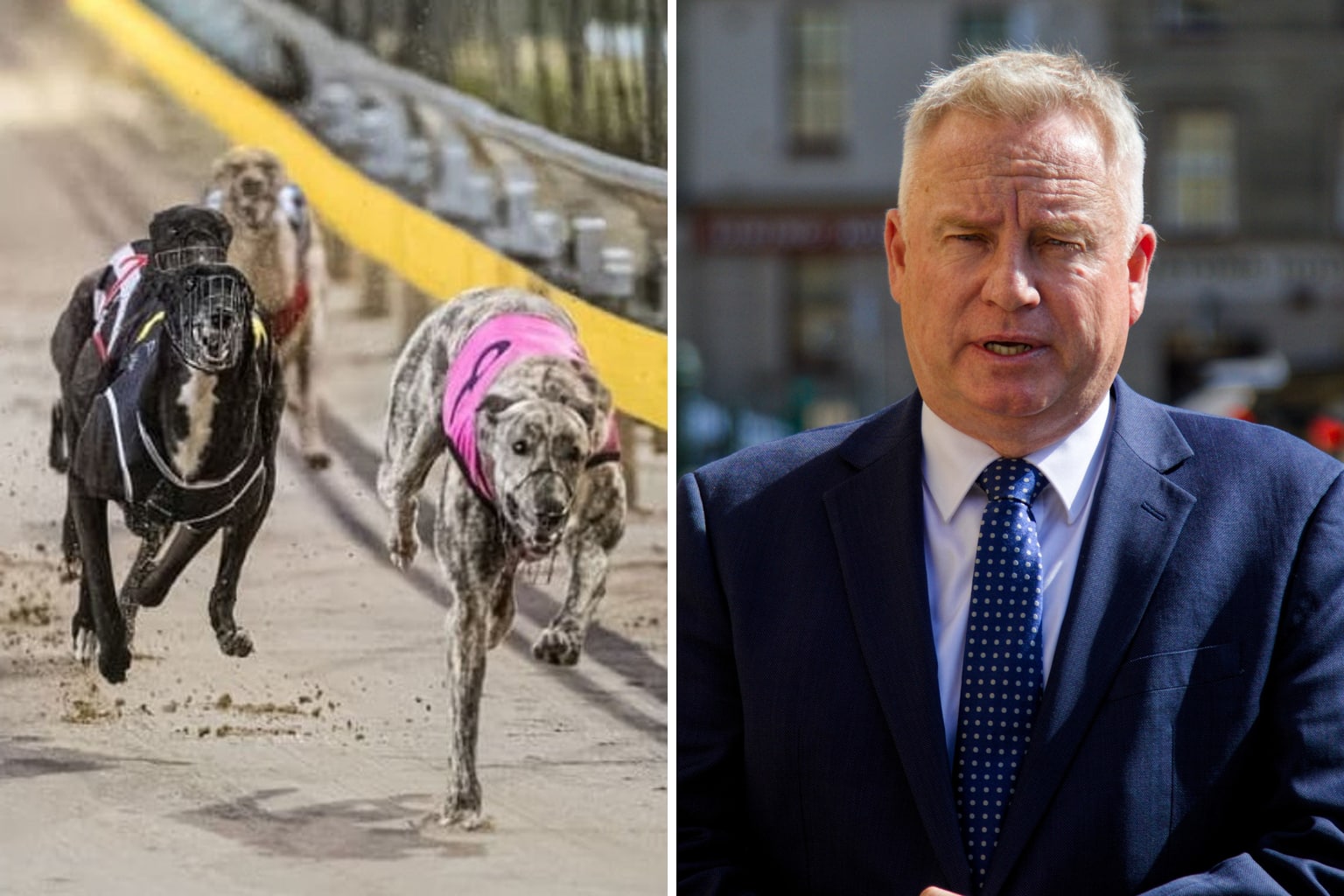
Premier Jeremy Rockliff insists greyhound racing “needs to end and in fact will end in 2029”, despite the upper house voting down his government’s phase-out bill.
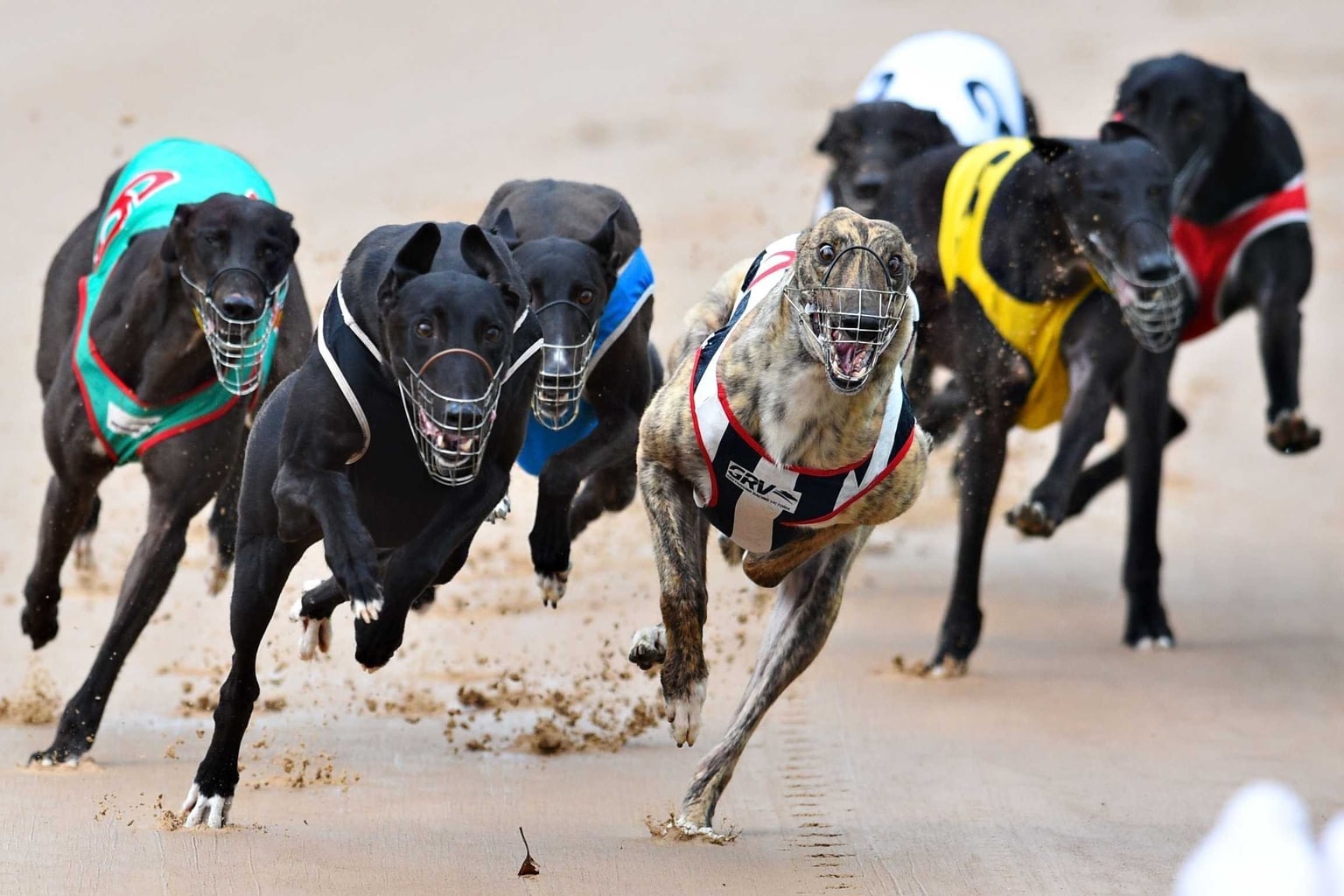
The Legislative Council rejected the Greyhound Racing Legislation Amendments (Phasing Out Reform) Bill 2025 on Wednesday night after all three undecided independents voted against it.
The government needed the support of two of them to pass the bill, which would have ended greyhound racing by June 30, 2029.
During question time today, Rockliff told parliament funding for the industry “will cease”.
“The parliament has spoken and we need to find ways of which we can end this,” he said.
Asked by Greens leader Rosalie Woodruff whether the Racing Integrity Commissioner would review the rules of racing, he said: “Yes, absolutely, we will consider that.”
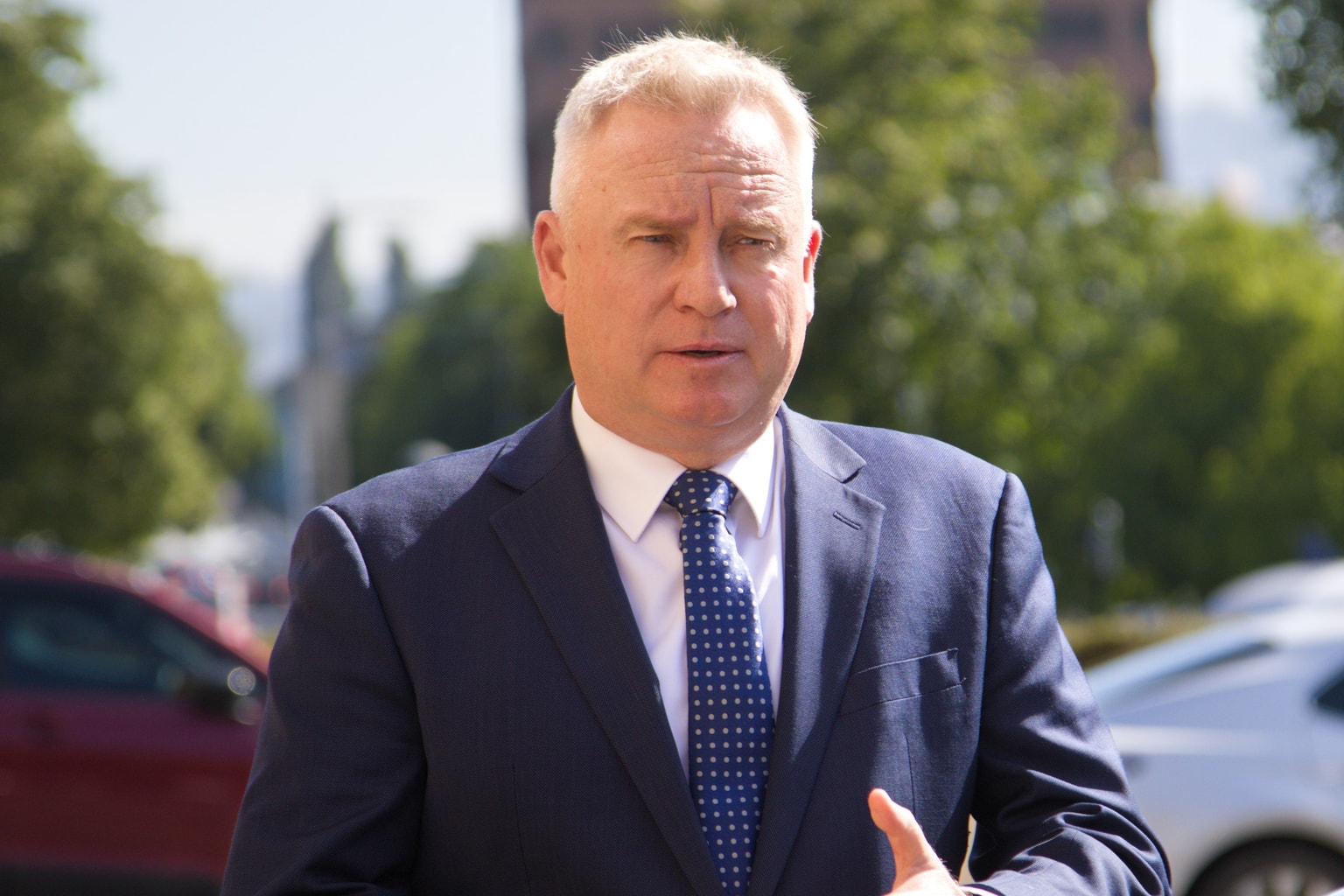
Speaking at a press conference earlier, Rockliff said compensation for participants “as earmarked in the legislation will not proceed”, but investment in integrity and regulation would continue.
“We have other ways that we can support further regulation of the industry,” he said.
He blamed Labor for the bill’s defeat, saying it “would have gone through the parliament 12 months ago if it were not for the Labor Party.”
Shadow racing minister Dean Winter told reporters the government’s own 2024 racing legislation required it to regulate greyhound racing and that defunding that regulation was “potentially unlawful”.
“They need to explain today what defund greyhound racing actually means,” he said.
He said Labor’s policy was for greyhound racing to generate as much revenue as it pays out in stakes and called on the government to finalise a racing funding deed beyond 2029.
In question time, Winter withdrew an interjection in which he asked the premier: “Are you going to turn up to a racetrack over summer? Good luck if you do.”
Treasurer Eric Abetz had said the remark “sounds a bit like a threat”.
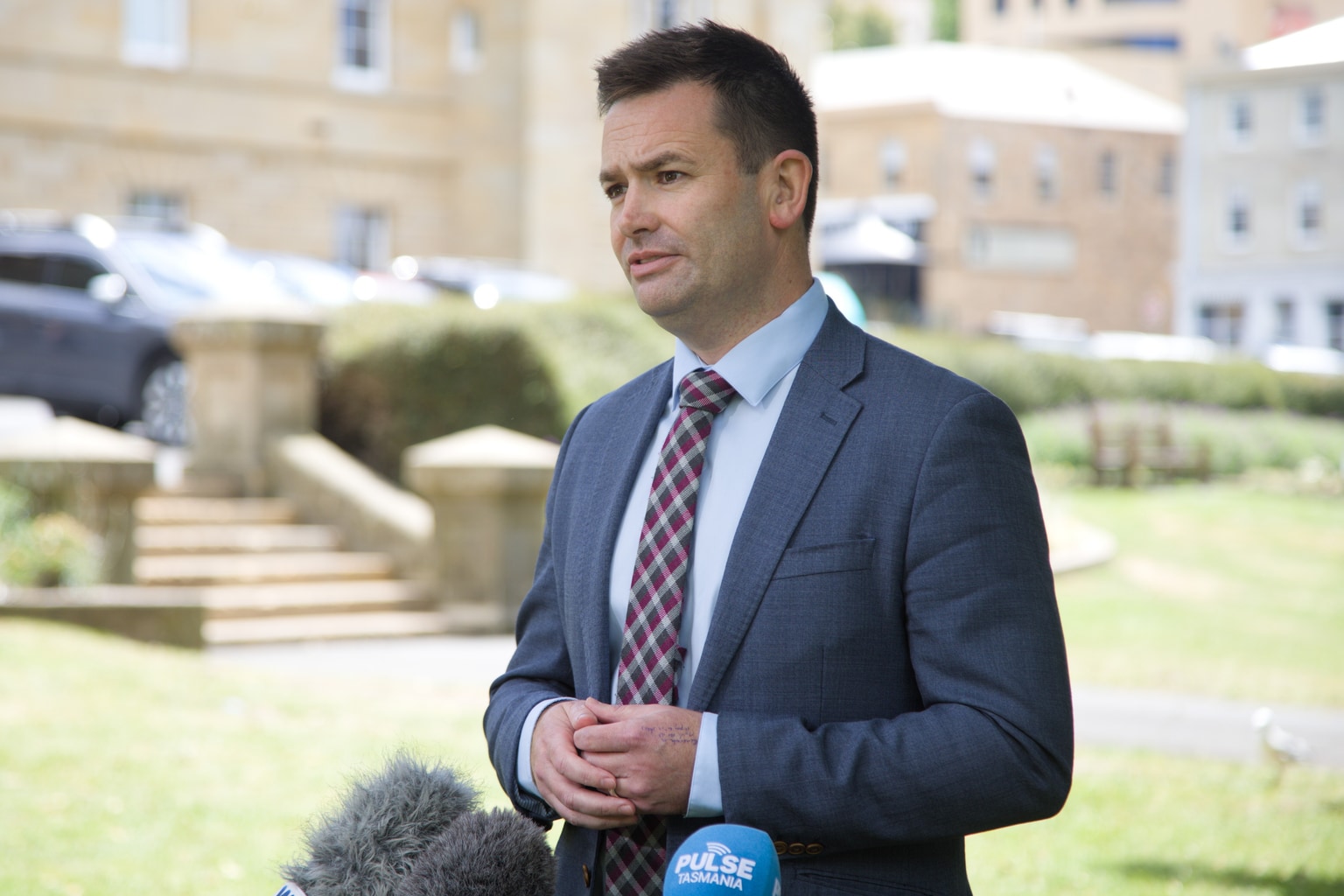
Winter later told reporters industry participants would give the premier “some pretty strong feedback”, but would “do so respectfully”.
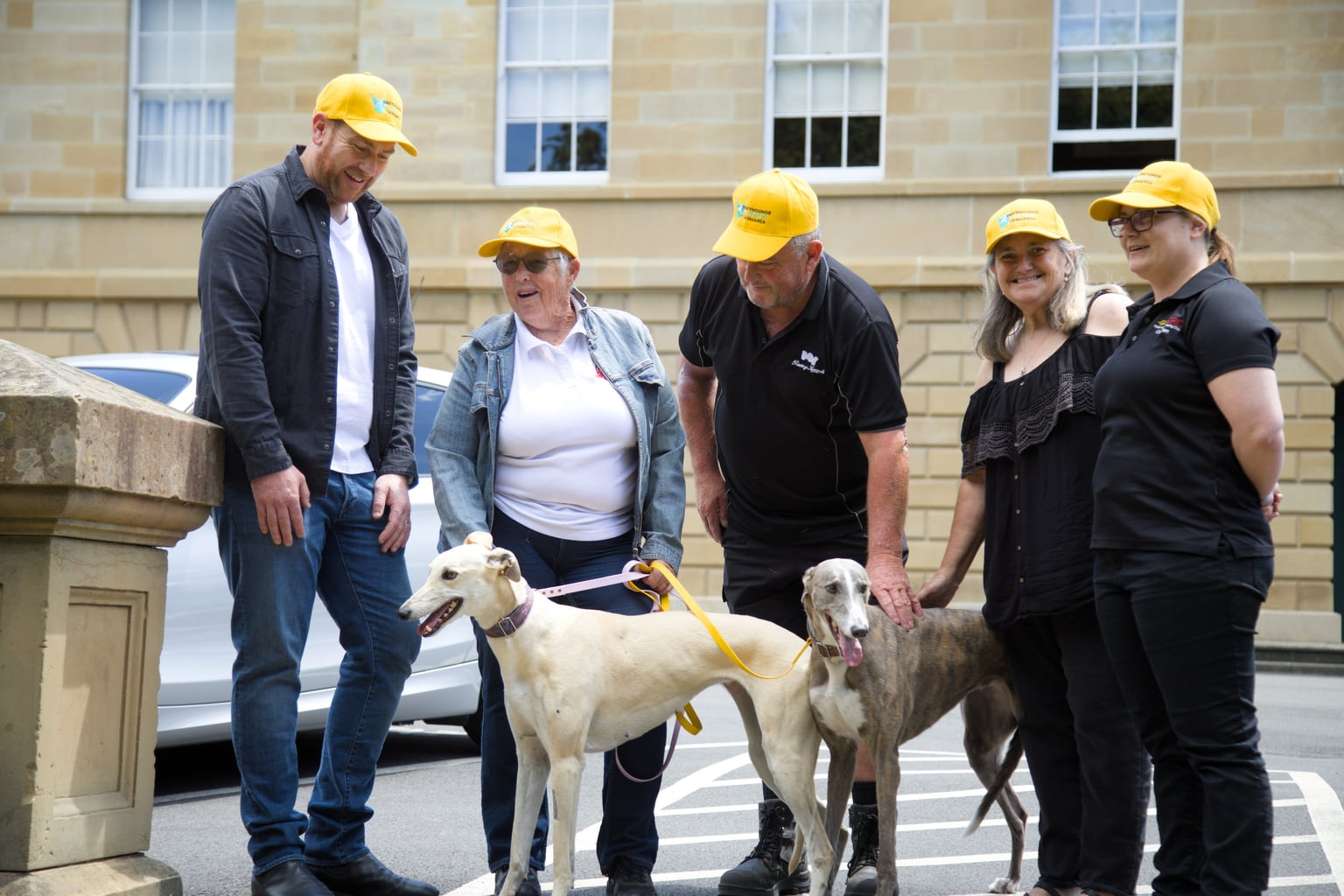
Hobart Greyhound Racing Club’s Claire Robins told reporters participants were relieved by the outcome of the vote but “still nervous after the premier’s comments”.
“The thought of defunding greyhound racing leaves a huge hole and leaves the industry incredibly vulnerable because that funding deed does support the regulatory systems that keep us in check,” she said.
Robins said the uncertainty had taken “a massive financial, mental and emotional toll” on participants.
“What last night’s debate showed us is once you leave Hobart and head out into the suburbs … there’s a lot more support for greyhound racing,” she said.
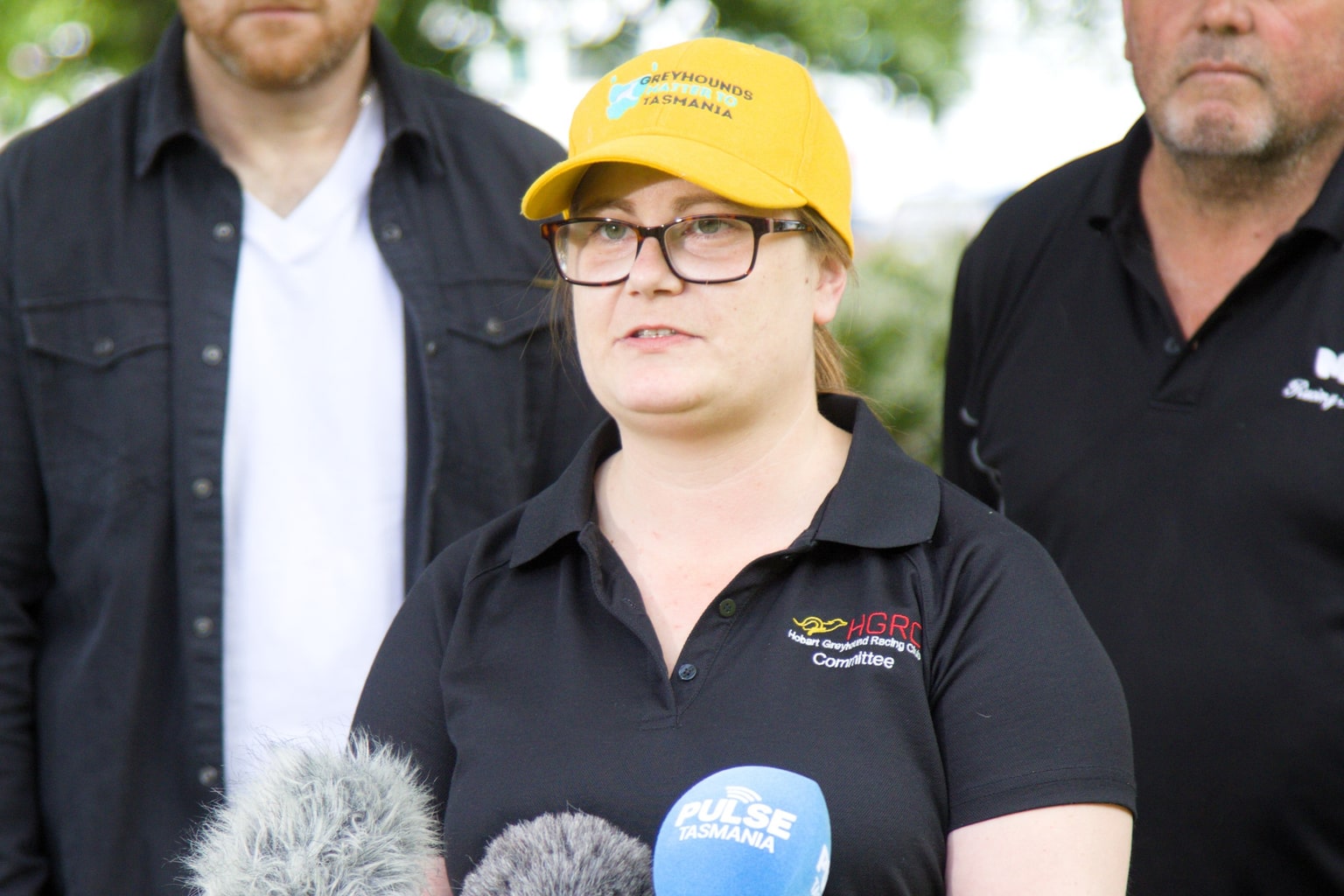
Robins said having the “backing of One Nation”, which supports the greyhound racing industry, “gives us that little bit more confidence moving forward”.
She said the premier’s “cashed-up mainland thugs comment isn’t going to go away overnight”, referring to remarks he made in parliament in March, but the industry was “willing to work with the government” on welfare and safety.
She said participants would continue to conduct themselves “in a polite, courteous manner”.
Supporters of the ban said the bill’s defeat would not end their push to shut down the industry.
Independent Clark MP Kristie Johnston, who sits on the joint committee examining the transition, said she was “deeply disappointed”.
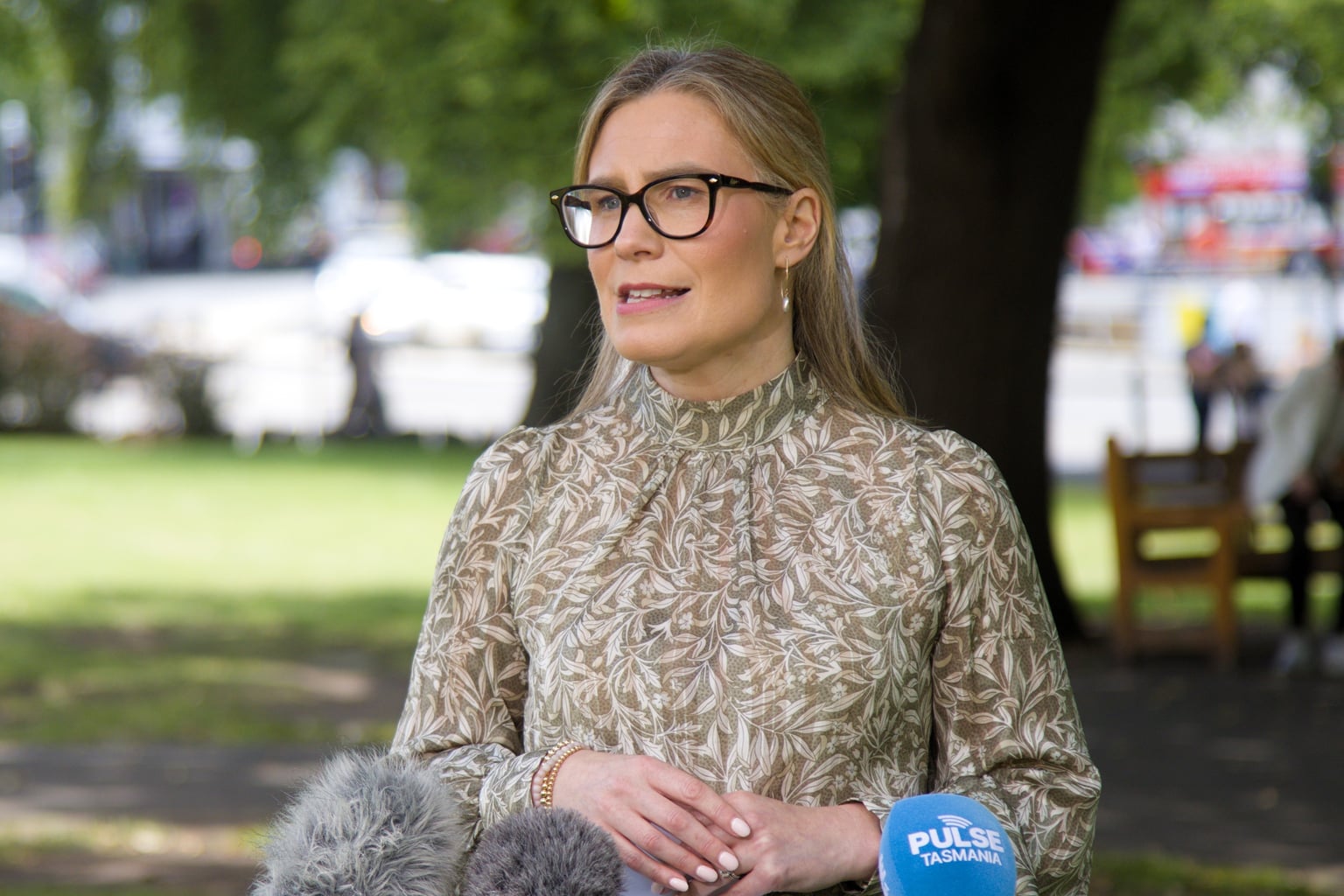
“There cannot be a legislative ban on greyhound racing. But quite clearly, a lot of community and a lot of people in the parliament have said that they want to see the end to greyhound racing,” she said. “There are different ways to achieve that.”
She said the committee had flagged risks to both industry participants and animal welfare if the bill failed.
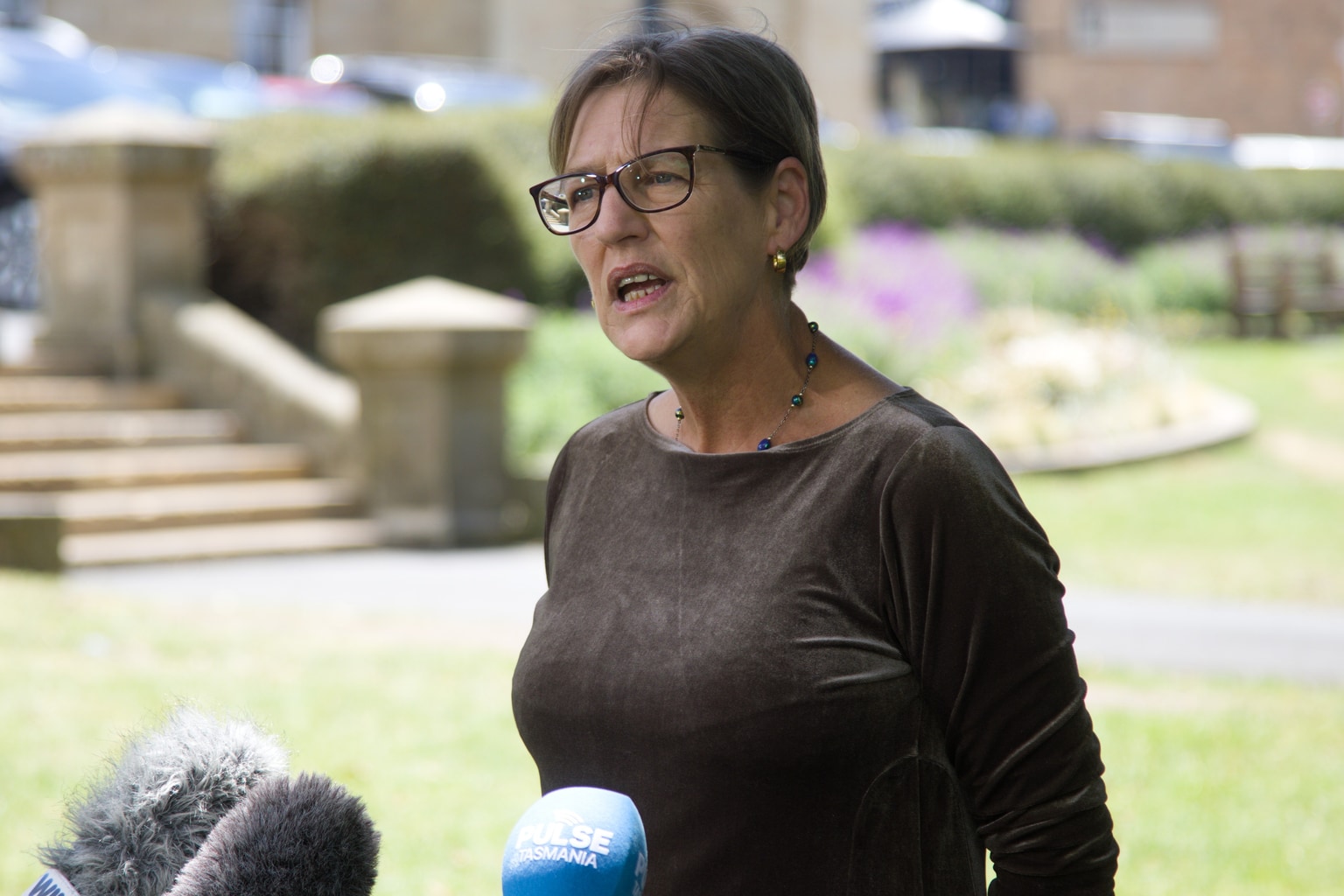
Greens Hobart MLC Cassy O’Connor said the upper house had “made a terrible mistake”.
“That maiming and killing of these beautiful dogs now sits on the shoulders of people who voted against this bill,” she said. “This industry is on the way out.”
RSPCA Tasmania chief executive Andrea Dawkins said the Legislative Council “had the chance to protect greyhounds and chose not to”.
She called for lifecycle tracking of every dog, public reporting of every injury and death and independent welfare audits “until racing ends”.
“The industry should not mistake [the vote] for a reprieve,” she said.