The Macquarie Point stadium could be expanded to accommodate 30,000 spectators for sport without moving its roof, the head of the corporation overseeing the project has said.
Macquarie Point Development Corporation chief executive Anne Beach told ABC Radio Hobart on Wednesday the design allowed for the seating bowl to expand without affecting the roof’s coverage.
“We’ve designed it in principle to do that [expand].and we’re working through the details to make sure that can happen,” she said.
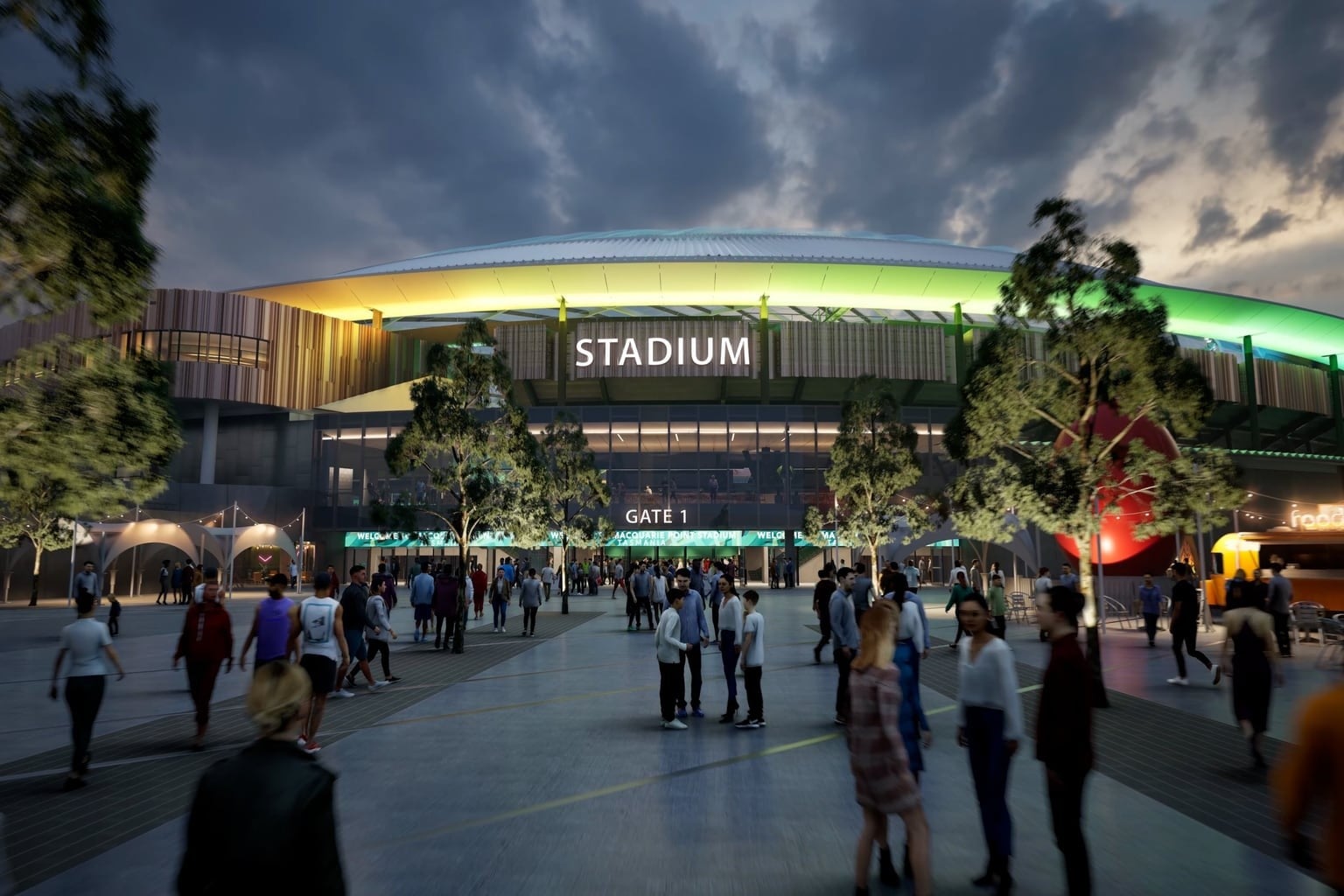
The stadium is planned to have 23,000 seats and 1,500 standing places, giving it an initial sporting capacity of 24,500. Its capacity for concerts will be just over 31,000.

Beach said the seating bowl and roof were separate structures, allowing for additional seating on the eastern side. The corporation had asked its preferred builder, BESIX Watpac, to examine how the design could accommodate an expansion to 30,000.
Her comments came a day after the government revealed the stadium’s estimated cost had risen by $100 million to $1.23 billion.
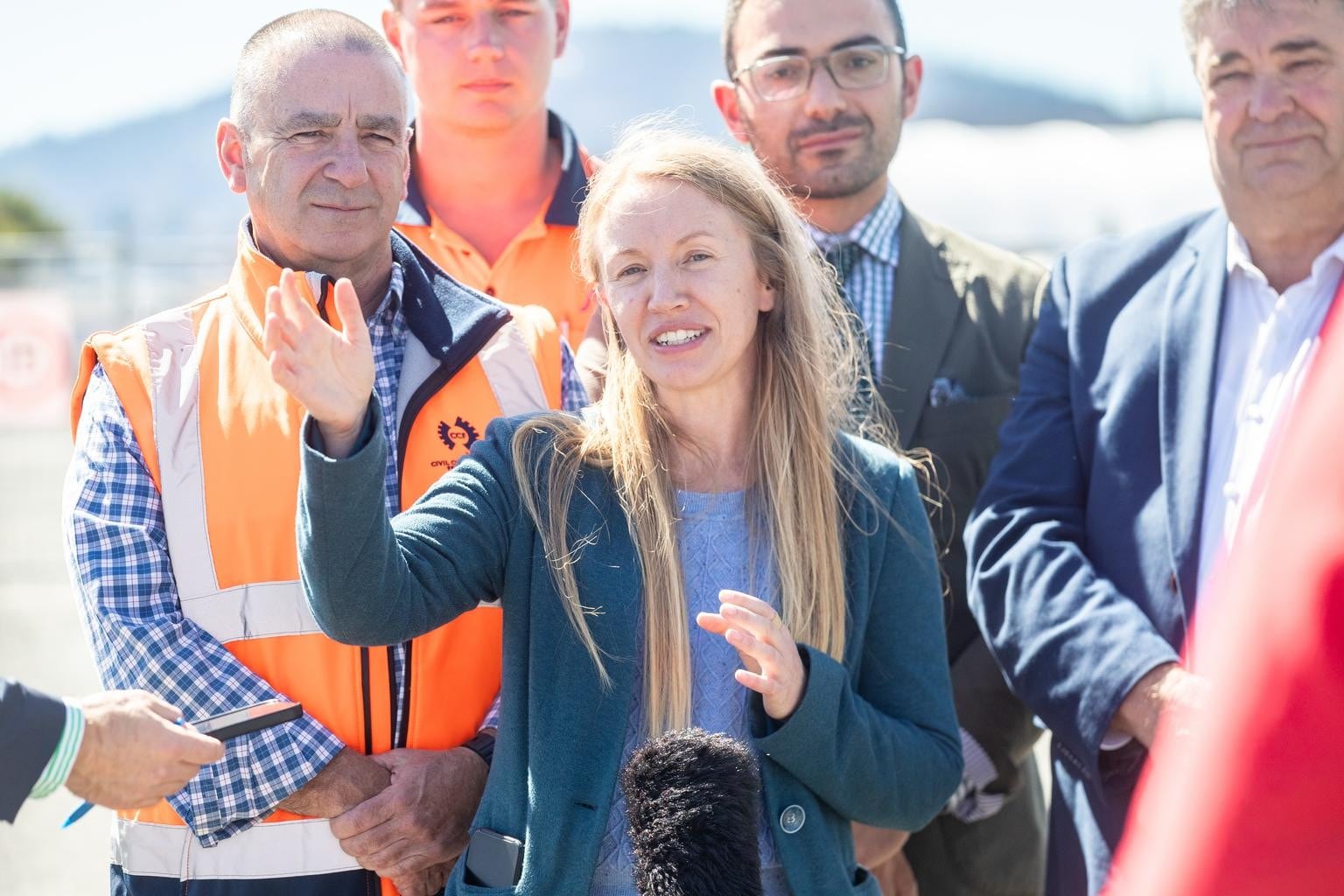
Beach said the estimate covered the stadium itself, including fixed furniture and equipment. With precinct works and project delivery costs added, the total was just over $1.5 billion.
About $100 million in savings had been found over the life of the project through value management, rather than cuts to its scope, Beach said.
One example was painting, rather than galvanising, the steel supporting the seating.
“Sounds small but offers a few million dollars saving,” she said.
“From now to the end, it is much harder to find those.”
Beach would not disclose the size of the project’s contingency, saying it was not part of the base budget and that revealing it could indicate to the contractor how much additional funding might be available for variations while negotiations continued.
The contract with BESIX Watpac is expected to be signed by the end of the year.
Interest during construction will be covered by borrowing support set aside in the last state budget. Beach said the arrangements for managing the debt after construction were completed were still being worked through.
“It’s really a decision for government about what is the best way to manage that debt at that point in time,” she said.
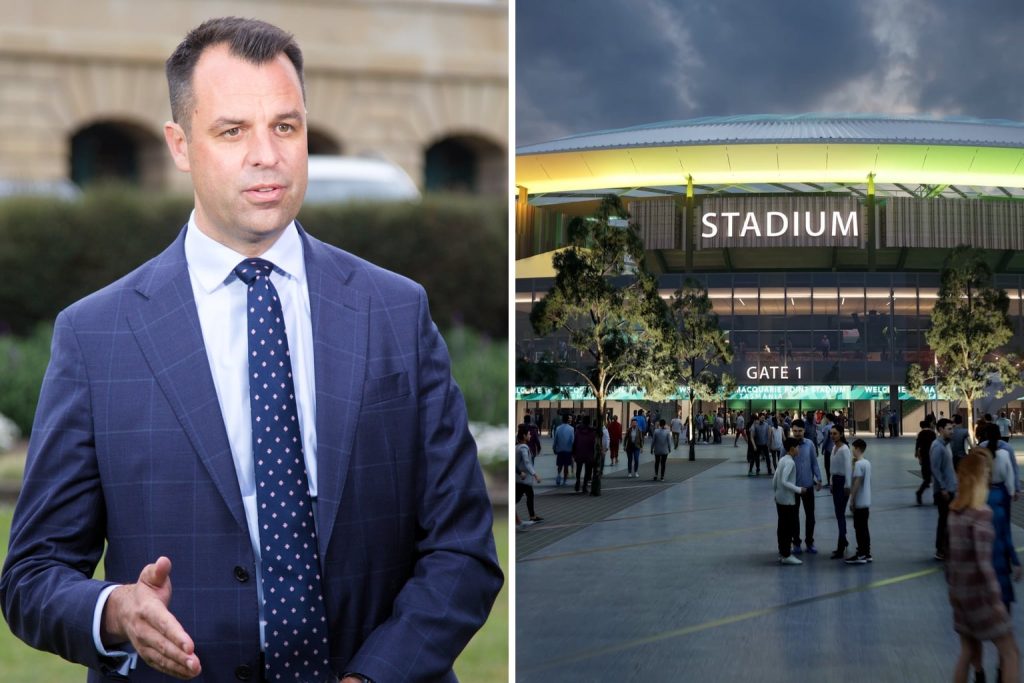
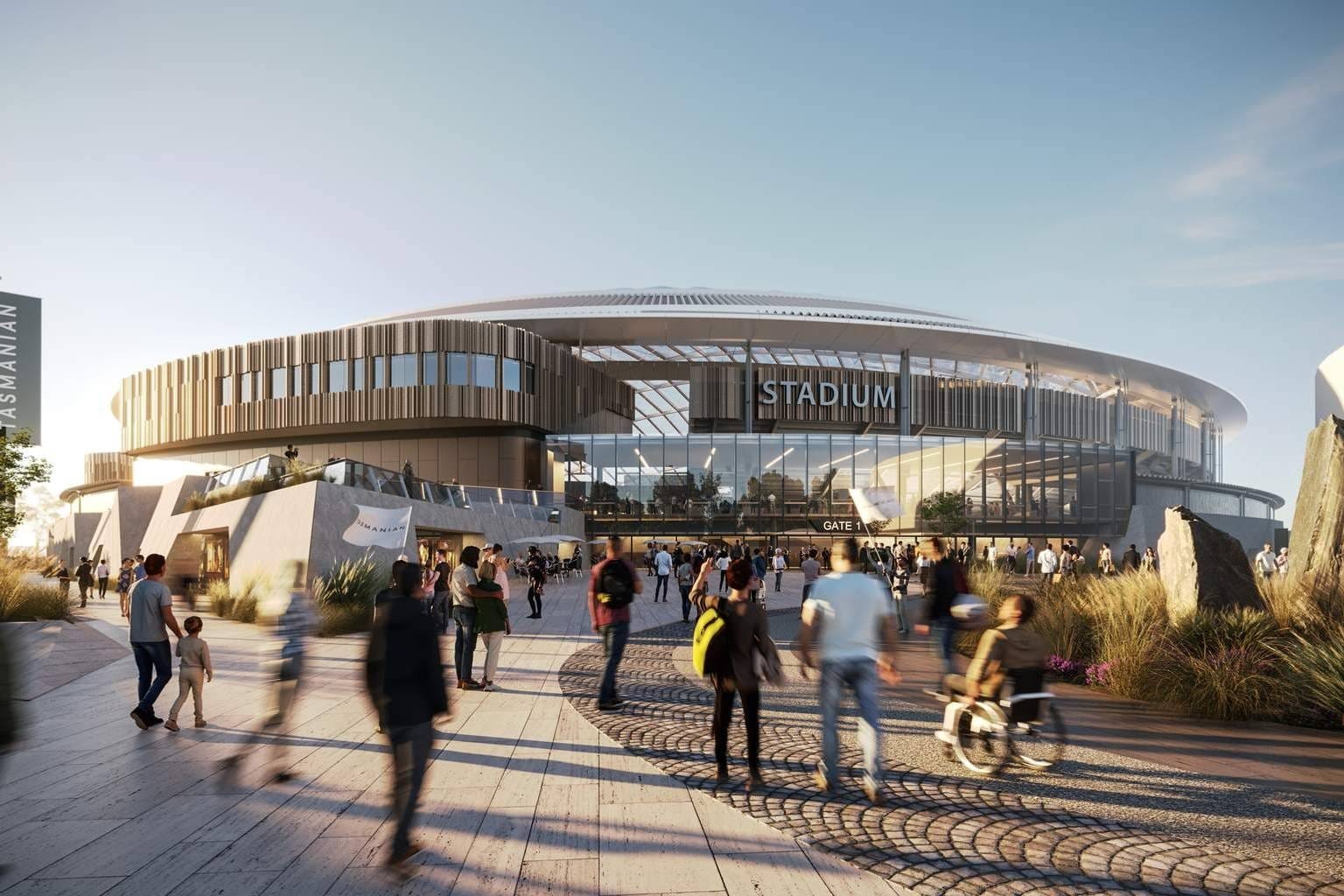
On the stadium’s design, Beach said it was “going to look amazing” and would sit “quietly” in the landscape.
“It’s not going to look like Optus [Stadium in Perth] that’s full of LED lights and flashy and saying, look at me,” she said.
Anti-stadium group Our Place spokesperson Roland Browne described the overall cost as “extraordinary” on Tuesday.
“The government and MPDC have lost control of this project,” he said.
The contract is being negotiated on the basis of the stadium being completed by the end of 2030, with the first football season expected to follow in 2031.