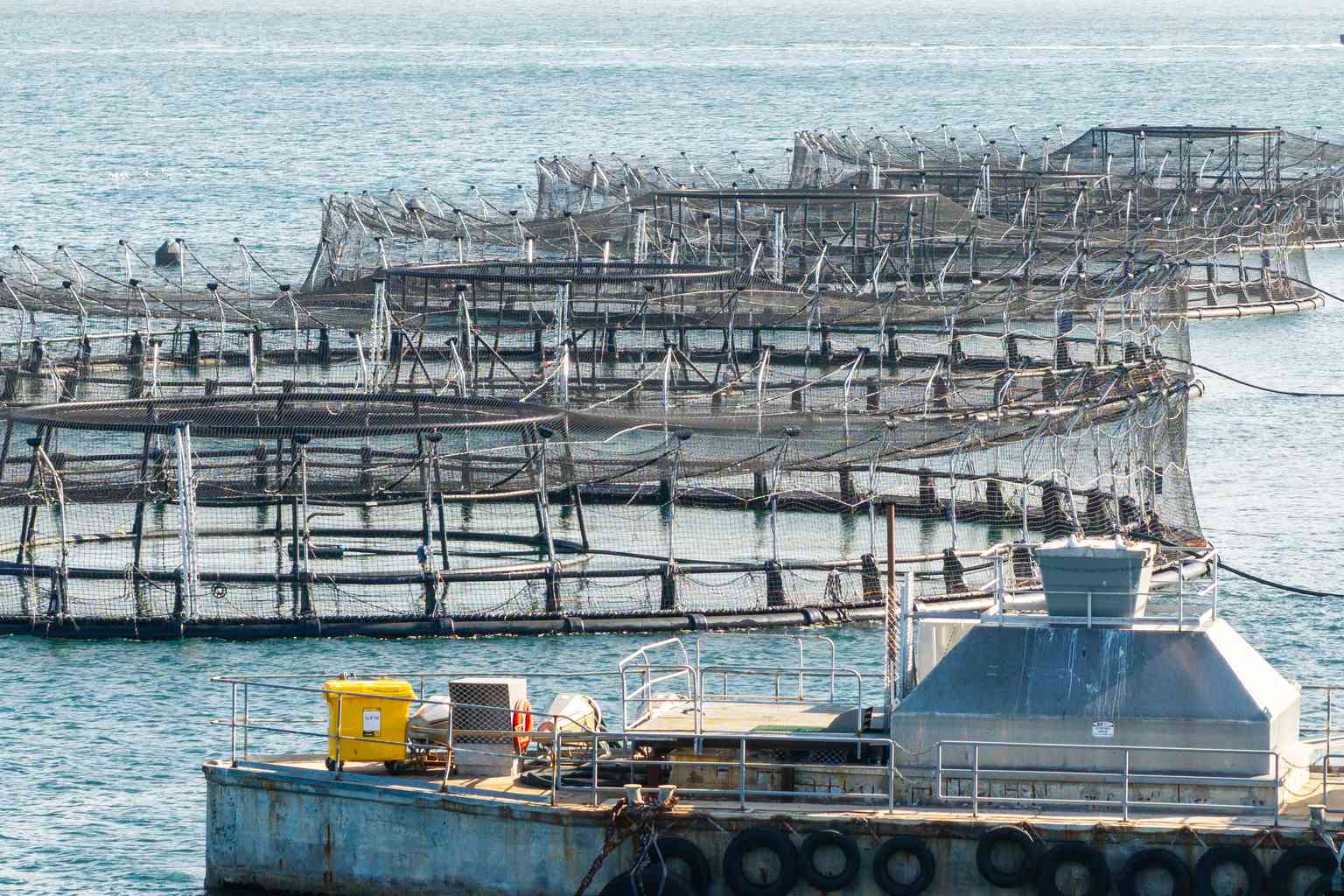
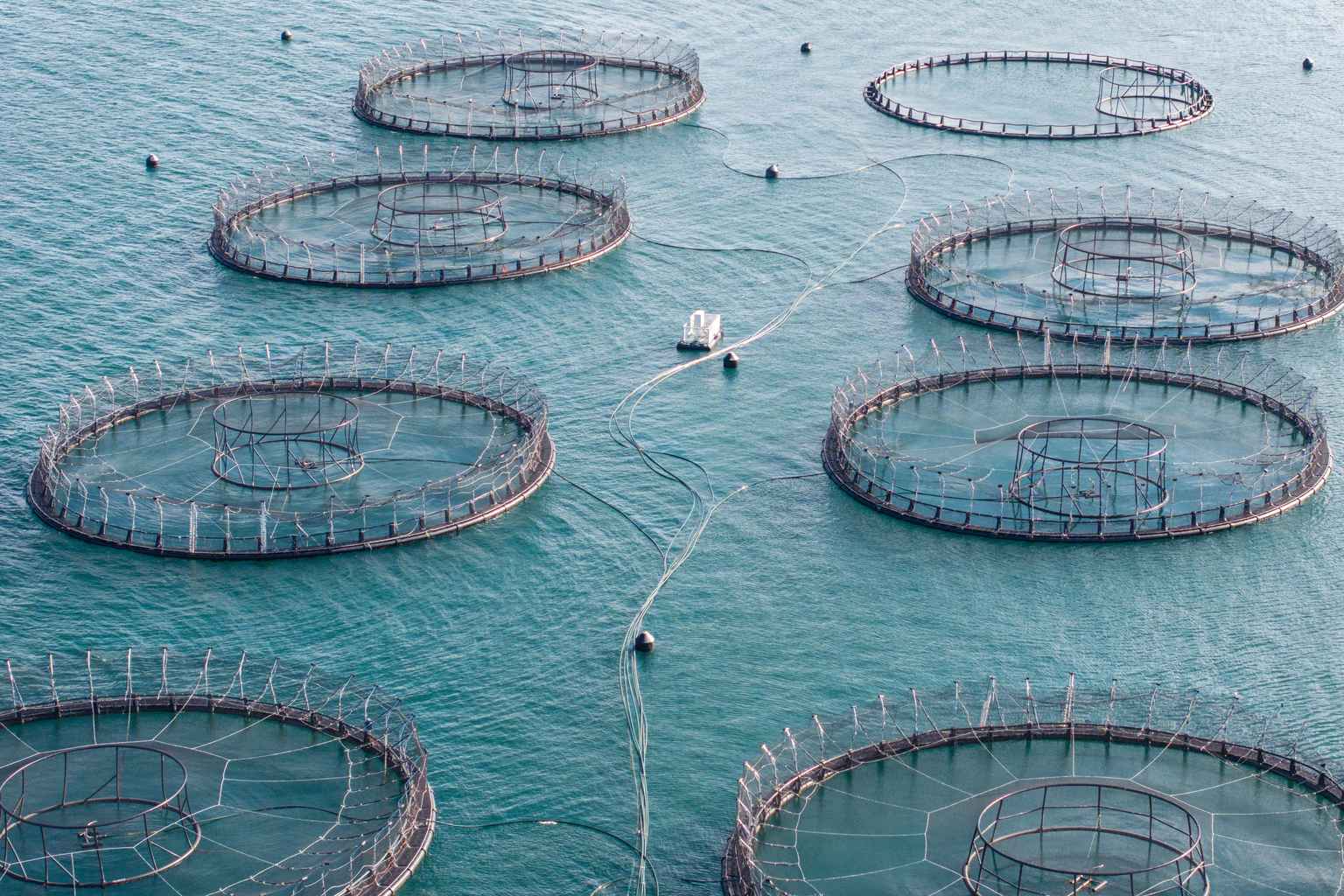
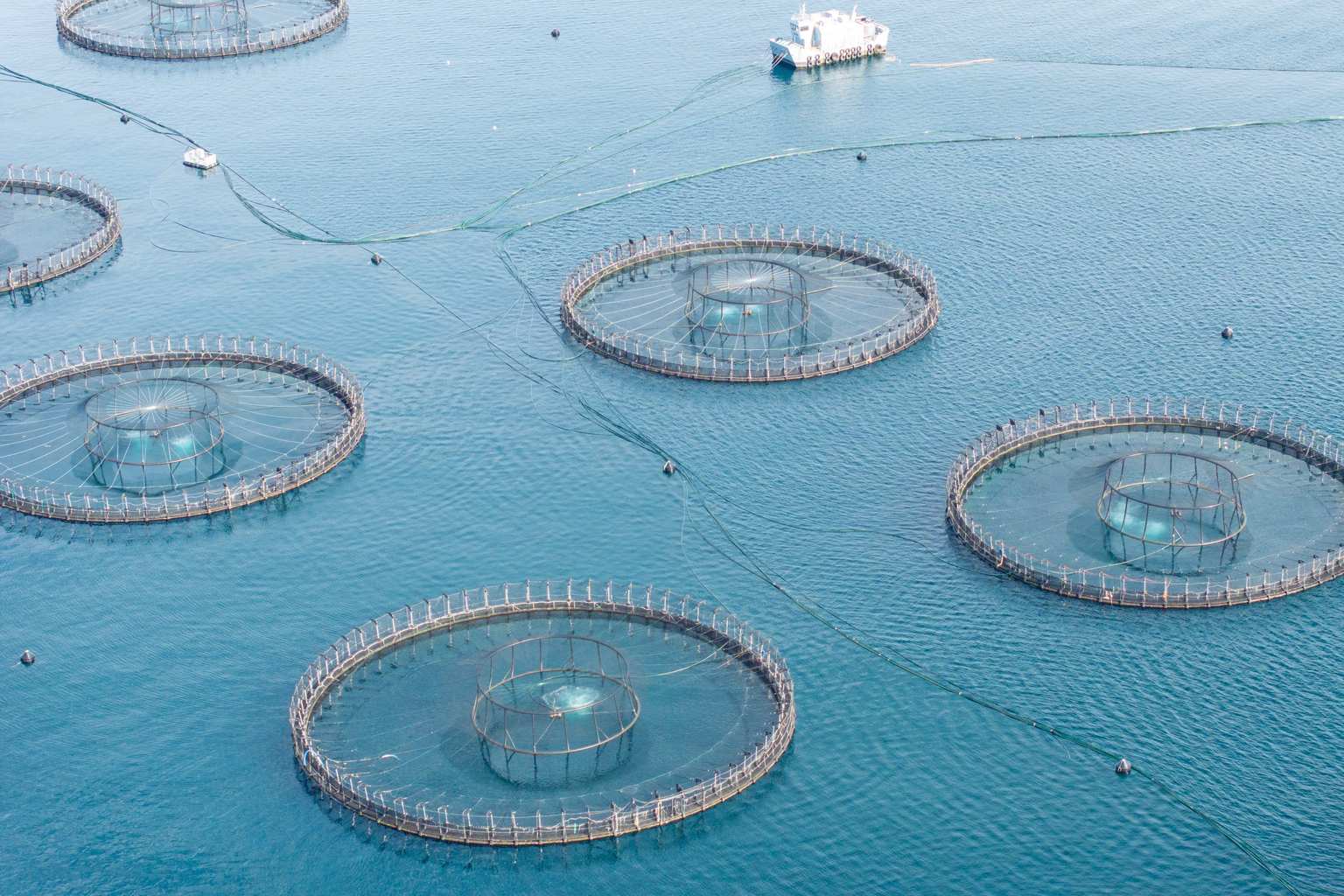
Tasmania’s salmon industry used 5.389 tonnes of the antibiotic florfenicol in the state’s south-east last summer to treat a disease outbreak in farmed fish.
The Environment Protection Authority (EPA) published the figure this week, months after the federal regulator suspended the industry’s permit to use the drug.
The EPA said florfenicol was used to treat P. salmonis, a marine bacterium that causes disease in salmon.
Salmon Tasmania chief executive John Whittington said the EPA’s monitoring found the drug posed a low risk to marine life.
He said that was the lowest risk rating the EPA could give.
“The evidence is clear that florfenicol is an effective treatment for P. salmonis and, when used under Tasmania’s strict regulatory framework, does not impact the environmental health of our waterways or the safety of fish caught from them,” Whittington said.
He said the industry wanted to use antibiotics responsibly and was investing in vaccines and selective breeding to reduce the need for treatment.
The EPA assessed 4,240 results from water and sediment samples, with every result coming in below its interim guideline values.
The Department of Natural Resources and Environment later found the drug in wild abalone and rock lobster up to 10.6 kilometres from the treatment sites.
The Australian Pesticides and Veterinary Medicines Authority (APVMA) suspended the industry’s permit on March 4.
The Tasmanian Greens said the total confirmed a large amount of antibiotic had entered public waterways.
Greens leader Rosalie Woodruff said the industry had held back the figure for months.
“It is outrageous the salmon industry was allowed to dump this much antibiotic into public waterways without being up-front with Tasmanians about exactly what they were doing,” Woodruff said.
“Most concerning is the salmon industry now wants to continue using more florfenicol in Tasmanian waters.”

Independent Franklin MP Peter George also criticised the scale of the use.
“Tasmanians have every right to be outraged that more than five tonnes of the antibiotic, florfenicol, were dumped in diseased salmon pens in our sheltered southeastern waterways last summer with the impact that had on our marine life,” George said.
“They have every right to be appalled that regulators approved the treatment without ensuring that wild fisheries, like rock lobster and abalone, would not be impacted.”
Salmon Tasmania is now applying to the federal regulator for a new permit to use florfenicol.

Whittington said antibiotics remained “an important treatment option when required”.
“It is important that farmers continue to have access to a range of scientifically validated tools to maintain fish health and uphold animal welfare standards,” he said.
“We are committed to working alongside the wild fisheries sector on long-term arrangements that allow both industries to coexist and thrive.”