Premier Jeremy Rockliff says he is prepared to pursue special laws to fast-track redevelopment of the James Boag’s brewery site in Launceston, despite the government being unable to say what a deal could cost taxpayers.
Rockliff raised the idea on Wednesday after hosting a northern Tasmania economic summit prompted by the brewery’s looming closure.
Parent company Lion, owned by Japanese giant Kirin, announced in June that it would close the brewery in November, leaving about 40 workers without jobs.
The premier said he had secured in-principle agreement from Kirin for the state government to explore buying the roughly three-hectare CBD site.
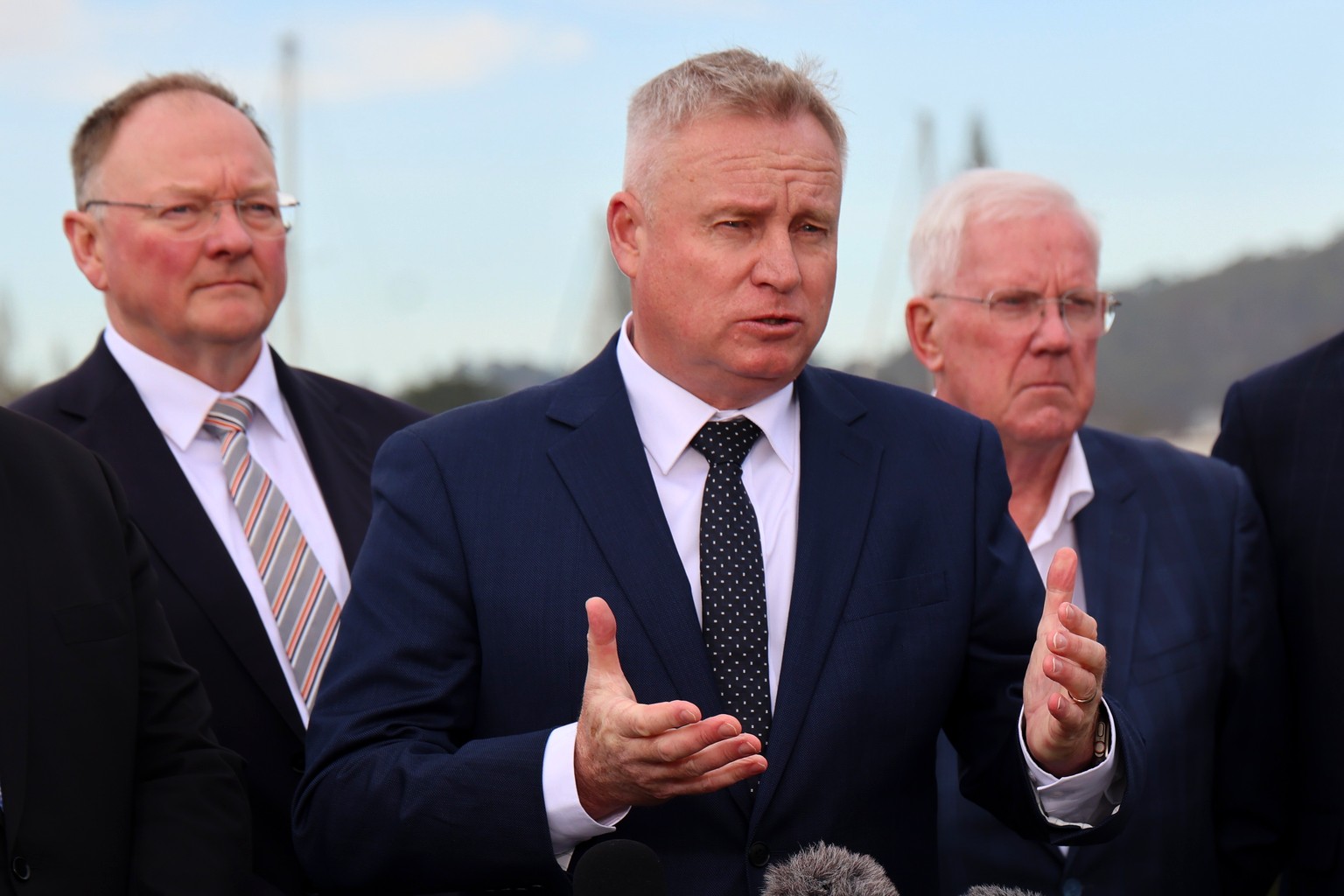
He said special legislation could give the government greater flexibility to redevelop it.
“I’ve put forward the idea of legislation to ensure that we can, if you like, have a flexible clean slate when it comes to commercialising that area,” he said.
Rockliff said the site’s heritage would be protected and was central to its appeal.
“We want to respect the heritage and, in fact, the heritage is, if you like, the great selling point of the opportunity for that particular site,” he said.
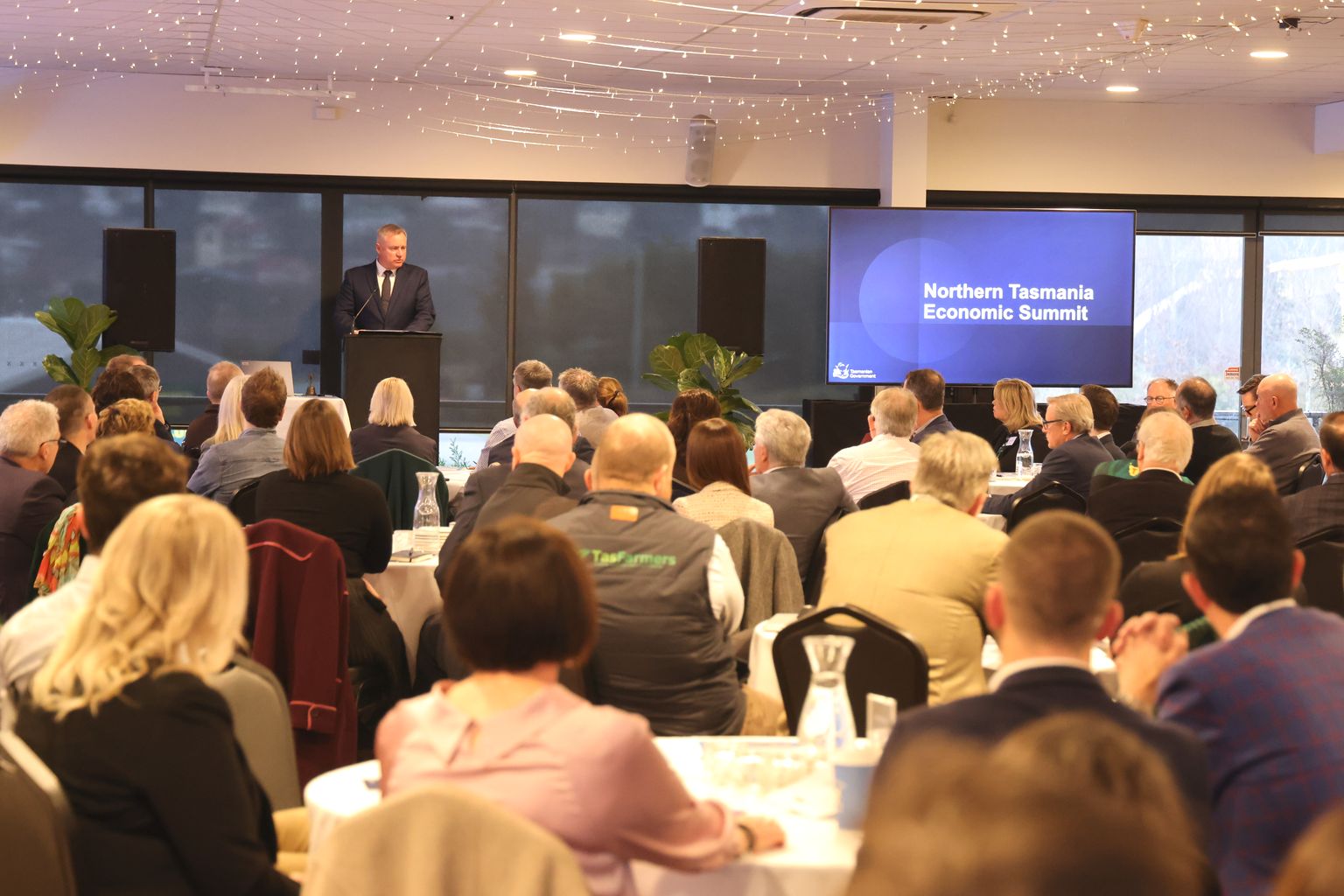
The premier said ideas raised at the summit would be grouped into key themes before further consultation with business, community and local government leaders.
“There is a huge array of ideas that have been presented by diverse people and experiences and lived experience across the community sector, across the business and industry sector today,” he said,
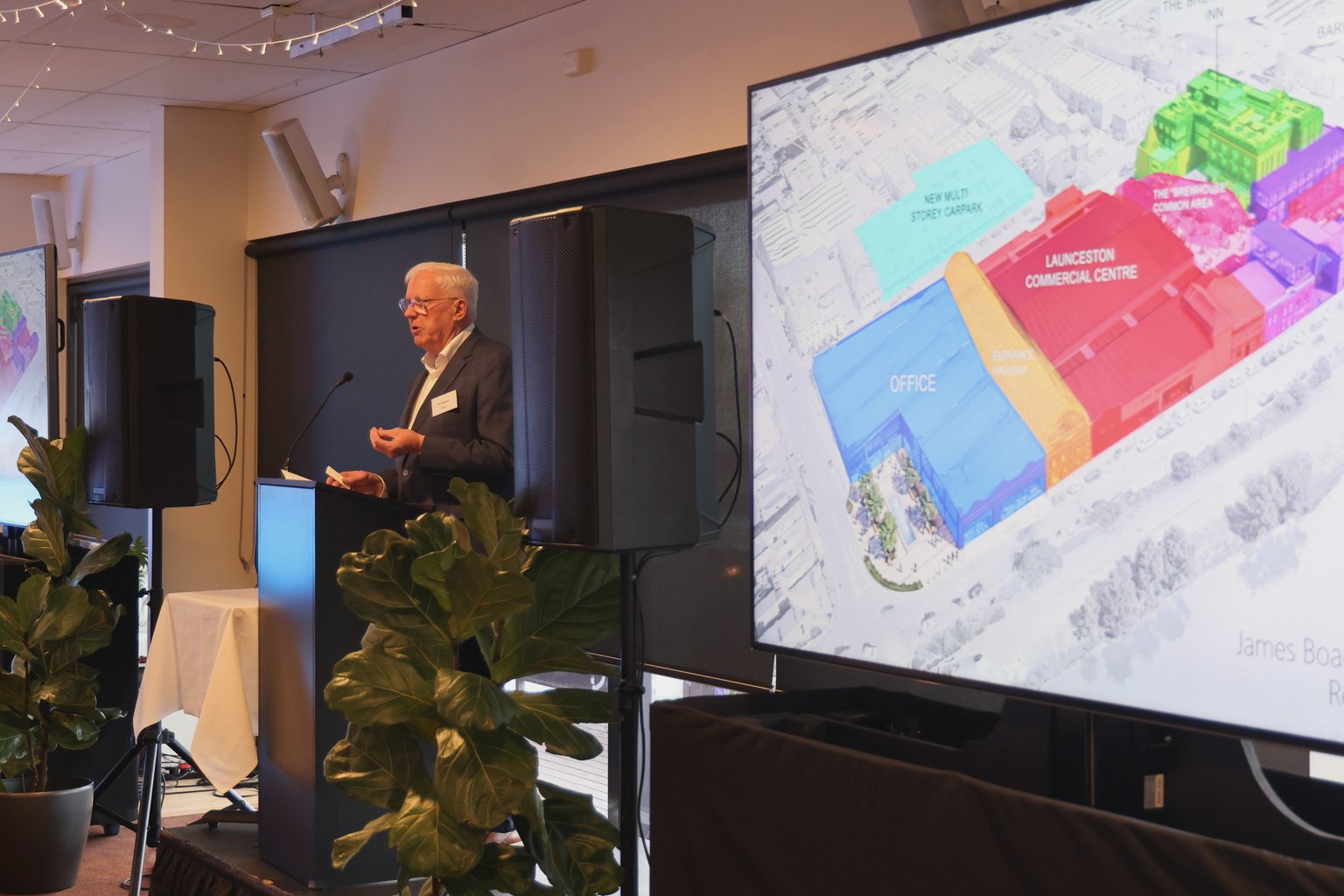
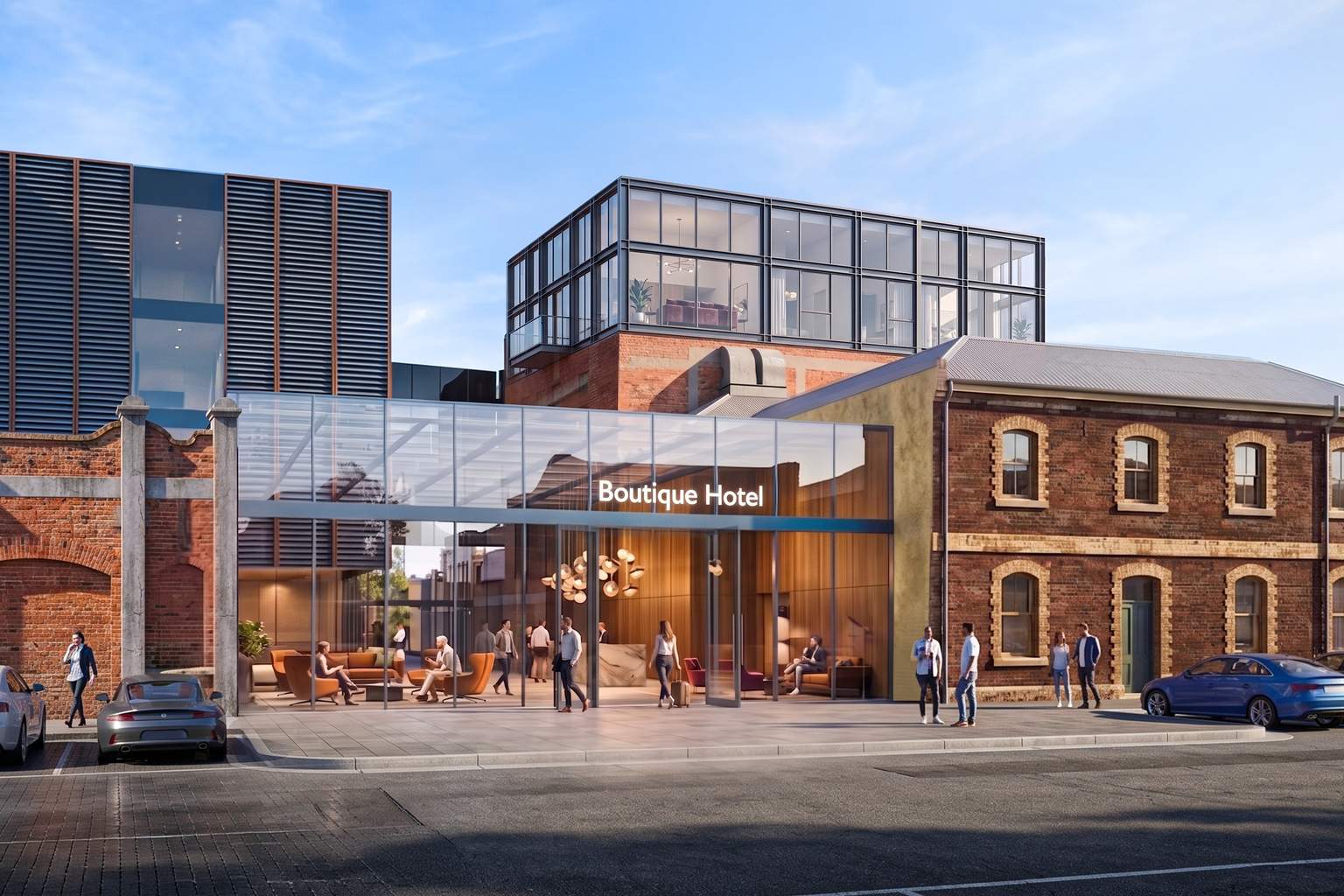
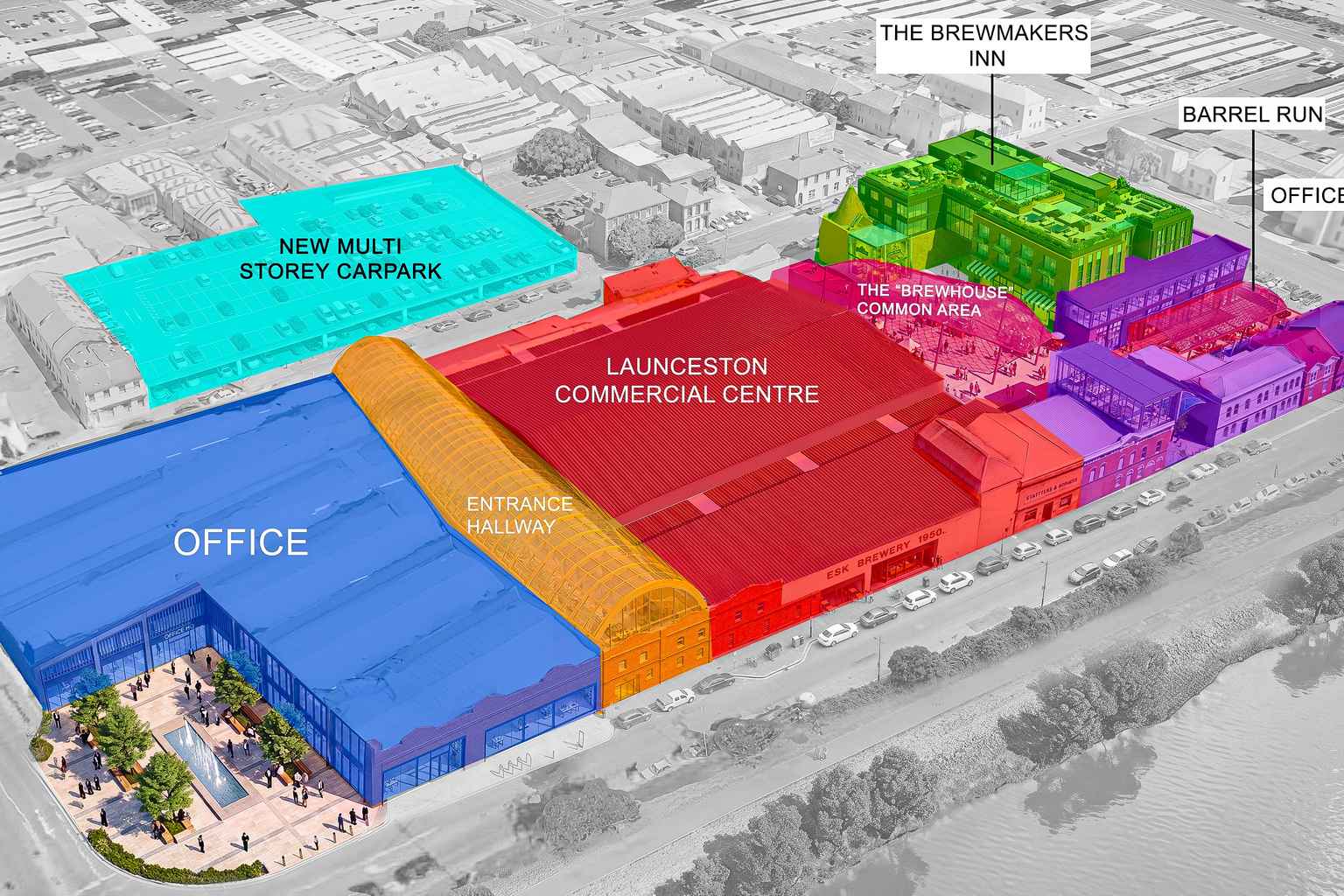
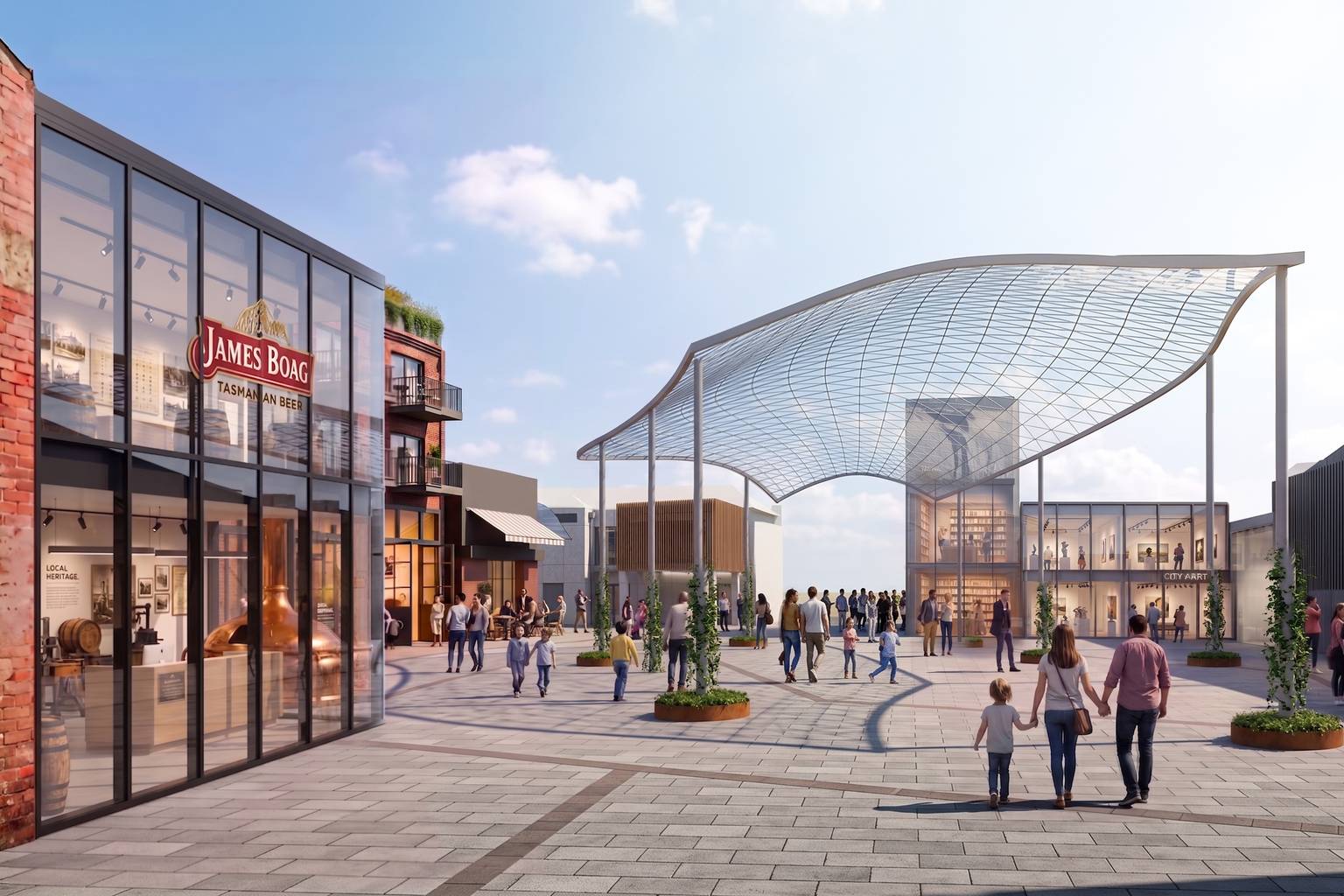
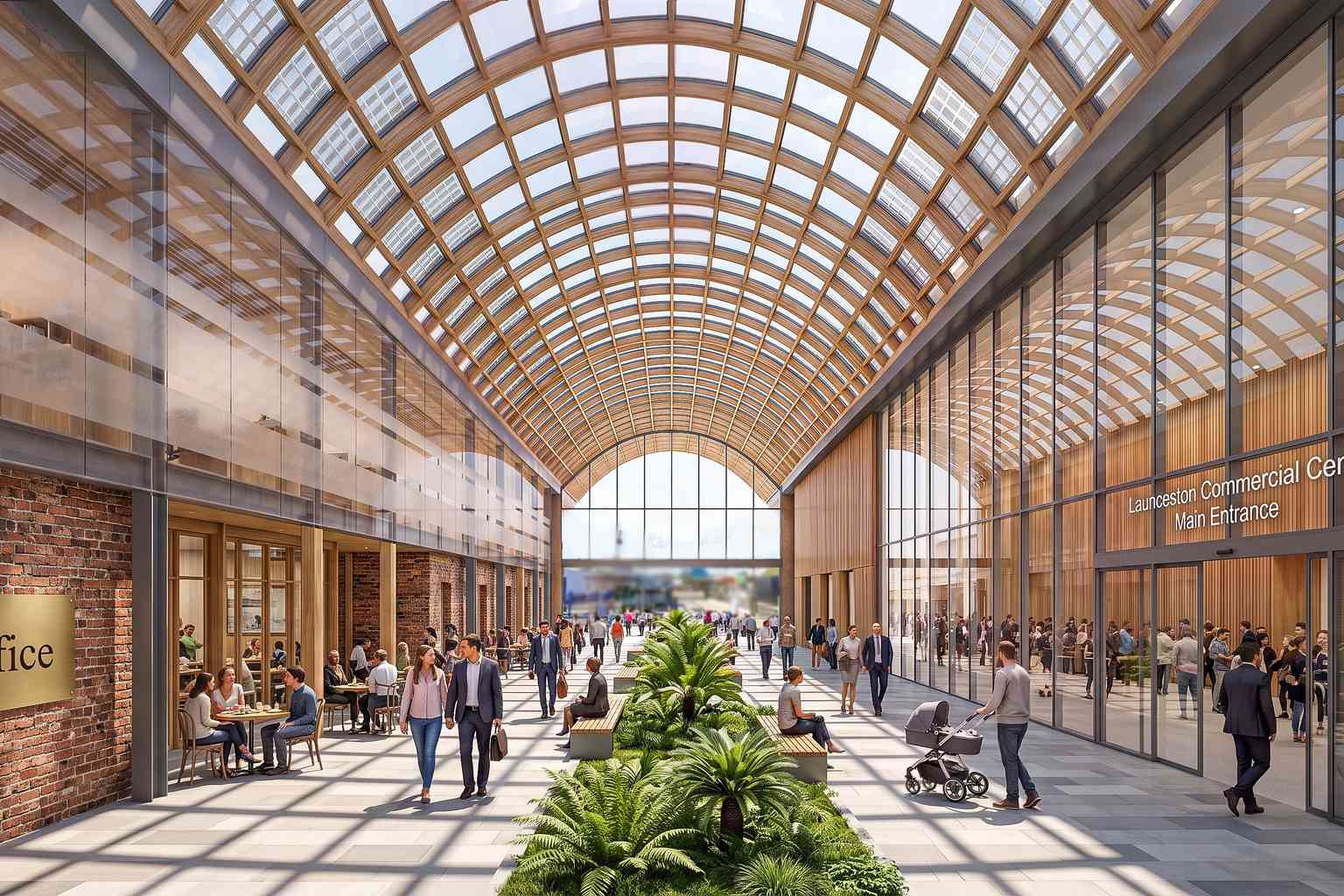
Local developer Errol Stewart presented a broad concept involving commercial businesses, offices, public open space and a boutique hotel.
“I have the view – and I think we might have helped convince the premier and his colleagues – that it is really worth a coordinated approach to acquire the site,” Stewart said.
Rockliff said he had spoken to federal Labor MP Jess Teasdale about possible Commonwealth investment.
He would not put a figure on the potential purchase, saying he did not want to negotiate through the media and any price should be reasonable and fair.
He also confirmed the government had not carried out detailed work on the cost of remediating the industrial site.
“The opportunity cost of not doing so and not intervening is potentially seeing a site that is land banked for decades where there is no opportunity,” he said.
Rockliff said the government had no interest in running a brewery itself.
“We are not interested as a government to own and operate a brewery,” he said.
“What we are interested in is, through unfortunate circumstances, through adversity, seeing how we can best support the community by intervening and enabling further private investment.”
He will meet Lion’s chief executive next week, with worker redundancy packages and training his stated first priority.
Rockliff said he wanted the transition settled “sooner rather than later”.
Bass Labor MP Jess Greene, who attended the summit, said those in the room were unconvinced the government should buy the site without a clear plan.
“The room was a little damp on the idea of the government purchasing the site if the premier doesn’t have a plan on what he’s going to do with it,” she said.
“The premier couldn’t run a piss-up in a brewery and now he wants to buy a brewery.”
Greene said Labor’s priority was securing a better deal for workers losing their jobs, including changes to a reskilling fund that reimburses them only after they pay for courses upfront.
Bass Greens MP Cecily Rosol said the closure would be “significantly felt” in Launceston and northern Tasmania.
“It’s pleasing to see the government taking action to try and find solutions to this situation,” she said.