
Kitchen knives would be locked away and sold under warning signs in Tasmanian shops under proposed new laws.
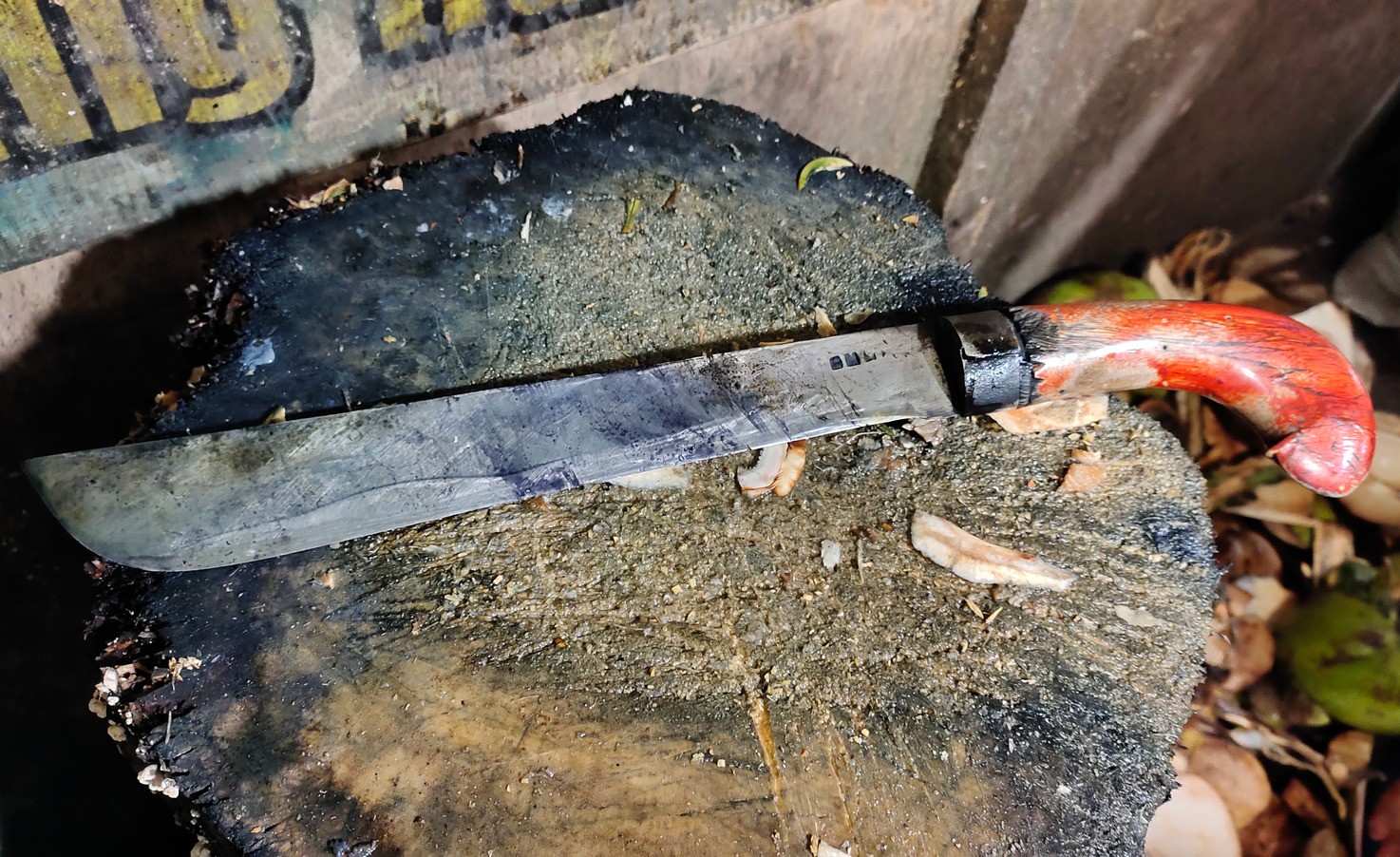
Selling a knife to anyone under 18 would become a criminal offence. Owning a machete could mean up to three years in prison.
The Police Offences Amendment (Knives and Prohibited Weapons) Bill 2026 opened for consultation on Thursday.
Under it, shops would face fines of up to $10,250 and a year in jail for selling a knife to a minor.
Employers would be on the hook for what their staff do, unless they can show they took all reasonable steps to stop it.

Police Minister Felix Ellis said young people had committed “violent crimes of opportunity” by grabbing knives off shelves in stores.
“This legislation will put significant restrictions around retailers selling knives to people who are under the age of 18,” he said.
16 and 17-year-olds could still buy a knife if they have a genuine reason, such as an apprenticeship, a training course, religious observance or a collection.
They would also need identification and a signed letter confirming why they need it.
Lying about your age to buy a knife would carry a fine of up to $2,050.
Ellis said some shops had already stopped selling knives or restricted them and wanted a “level playing field”.
“Many understand the risks to their staff and other members of the community if knives can fall into the wrong hands at the wrong time,” he saids
Machetes would be exempt for police, state service workers and agricultural professionals, who must use them only for work and keep them locked up.
“There are virtually no people who need to use machetes,” Ellis said.
The bill builds on Reid’s Law, which lets police search people with metal detecting wands.
Ellis said police had run about 1,200 wand searches since November and found more than 110 knives and other dangerous articles.
Laraine Ludwig, whose son Reid was fatally stabbed in 2019, said those searches had turned up scissors and screwdrivers as well as knives.
Ludwig has campaigned for the changes. She said they would help retail workers, some of whom are afraid to go to work.

“There’s no panacea,” she said. “One thing will not fix crime.”
“The best we can do are steps like these to help minimise, because even if it saves one life, it’s better than nothing.”