Tasmania’s biosecurity team is on high alert after a deadly strain of bird flu was detected in Western Australia, but authorities say there have been no cases in the state and people should not panic.
The H5N1 strain was confirmed in two seabirds found on a remote beach near Esperance, about 700 kilometres south-east of Perth.
It is the first time the virus has reached Australia.
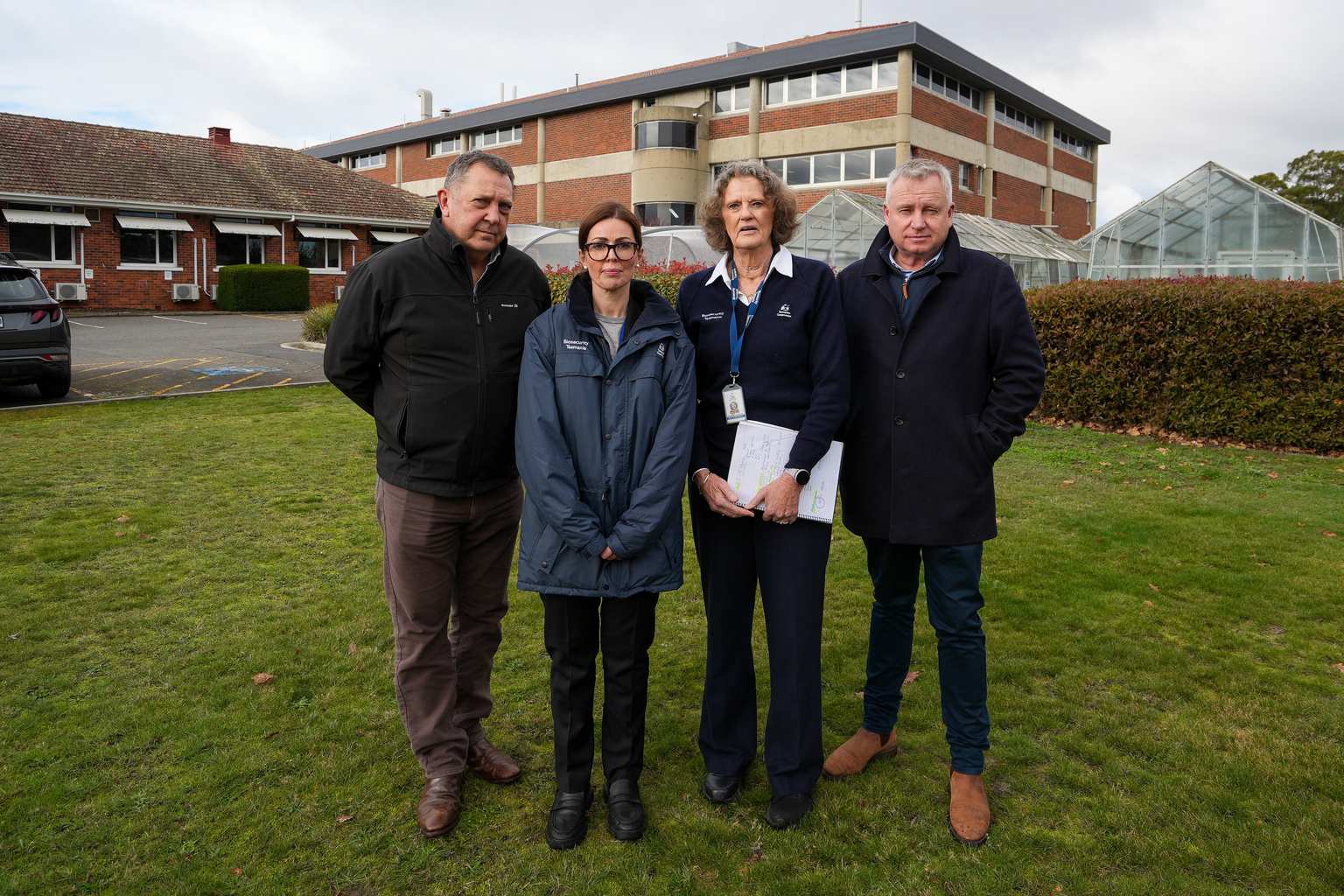
Premier Jeremy Rockliff said the detection was a serious matter and Tasmania was taking it seriously.
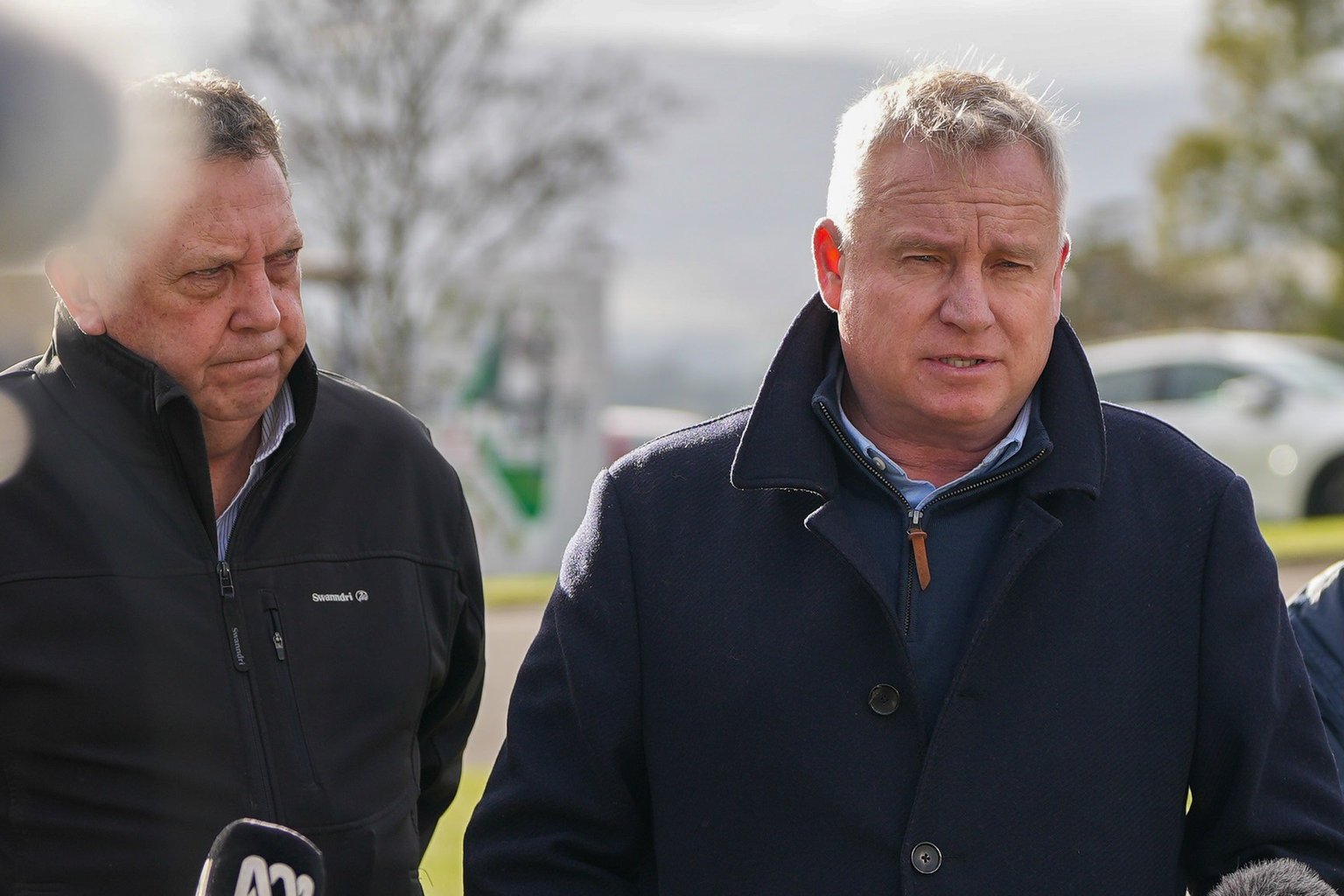
“We will not and must not and are not in actual fact, complacent when it comes to a potential incursion of bird flu into Tasmania,” he said.
“I’m very confident in our biosecurity team here, but we need to ensure that we are well prepared for an eventuality that it may well reach Tasmania’s shores.”
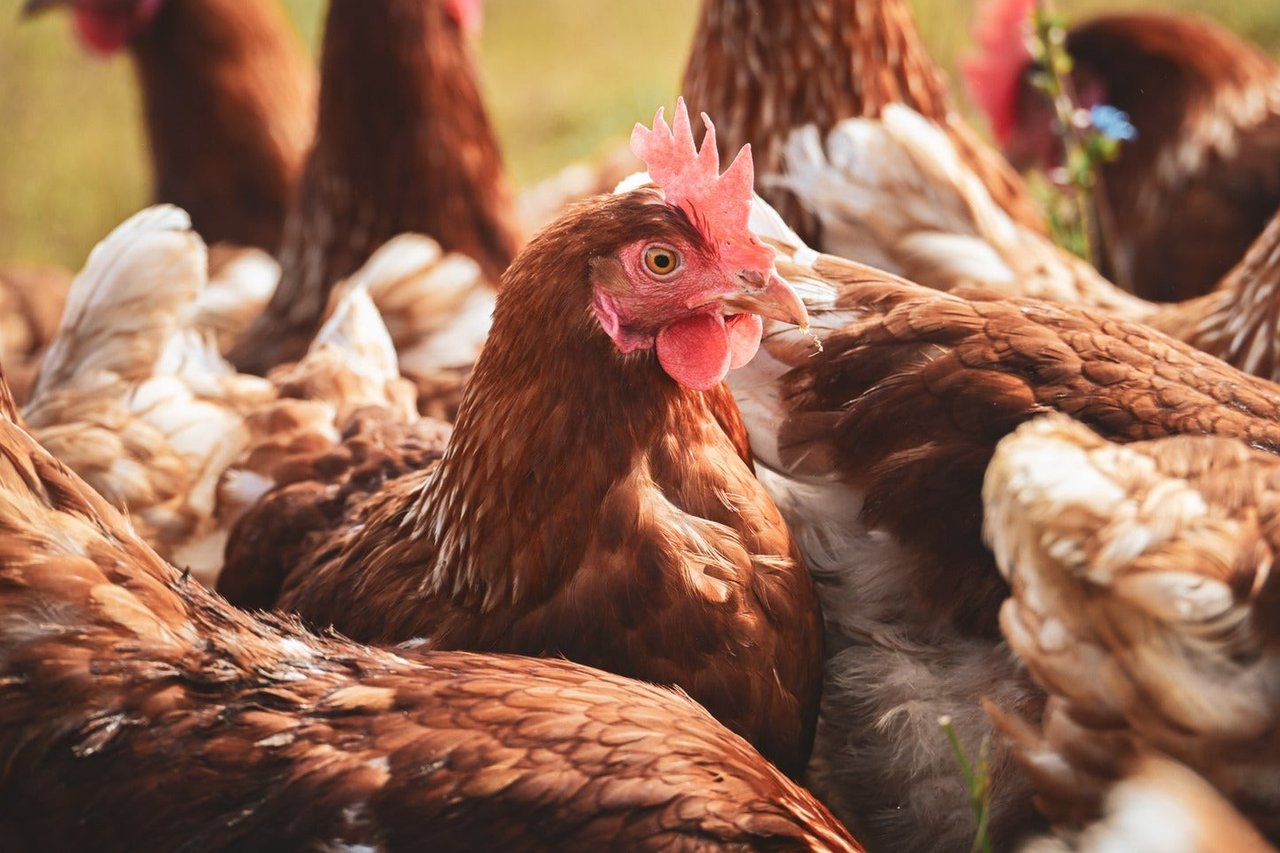
Rockliff said he had raised the issue with Prime Minister Anthony Albanese and at national cabinet in recent days.
He said an outbreak could be “potentially very devastating” for the poultry industry, noting it had cost the United States about $2.7 billion.
Primary Industries and Water Minister Gavin Pearce said preparations had been under way with industry since late 2023.
“The more work we do in preparedness, the less we have to panic, because we’ve done the work,” he said. “We’ve got this.”
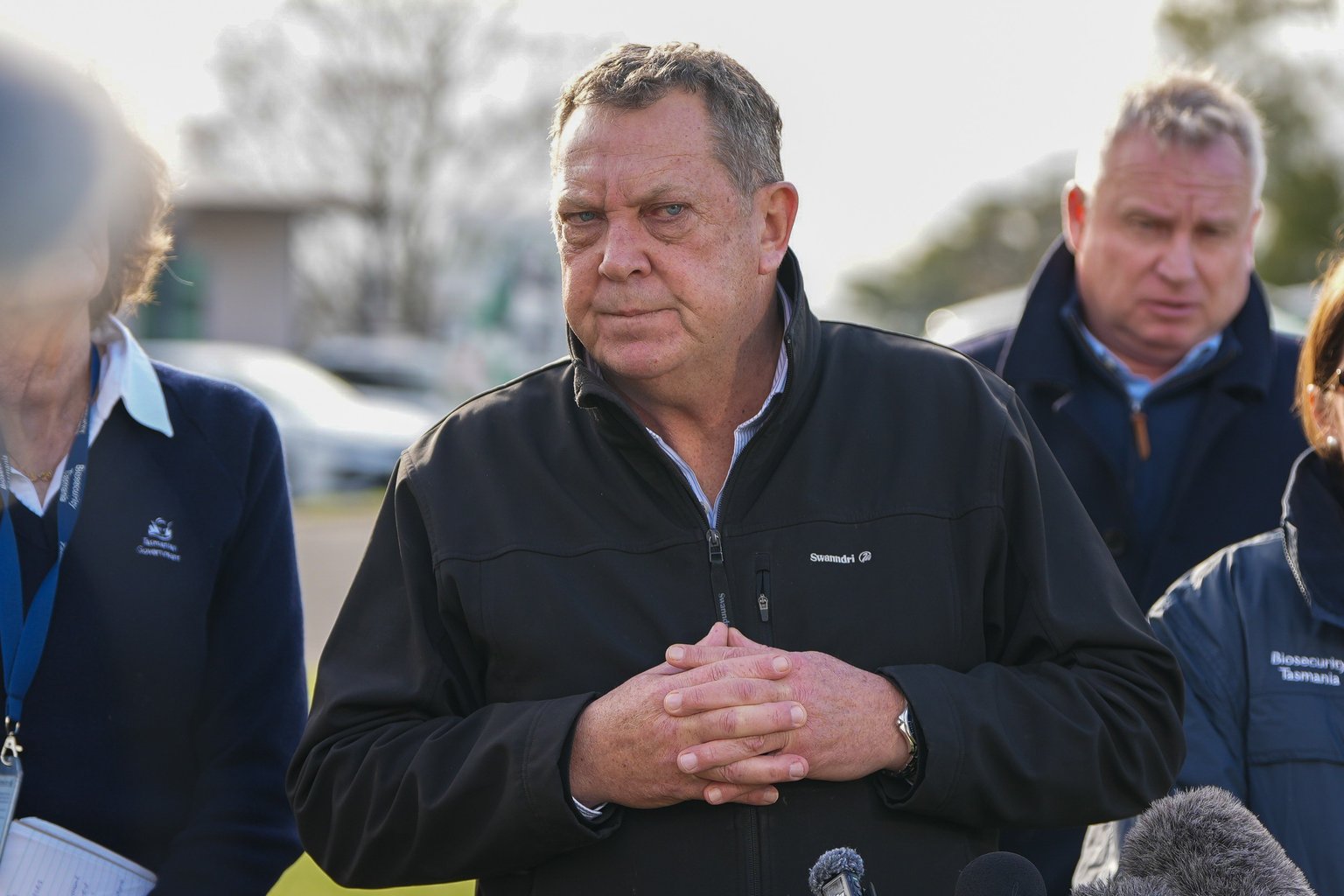
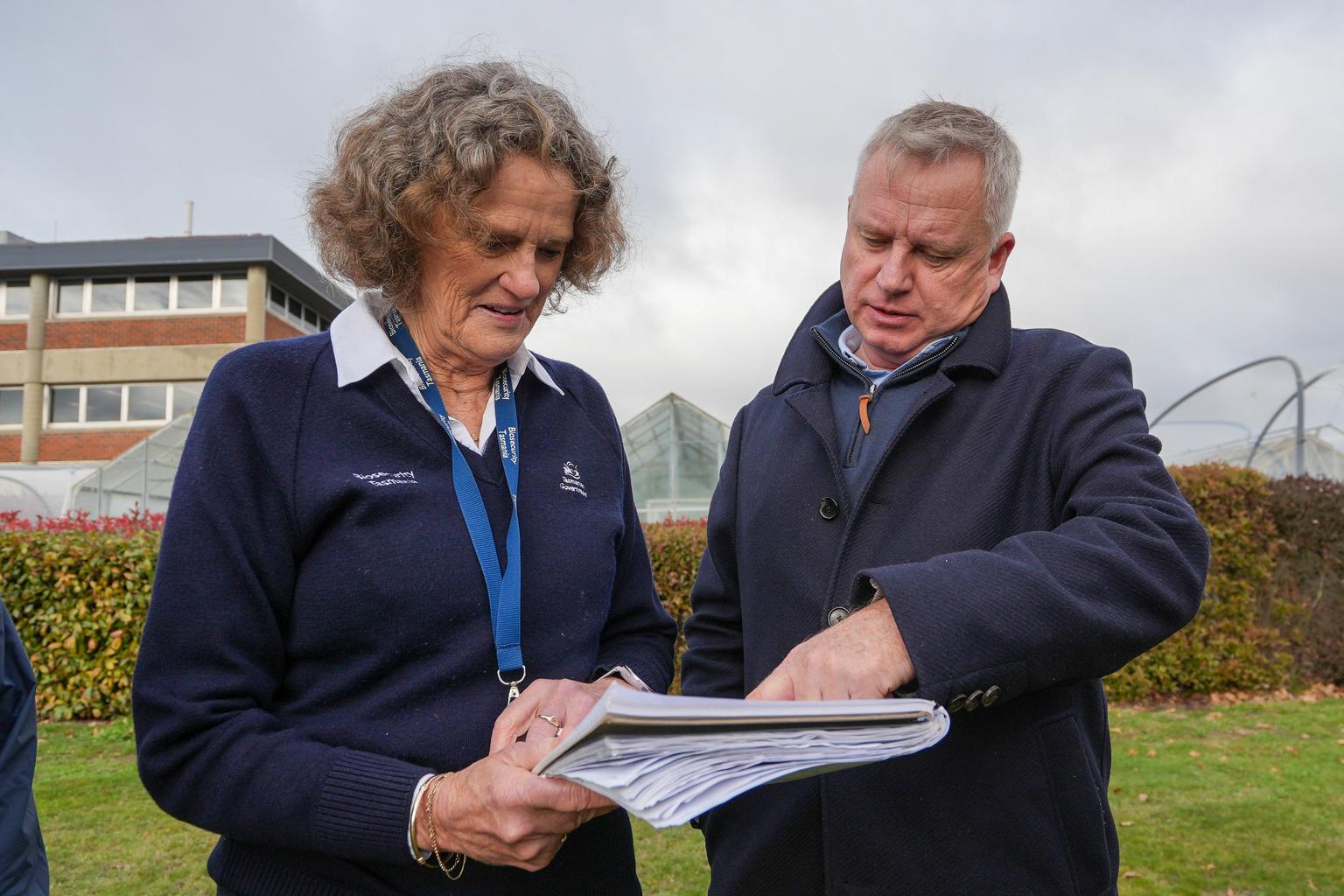
Biosecurity Tasmania general manager Rae Burrows said staff had been trained to respond, along with partners including the RSPCA.
She said the agency had bought new equipment, including two mobile control centres and a mobile truck wash to decontaminate vehicles leaving infected sites.
Burrows said she had written to commercial egg and broiler growers, urging them to activate their biosecurity plans.
She said the most practical step growers could take was to keep their birds away from wild birds.
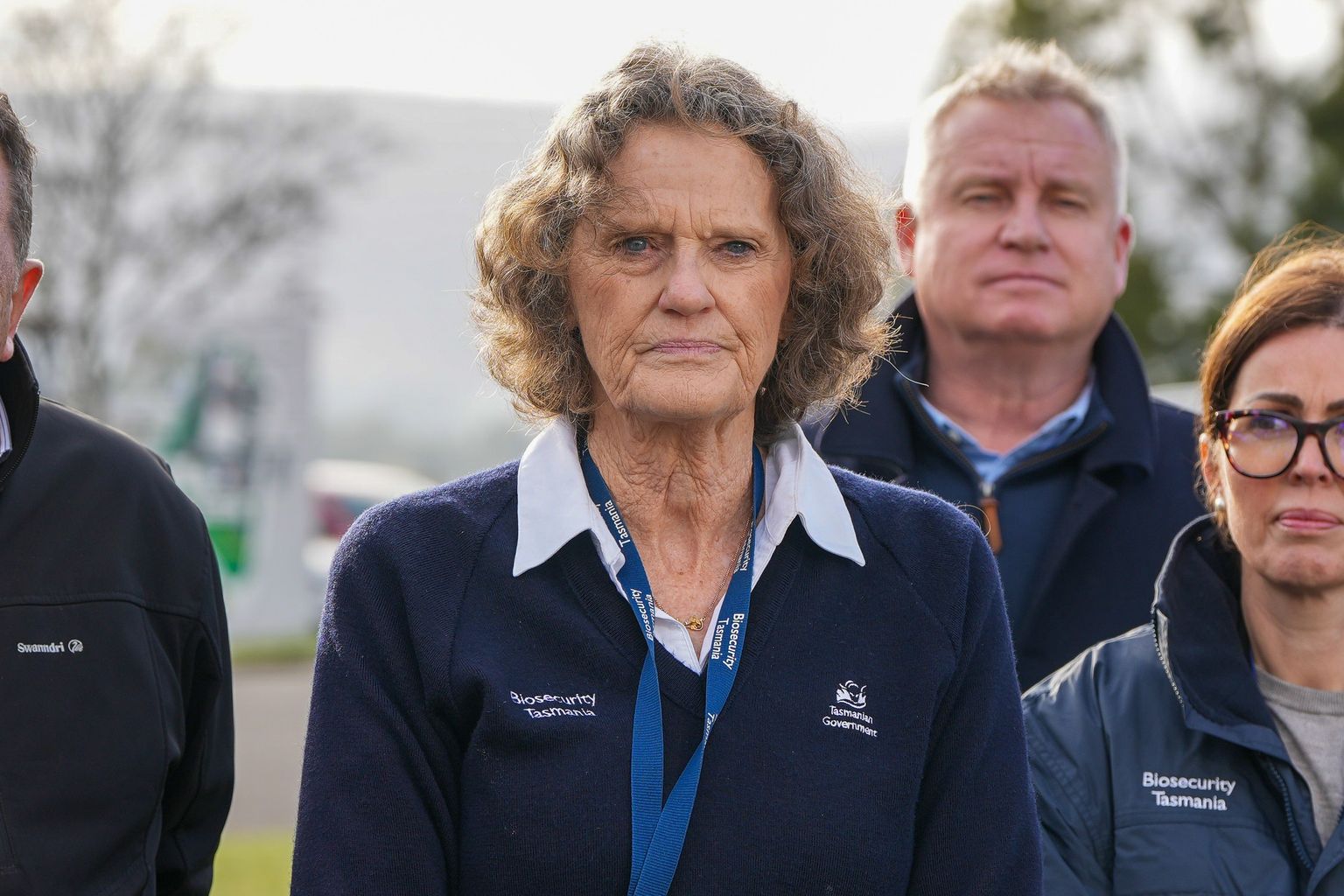
Burrows said Tasmania was in the first phase of its high-alert response, focused on communication and would increase its response if the situation worsened.
Chief Veterinary Officer Deborah McSweyn said the infected birds were wild birds found in a remote location and had been reported quickly.
“It is a call that we were all expecting,” she said.
Dr McSweyn said a vaccine existed, but trade agreements prevented its use in commercial poultry. She said it could be used on some threatened species under permit.
Dr McSweyn said birds were most at risk, along with Tasmanian devils, which could be exposed to the virus while scavenging.
“We’re alert, but we’re not alarmed,” Dr McSweyn said.
She urged the public to avoid, record and report any sick or dead birds to the Emergency Animal Disease Hotline on 1800 675 888.