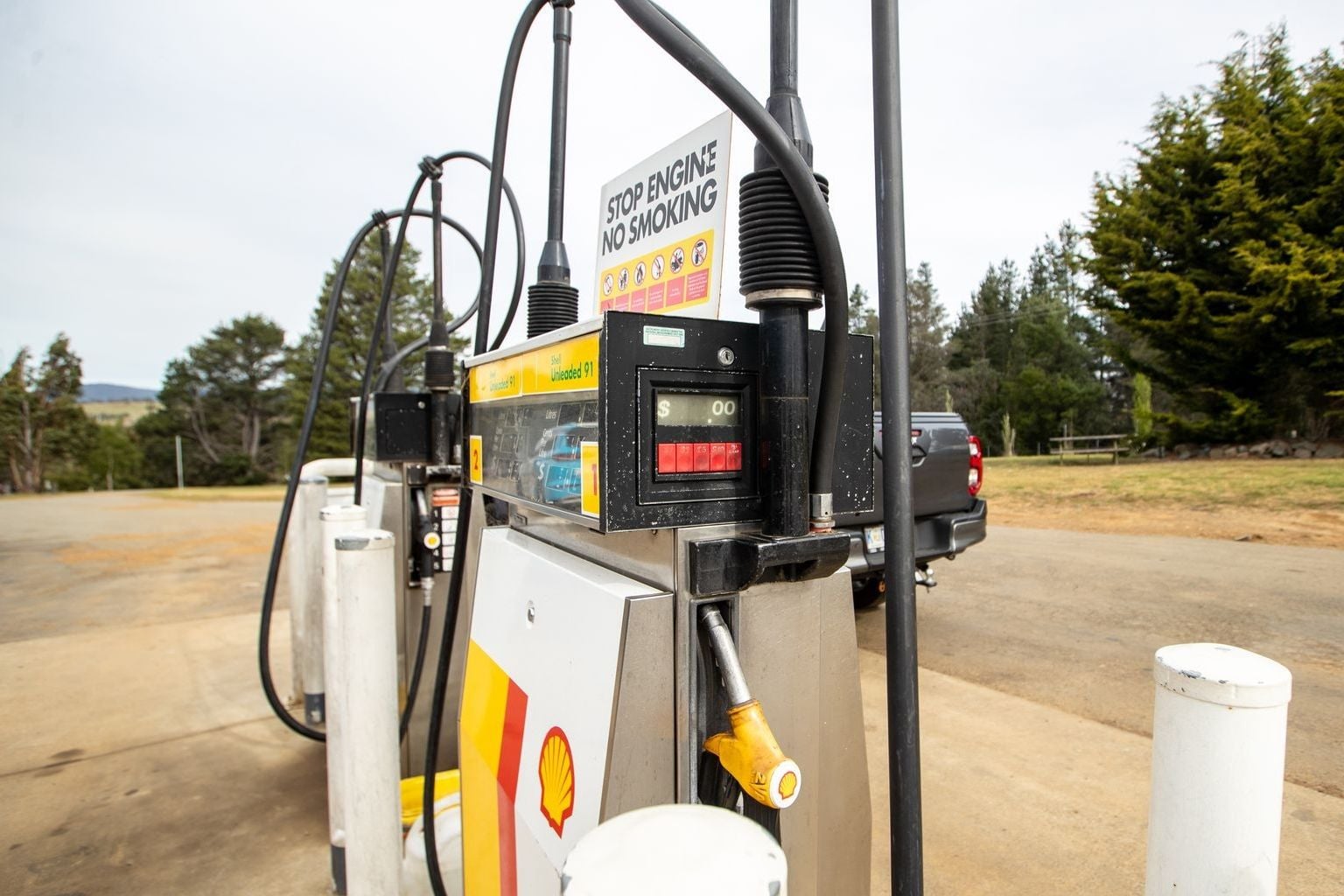
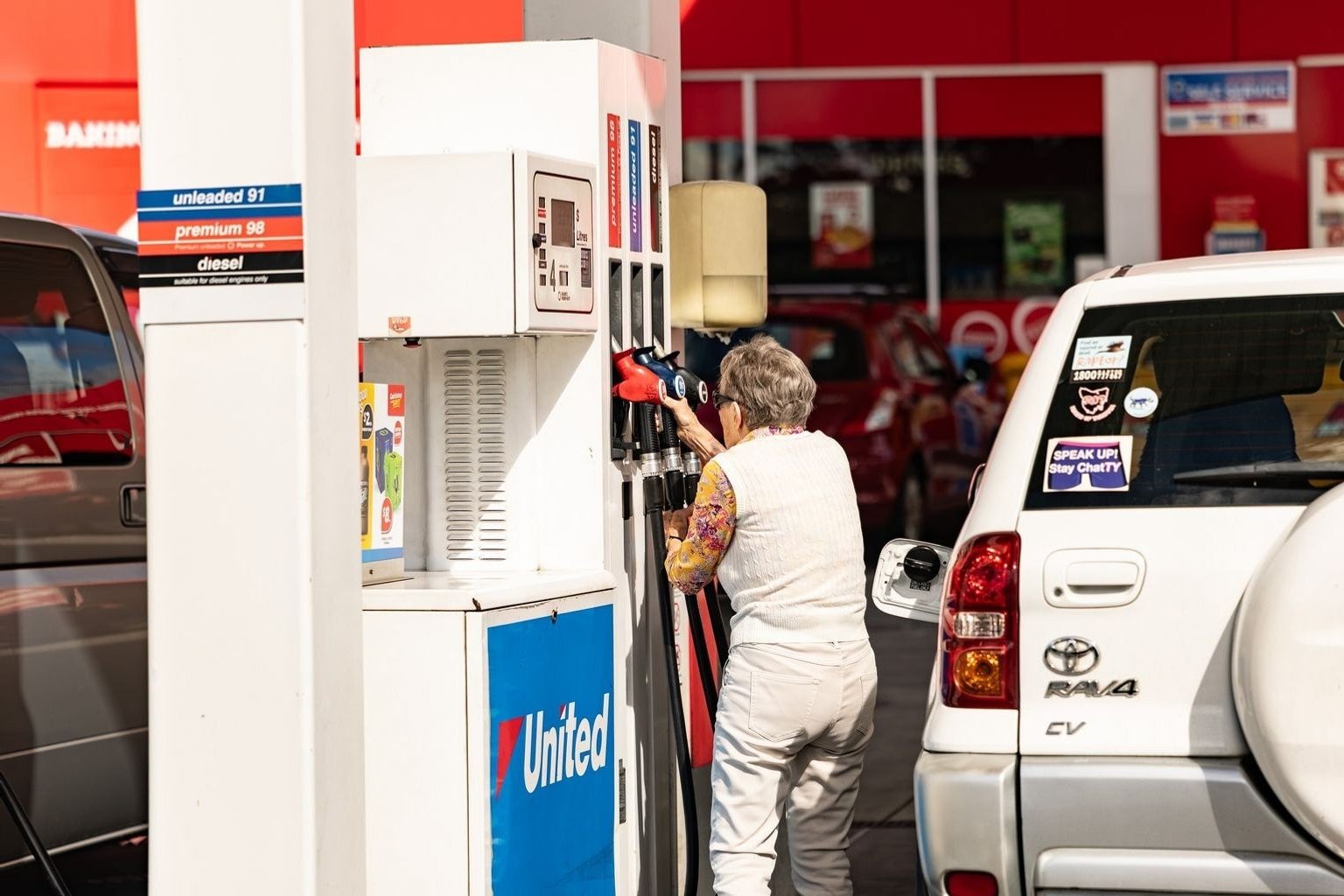
Tasmanian motorists are paying more at the bowser, with the average price of unleaded jumping 18 cents a litre in the past month.
FuelCheck Tasmania data shows unleaded is now averaging $2.27 a litre across the state, up from $2.09 a month ago.
Diesel has also climbed, with the average price now $2.69 a litre compared with $2.54 a month ago.
The cheapest unleaded price listed on Tuesday was $2.12 a litre at Rocky Cape Roadhouse, while the most expensive was $3.05 at Reefuel in Currie.
For diesel, the lowest listed price was $2.54 at Shell Dunalley, compared with $3.10 at Grassy Service Station.
Tas Petroleum general manager Nathan Thurlow said Australia was not necessarily facing a fuel shortage, with about 3.5 billion litres of crude, diesel, jet fuel and petrol scheduled to arrive over the next four weeks.

But he said the market was “not necessarily short outright”, with prices remaining sensitive to the timing of those cargoes, freight costs and how quickly inventories were being drawn down.
He said the disruption to shipping through the Strait of Hormuz was continuing to put pressure on diesel prices, with fewer vessels and longer voyages increasing freight and security costs.
Thurlow said the Strait was “heavily disrupted” and damage to the Saudi East-West pipeline had reduced the ability to bypass the waterway, making Middle Eastern fuel supplies less reliable.
He said Asian buyers were competing for alternative diesel supplies, while “low inventories make the market more sensitive to delays”.
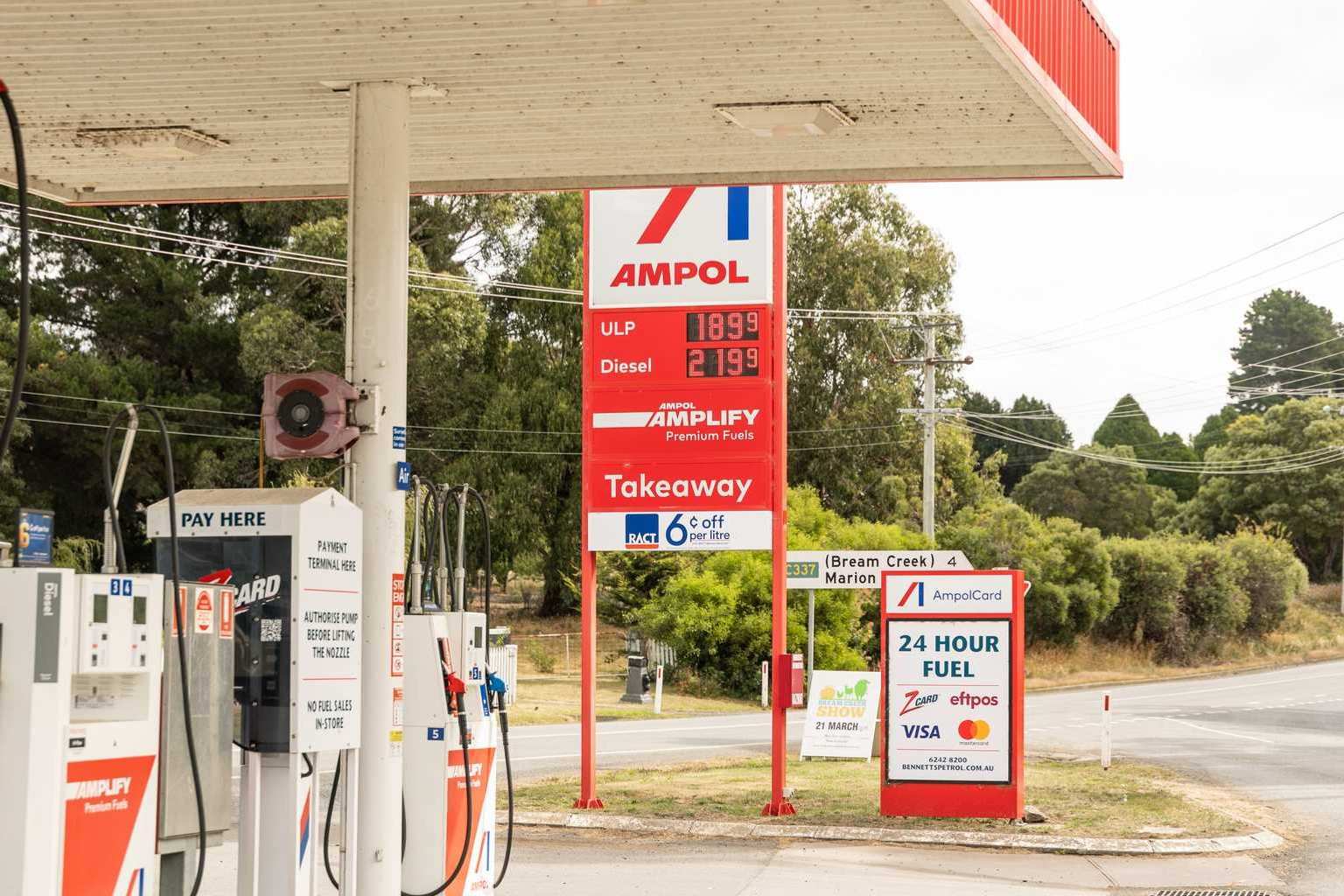
Australia’s diesel stocks had also fallen from their July peak, with current tracking showing about six fewer days of cover than at the July maximum.
The price pressure comes as global oil markets remain volatile amid fresh military action in the Middle East.
The NRMA said crude oil had recently risen above US$94 a barrel, after prices fell to about US$68 a barrel in July.
The organisation said the Strait of Hormuz conflict had contributed to higher oil prices since March, with crude peaking above US$112 a barrel in April.
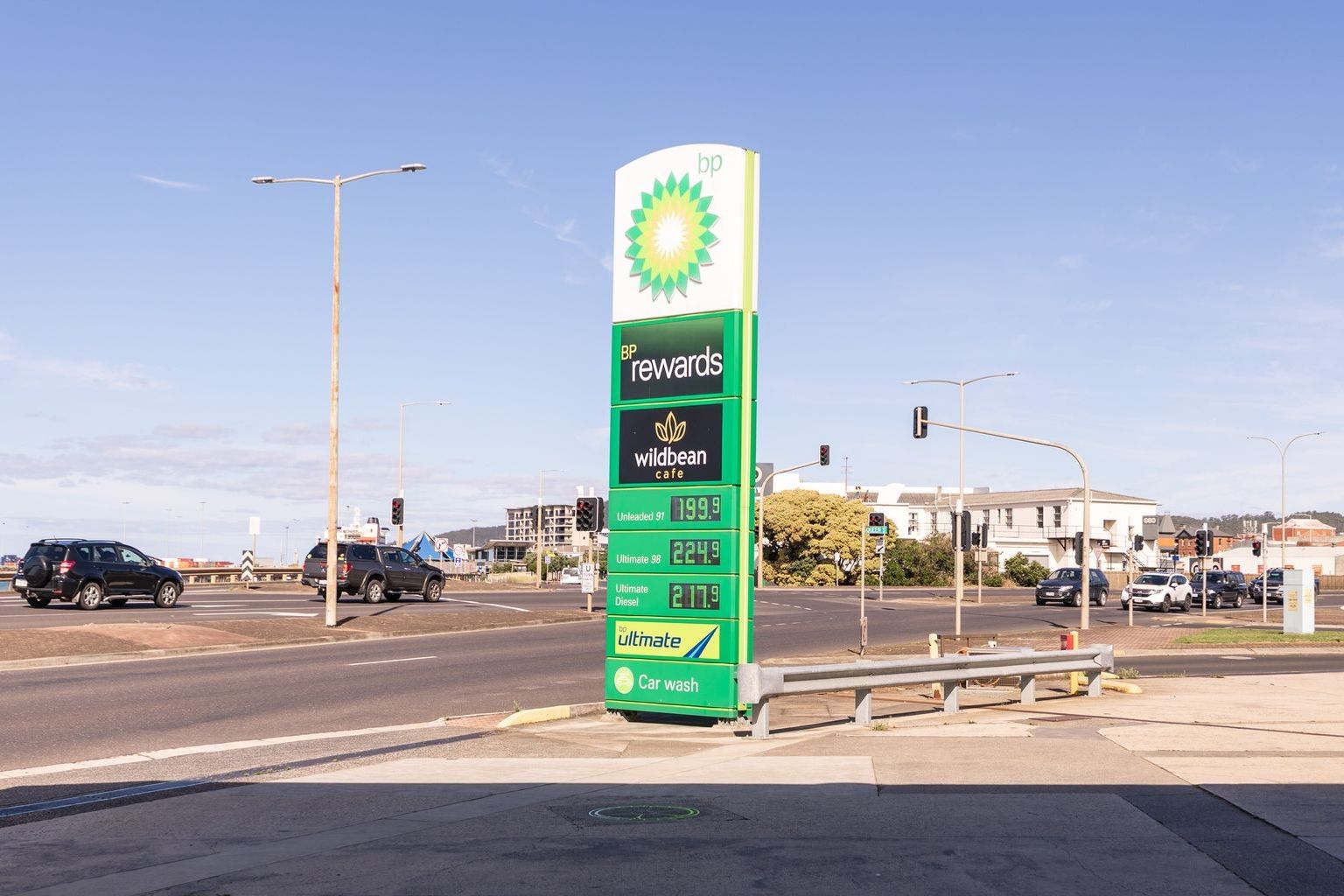
Thurlow said about 3.5 billion litres of fuel was scheduled to arrive in Australia over the next four weeks, but prices remained sensitive to “arrival timing, freight cost and inventory drawdown”.