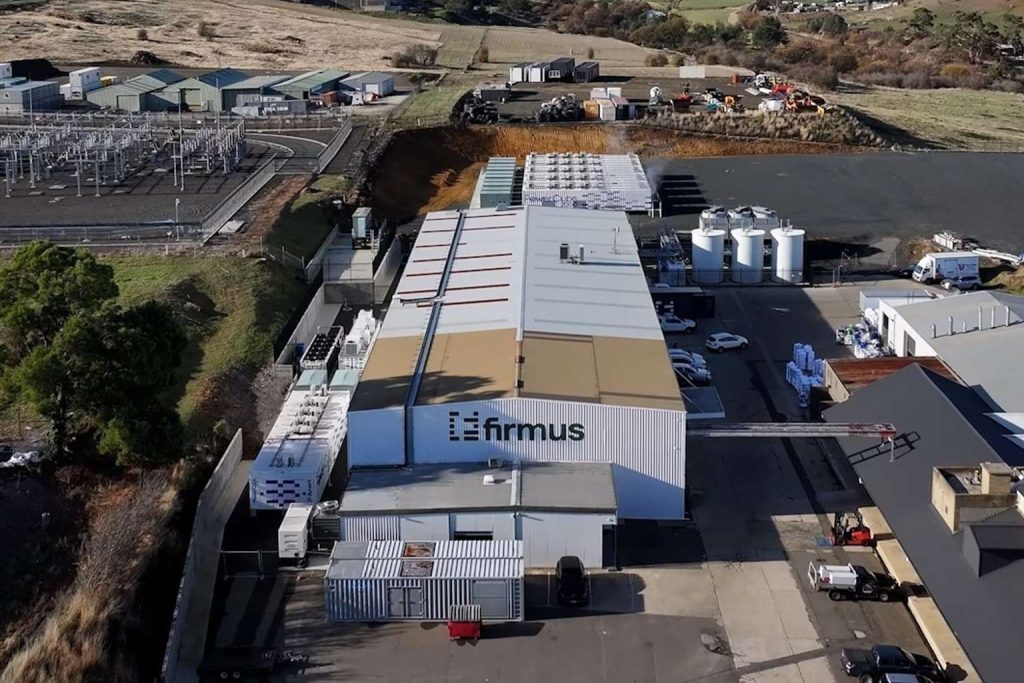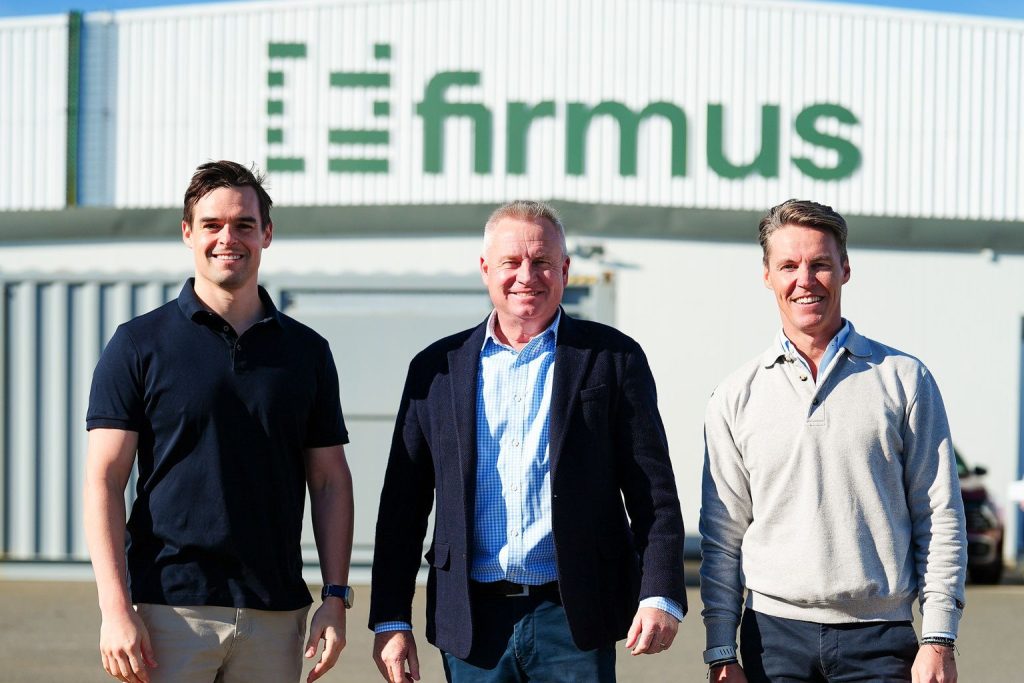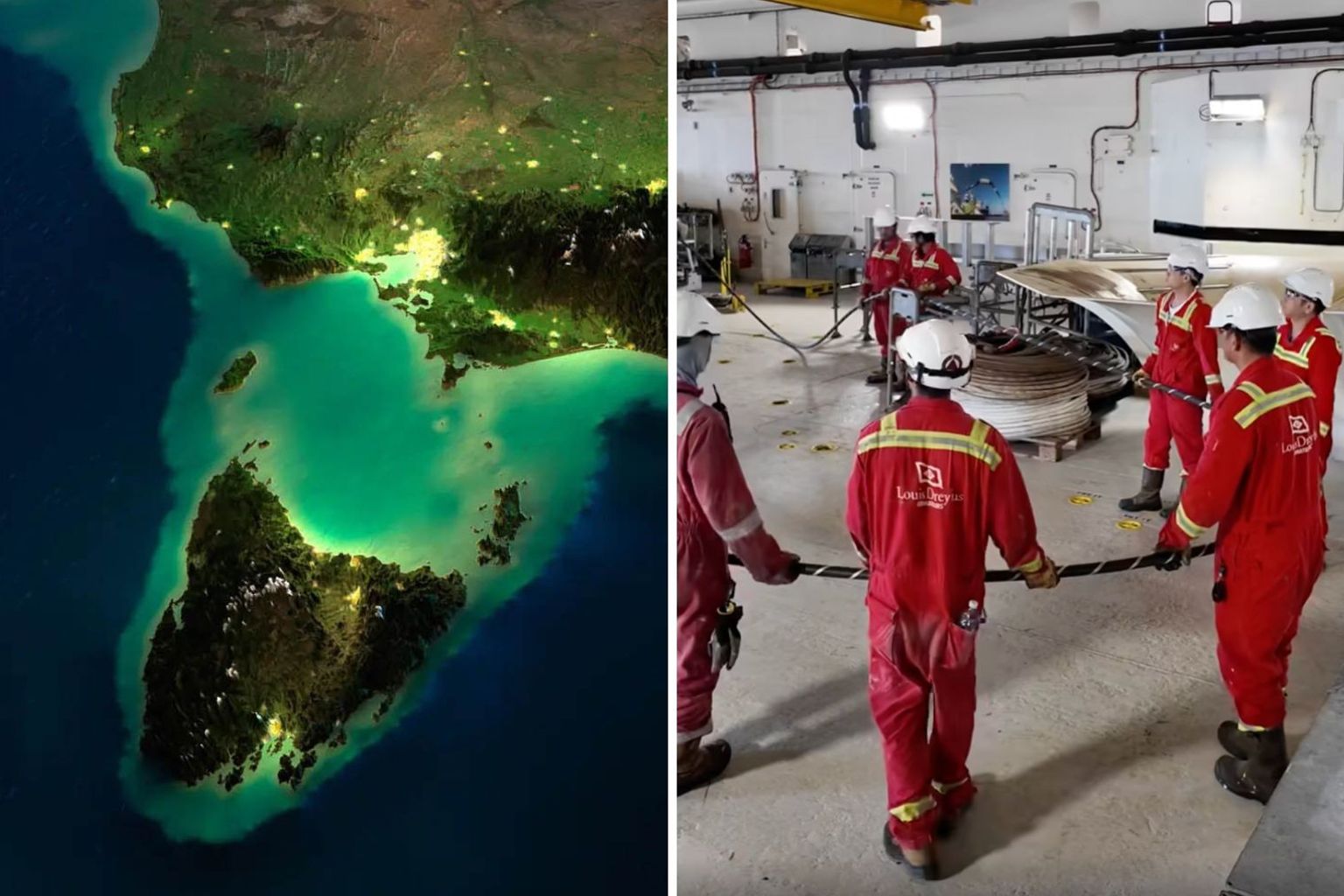
Tasmania is set to get its first new undersea fibre optic cable to the mainland in more than 20 years, through a new deal between local tech company Firmus and cable builder SUBCO.
The cable, named Bernacchi-1 after Tasmanian-raised Antarctic explorer and physicist Louis Bernacchi, will connect Tasmania into SUBCO’s new 5000km SMAP cable running between Sydney and Perth.
It will join up with the recently laid Sydney to Melbourne leg of the SMAP cable through a new branch in the Bass Strait, delivering more than 60 terabits per second of extra internet capacity onto the island from day one – more than all existing Bass Strait fibre cables combined.
The cable will land in northern Tasmania and provide two pathways to the mainland – north-west to Melbourne and north-east to Sydney.
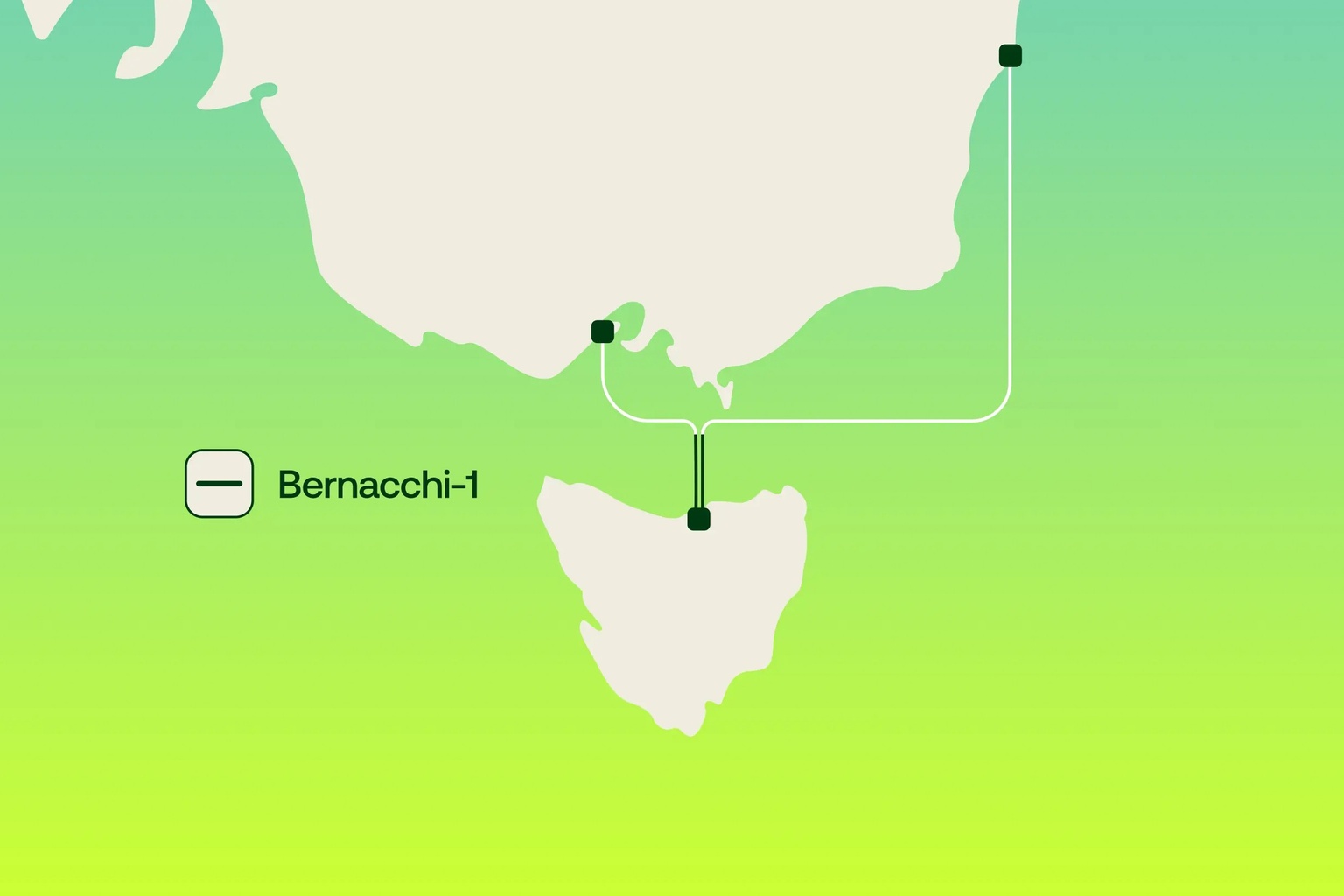
The Sydney link is a first for Tasmania, connecting the state directly to New South Wales, where most of Australia’s overseas internet cables come ashore.
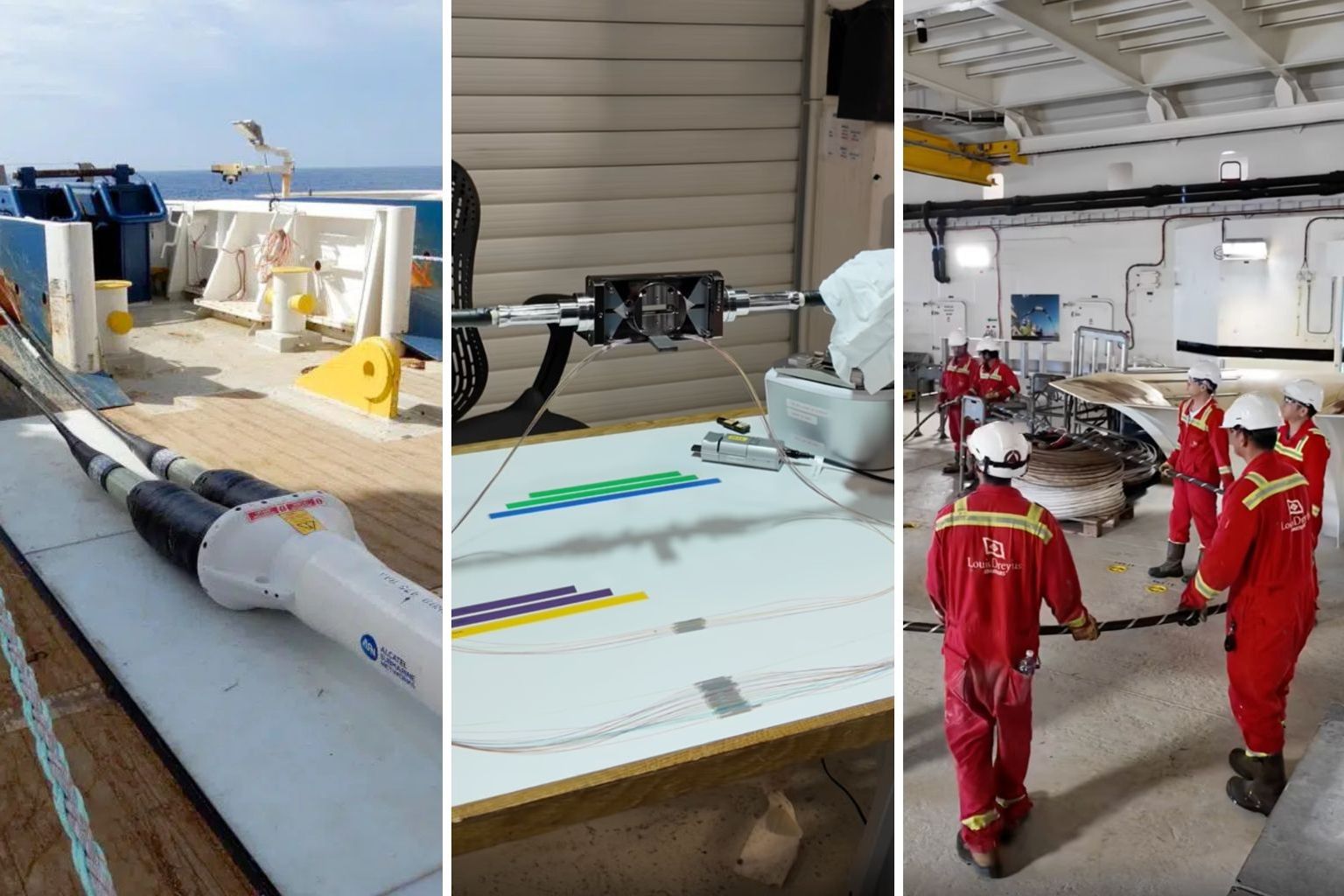
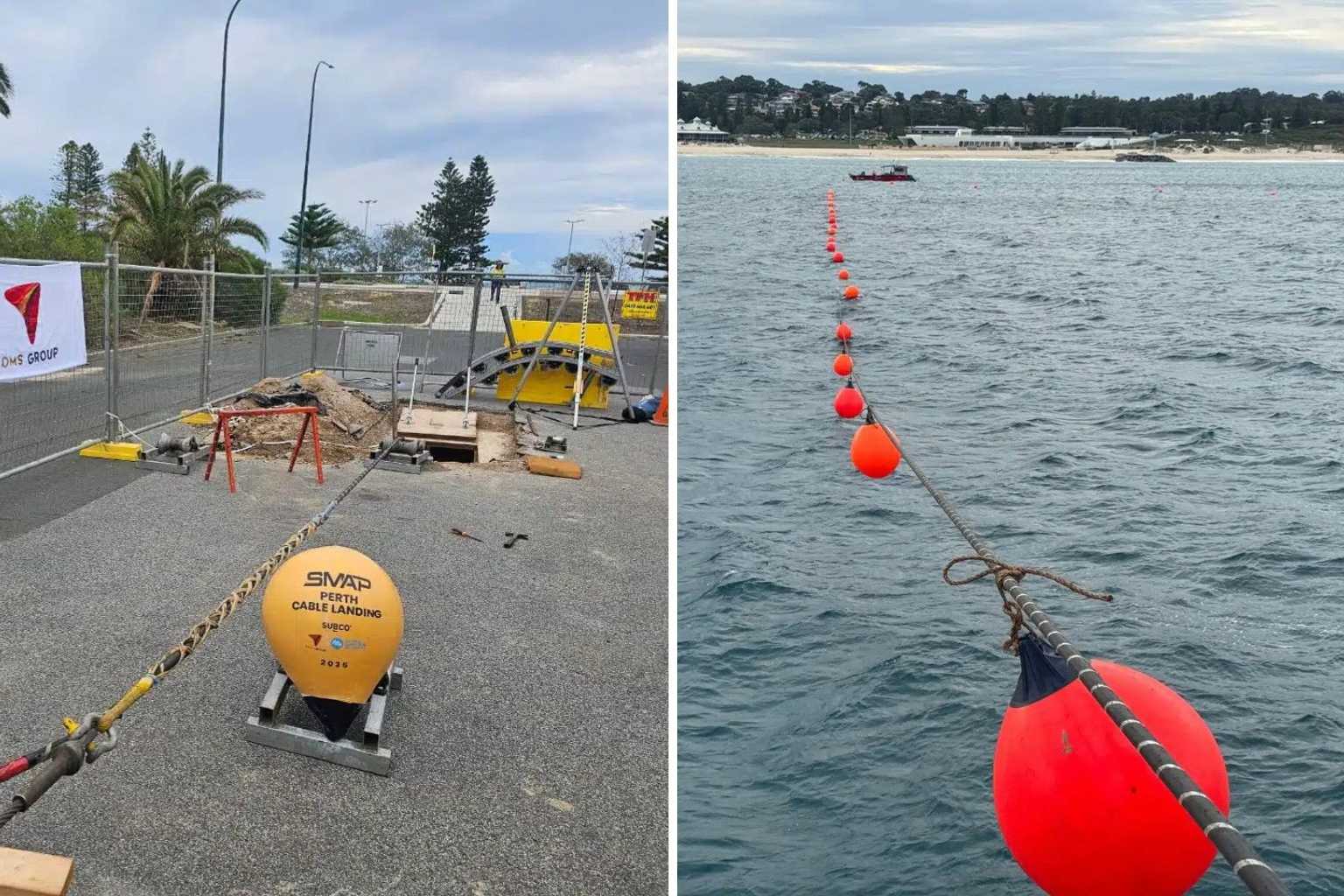
SUBCO will build and run the cable as part of its broader network, which is on track to be ready by June 2026.
The Tasmanian branch is expected to be up and running by mid-2027.
The branch revives a connection nearly lost in September 2024, when SUBCO dropped a planned Tasmanian spur from the same SMAP cable after government funding fell through.
Bevan Slattery, founder and co-CEO of SUBCO, described the setback as “sad news for Tasmanians” at the time.
With the main system now built and in the water, the spur is finally proceeding, this time underwritten by Firmus.
Slattery this week said the new Tasmanian project had been a long time coming.
“I’ve been trying to build a new fibre route between Tasmania and the mainland for over a decade to bring much needed diversity, resiliency and cheaper connectivity to Australia and the world,” Slattery said.
“Bernacchi-1 for me is a great example of how Australia can leverage AI to create new sovereign owned infrastructure capability for the benefit of the nation as a whole.
Firmus co-CEO Tim Rosenfield said the cable was part of a bigger push to make Australia, and particularly Tasmania, a global AI hub.
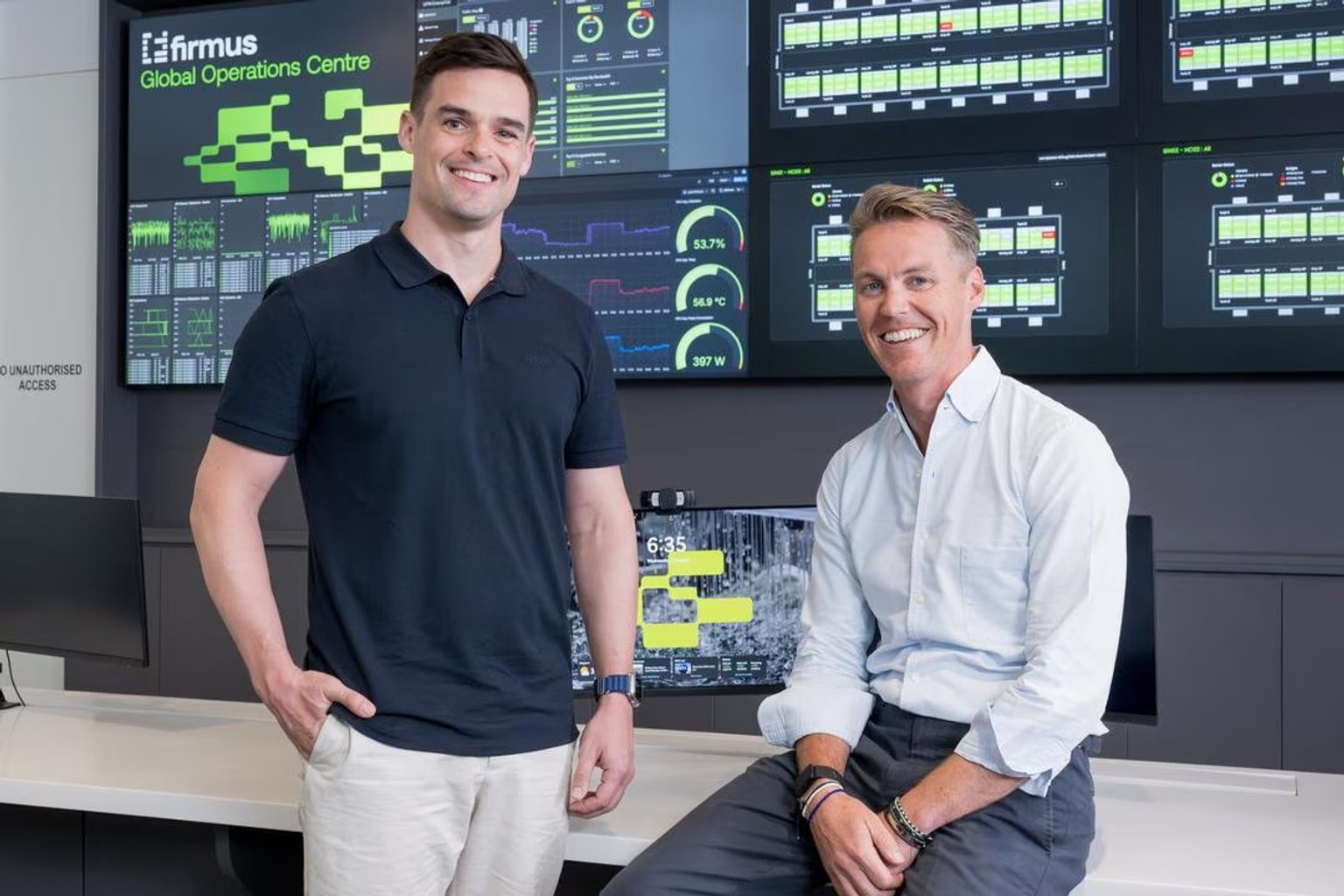
The company is underwriting the Tasmanian leg of the cable, which will decrease digital transit costs to the mainland, allowing new technologies to leverage our cool climate for efficient data centre operations on the global stage.
“We’re re-wiring Australia’s digital infrastructure to make Australia one of the world’s largest exporters of AI Tokens,” Rosenfield said.
Tasmania currently has three fibre optic cables to the mainland. Telstra installed their two data cables under the Bass Strait in 1995 and 2003, while Basslink switched on its fibre optic cable in 2009 after laying it in 2005.
A freak incident in 2022 saw both of Telstra’s Bass Strait fibre optic cables cut for several hours.
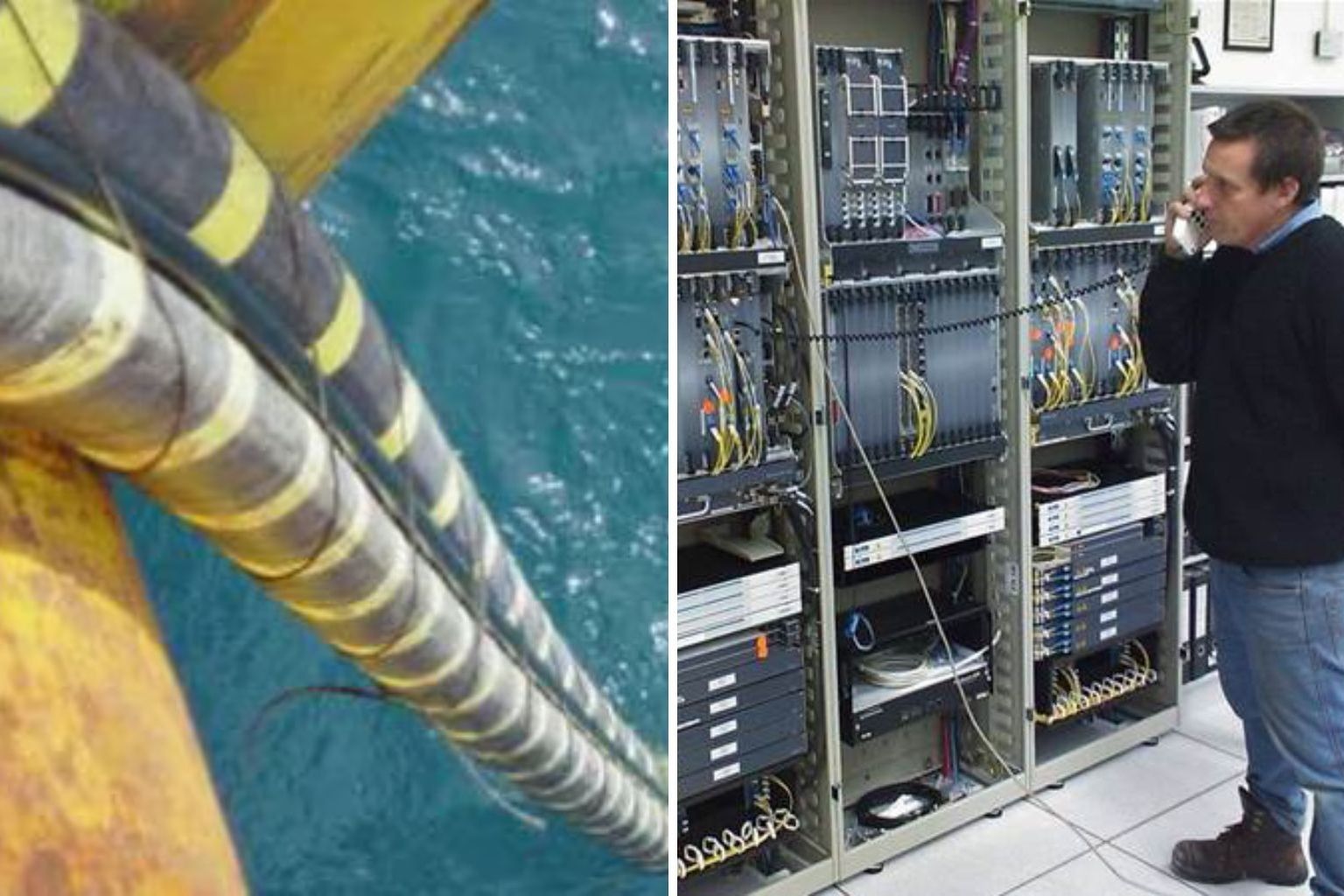
The disconnection took the internet offline for the majority of Tasmanians for several hours, while also taking most TV and radio services and mobile phone reception off the air around the state.
Marinus Link, a new power inter-connector between Tasmania and the mainland, will also have a fibre optic cable – adding a fifth digital connection under Bass Strait in the coming years.
Tasmanian Premier Jeremy Rockliff has welcomed the private investment for the new Subco cable by Firmus, saying it would strengthen the state’s digital future and boost jobs.
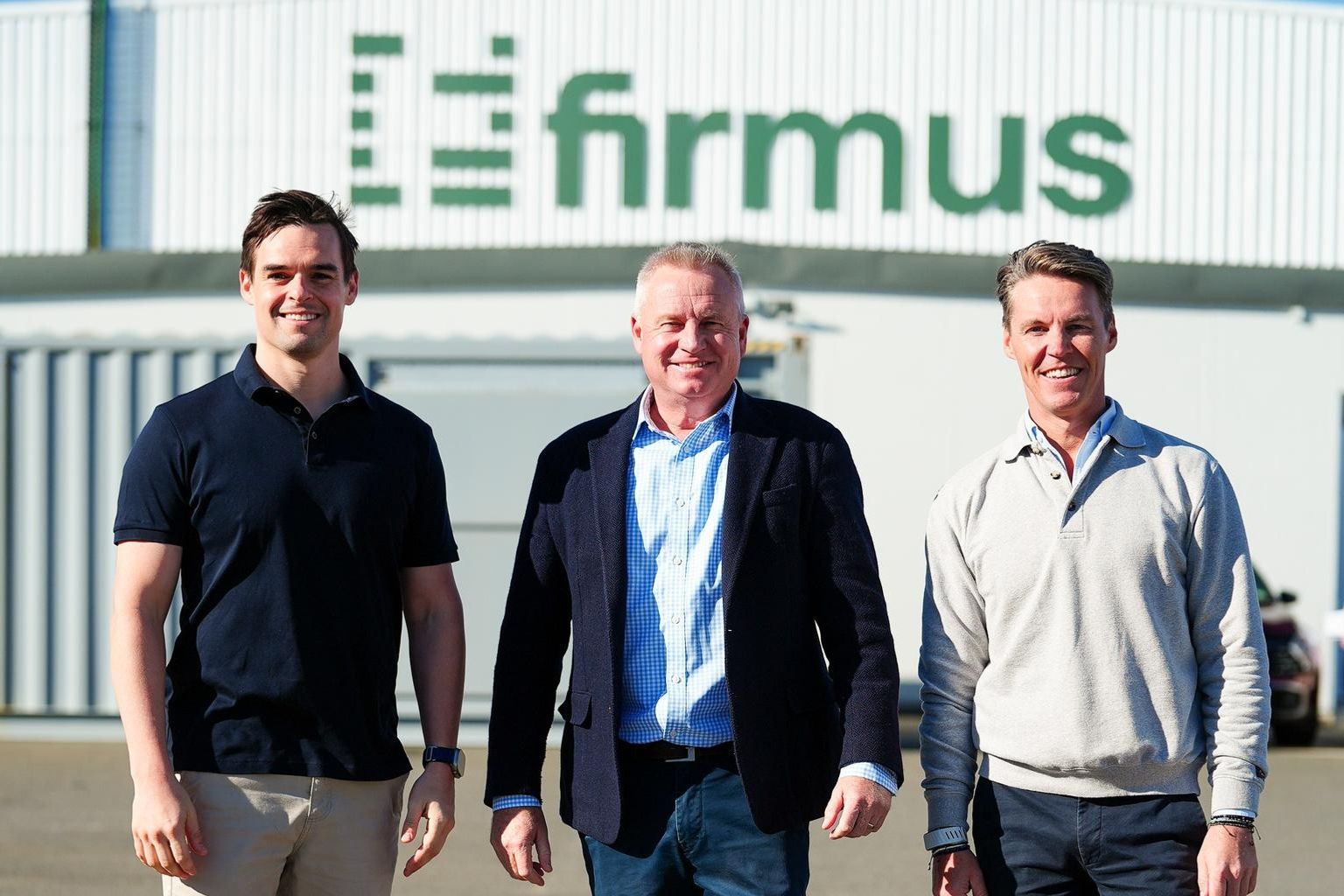
“The AI revolution is here and Tasmania is in a strong position to benefit from the jobs and infrastructure being delivered as part of this change,” Rockliff said.
But the announcement has drawn scrutiny over the energy demands of Firmus’s broader plans.
During budget estimates this week, Energy Minister Nick Duigan confirmed Firmus’s three planned data centre sites across Tasmania — at St Leonards, Bell Bay and Wesley Vale – are projected to consume around 400 megawatts of power.
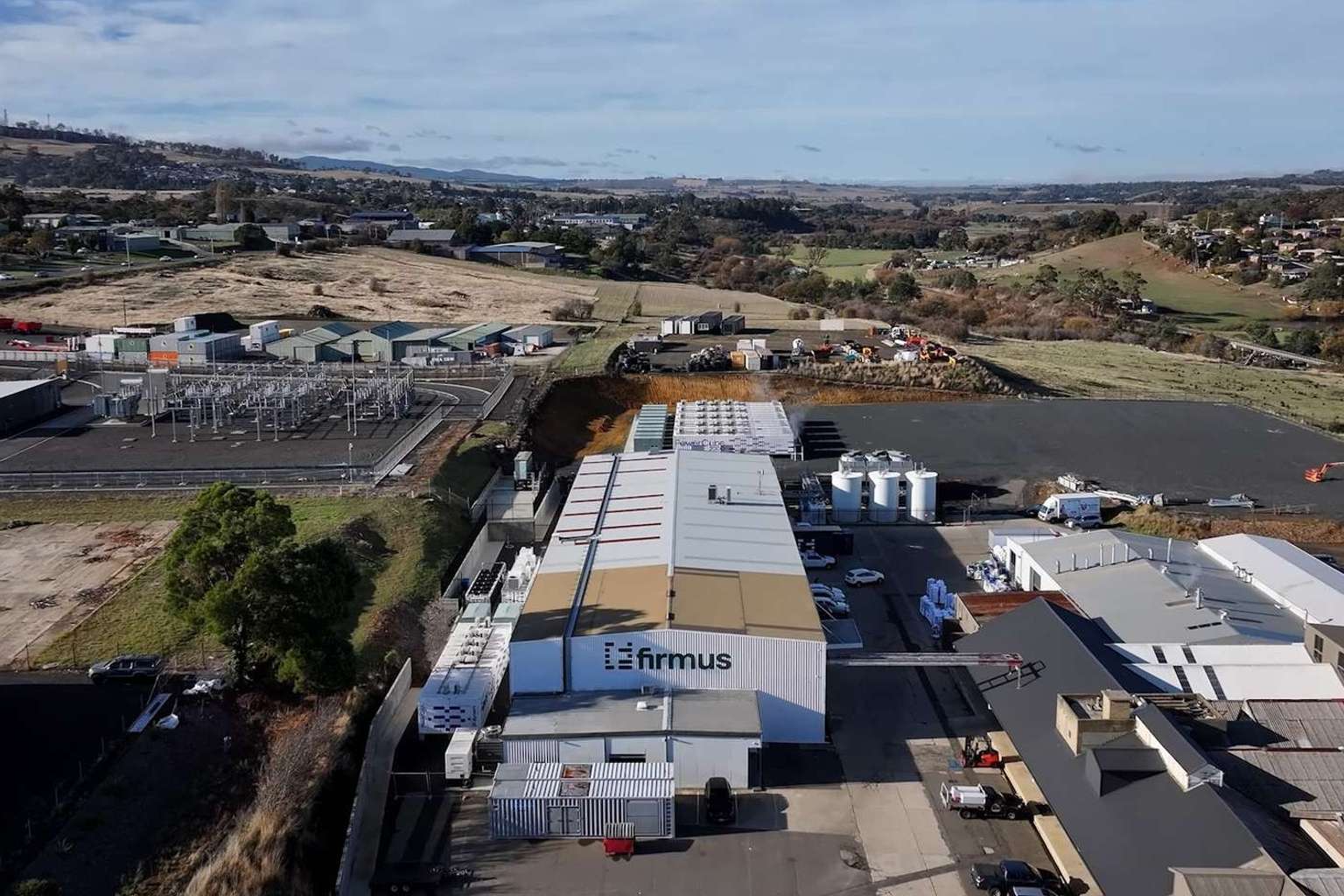
That would make Firmus the state’s largest power consumer within four years.
Greens science and technology spokesperson Tabatha Badger said the prospect was “frightening” given Tasmania had no planning guardrails in place for AI and data facilities.
The Greens are calling on the government to put proper safeguards in place before more data centres are approved.