A high-risk plant pest has been found in Tasmania for the first time, triggering a biosecurity response at a commercial farm in the state’s north-west.
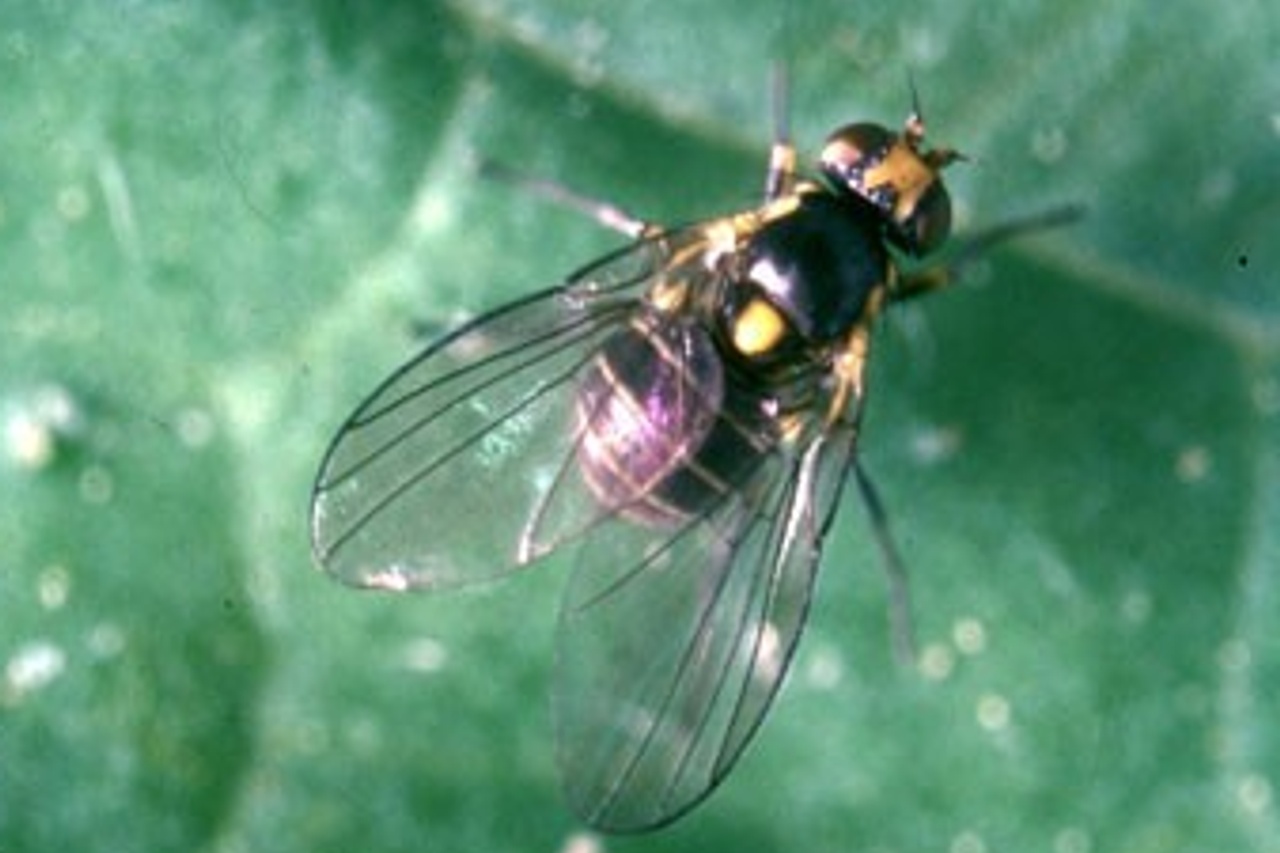
Biosecurity Tasmania is investigating the detection of serpentine leafminer, a tiny fly whose larvae tunnel through plant leaves.
The pest has been present on mainland Australia since 2020 but had not previously been confirmed in Tasmania.
It attacks more than 200 plant species across more than 30 plant families, including potatoes, beans, peas, brassicas, lettuce, celery, tomatoes and cucurbits.
Serpentine leafminer is classed as prohibited matter under Tasmania’s Biosecurity Act 2019.
The agency had put “site-specific biosecurity directions” in place to control the pest and stop it spreading, Biosecurity Tasmania said in an alert.
It is also carrying out surveillance and tracing work to determine how far the pest may have spread.
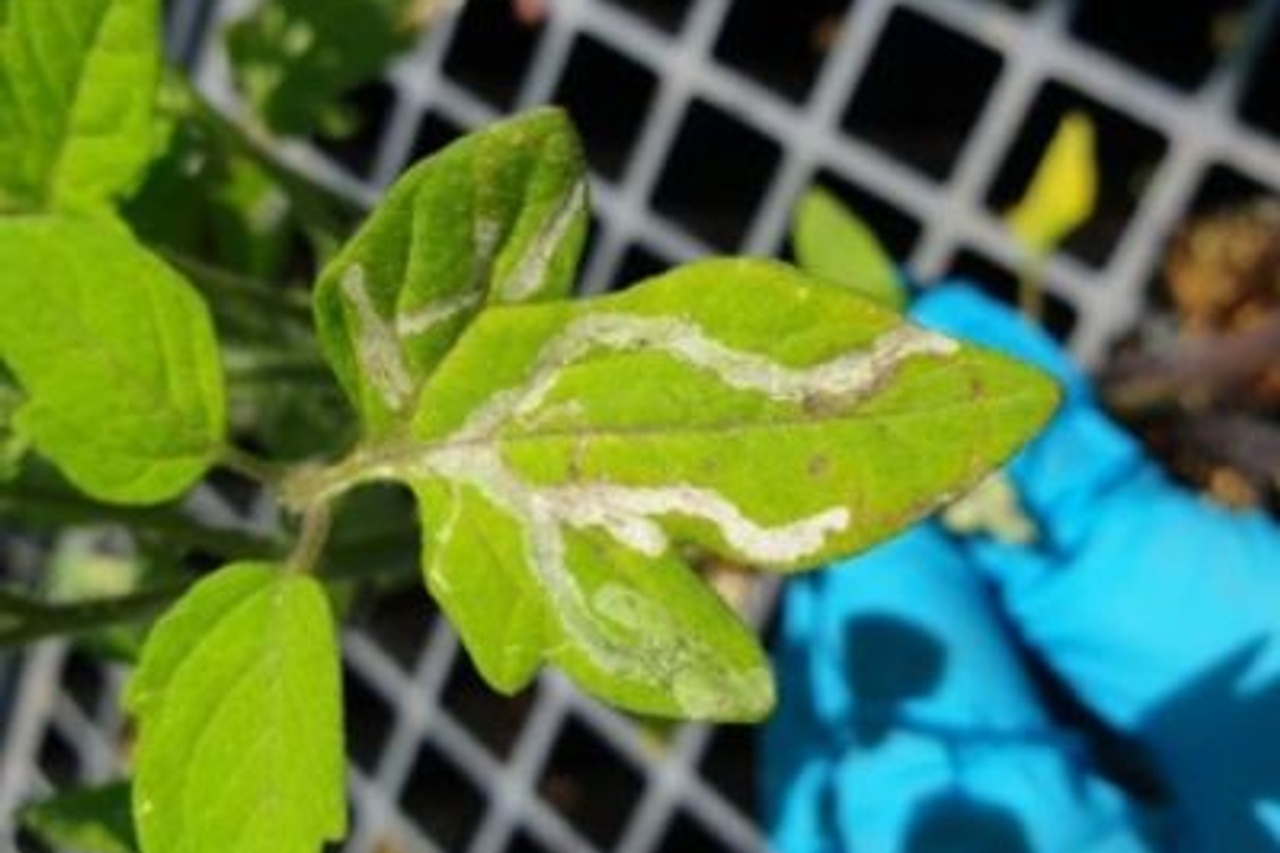
The larvae leave squiggly white lines on leaves, known as “mines”, as they tunnel through plant tissue.
Heavy infestations can slow plant growth, cut yields and make leafy green crops unsaleable.
The challenge for growers is that similar leafminers are already common across Tasmania, making the pest difficult to identify.
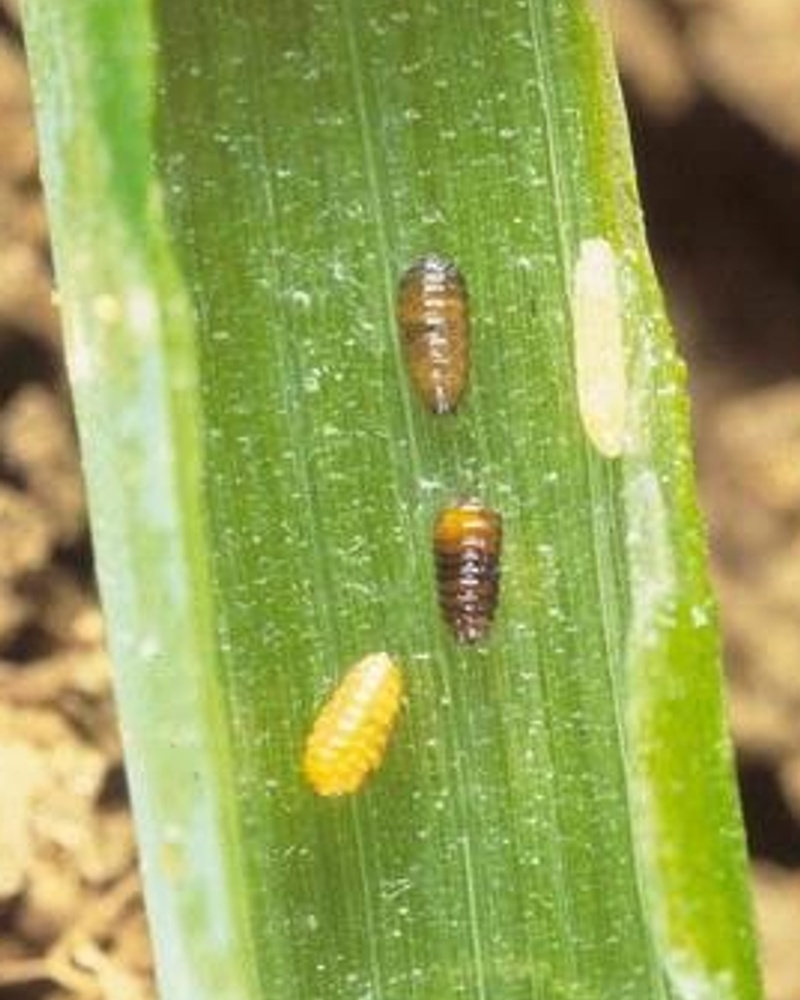
Entomologists can only confirm serpentine leafminer by rearing larvae through to adult flies or by molecular testing.
Common local species include beet leafminer, cabbage leafminer, cineraria leafminer and turnip leafminer.
Biosecurity Tasmania is asking growers and the public to watch for heavy infestations in commercial crops or damage on plants not usually affected, such as artichoke, celery, cucumber, sunflower and zucchini.
Anyone who suspects the pest should restrict access to the area and not move any plants or plant material off-site.
“Note the location and get a photo of the damage and leafminers if you can,” the agency said in the alert.
Suspected detections can be reported to Biosecurity Tasmania on 1300 368 550.