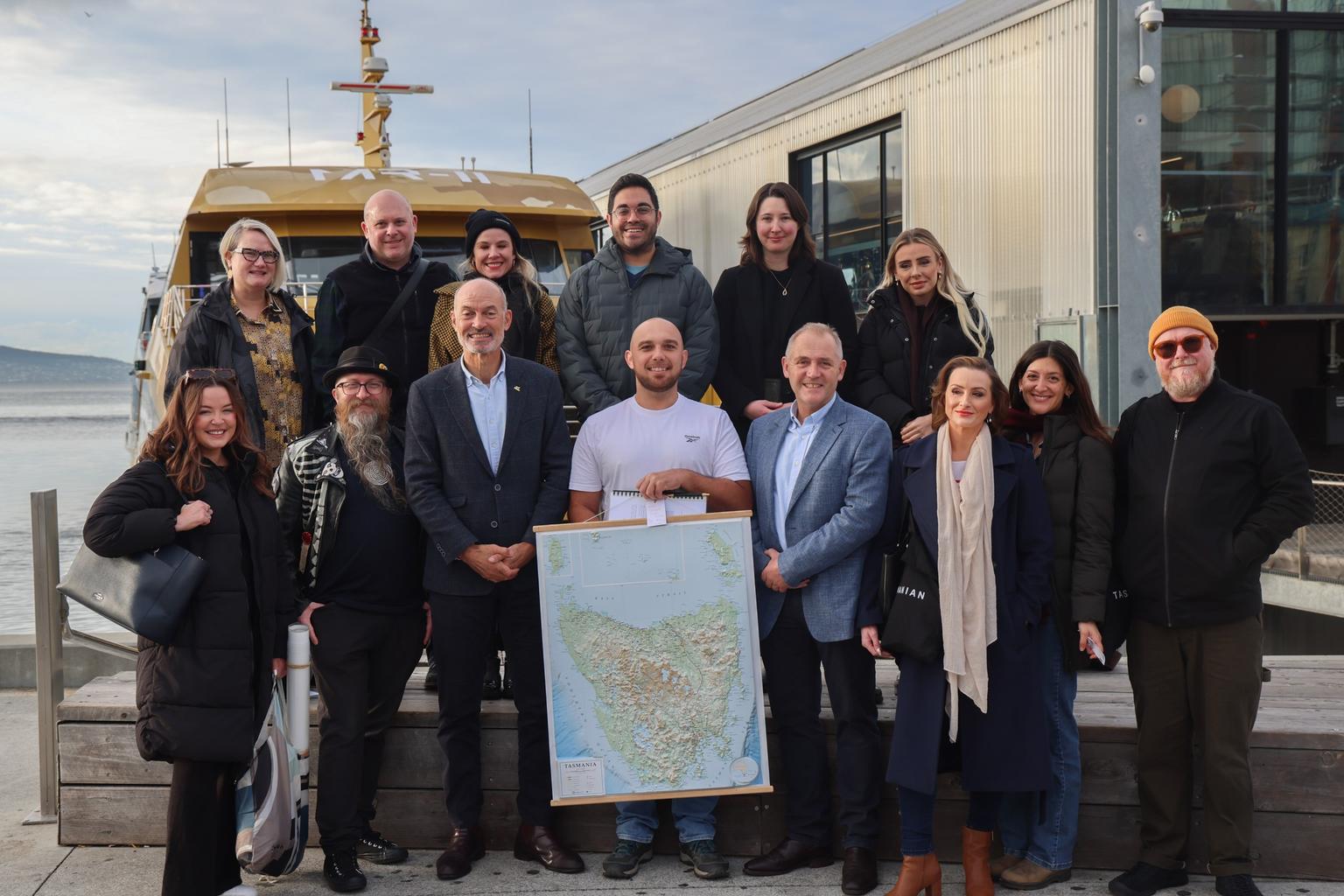
Tasmania’s wine industry is in the national spotlight this week as influential buyers from across Australia tour the state’s wineries in a push to boost trade and distribution.
Wine Tasmania’s National Wine Trade Visit is bringing key wine trade figures to the island for a week-long program aimed at building relationships between Tasmanian producers and mainland buyers.
Small Business, Trade and Consumer Affairs Minister Guy Barnett said the state government is investing $30 million in trade over the next four years as part of the 2026-27 Budget.
“The program brings key buyers to Tasmania, allowing them to experience our products, people and our regions, creating important opportunities to strengthen relationships between Tasmanian producers and buyers,” Barnett said.
He said the visit supports increased listings and distribution while helping build long-term partnerships that benefit regional economies.
Tasmania’s premium wine industry hit two state records in 2025.
The state harvested 23,002 tonnes of wine grapes and produced an estimated 1.66 million cases of wine.
“The average grape price reached $3,924 per tonne, compared with the national average of $604 per tonne, highlighting the premium reputation Tasmanian wine has built nationally and internationally,” Barnett said.
“That means Tasmania’s grapes are delivering around six-and-a-half times greater value per tonne than the national average, with sparkling wine accounting for around 43% of total production.”
The visit ties in with the new Tasmanian Trade Strategy 2030, which focuses on strengthening both domestic and international markets to support export growth.
“Our government is backing the new trade strategy with an additional $5.5 million investment to help our businesses expand their reach, grow exports and create jobs across the state,” Barnett said.
He said the domestic off-island market remains a critical stepping stone for many producers looking to build the capability and confidence to export.
“This visit demonstrates the value of connecting our producers directly with key decision-makers from across Australia,” he said.