
The Tasmanian Aboriginal Centre has accused the government of “blatant racism” over its new Aboriginal heritage bill, saying Aboriginal people are “completely denied” the right to own their heritage.
The Aboriginal Heritage Bill 2026, tabled in parliament today by Aboriginal Affairs Minister Bridget Archer, would replace the state’s Aboriginal Heritage Act 1975.
The bill would establish a 10-member Aboriginal Heritage Council made up entirely of Aboriginal people, with five members nominated by the Tasmanian Aboriginal community and five selected by the minister.
The council would become a decision-making body, assessing and approving permits and management plans for activities that could harm Aboriginal heritage.
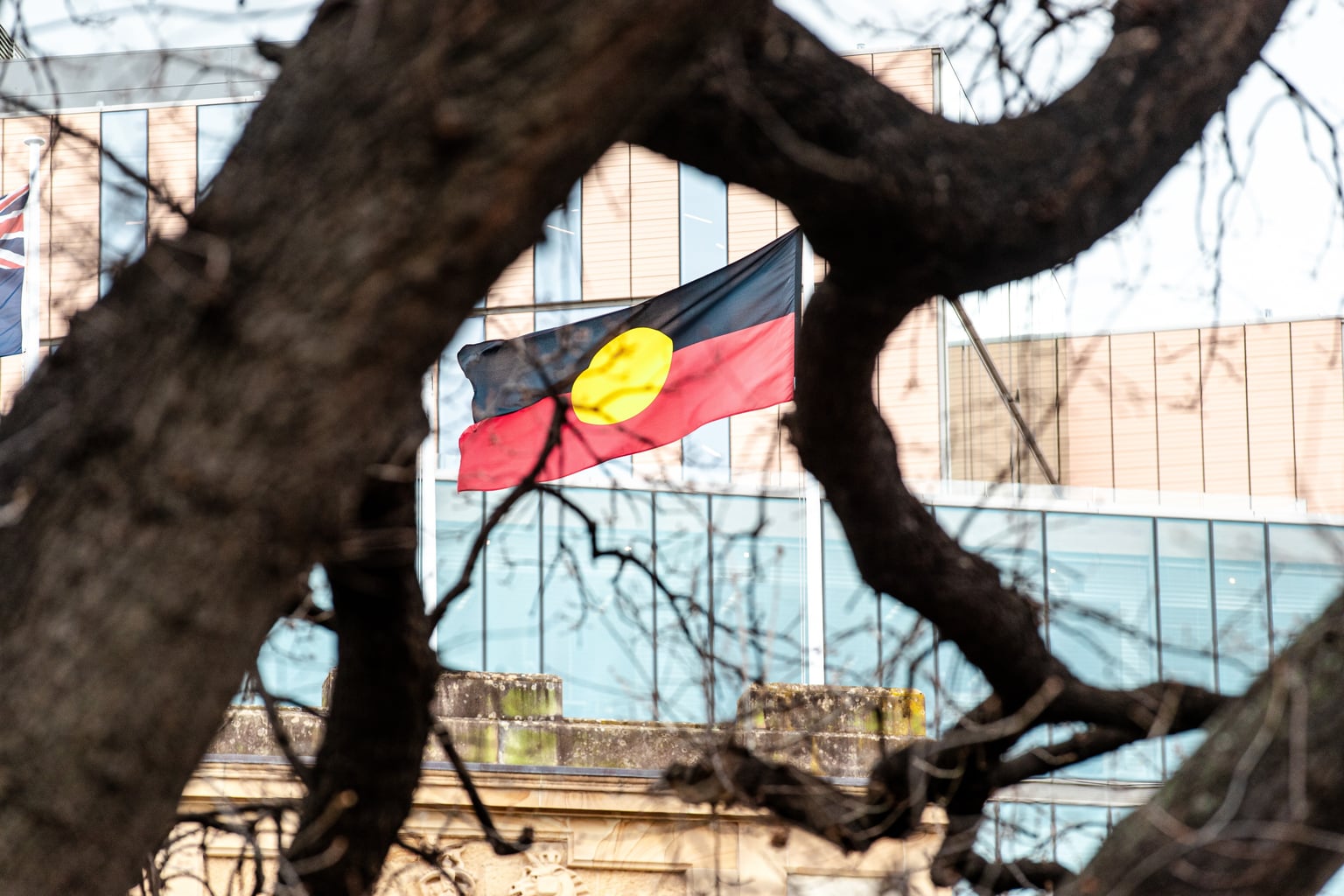
However, the minister could approve management plans if the council chose not to consider them or could not reach agreement with a developer and could decide permit applications the council did not determine within 42 days.
Knowingly harming Aboriginal heritage would carry a maximum fine of 5,000 penalty units for individuals and small businesses and 10,000 penalty units for larger companies.

People who own Aboriginal heritage objects would have 12 months to report them to the state, but would not be required to hand them over.
An independent review of the laws within five years would consider whether they should extend to culturally significant landscapes and intangible heritage such as traditions and knowledge.
Tasmanian Aboriginal Centre campaign manager Nala Mansell said the bill gave “one race of people” the right to own, protect and manage their heritage while denying Aboriginal people the same right.
“It is racial discrimination and it’s a complete injustice that in the year 2026, we’re seeing such blatant racism entering the parliament,” she said.
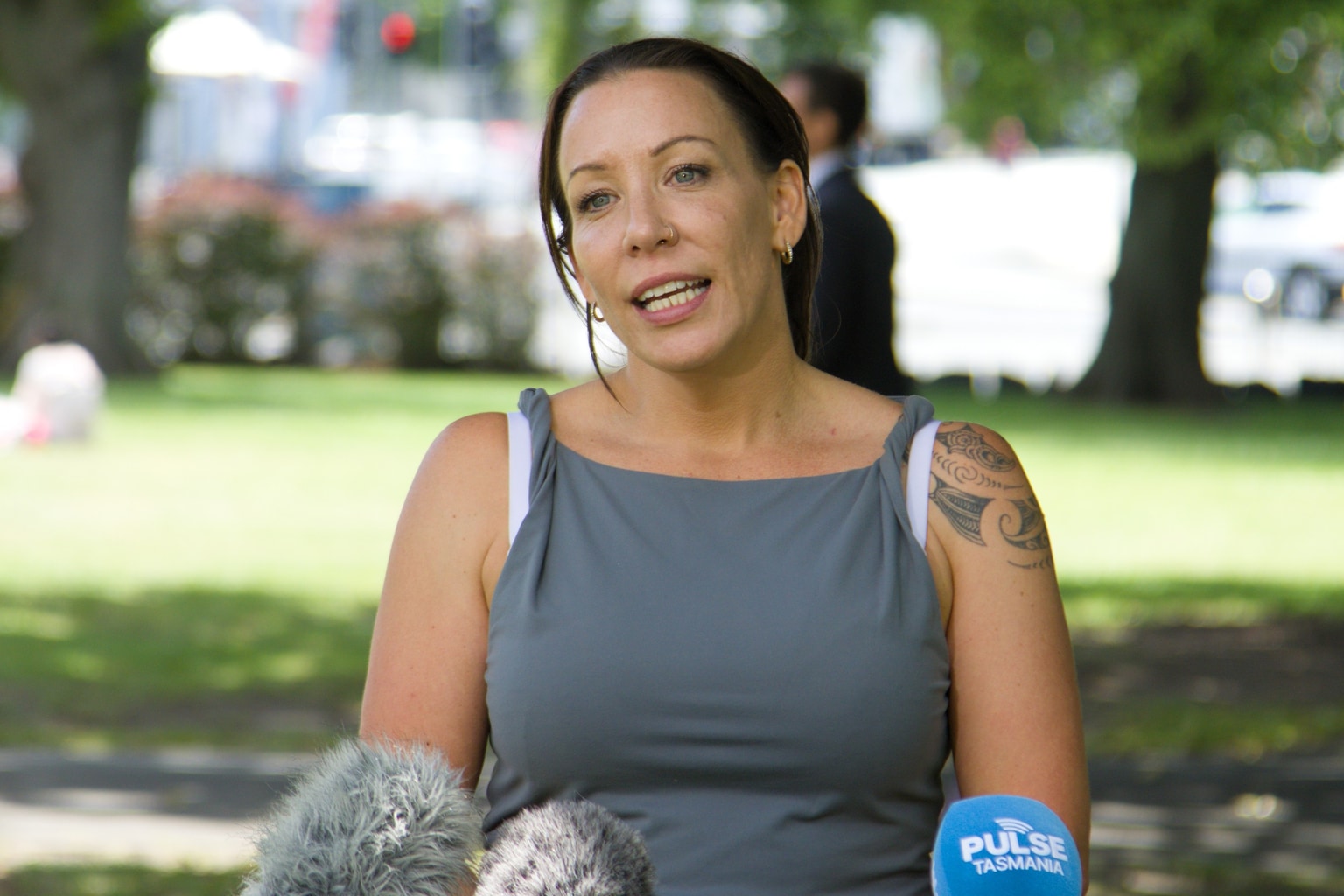
Mansell said the Aboriginal community had been “completely shut out of the process” despite attending meetings and making submissions.
“There is no way white people can own, manage and control their own heritage and own, manage and control Aboriginal heritage while protecting it,” she said.
She said the community would lobby the crossbench to block the bill, as it had previously done with a proposed review of the Aboriginal Lands Act.
Archer said the bill introduced “a vastly improved framework that provides stronger recognition of Aboriginal heritage, clearer decision-making processes and greater transparency about how Aboriginal heritage is protected and managed”.

She said consultation had directly informed the final bill, including the change to allow half the council’s members to be nominated by Tasmanian Aboriginal people.
“While this bill cannot satisfy all views, given the significant divergence of opinions expressed, it is a significant improvement on the current legislation and provides a stronger foundation for the protection and management of Aboriginal heritage into the future,” she said.
Archer said the bill also responded to business feedback seeking more certainty on processes and timeframes and she looked forward to it being debated next year.