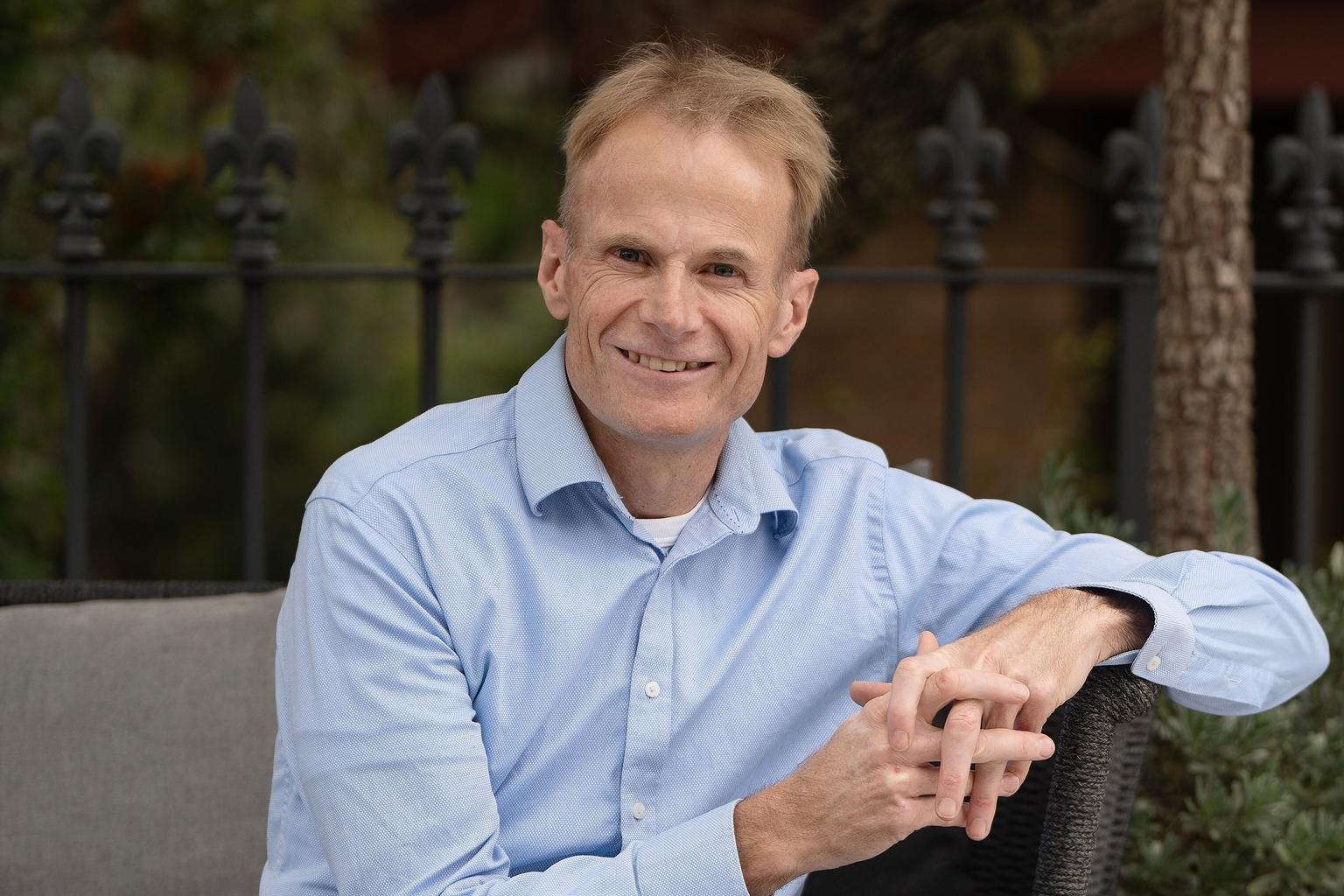
Richard Scolyer, the former Australian of the Year who fast-tracked revolutionary brain cancer research by volunteering as “patient zero”, has died aged 59.
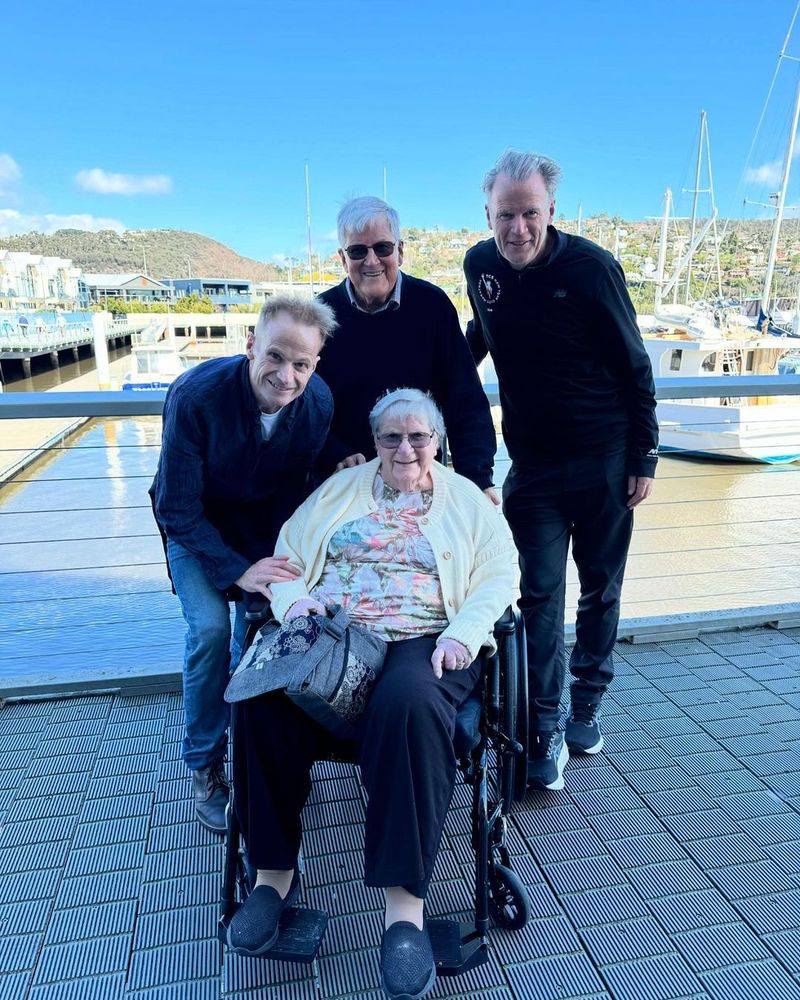
Scolyer was born in Launceston in December 1966 and grew up playing footy, swimming and riding bikes on caravanning holidays with his parents, Jenny and Maurice, and older brother, Mark.
He was a former head prefect and dux at Riverside High School before going on to study medicine at the University of Tasmania in Hobart.
He later moved to Sydney, where he pursued his interest in melanoma and helped develop the Melanoma Institute of Australia.
Scolyer was diagnosed with IDH “wild” type glioblastoma in 2023 at age 56, and fought the aggressive brain cancer for almost three years, defying a typical survival time of around 12 months.
“I’m just amazed, to be honest, that I’m still here,” he told Australian Story in January this year.
He became the world’s first glioblastoma patient to receive immunotherapy before surgery to remove a brain tumour, an approach based on melanoma science he and his co-director at the Melanoma Institute, Georgina Long, had developed.
Scolyer called the decision a “no-brainer” for someone facing certain death.
“Unfortunately for me, I got one of the worst of the worst brain cancers where there isn’t a cure for it. Bugger that. I’m not happy to accept that,” he told Australian Story.
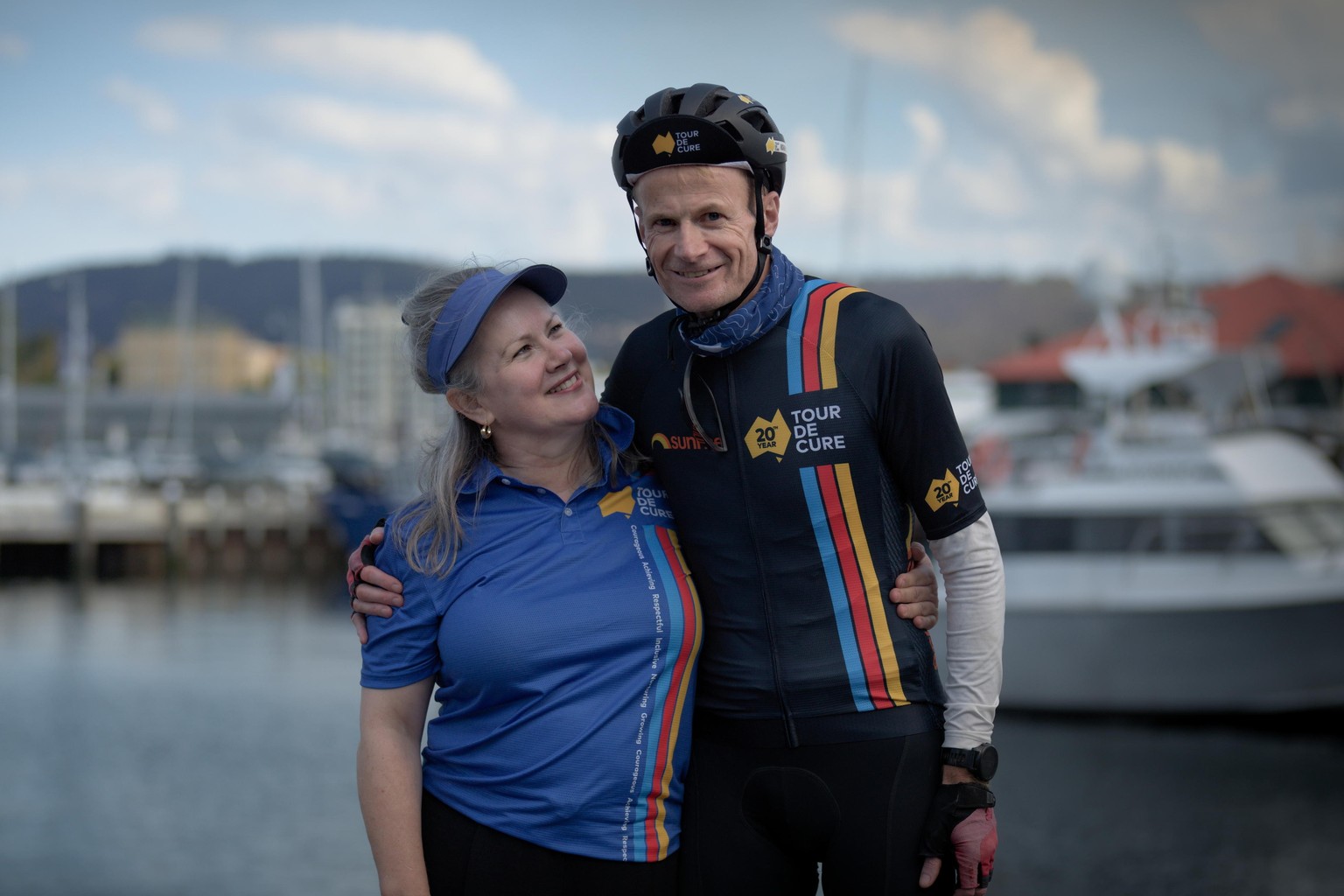
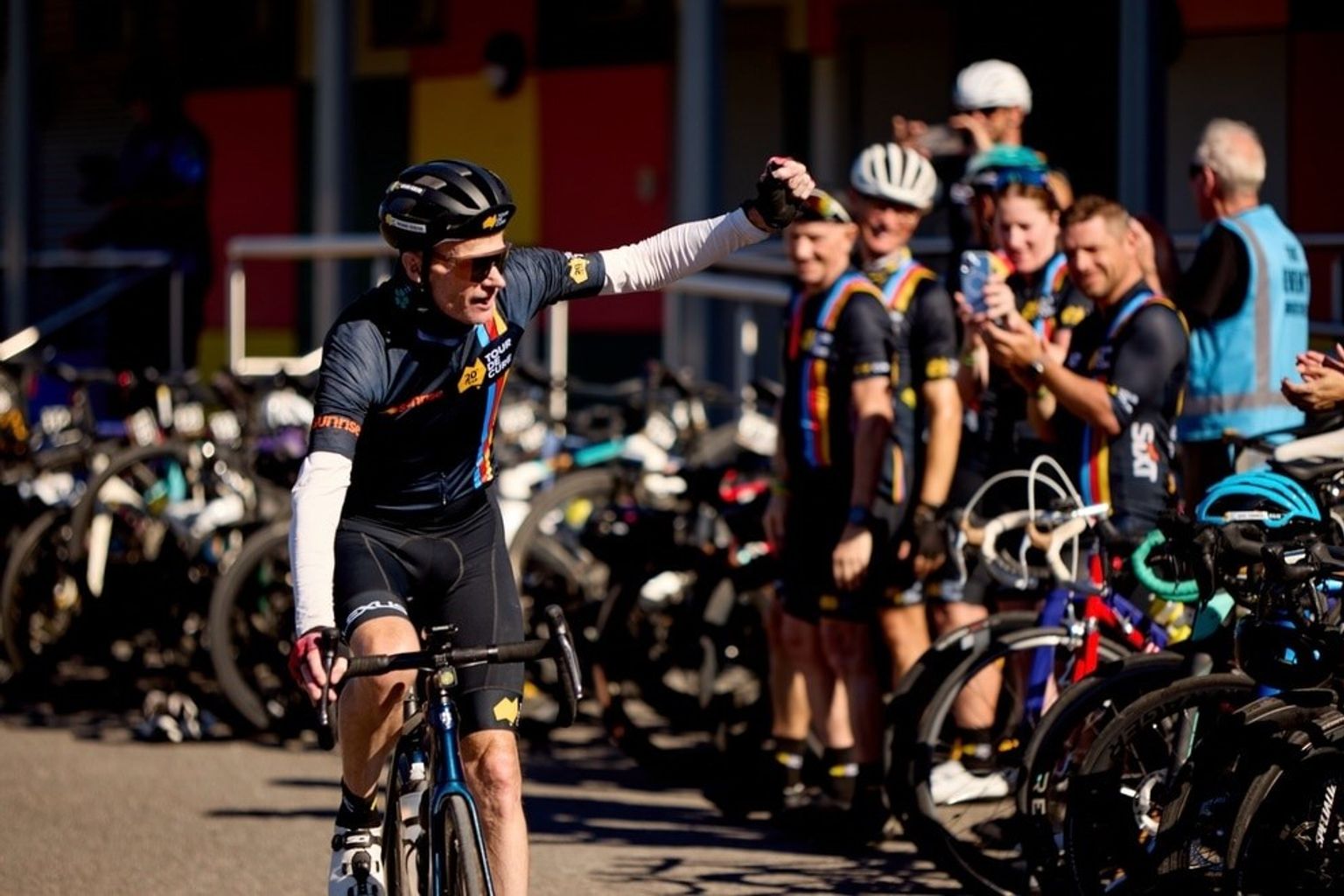
In March 2024, he travelled to Tasmania to compete in the three-day cycling event Tour de Cure.
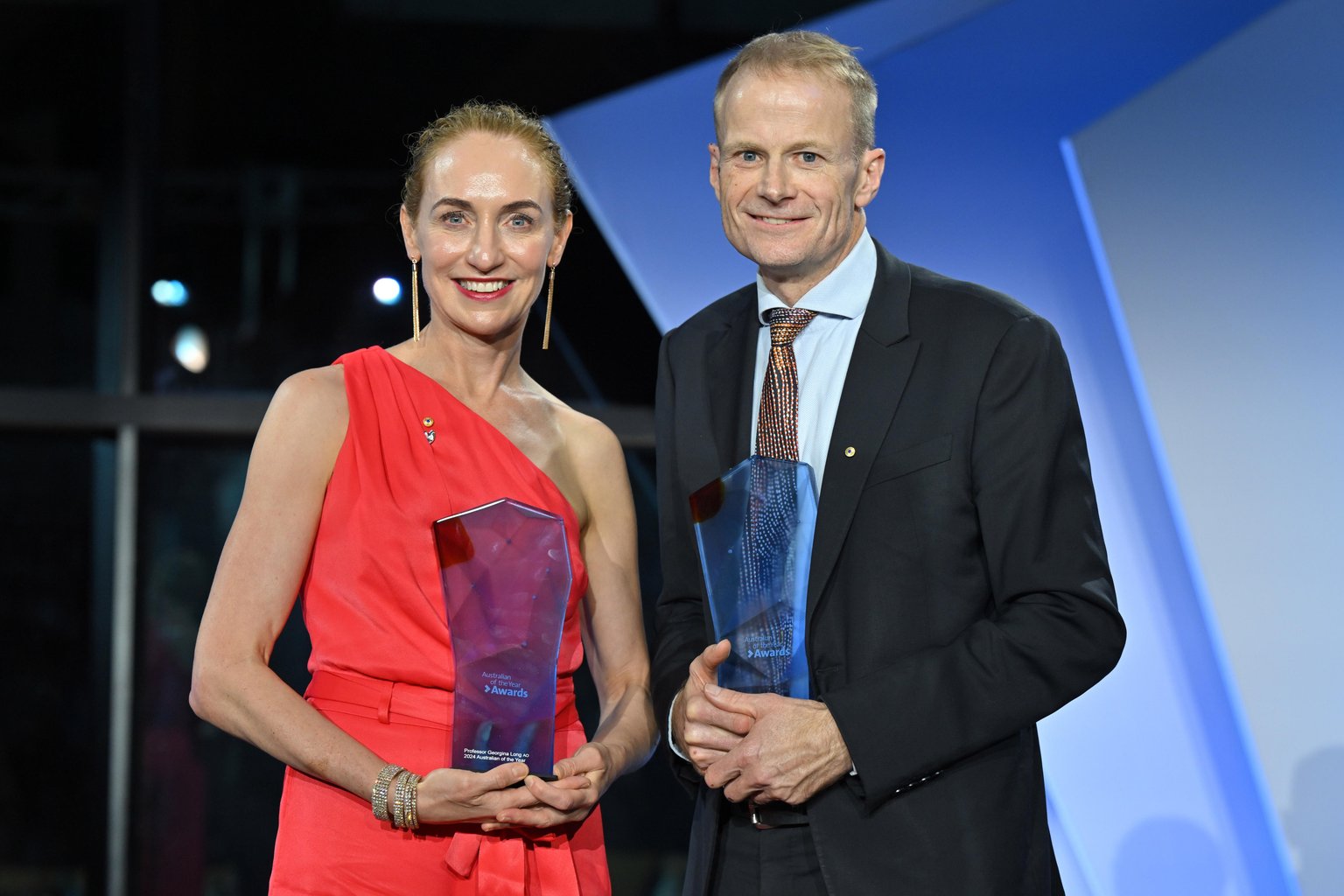
He and Long were named joint 2024 Australians of the Year for their pioneering melanoma work.
His cancer showed signs of returning in March 2025.
Despite fast-growing tumours, he completed the Tour de Cure again just months before he died, alongside his son Matt and brother Mark, raising thousands of dollars for cancer research.
In February this year, clinical trials based on his treatment became a reality, with three patients enrolled so far at Duke University Cancer Institute Centre in North Carolina.
A further trial is gearing up at the Peter MacCallum Cancer Centre in Melbourne.
In an open letter he asked to be published after his death, Scolyer described his life as one “filled with happiness, optimism, opportunity and passion”.
“Having dedicated my 35-year working life to patient care, cancer research and improving lives, I wanted to keep contributing, even in my darkest hour,” he wrote.
He reflected on the toll his illness took on his family, writing that the challenges “have also drawn us closer and reinforced that family is everything”.
“I cannot thank my beautiful wife Katie and my adored children Emily, Matthew and Lucy enough for their love, their support, their strength, and their compassion,” he wrote.
Scolyer urged Australians to keep funding medical research, calling it “the most impactful way that you, too, can make a difference”.
“Perhaps the greatest lesson to come from these last three years is that cancer does not define us,” he wrote.
“It may be the current road we are travelling, but it is not our entire journey.”
Scolyer is survived by his wife, Katie, and their children Lucy, Matt and Emily.