Coastal drowning deaths in Tasmania have risen 40% in a year, with men accounting for six of the seven lives lost as surf lifesavers warn of the dangers ahead of summer.
Surf Life Saving Australia’s National Coastal Safety Report 2026 found seven people drowned on Tasmania’s coast in the 2025-26 reporting year, up from five the previous year and 17% above the 10-year average of six.
The state’s coastal drowning rate was 1.21 per 100,000 people, compared with a 10-year average of 1.09.
Coastal and ocean drownings accounted for 70% of the state’s 10 drowning deaths, with six of the seven coastal victims being men.
People aged 75 and over made up 43% of coastal deaths and boating was the most common activity, linked to 29%.
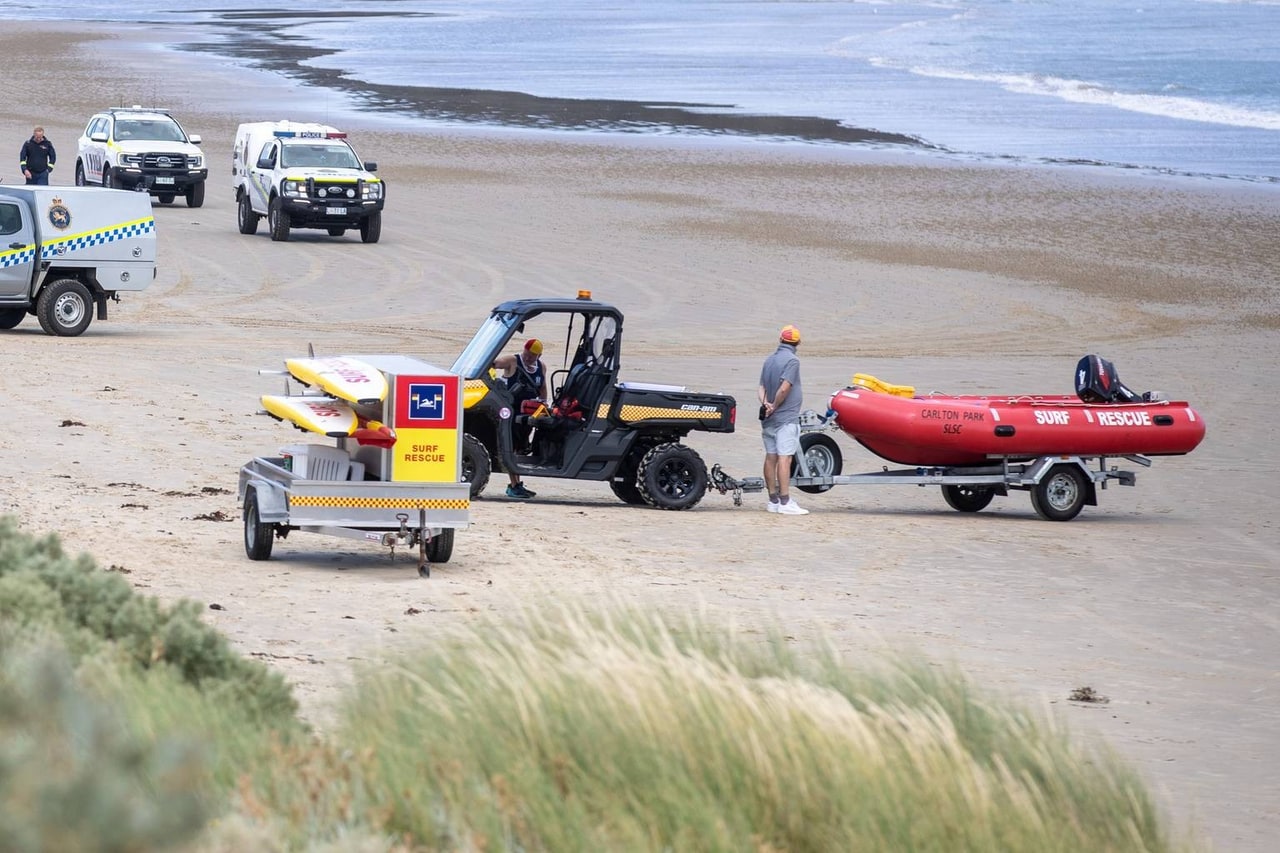
Every coastal drowning in Tasmania happened in a regional or remote area, more than one kilometre from a surf lifesaving service.
“Seven lives lost on our coast is seven too many,” Surf Life Saving Tasmania lifesaving services manager Ned Reardon said.
“Behind every figure is a person and a family whose lives have changed forever.”
Reardon said the number of men drowning was concerning, with overconfidence, underestimating conditions and going out alone among the common risk factors.
“We encourage men to know their limits, check conditions and make sure someone knows where they’re going,” he said.
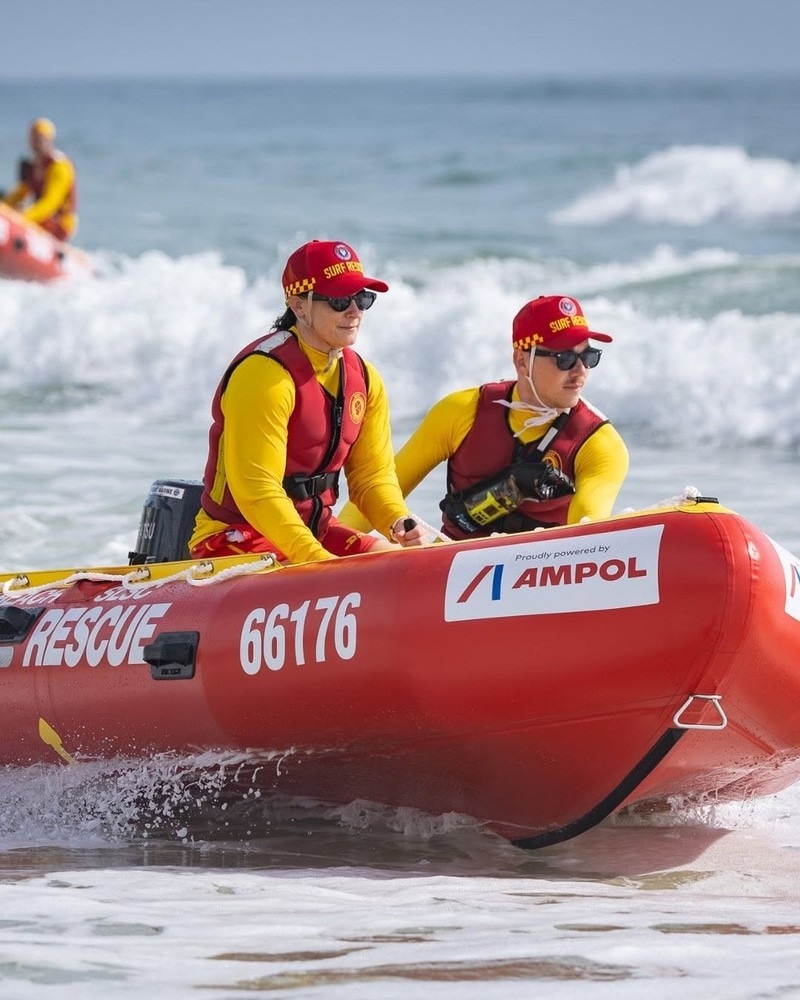
Nationally, 151 people drowned on the coast in the past year, including 134 men.
Two-thirds of the men who drowned were more than one kilometre from a surf lifesaving service.
Surf Life Saving Australia chief executive Adam Weir urged men to be realistic about their fitness and health when entering the water.
“Swim between the flags, don’t swim alone and don’t assume past experience makes you safe today,” he said.
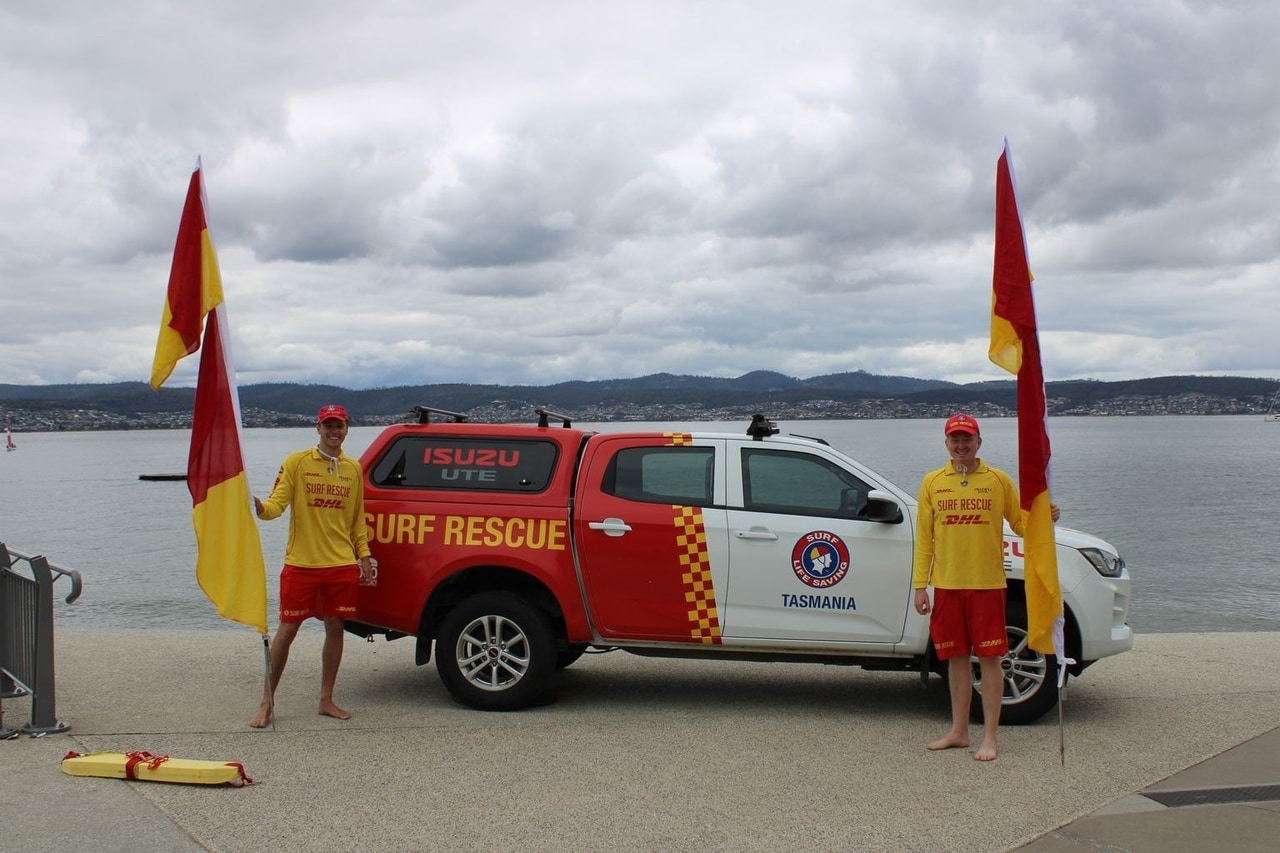
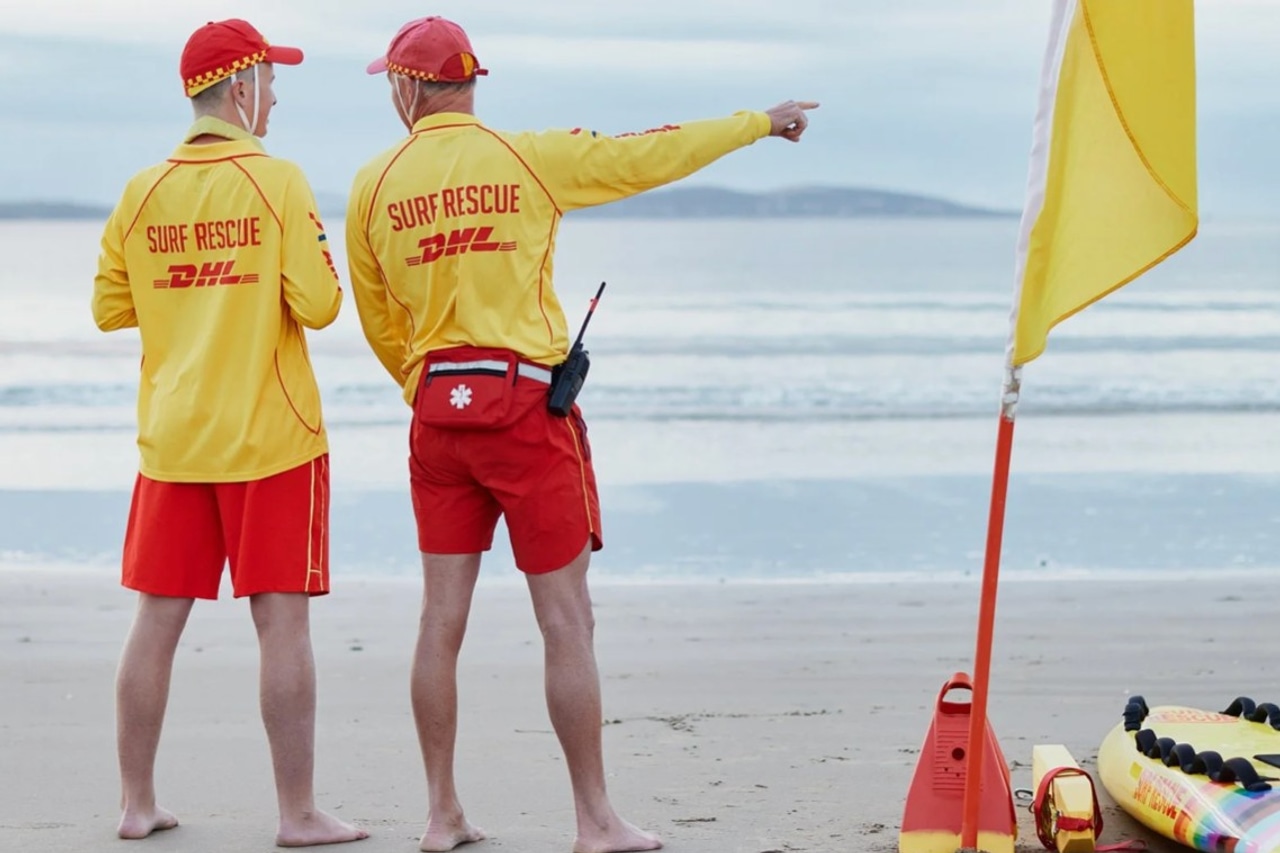
Tasmania’s 773 patrolling surf lifesavers volunteered more than 24,000 hours over the past year, work valued by the organisation at almost $7 million.
They carried out 21 rescues, plus 158 preventative actions where lifesavers stepped in before people got into trouble.
Reardon said lifesavers could not be everywhere, making it important for beachgoers to take responsibility for their safety.
“We can’t be on every beach all of the time, which is why it’s so important that people make safe choices when they head to the coast and our beaches,” he said.
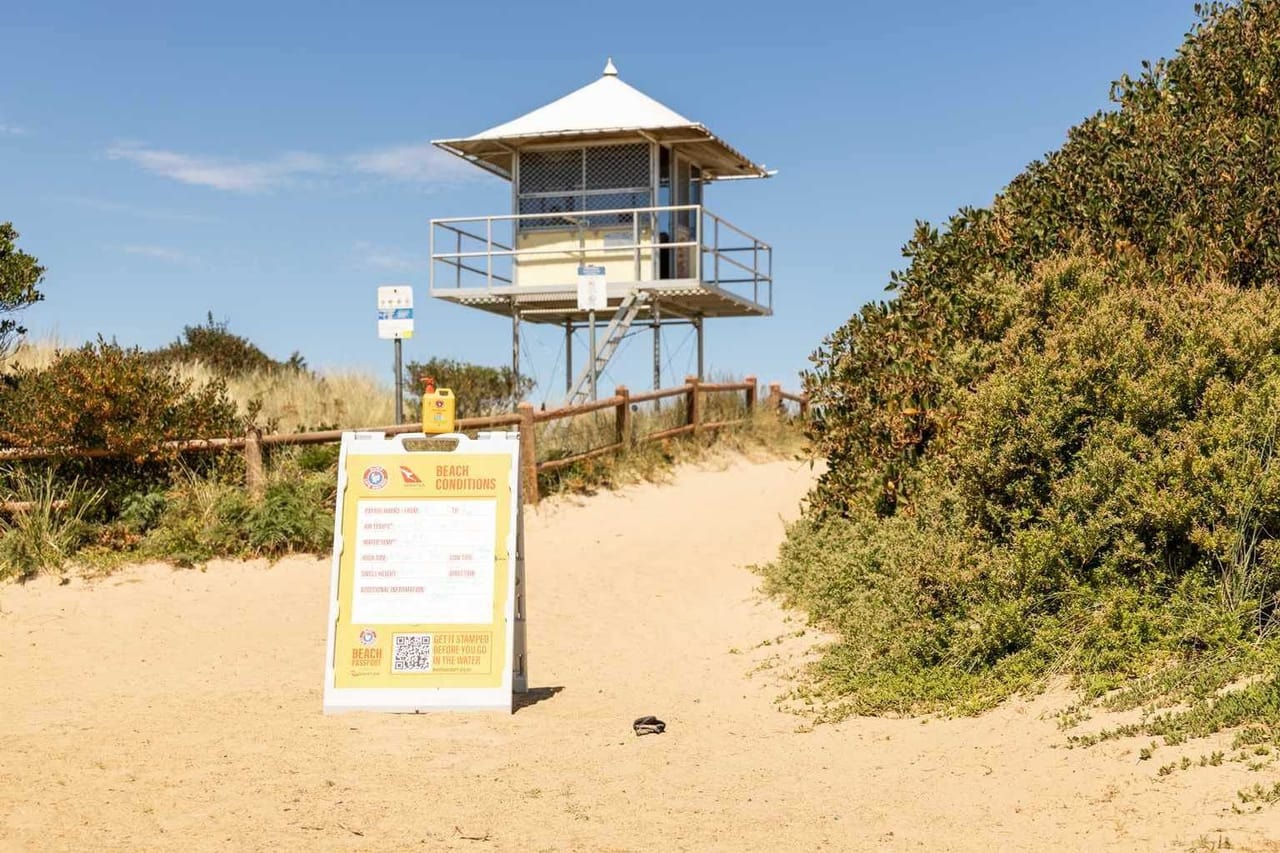
Surf Life Saving Tasmania is urging people to swim at patrolled beaches between the red and yellow flags and to check conditions on the Beachsafe app before visiting unpatrolled beaches.
The organisation is also asking people to wear a lifejacket when boating, paddling or rock fishing and to always supervise children in and around the water.