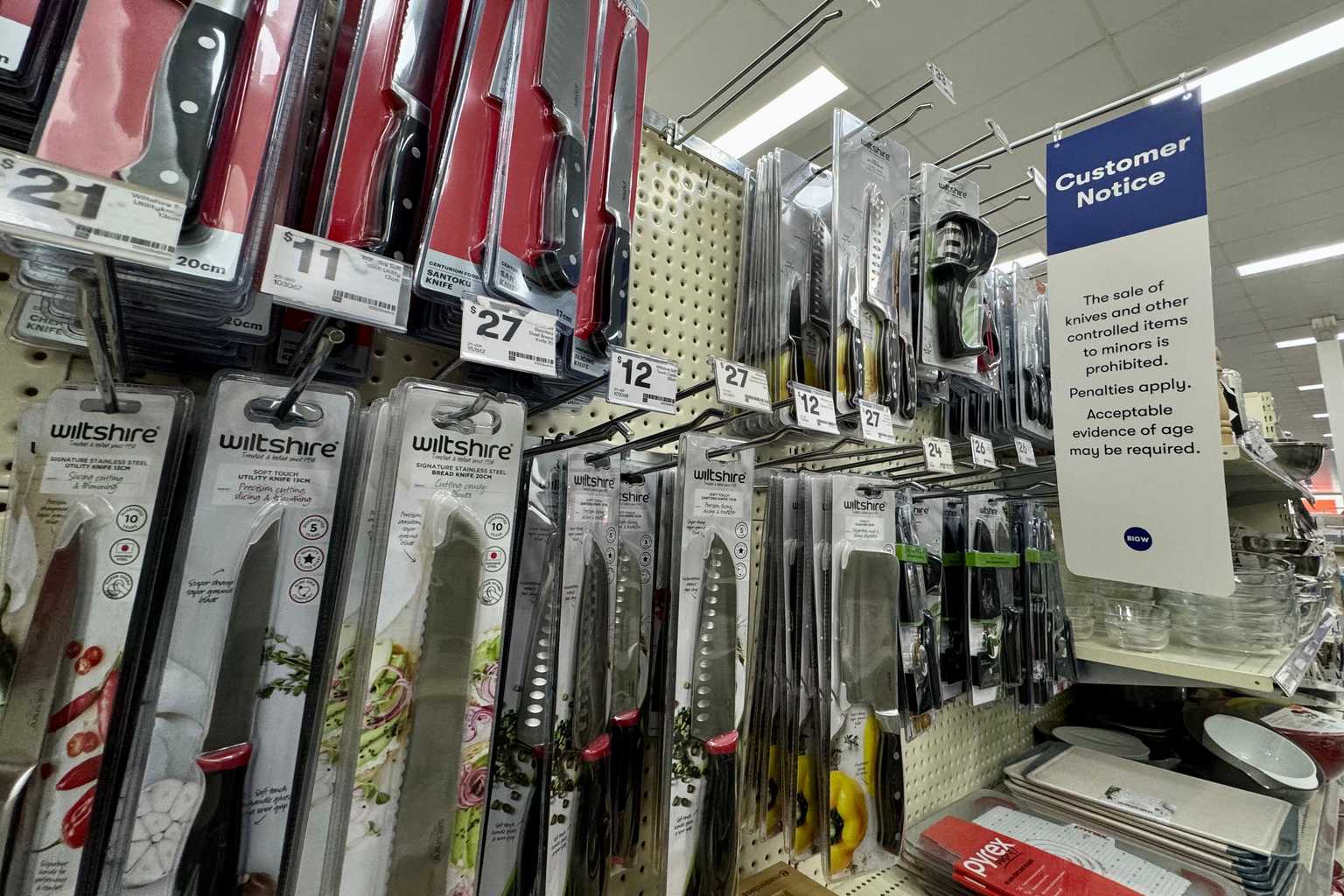
Tasmanian shops could have to lock up knives and warn customers they will not sell blades to under-18s, under planned laws aimed at keeping knives out of young hands.
The reforms follow growing concern across Australia about knife and machete violence after a string of serious incidents interstate.
The government outlined more detail on the plan this week after questioning from Independent Elwick MLC Bec Thomas.
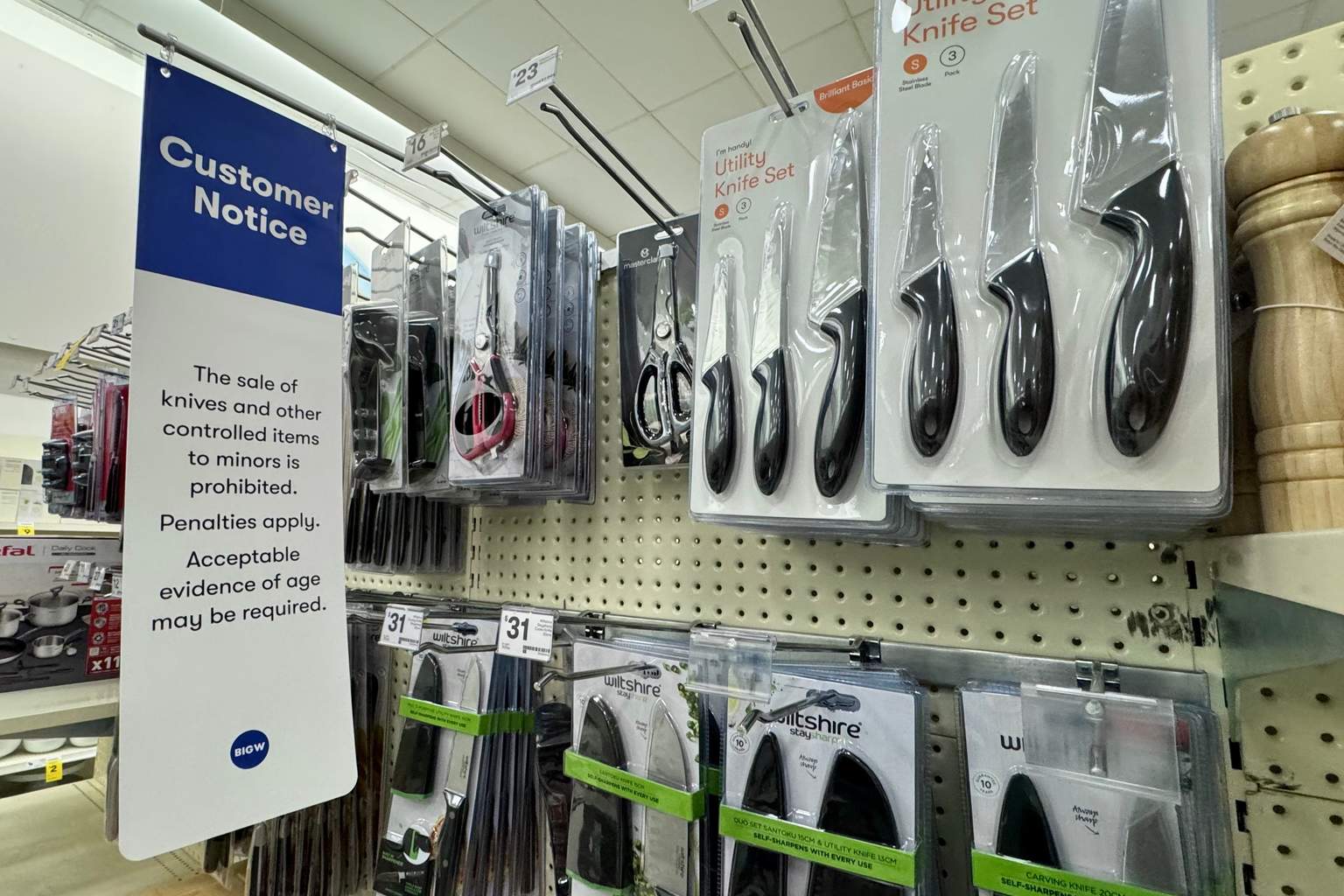
Independent MLC Tania Rattray, the government’s leader in the Legislative Council, said the law could require businesses to safely store knives and display signs warning they would not be sold to anyone under 18.
She said police ministers across the country agreed in November 2025 to make cutting the supply of knives and machetes a national priority.

The bill would build on Reid’s Law, passed in 2025, which allows police to use metal detectors and gives them stronger search powers.
However, the current draft would not punish ordinary adults who buy a knife on behalf of a child – an issue Thomas had specifically asked the government to consider.
Asked whether such adults would face penalties, Rattray said: “No.”
“The consultation draft does not at this stage consider introducing penalties for adults who are not operating a business, who may supply a knife to a youth and we welcome feedback,” she said.
Rattray said Tasmania had drawn on laws in South Australia, Victoria, New South Wales and Queensland.

The National Retail Association ranks Tasmania among the least progressed jurisdictions on knife sale controls, with no specific rules on signage, advertising, staff checks, secure storage or packaging.
Its figures show Queensland and South Australia lead the country, while Tasmania and the Northern Territory trail the field.
“It is accepted that reducing the unnecessary sale of knives to youths improves public safety,” Rattray said.
“However, government is also being careful not to restrict the otherwise lawful use of knives where appropriate.”
Public consultation on the draft is expected to open within months, with the state government expected to introduce the laws before the end of the year.