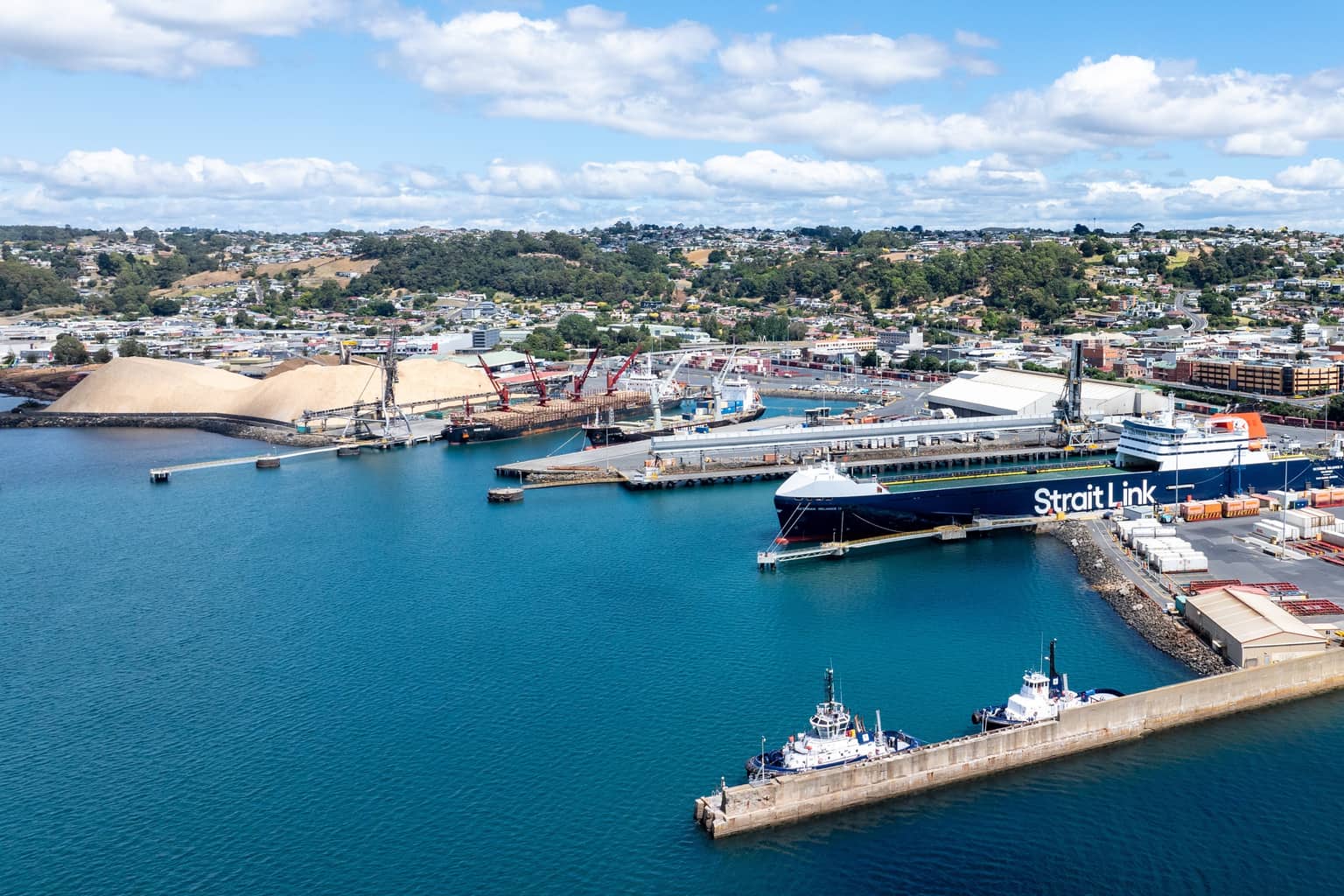
The state-owned company that runs Tasmania’s ports could sell or share ownership of a key woodchip export terminal on the north-west coast.
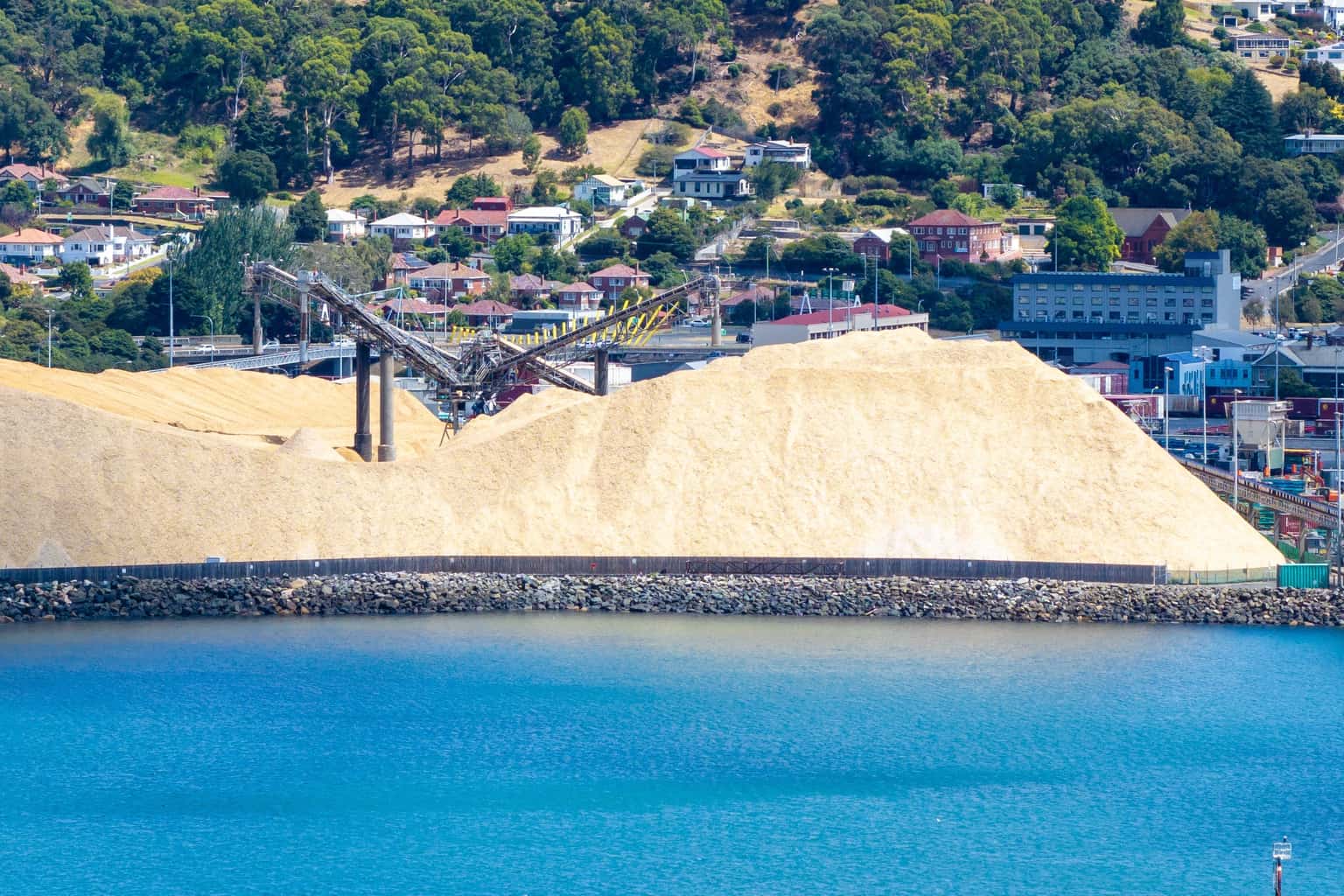
TasPorts has announced an independent review of the Burnie Chip Export Terminal, which it has owned since 2014.
The review will consider whether TasPorts should keep the terminal or move to a joint venture, partnership or another ownership model.
TasPorts chief executive Allan Gray said the terminal was entering a “significant reinvestment cycle”.
“BCET is a critical export gateway for Tasmania’s forestry industry and regional economy and ensuring its long-term future is our priority,” he said.

“As the terminal enters a significant reinvestment cycle, it’s appropriate that we assess which ownership and operating model is best placed to support its next chapter.”
Gray said specialised cargo terminals in other Australian ports were commonly owned or operated by industry players, specialist operators or joint ventures.
He said a different model could bring long-term investment into the terminal and allow TasPorts to focus its spending on wharves, marine assets and other core infrastructure.
“TasPorts has an important responsibility to ensure capital is invested where it delivers the greatest long-term benefit for Tasmania,” he said.
“If there’s a model that enables continued investment in BCET while allowing TasPorts to further strengthen the infrastructure that supports all trade across our port network, it’s appropriate that we assess that objectively.”
TasPorts bought the terminal from the receivers of collapsed timber company Gunns in 2014, opening it up to the wider forestry industry.
It now handles more than 1.1 million tonnes of woodchips a year.
The company already operates a log export terminal at the Port of Hobart through a joint venture with Qube.
TasPorts said the terminal would continue to operate as normal during the review.
Existing agreements with its two main customers, Forico and Sustainable Timber Tasmania, will remain in place.
The company said any new owner or operator would be expected to protect operations, customer access and existing contracts.
An independent financial adviser will assess the options and, depending on that advice, TasPorts may run an open market process.
“We will undertake an evidence-based review, engage openly with employees, customers, government and industry and determine the model that delivers the greatest long-term public value for Tasmania,” Gray said.