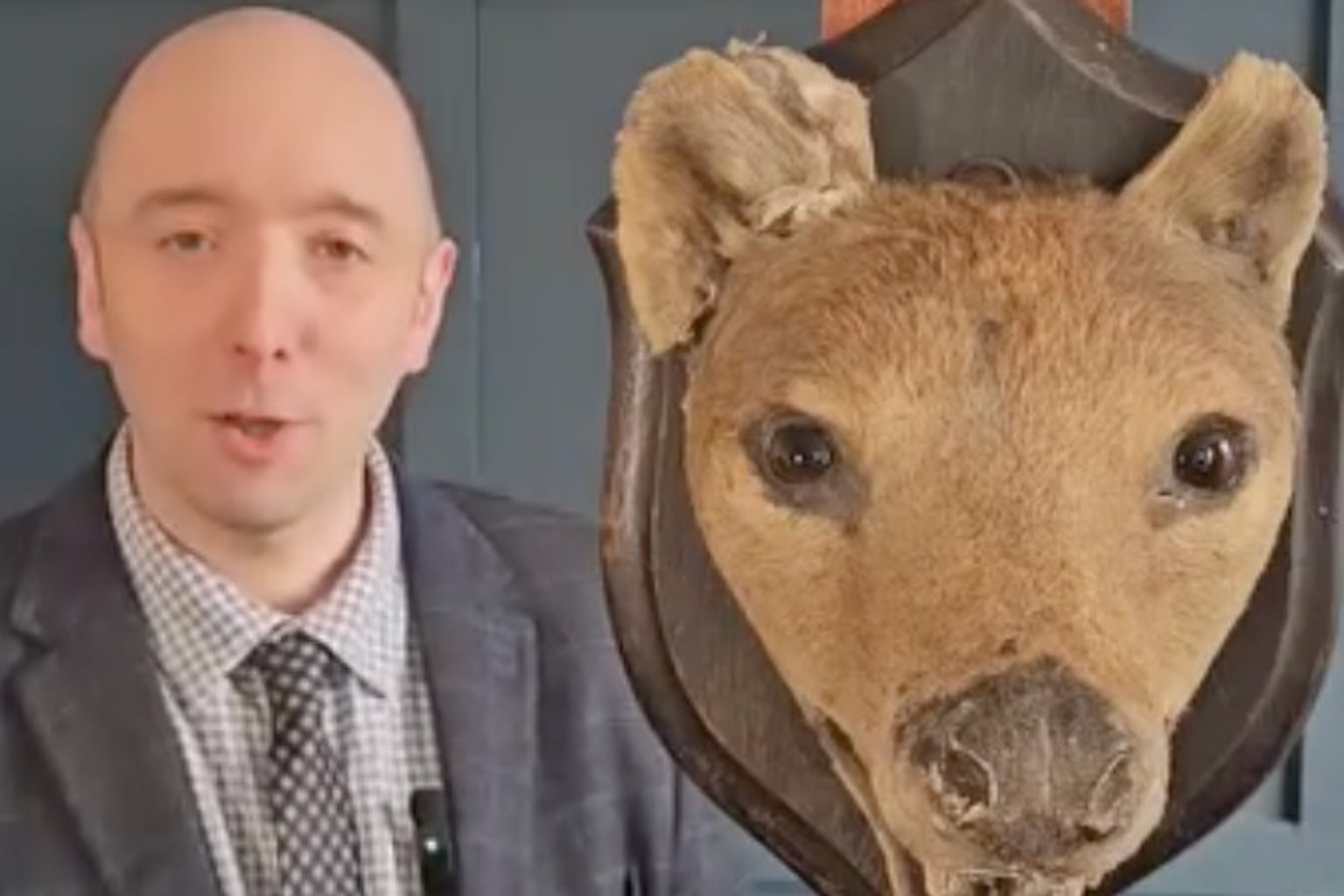
A second taxidermy thylacine head believed to have been shot in Tasmania more than a century ago is expected to fetch up to $95,000 when it goes under the hammer in the UK next month, just a few months after the first sold.
Auctioneer Andrew Stowe, from UK auction house Auctioneum, said the extinct Tasmanian tiger, nicknamed Trevor, was thought to have been shot around 1900 and arrived in the UK about five years later.
According to the auction listing, a farmer in Sheffield, in Tasmania’s north-west, reportedly shot the animal and took the head to England following a visit to the country.
“In more recent years, he’s actually been hidden under the bed in our client’s house,” Stowe said.
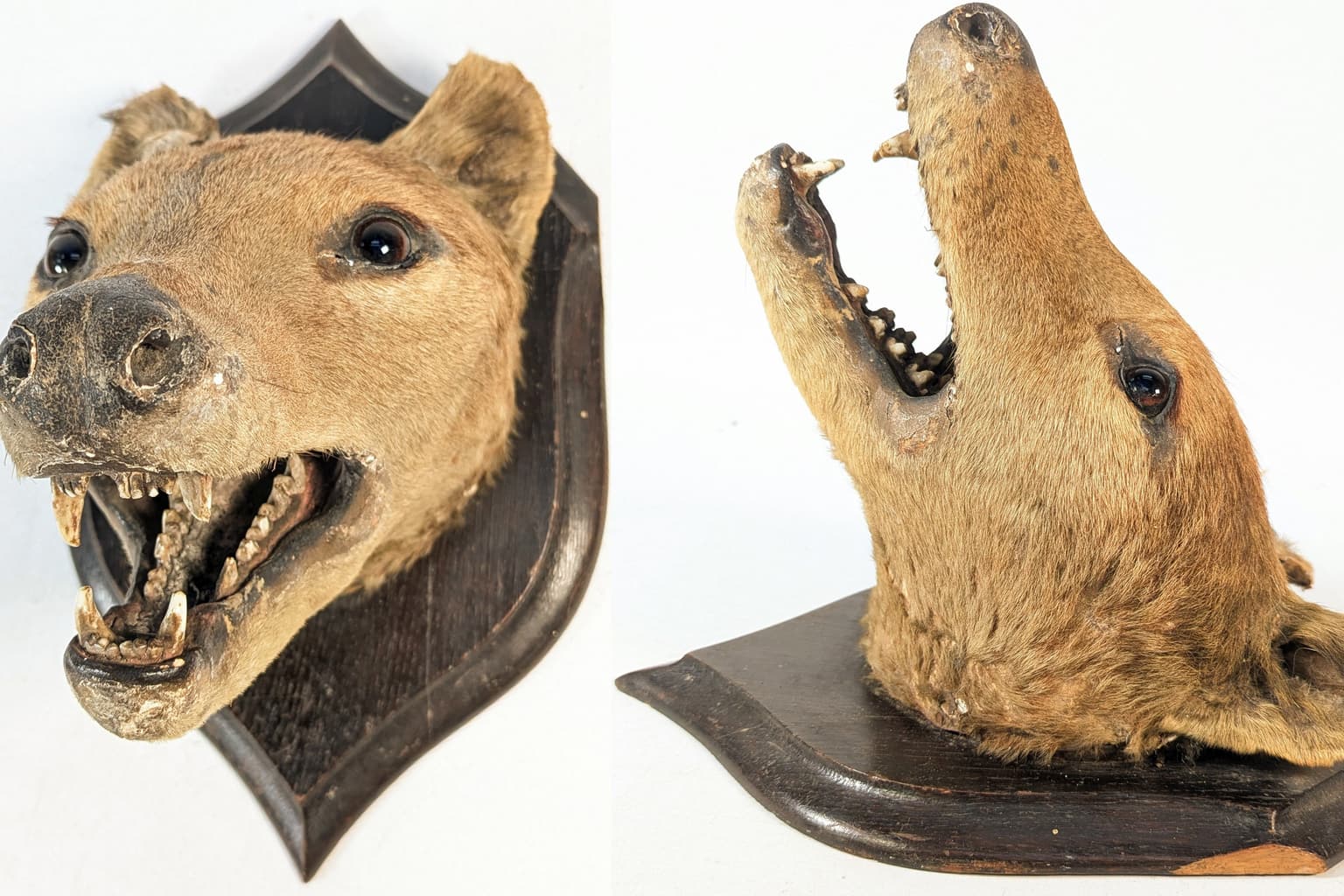
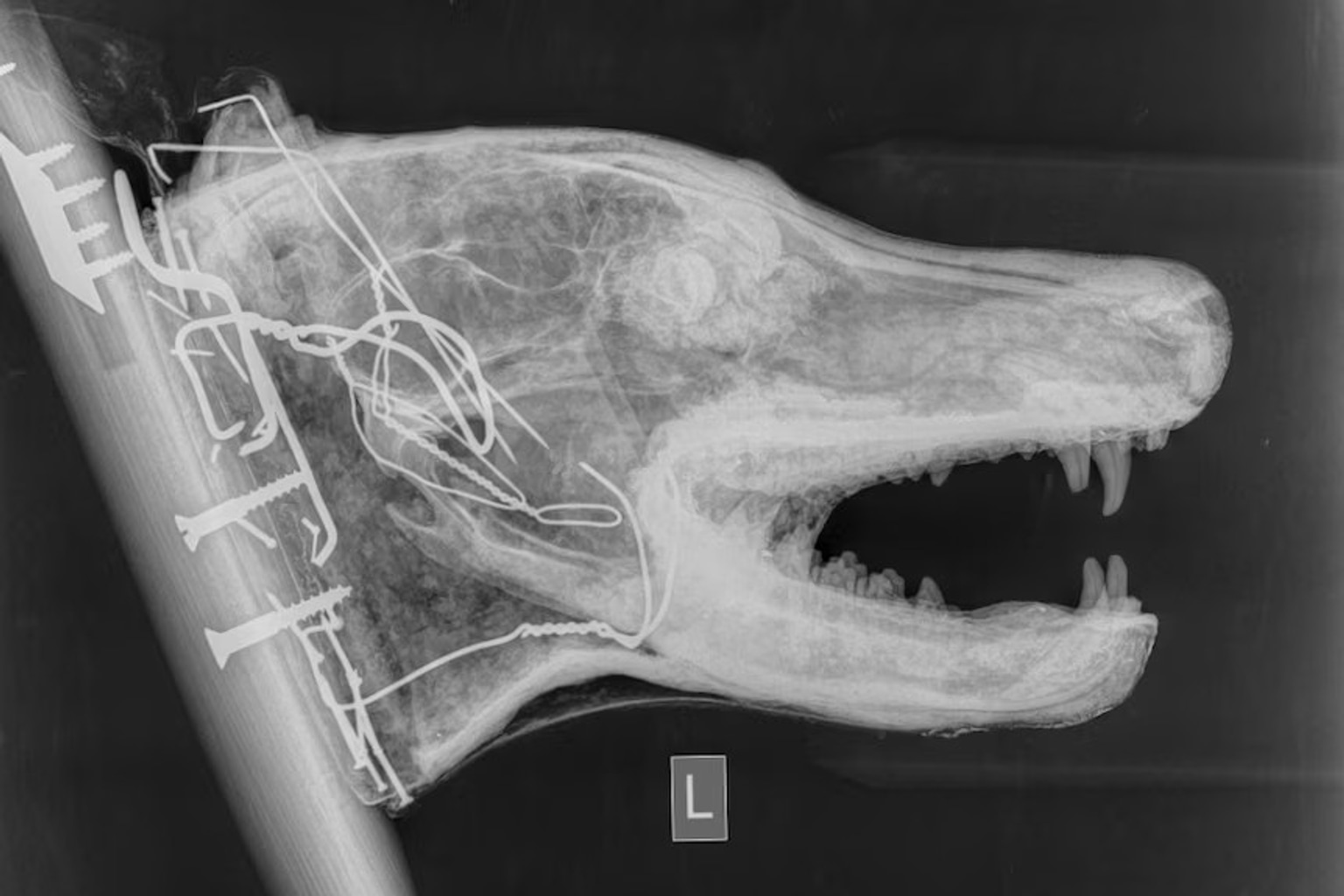
Radiographs confirmed the skull was still inside the mount, which Stowe described as “an incredible scientific discovery”.
According to the listing, a section of the cranium is missing, which is believed to have happened when the animal was shot.
The Victorian-era mount has an open mouth showing the original teeth and brown glass eyes and sits on a beechwood shield plaque.
Stowe said the head had been fully authenticated and added to the International Thylacine Specimen Database. That makes it the third known thylacine head in existence.
The listing said thylacine expert Stephen Sleightholme authenticated the specimen, which was added to the database in October.
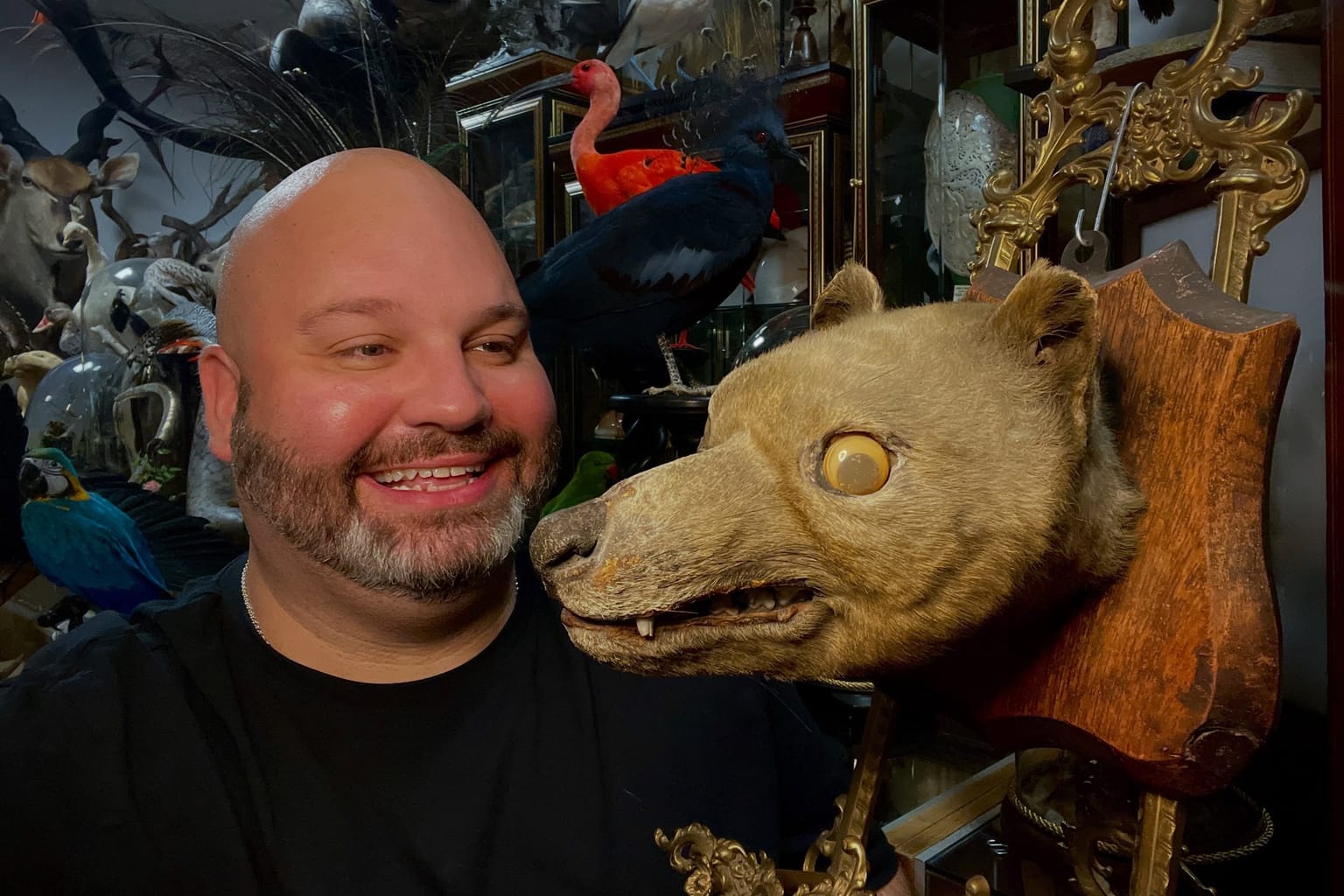
The auction house sold another thylacine head a few weeks ago, a sale Stowe said made international news.
“It was a once in a lifetime moment or so we thought,” he said.
“They say that lightning never strikes twice, but coming up for auction in November, we’ve got another.”
UK collector James Cranfield bought that earlier head for £62,600 ($120,000) including fees. It had been listed as a fox.
On Instagram, Cranfield described his purchase as “the Holy Grail of natural history collecting”. He said it had its original skull inside and was kept in a safe in a secure location.
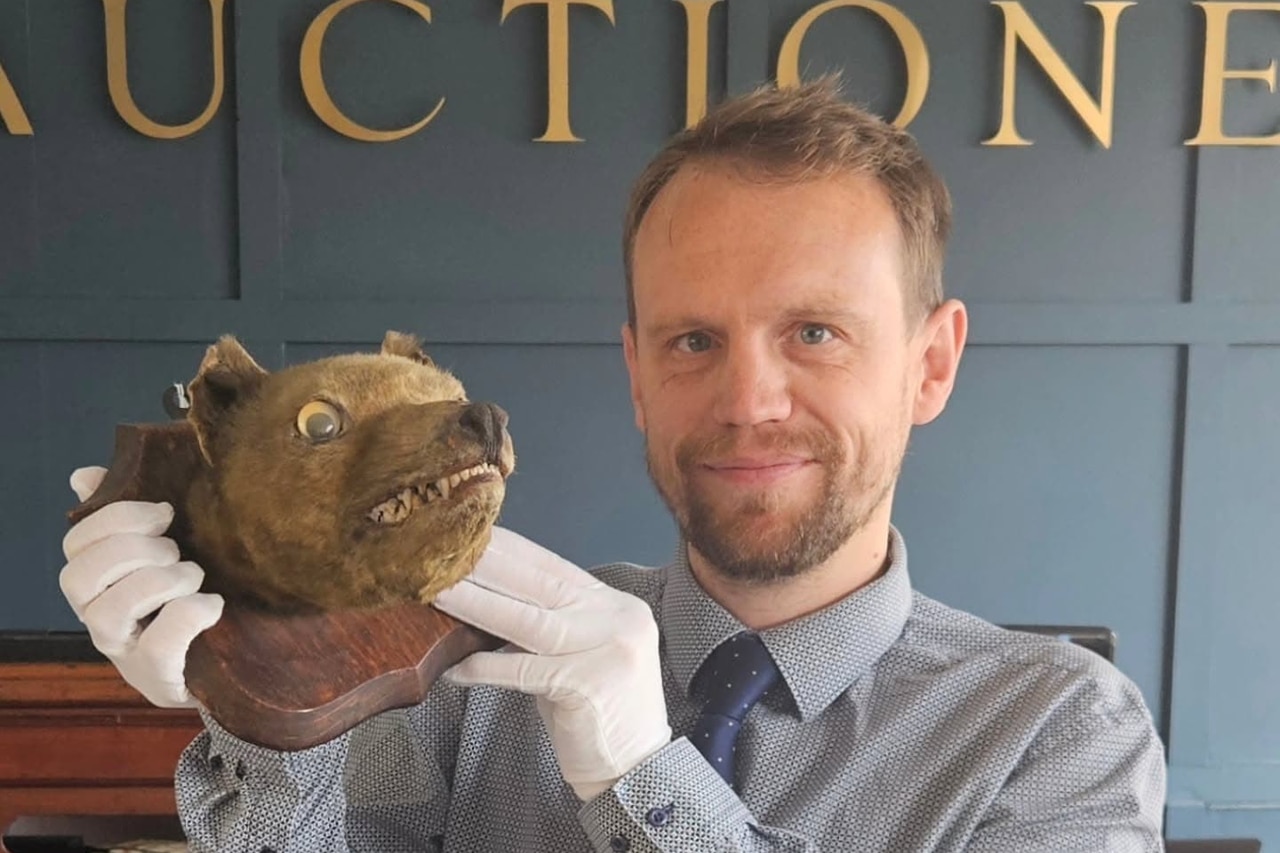
Auctioneum said on Instagram that Trevor was one of the few physical reminders of an animal “hunted to extinction in the early 20th century”.
“His discovery is important to both history and science,” the auction house said.
The last known thylacine died in captivity on September 7, 1936.
Trevor will be the first lot on the second day of Auctioneum’s fine art and antiques auction in Bath on November 26. Bidding will be available in person, by phone and online.
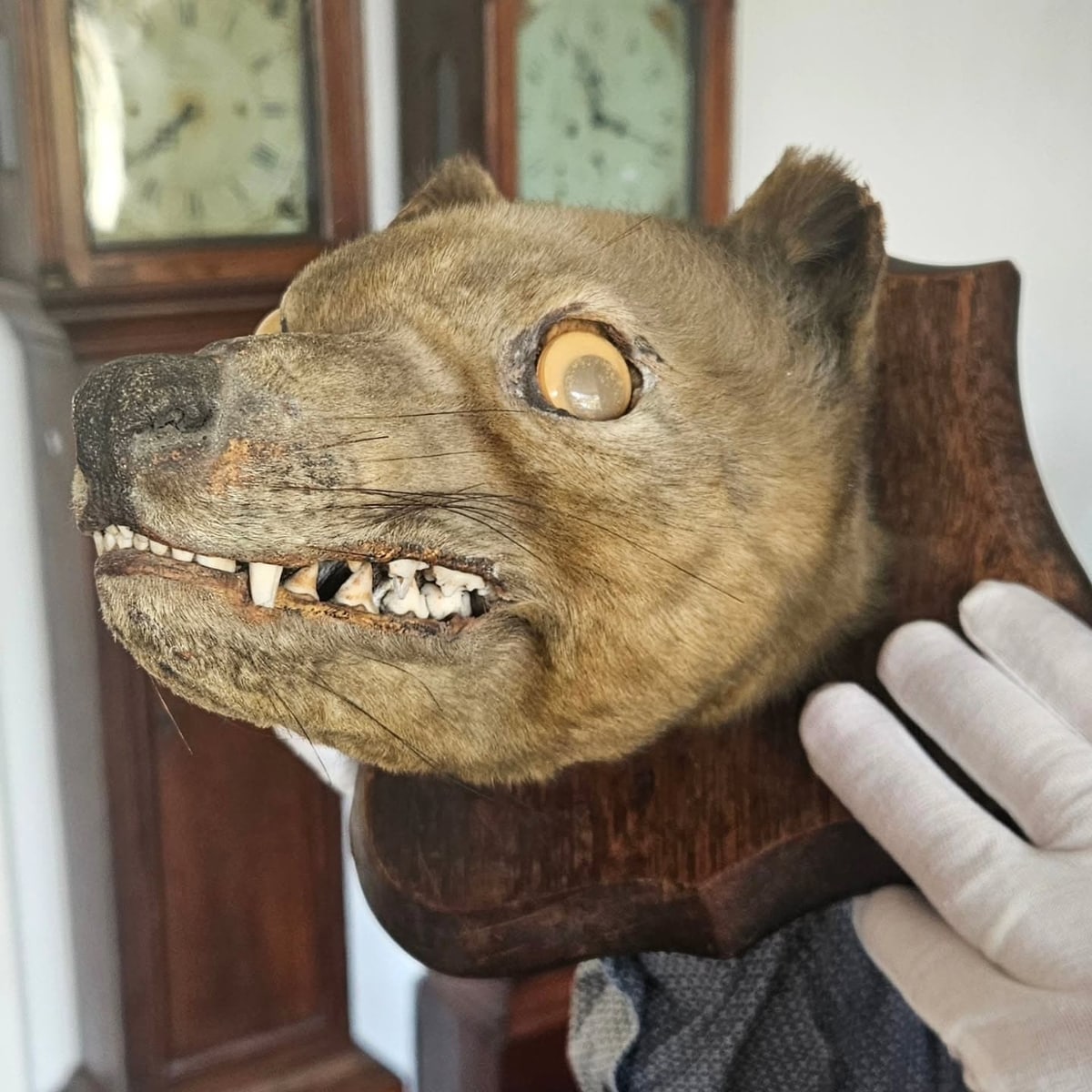
Because the head is fragile, viewing is by appointment only.