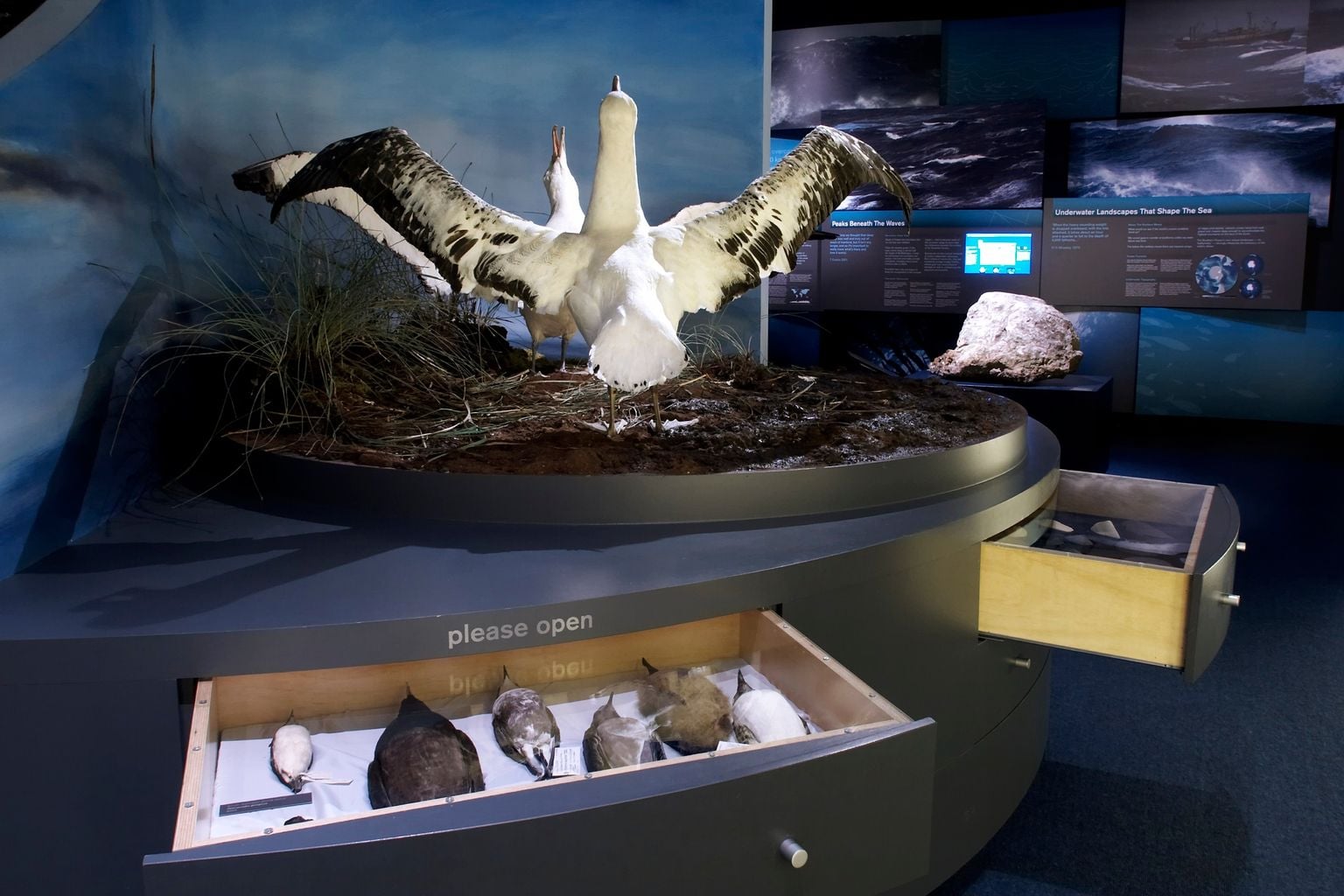
The Tasmanian Museum and Art Gallery (TMAG) has stopped accepting dead birds and mammals from the public as a precaution against the spread of H5 bird flu.
The museum said the decision followed recent detections of H5 avian influenza on the mainland and would remain in place until further notice.
While the virus has not been detected in Tasmania, the number of confirmed cases on the mainland is increasing.
Australia has recorded 13 confirmed detections of H5 bird flu in wild birds – seven in Western Australia, five in South Australia and one in New South Wales.
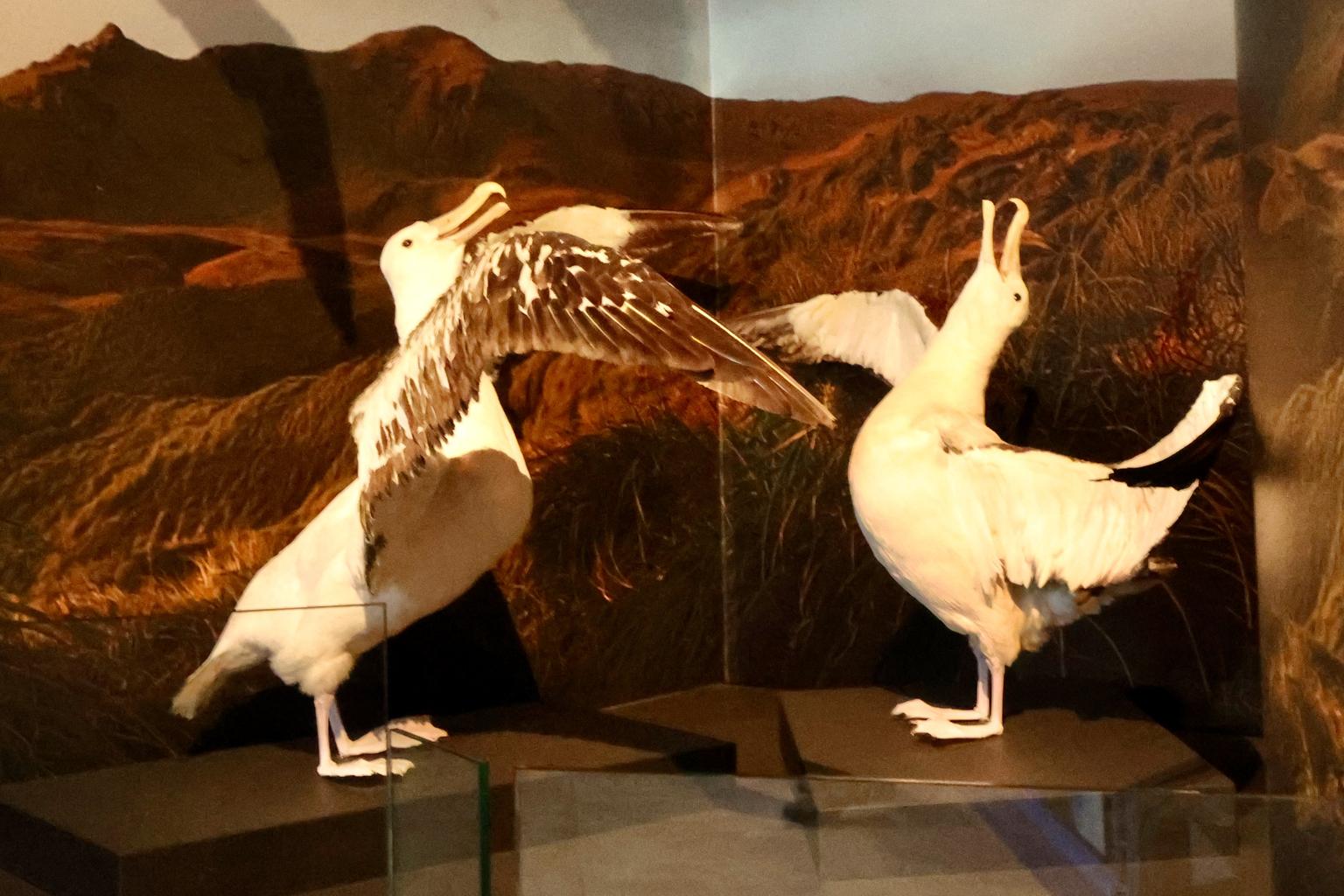
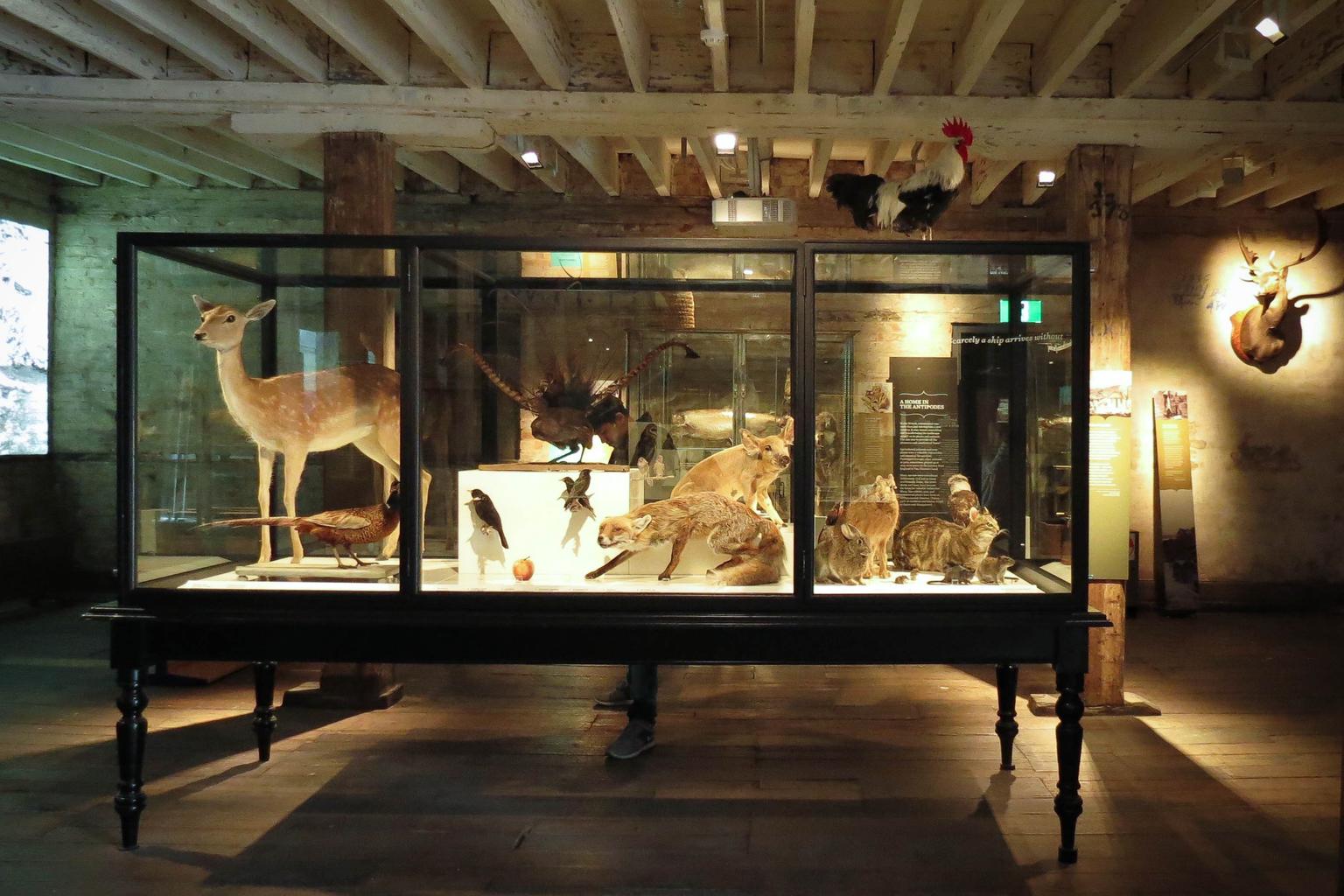
TMAG director Mary Mulcahy said the museum played an important role in receiving animal specimens for identification, research and long-term preservation.
However, she said it did not want anyone putting themselves at “unnecessary risk”.
“The emergence of H5 bird flu introduces a potential health risk associated with handling wildlife specimens, including both bird and mammal species,” Mulcahy said.
“While well-meaning members of the community often bring us dead animals they have come across, the safety of TMAG staff, volunteers and visitors to our research facilities remains our highest priority.”
She urged people who find sick or dead birds or mammals to leave them alone and report the discovery to the emergency animal disease hotline.
Mulcahy said the museum was working closely with relevant agencies to protect staff, safeguard its collections and reduce risks to the public.
“TMAG continues to closely monitor the situation and adapt its practices if and as public health and wildlife management advice changes,” she said.
“We thank the community for its understanding and cooperation as we prioritise safety and the protection of Tasmania’s unique natural heritage.”
The Department of Natural Resources and Environment is working with stakeholders, other government agencies and the community to prepare for the possible arrival of bird flu in the state.
Findings of sick or dead animals can be reported to the emergency animal disease hotline on 1800 675 888.