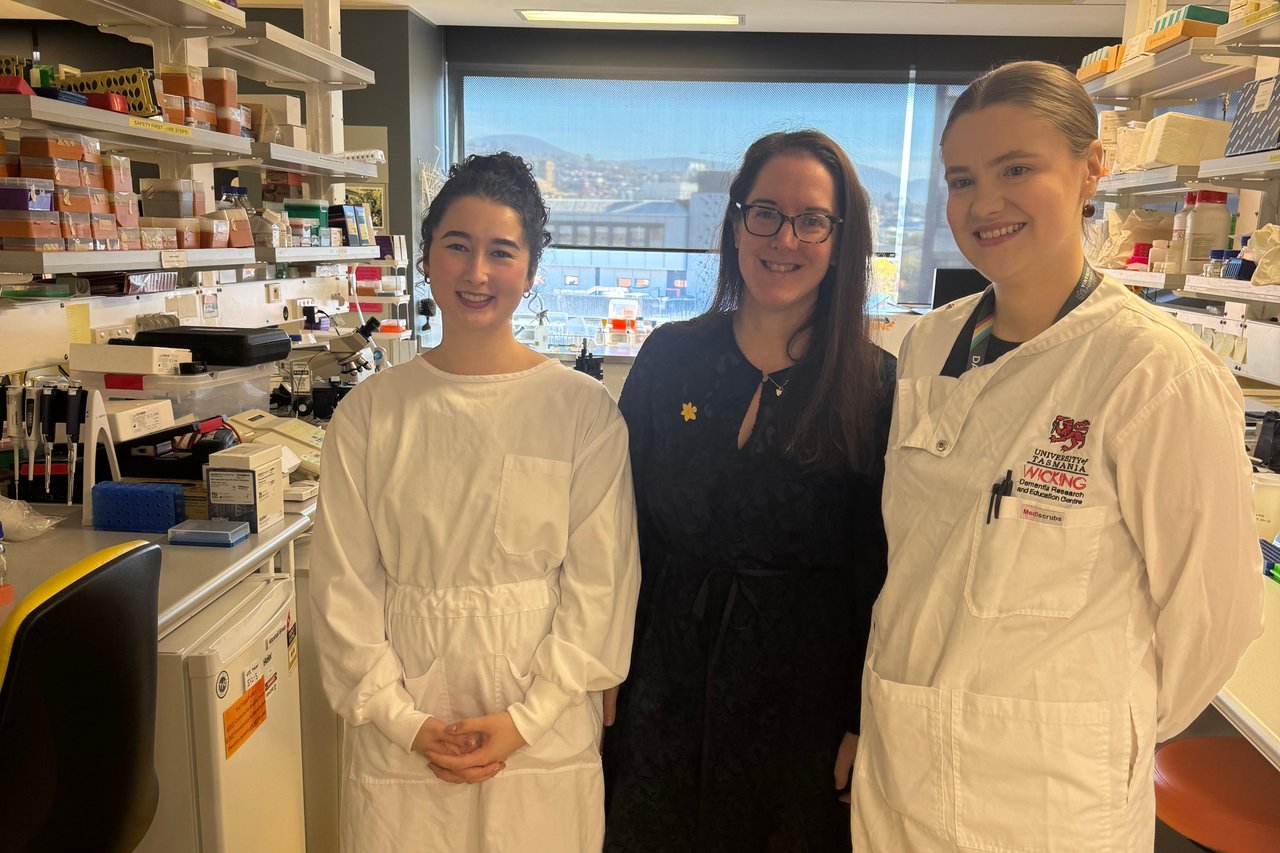
Two Tasmanian researchers tackling one of the most aggressive forms of brain cancer have been awarded scholarships by Cancer Council Tasmania.
Dr Emma Wilkinson and PhD candidate Shiona Kondo are both focused on glioblastoma, a fast-growing and incurable type of brain cancer with extremely poor survival rates.
Cancer Council Tasmania CEO Alison Lai said the organisation has been supporting Tasmanian cancer research for more than 30 years through its annual scholarships.
“Every day more than eleven Tasmanians are being diagnosed with cancer,” Lai said.
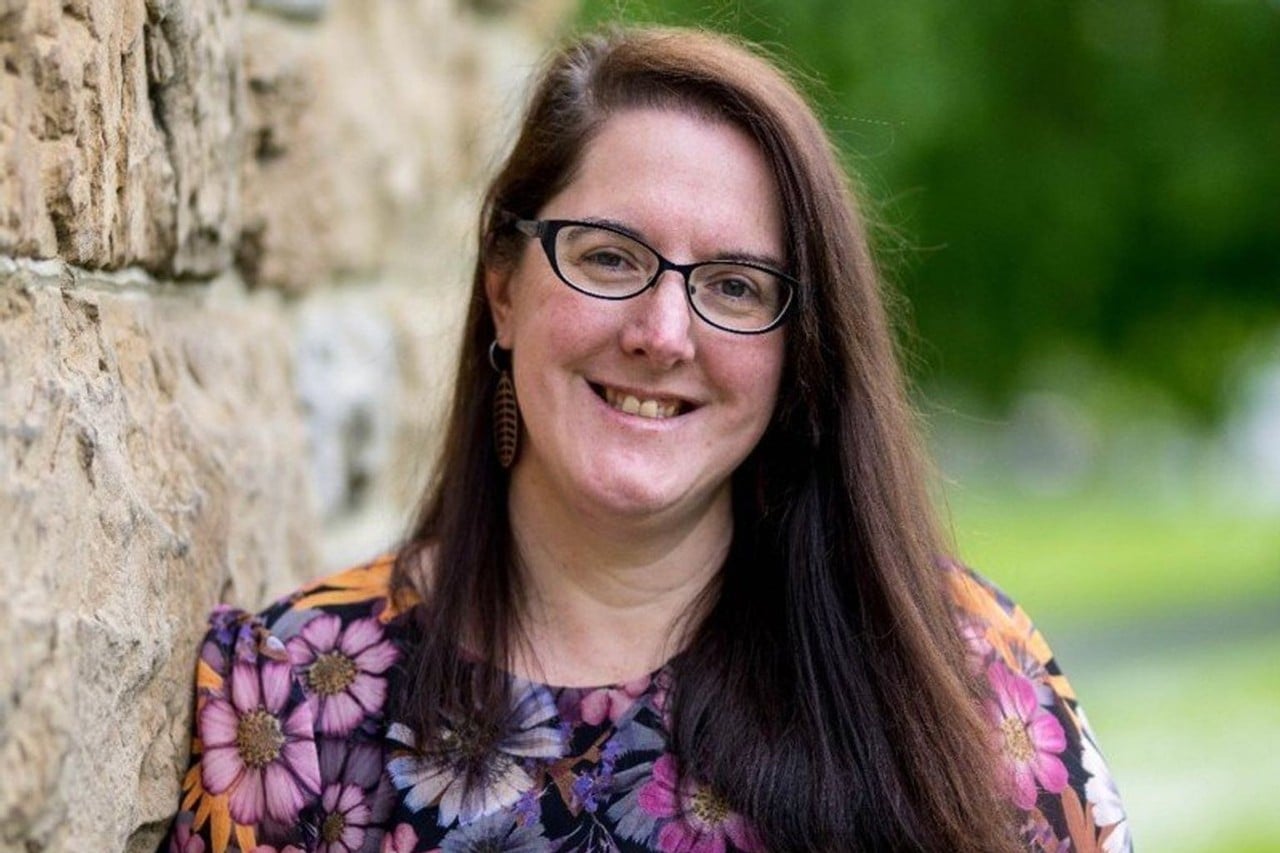
“Every year we roughly see around fifty Tasmanians who have been diagnosed with brain cancer.”
“Unfortunately, the survival rates for brain cancer are not the best, and what that means is that any research we can do that will help with treatment or improving survival rates is going to be really important. and that we can do that here in Tasmania is just a great outcome as well”
Lai said Cancer Council Tasmania invests around $350,000 into cancer research in the state each year.
Wilkinson, who completed her undergraduate degree, honours and PhD in biotechnology and medical research at the University of Tasmania, is exploring whether a drug called antisense oligonucleotides can weaken glioblastoma cells before traditional chemotherapy is applied.
“What we want to find is a way to use these to weaken cancer cells to existing therapeutic agents that are already existing out there,” Wilkinson said.
She said the idea came from her previous work in childhood dementia, where the same drug was already being tested.

“We’d seen this connection but unfortunately, as is in science, there’s not a lot of funding out there,” she said.
“Thankfully, this opportunity with the Cancer Council came around, and that enabled this project to happen.”
Wilkinson said the driving force behind her work was clear.
“With most of research in Tasmania, our kind of driving force is to get better outcomes for people in Tasmania who are suffering from these conditions,” she said.
Kondo, who began her PhD in February after completing her Bachelor of Medical Research with Honours at the University of Tasmania, is studying how healthy brain cells become cancerous in the first place.
“If we want to treat this cancer, if we wanna treat glioblastoma, then we need to understand what exactly is going wrong to drive this cancer, what’s causing it to be so aggressive and why is it so hard to treat,” Kondo said.
Her research uses fruit flies, which she said share surprisingly similar brain structures and genes with humans, giving scientists a rare chance to observe what happens inside a living brain at the molecular level.
“Looking inside the brain is very hard to do,” Kondo said.
She said breakthroughs depend on many researchers working together.
“Things like Cancer Council Tasmania funding my research and Emma’s research, that’s all cumulative and that all goes towards making these breakthroughs,” she said.