A team of recent University of Tasmania architecture graduates has won an international design competition for a housing concept built to withstand extreme heat in one of the world’s most crowded cities.
Led by Launceston-based graduate Shadia Afrin, the team was named one of three global winners in the Heat Adaptive Architecture Design Competition, run by Red Cross Red Crescent organisations focused on climate and disaster preparedness.
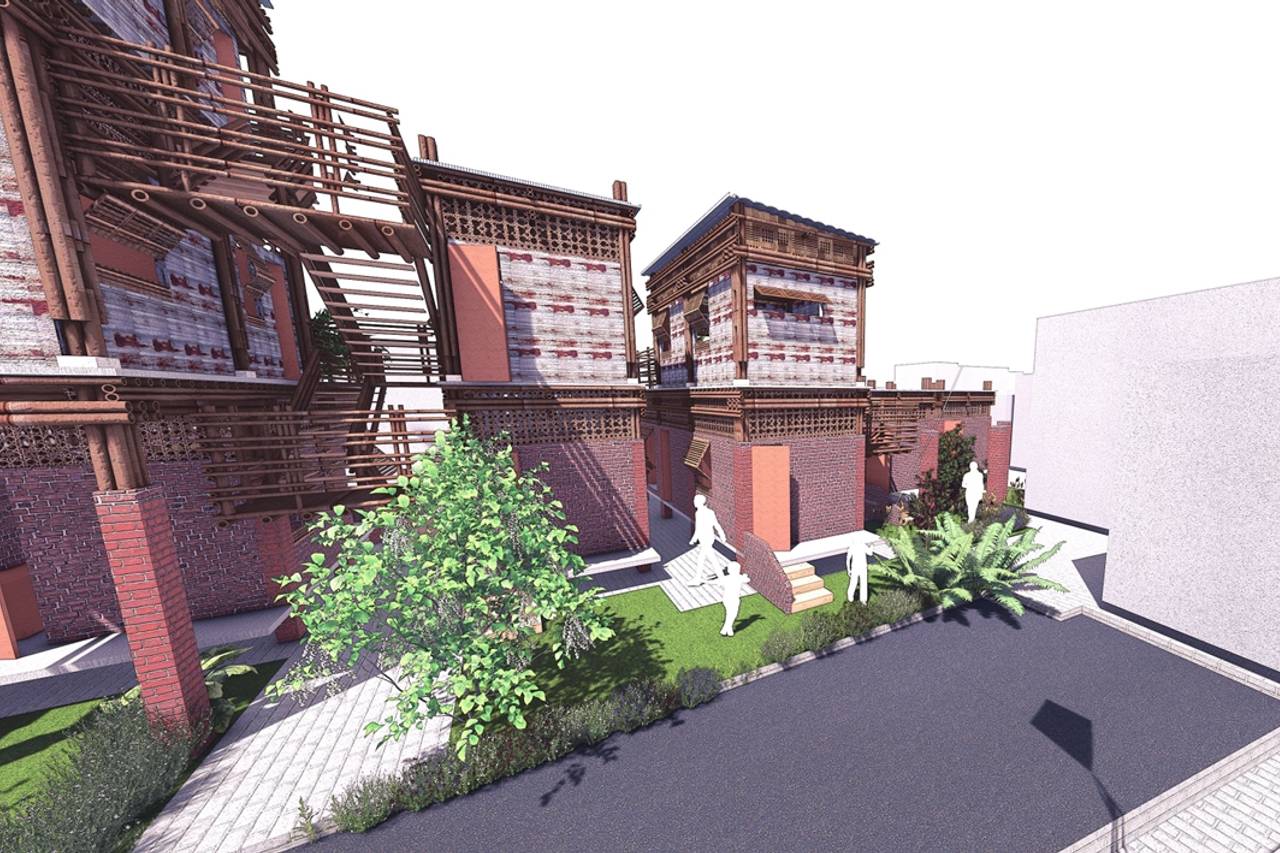
Their design, called ABASH – meaning “shelter” – targets informal settlements in Dhaka, Bangladesh, where rising temperatures and overcrowding are putting pressure on daily life.
The concept treats the home as both a place to live and a place to earn an income, using traditional cooling methods and locally sourced materials.
“In cities like Dhaka, especially in informal settlements, home and work are often closely connected,” Afrin said.

“People don’t just need a roof over their head. They need a space where they can earn a living, look after family and stay part of their community.”
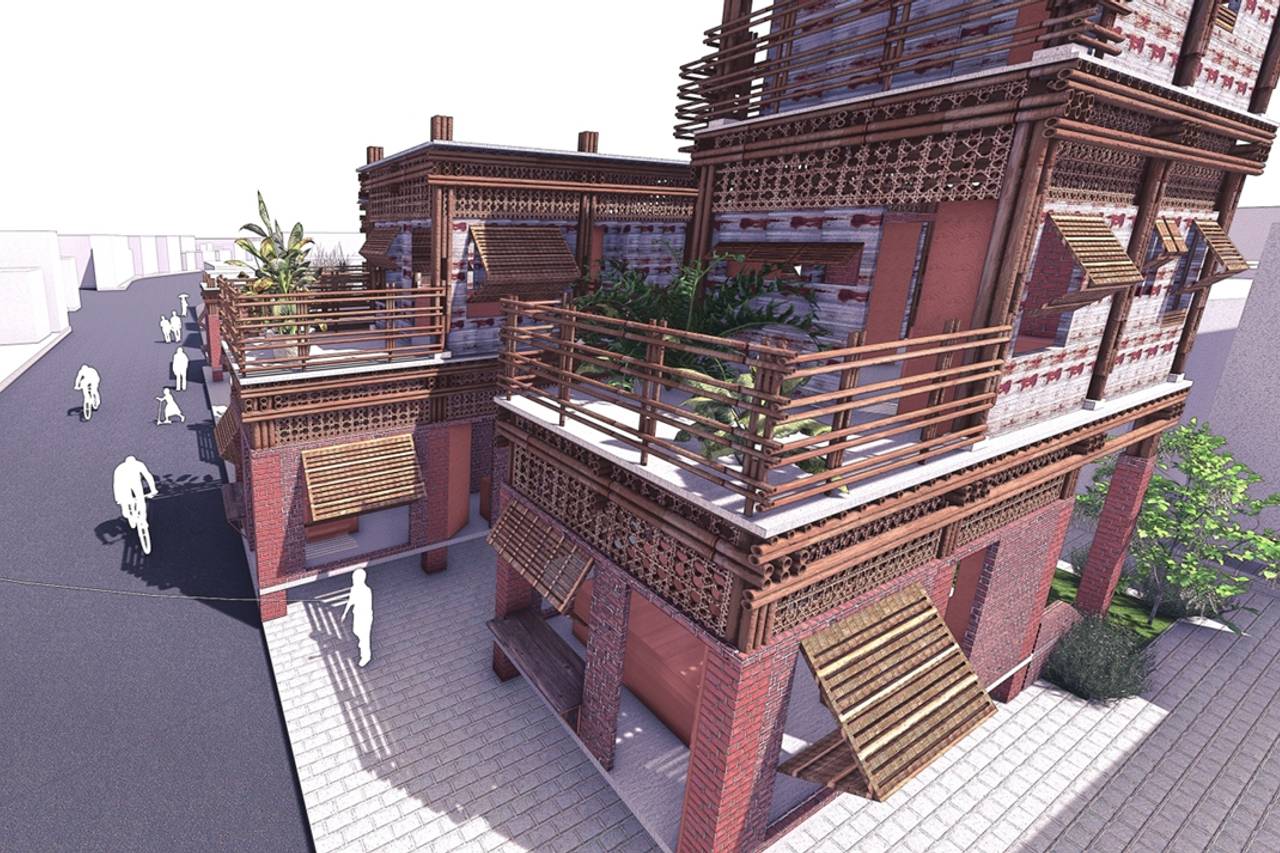
Rather than fixed buildings, ABASH uses small modular units that can be expanded over time as families’ needs and income grow.
Each unit is built from affordable local materials including bamboo, brick and recycled corrugated iron.
Raised floors and brick walls help guard against flooding and fire, while open walls and shaded areas allow air to flow through.
At ground level, homes open onto shared spaces for cooking, small businesses and childcare, allowing residents to earn an income close to home.
“We didn’t want to design something that pushes people out,” Afrin said.
“It’s about supporting what’s already there and helping it work better.”
Head of the University of Tasmania’s School of Architecture and Design, Julian Worrall, said the win reflected the program’s focus on place, sustainability and hands-on learning.
“With its place-based approach, strong focus on sustainability and emphasis on learning through real-world experience, the school is shaping architects to design for resilient communities – both locally and globally,” he said.