Tasmanians can now be assessed, diagnosed and treated for ADHD by their local GP, in a change the state government says will make care faster and cheaper.
The first trained doctors will start seeing patients from October 1.
Health Minister Bridget Archer announced the change on Thursday, saying it delivered on a promise made at the 2025 election.
Until now, adults in Tasmania could only get an ADHD diagnosis through telehealth psychiatry services, while children faced long waits to see a paediatrician. A diagnosis has often cost thousands of dollars.
Around 50 GPs have completed specialist training to assess, diagnose and prescribe medication for children and adults with ADHD.
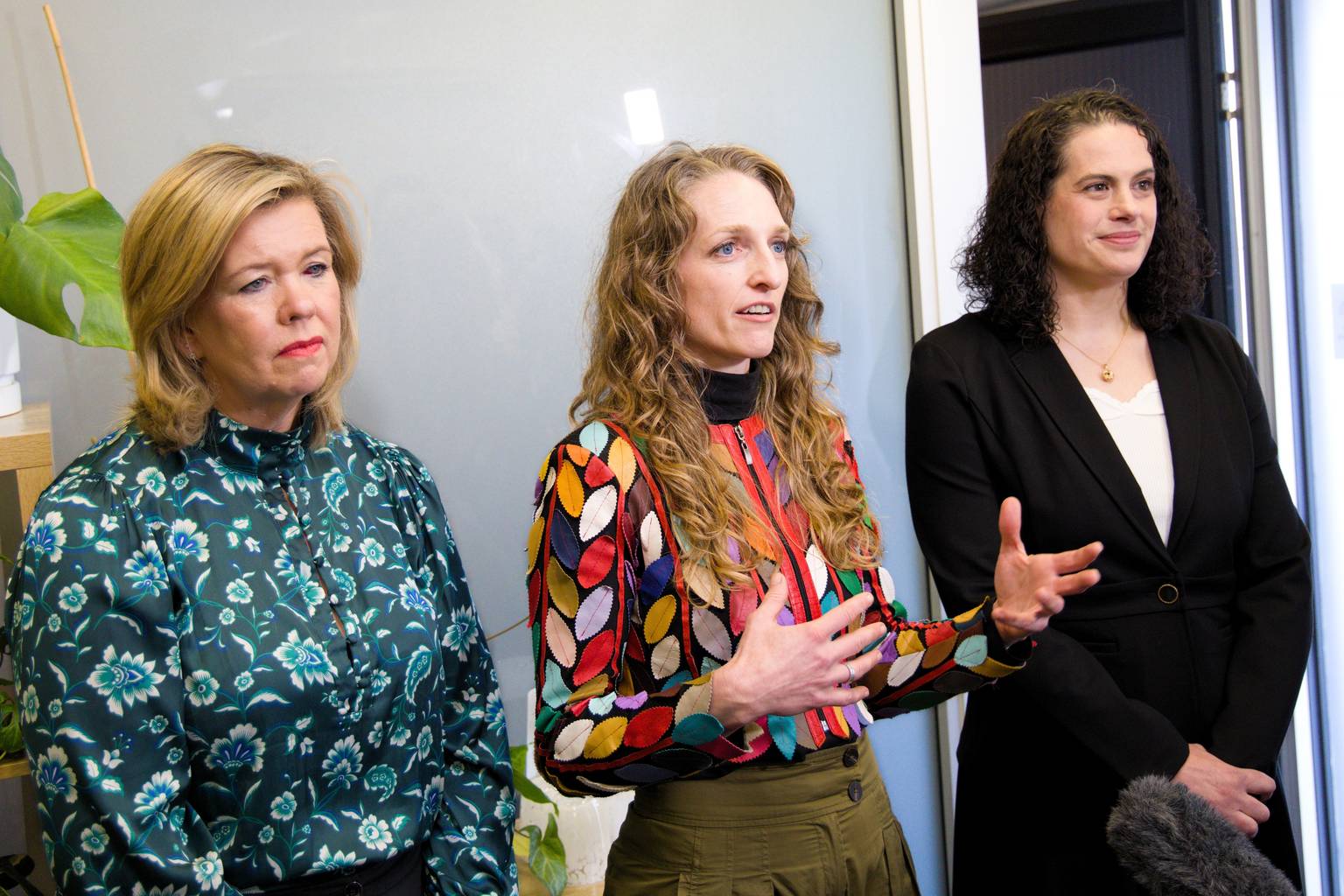
“We’ve had 50 GPs initially undertake the training and it was just a few months ago that I went and met with that cohort that were undertaking the training in Devonport,” Archer said.
She said she hoped more GPs would sign up once the training moved online.
“It’s great to see these first doctors taking that first step forward into this space and actually starting to be able to take patients to assess ADHD,” she said.
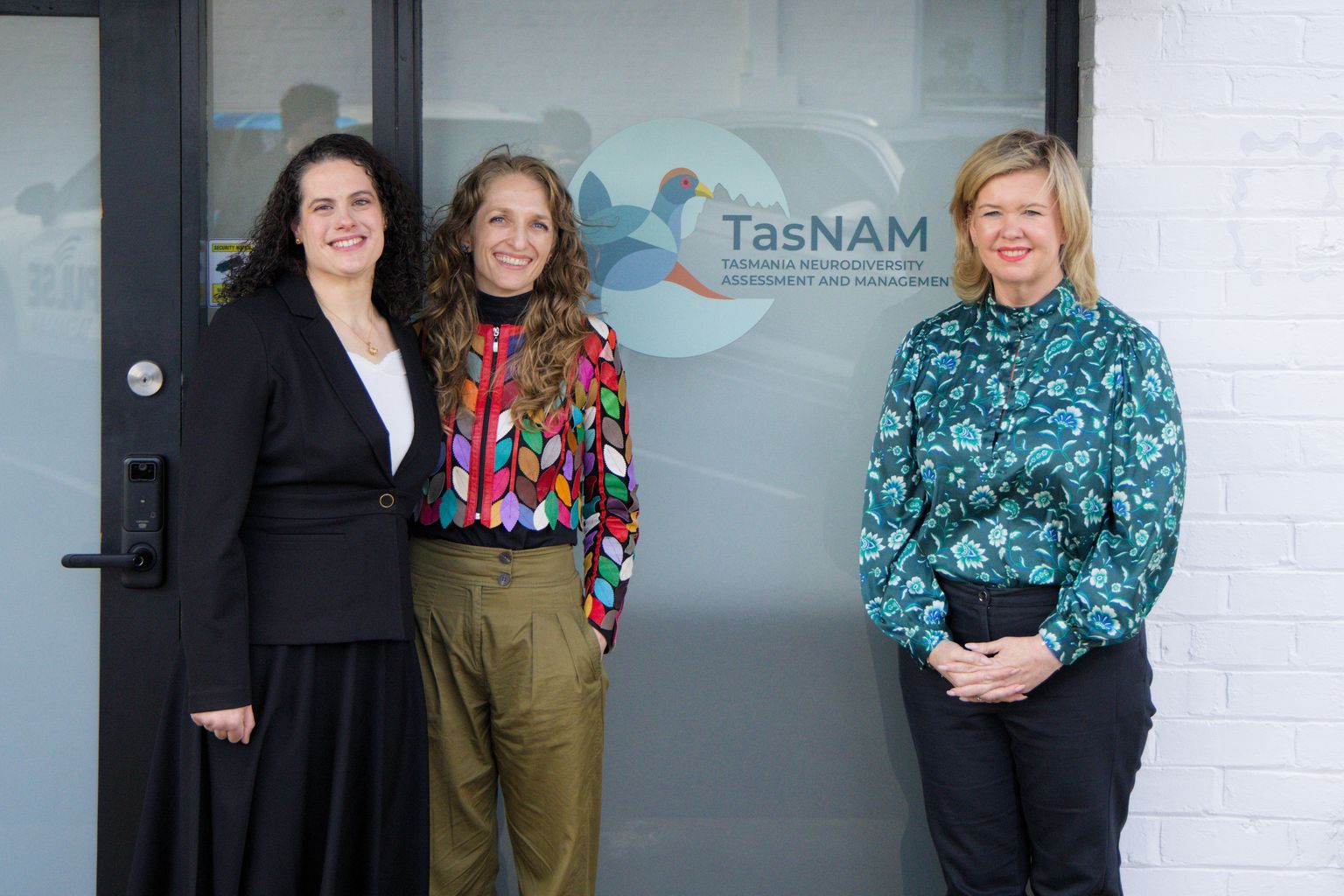
Two of the newly trained GPs, Dr Miranda Hann and Dr Polly Shepherd, are opening a Sandy Bay practice called Tasmania Neurodiversity Assessment and Management on October 1.
Shepherd will see children aged six to 15, while Hahn will see adults.
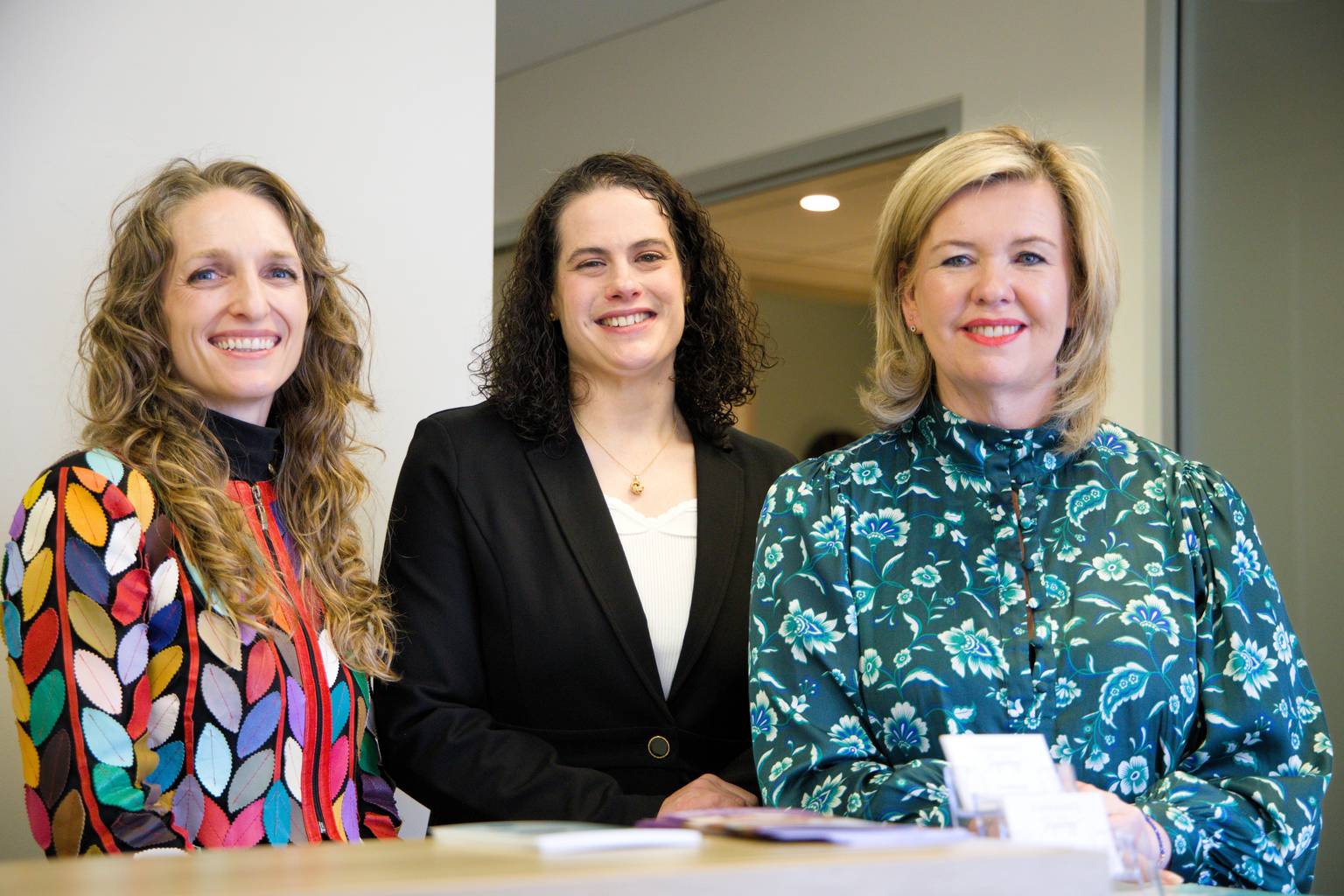
They said the clinic would take pressure off psychology and psychiatry services by handling more straightforward cases, leaving specialists to focus on people with more complex needs.
Hann said demand was already high, with about 20 of her own patients unable to get assessed elsewhere.
“I think that the oversubscription is perhaps more what we’re expecting than an undersubscription, particularly at the moment,” she said.
Shepherd said the practice would focus on more than medication, working with schools, psychologists and occupational therapists.
She said families with reservations about a diagnosis should first think about where their child was struggling and what they wanted to achieve.
“We’re absolutely going to listen to you, listen to what you want for your child, listen to what your children are saying that they need and try and find the best way to help you achieve that,” Shepherd said.
Hann said she was seeing more people diagnosed later in life, particularly women going through hormonal changes such as menopause.
On cost, Archer said billing would vary because general practices were private businesses.
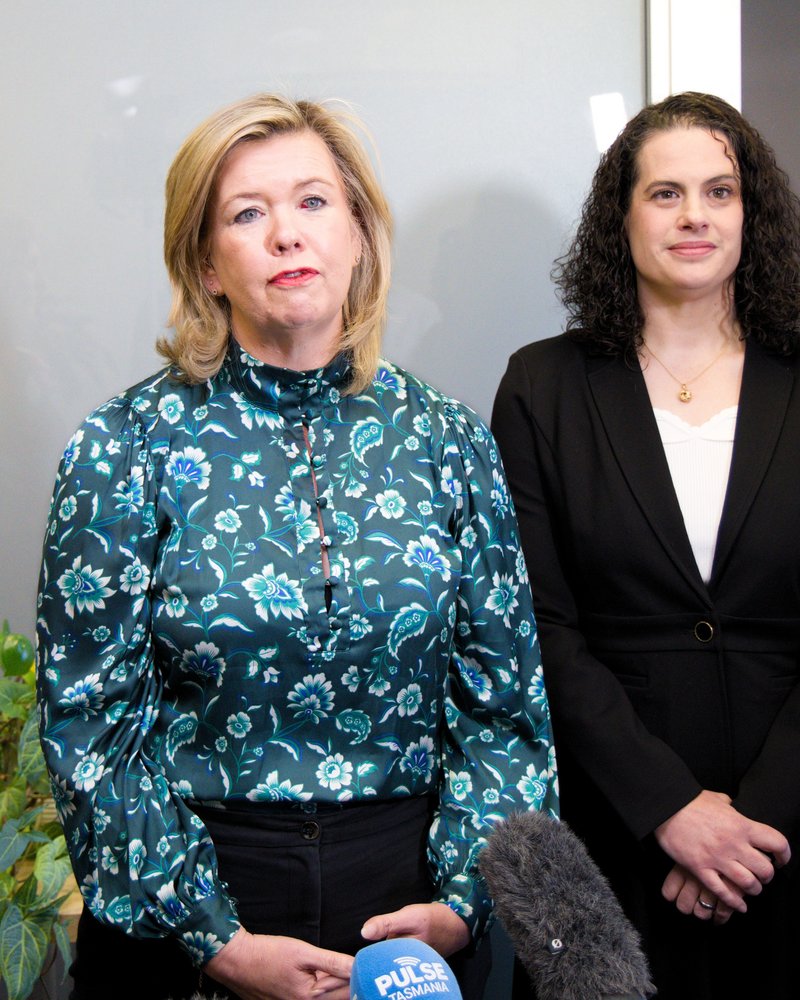
Hann said her clinic would use private billing but would be built around longer appointments, which she said would work out cheaper for patients than telehealth psychiatry assessments.
Archer said the change was about cutting waiting times and making life easier for Tasmanians.
“It’s making lives better for Tasmanians,” she said.
“We know that this has been challenging space for adults, for families for a long time.”