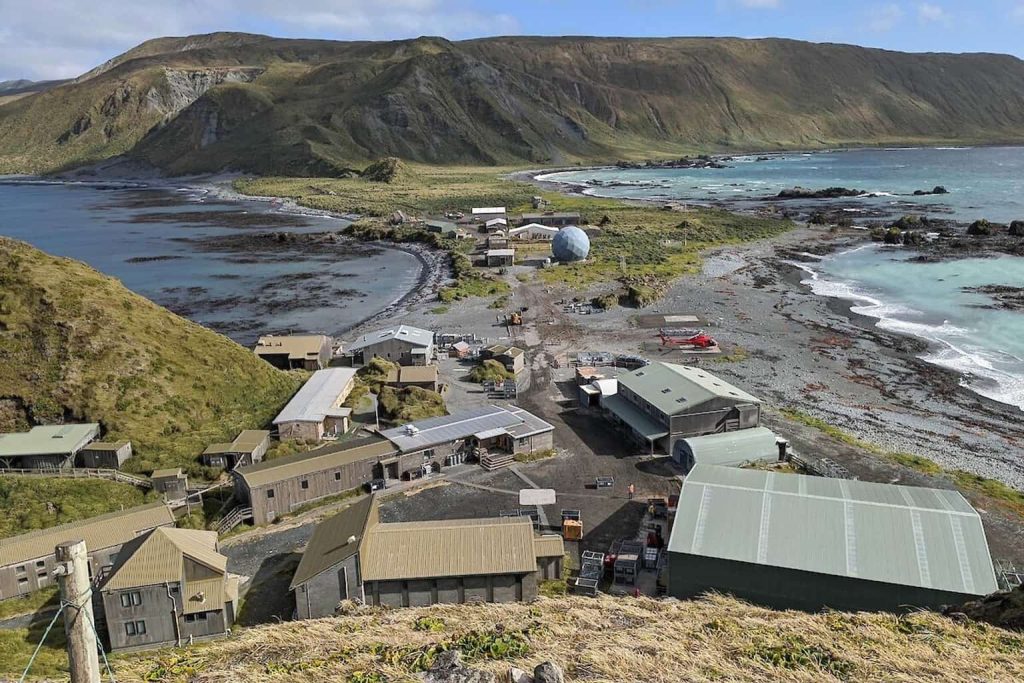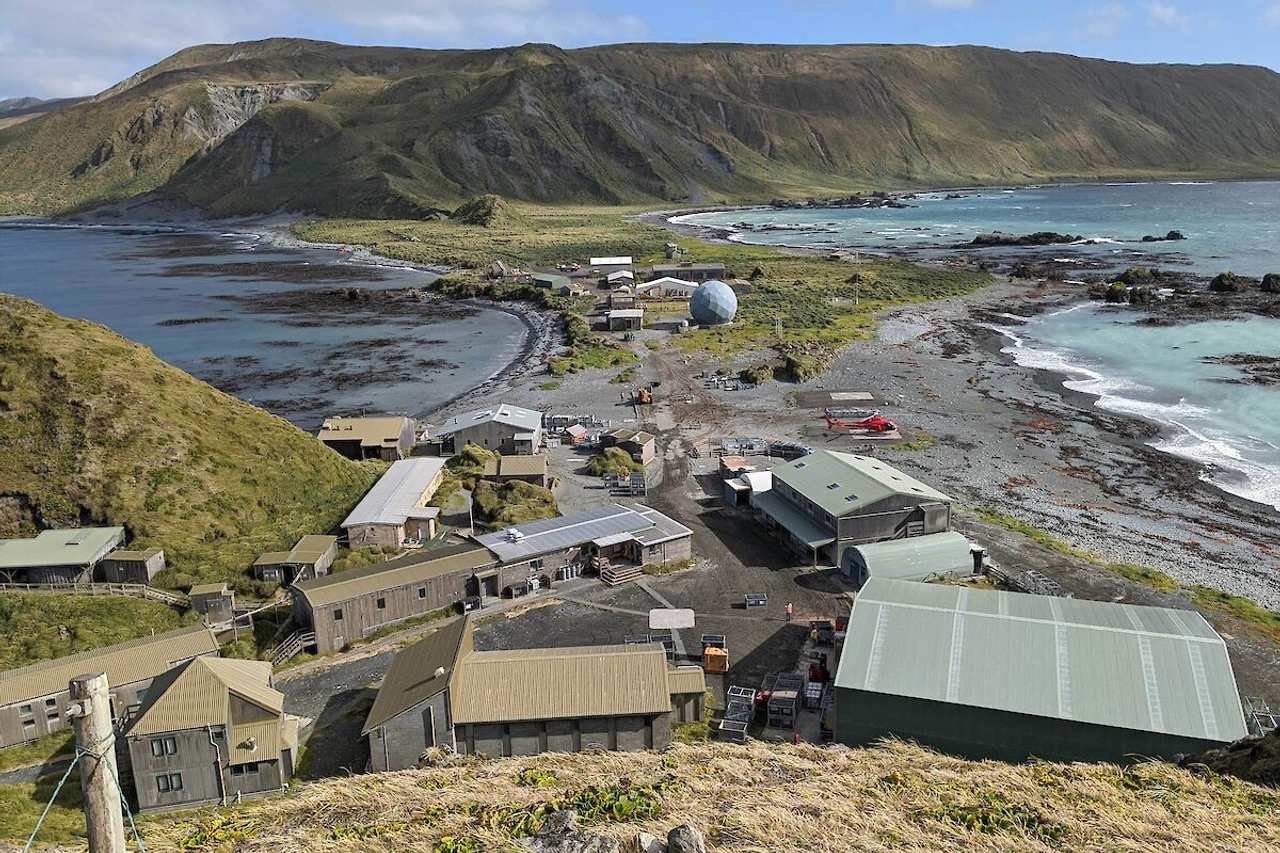
Australia will temporarily withdraw all 24 staff from its Macquarie Island research station over fears they could be confined to the base during a bird flu outbreak that kills thousands of animals on their doorstep.
The World Heritage-listed island sits about 1,500 kilometres south-east of Hobart and is home to millions of seabirds and roughly 100,000 seals.
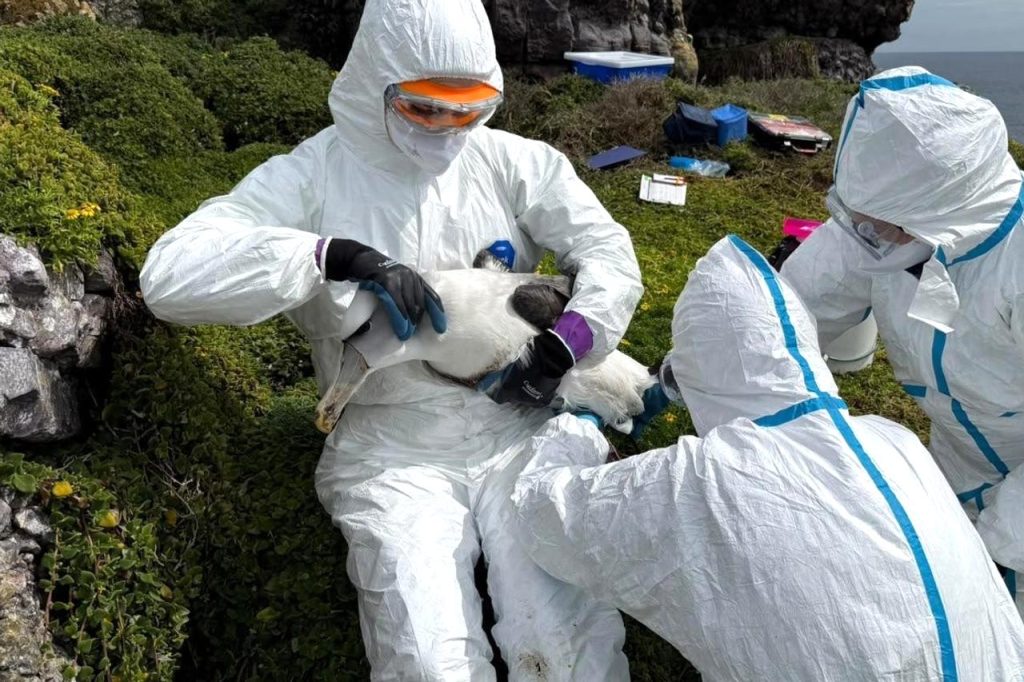
It remains free of the deadly H5 strain for now.
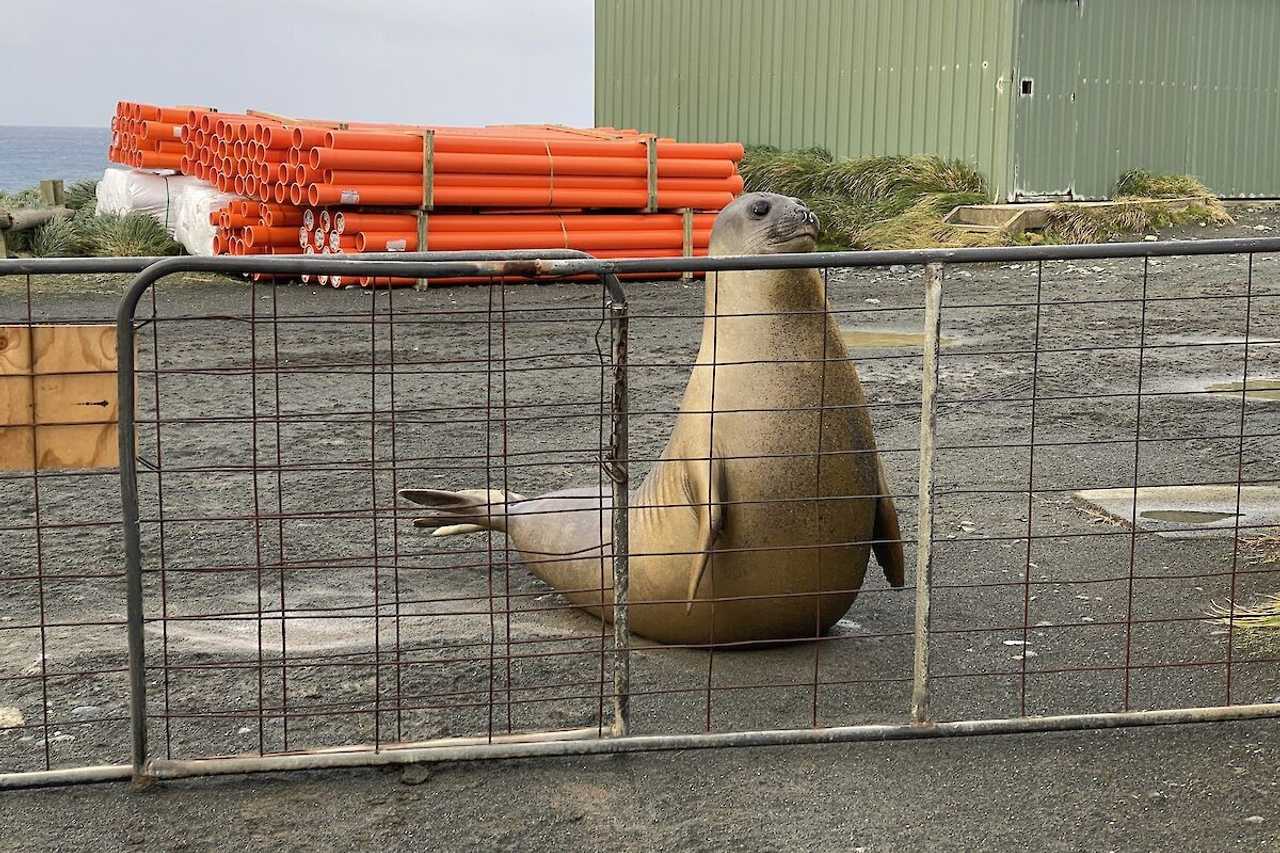
But experts warn an outbreak is highly likely during the coming breeding season, when elephant seal pups are born just metres from the station buildings.
Officials say the risk to human health is low, but they are concerned about the psychological toll on staff forced to live alongside a mass animal death event.
“… We can’t ignore the psychosocial risks of living near potentially large numbers of affected animals,” Sean Sullivan, deputy secretary of the Department of Climate Change, Energy, the Environment and Water, said.
Sullivan said an outbreak could kill huge numbers of seals within metres of the base, exposing staff to distressing scenes and poor air quality for an extended period.
Over summer, bird flu killed about 13,000 elephant seal pups on Heard Island, with mortality rates topping 90% in some colonies.
“This is an unusual measure but it’s the most appropriate course of action based on our assessments of risk and operational realities,” Sullivan said.
The expeditioners arrived in May for what was meant to be a year-long stint.
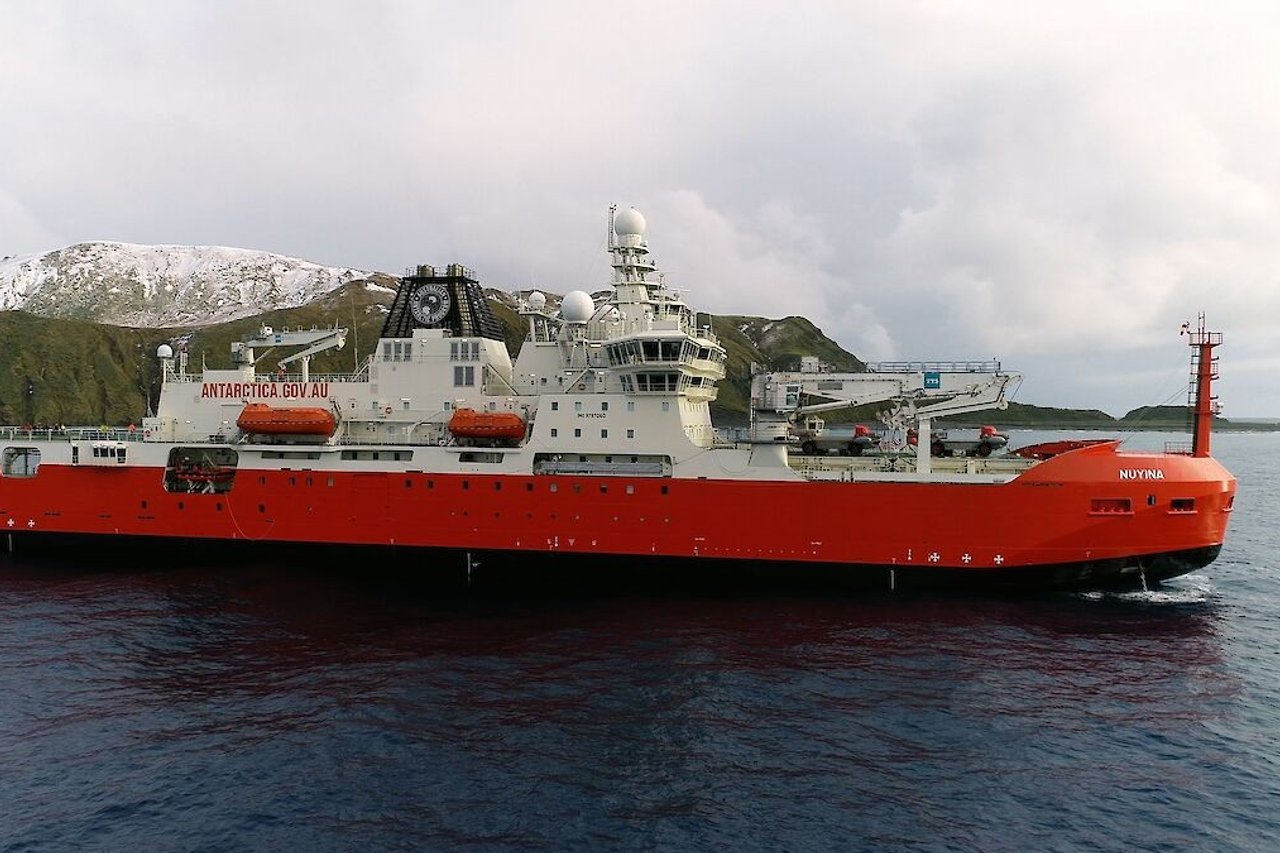
Instead, the icebreaker RSV Nuyina, currently undergoing maintenance in Singapore, will collect them in early October.
Once the station is empty, the department plans to use drones and live camera feeds to monitor the island remotely.
“We remain committed to maintaining a long-term presence on Macquarie Island,” Sullivan said.