Hobart’s long-hoped-for Battery Point waterfront walkway looks set to be shelved, with council officers recommending it not proceed along its current route.
The advice comes in a report from Hobart City Council chief executive Michael Stretton, which will go before the council on August 31.
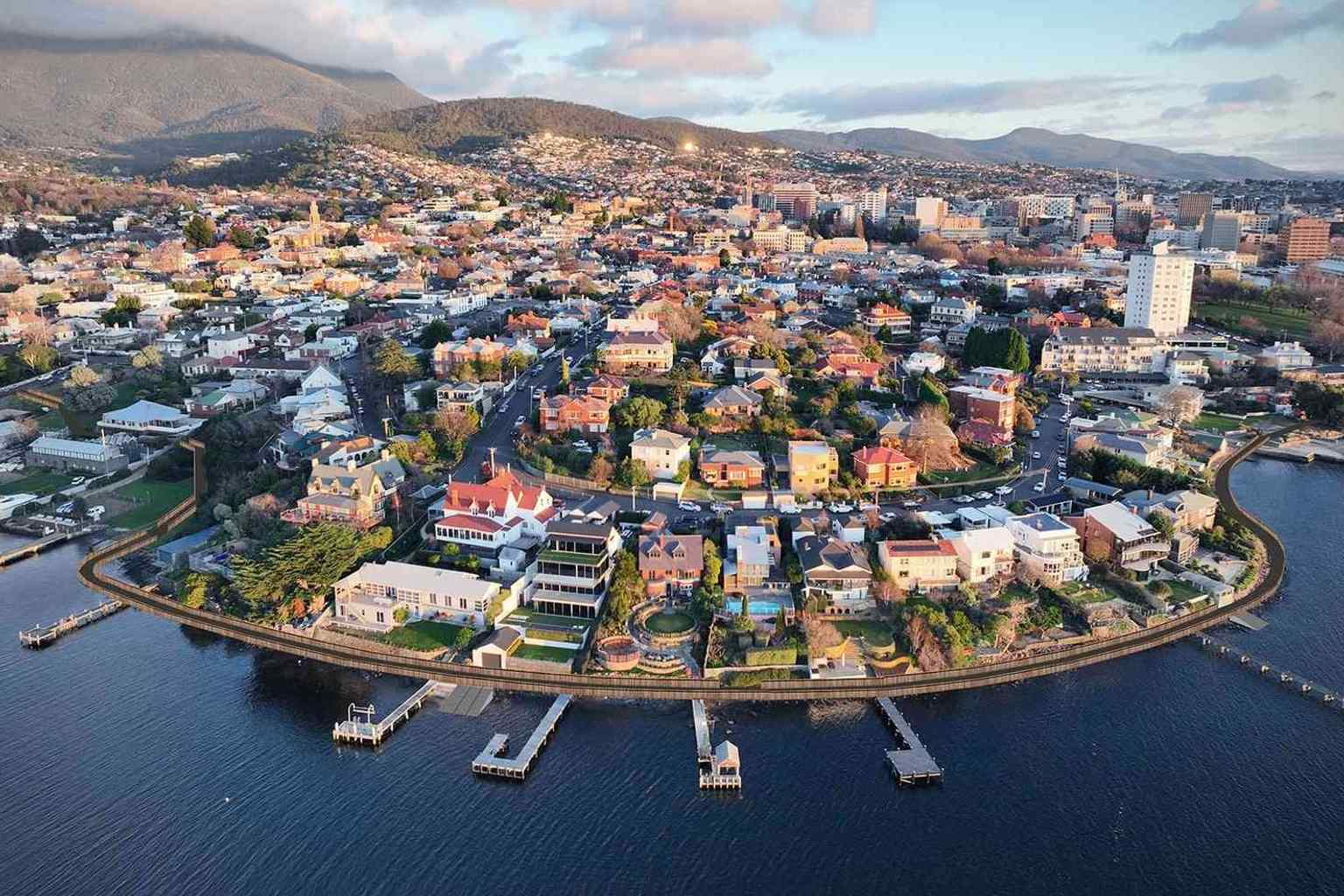
It follows years of investigation into a foreshore path linking AJ White Park at Battery Point with Errol Flynn Reserve at Sandy Bay.
The plan has strong public backing. A recent survey found almost nine in 10 people supported the walkway, while fewer than one in 50 opposed it.
But consultant GHD found the community concept, developed by the Friends of Battery Point Walkway, was “not feasible in its current form”.
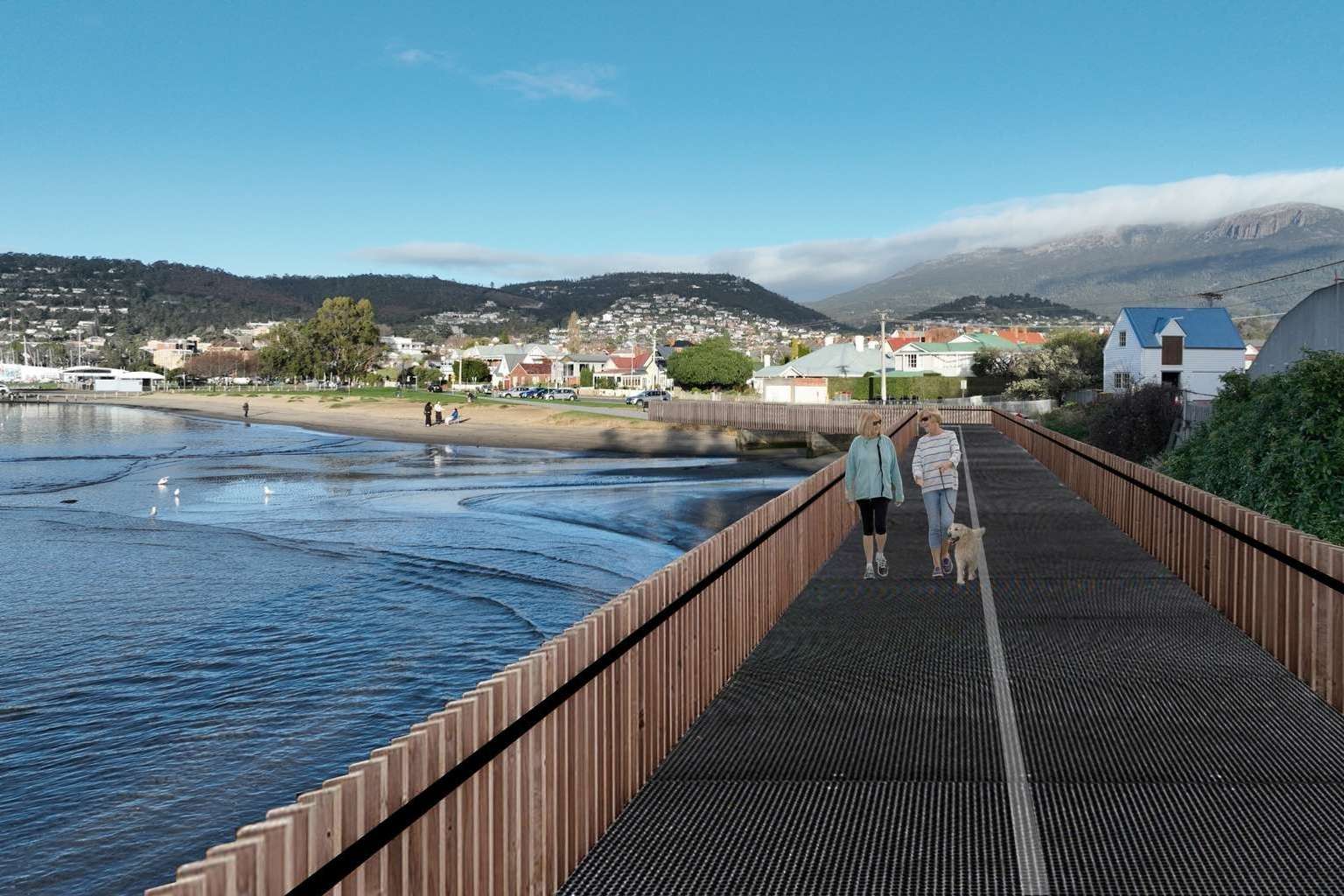
The route relies on land tied up in Crown licences for private jetties, slipways and boatsheds along Clarke Avenue and Napoleon Street.
The council has no power to alter or cancel those licences.
Parks and Heritage Minister Nick Duigan told the council the Crown recognised a shared walkway “could potentially constitute a public purpose”.
But he said the licences would need to be assessed case by case and he was not currently in a position to alter or terminate them.
Adjoining property owners are strongly opposed and Stretton’s report says there is no realistic prospect of reaching a voluntary agreement.
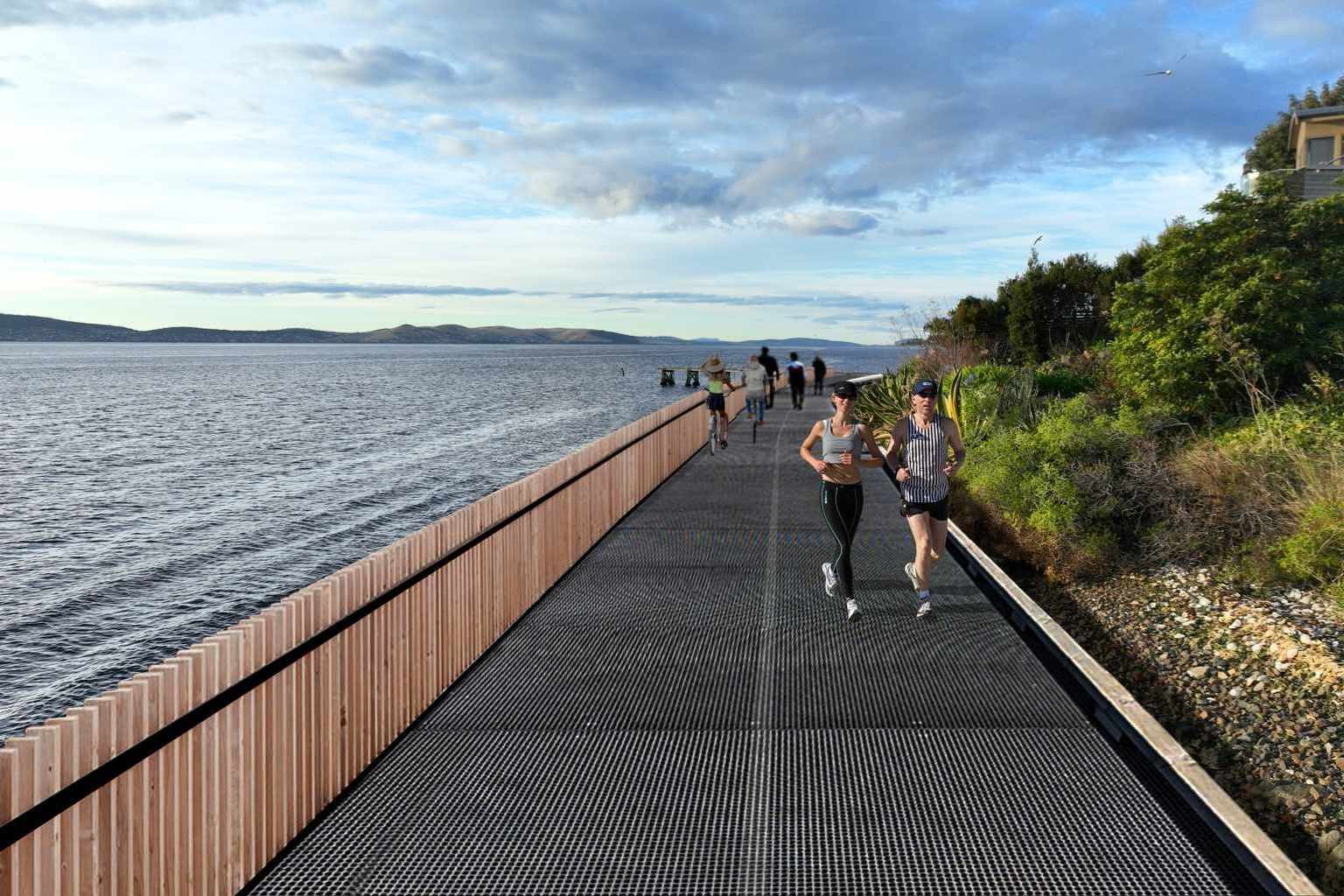
The community group initially estimated construction would cost about $5 million.
GHD’s updated estimate came in at $23.8 million, excluding land acquisition, legal fees and maintenance.
Engineers also raised safety and design concerns.
The proposed lifting bridges would be operated by residents, meaning they could close the path to the public at any time.
Parts of the structure also failed to meet loading standards and did not account for wave loading or sea level rise.
The report says the path also fell short on climate resilience, with sea levels projected to rise by about 1.8 metres by 2070 under a high-emissions scenario.
Despite the setback, Stretton says the case for better cycling and walking links between Sandy Bay and the city remains strong.
He recommends the council instead investigate alternative alignments, including a revisited offshore route, that avoid the private licence hurdles.