Tasmania has recorded eight more detections of H5 bird flu, taking the state’s total to 33 as the virus continues to spread through wild bird populations.
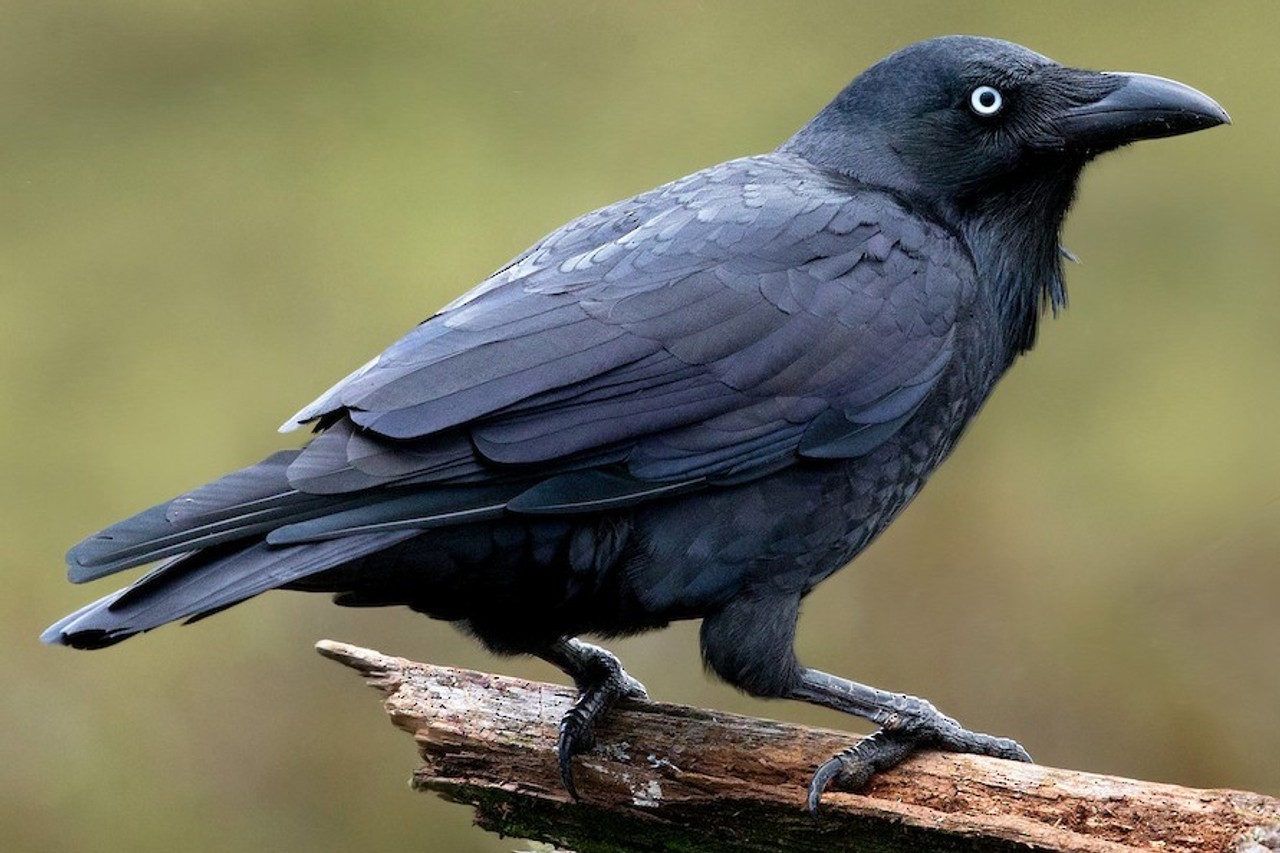
The latest cases include a forest raven at Loorana on King Island, the first time the virus has been detected in a raven in Tasmania.
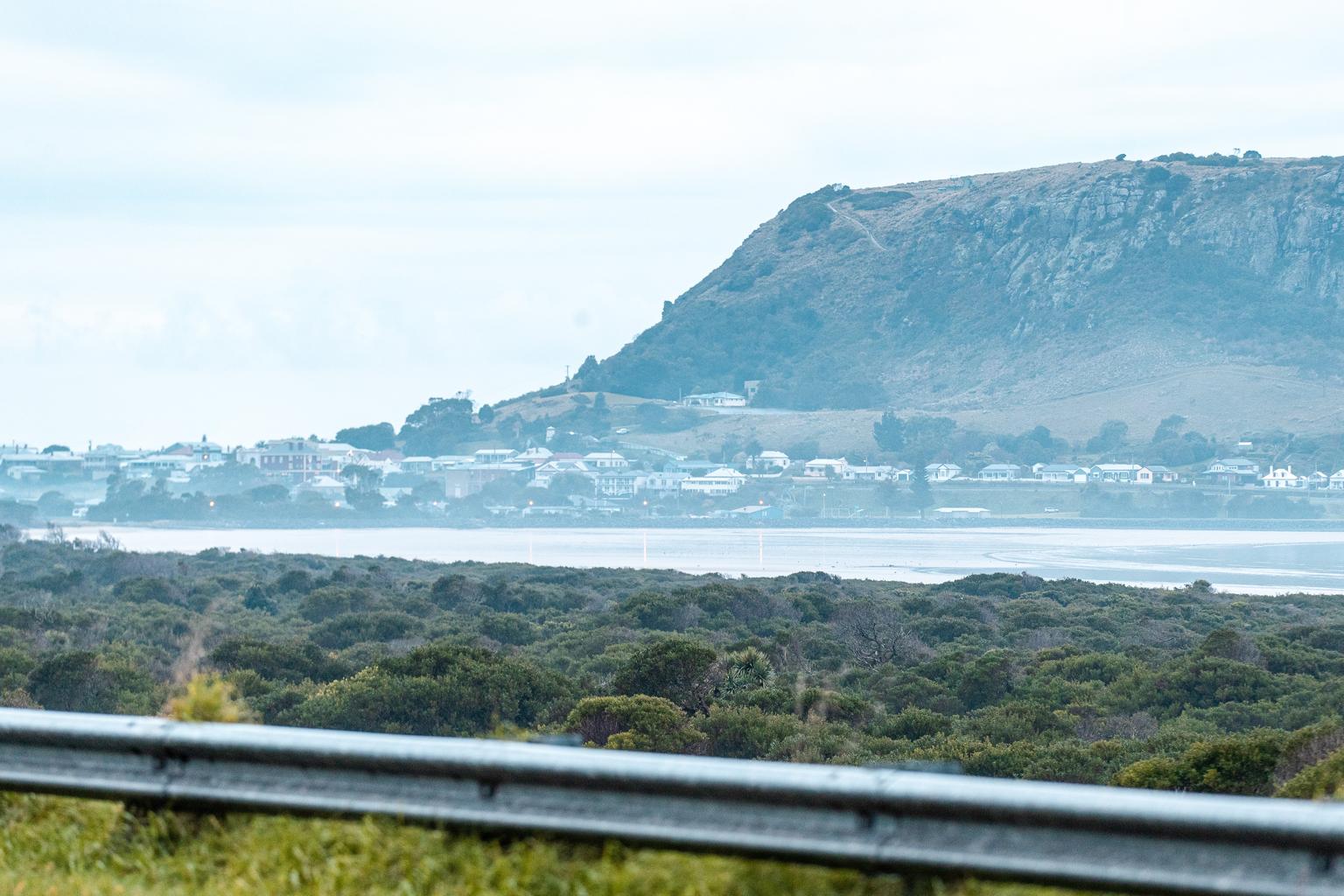
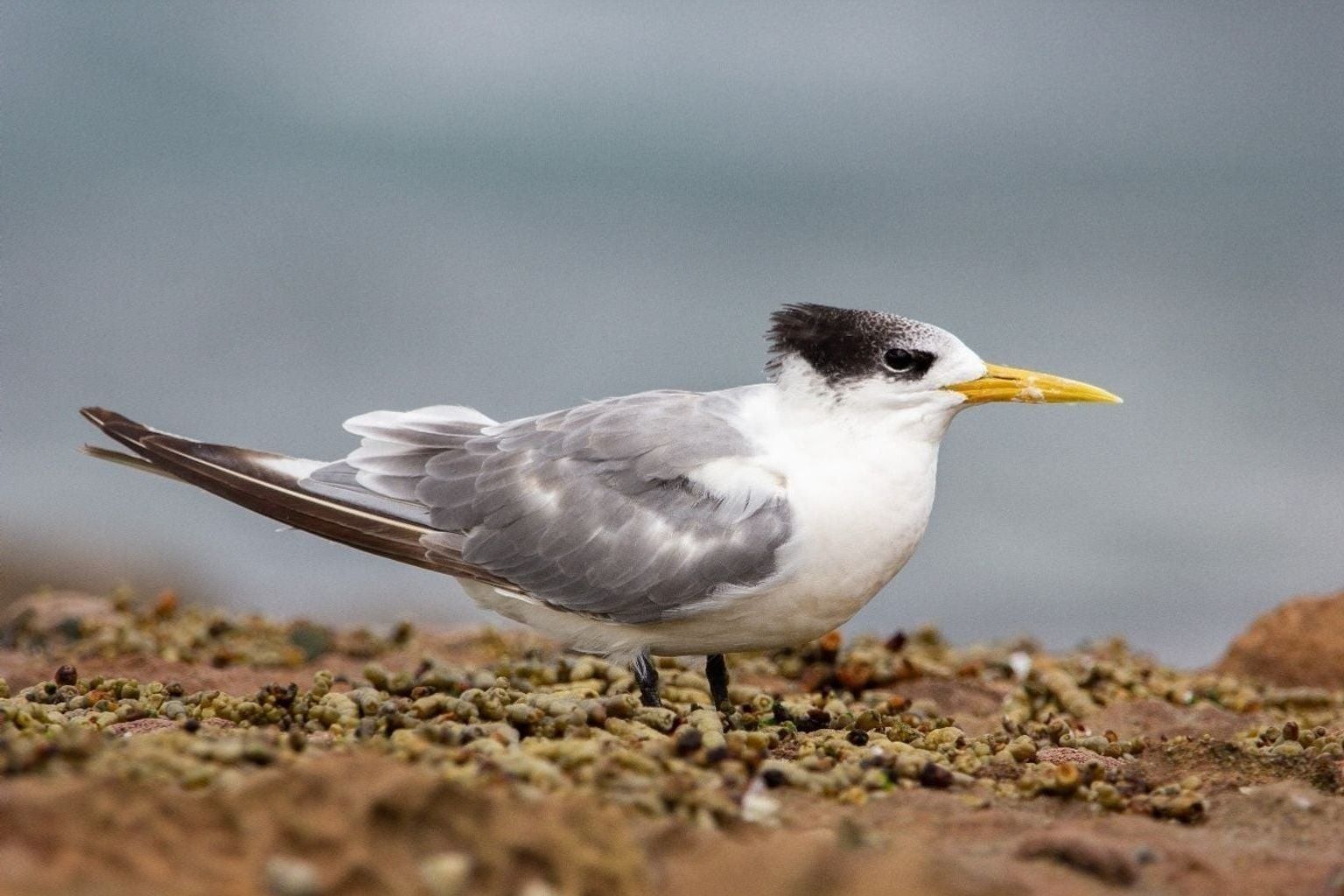
A crested tern at Naracoopa and a silver gull at Currie, also on King Island, have tested positive, along with two silver gulls and two crested terns at Stanley and a crested tern at Wynyard.
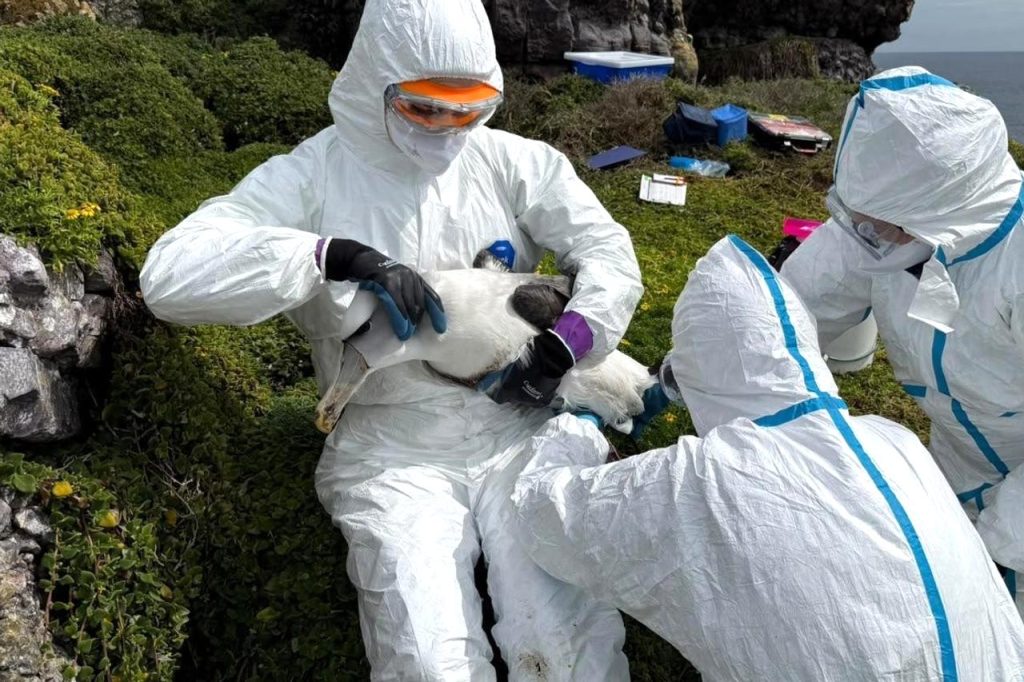
Samples have been sent to CSIRO’s Australian Centre for Disease Preparedness in Geelong for confirmation testing and sequencing.
Incident Controller Wes Ford said the latest results were expected as surveillance and testing continued across the state.
“We know we will continue to find more positive detections in Tasmania, so these results were not unexpected,” Ford said.
“Additional aerial surveys will be conducted this weekend and on-ground surveillance continues statewide.”
“Thank you to all members of the community for your continued assistance by reporting suspected disease.”
Ford said there had been no mass bird deaths and no detections in Tasmanian poultry.
“Chicken and eggs remain safe to eat,” he said.
The Department of Health says human infection with H5 bird flu is rare and the risk to people in Tasmania remains low.
Ford said people could reduce their risk of infection by staying away from sick or dead birds and other animals, including their feathers, fluids, saliva, droppings and other contaminated material.
Tasmanians who see sick or dead birds or wildlife are urged to avoid contact, record what they see and report it to the Emergency Animal Disease Hotline on 1800 675 888.