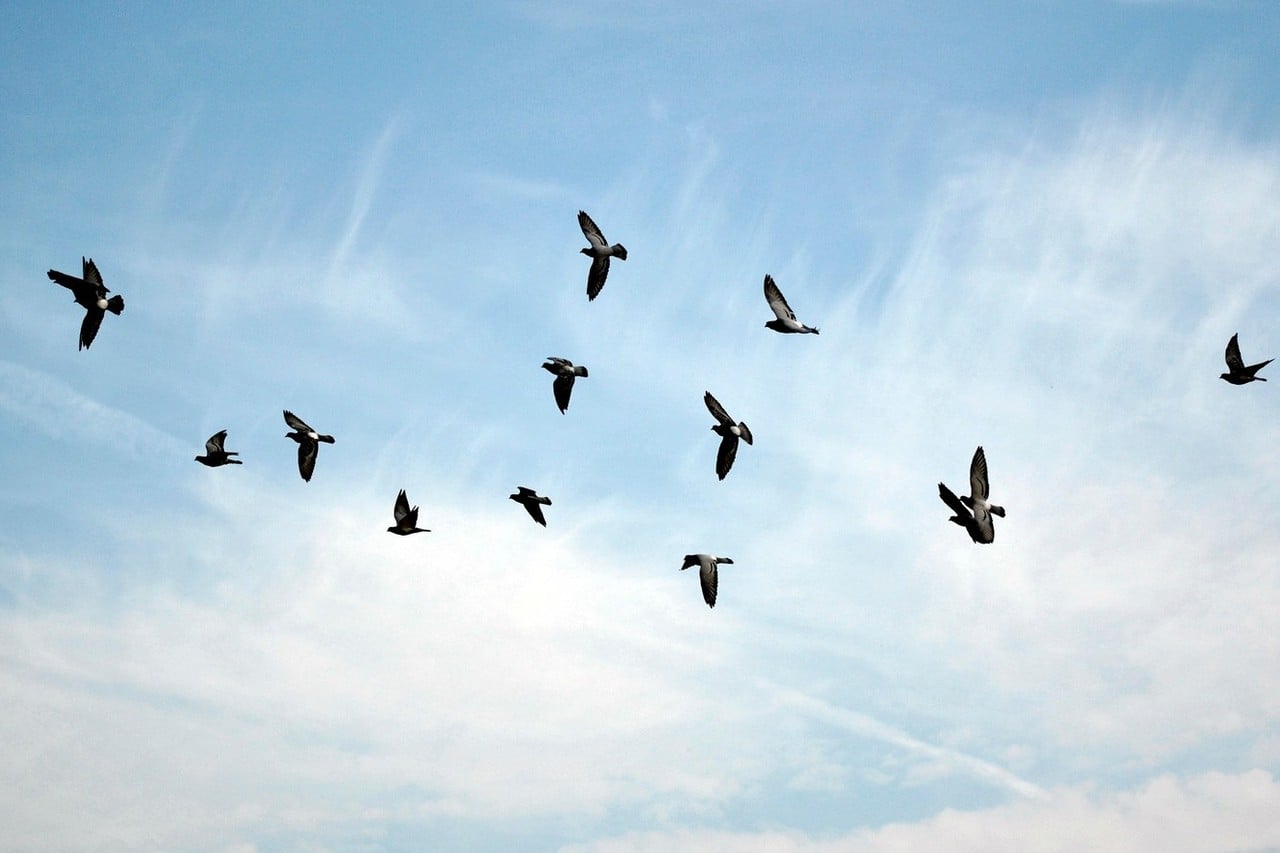
H5 bird flu has been found on Tasmania’s east coast and in the state’s south for the first time, as the total number of detections climbs to 54.
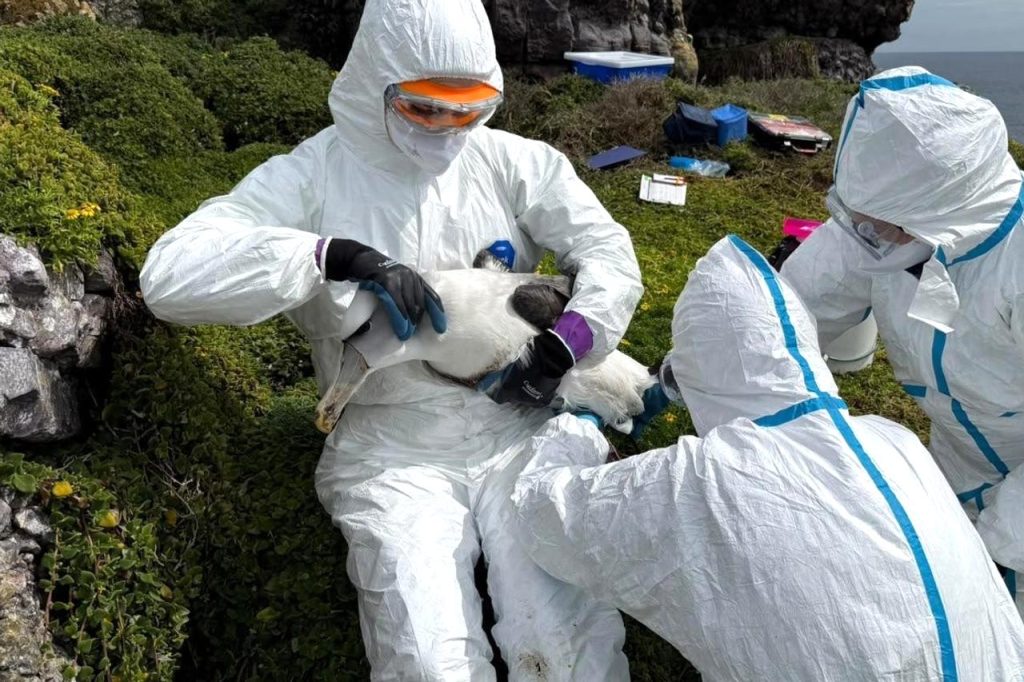
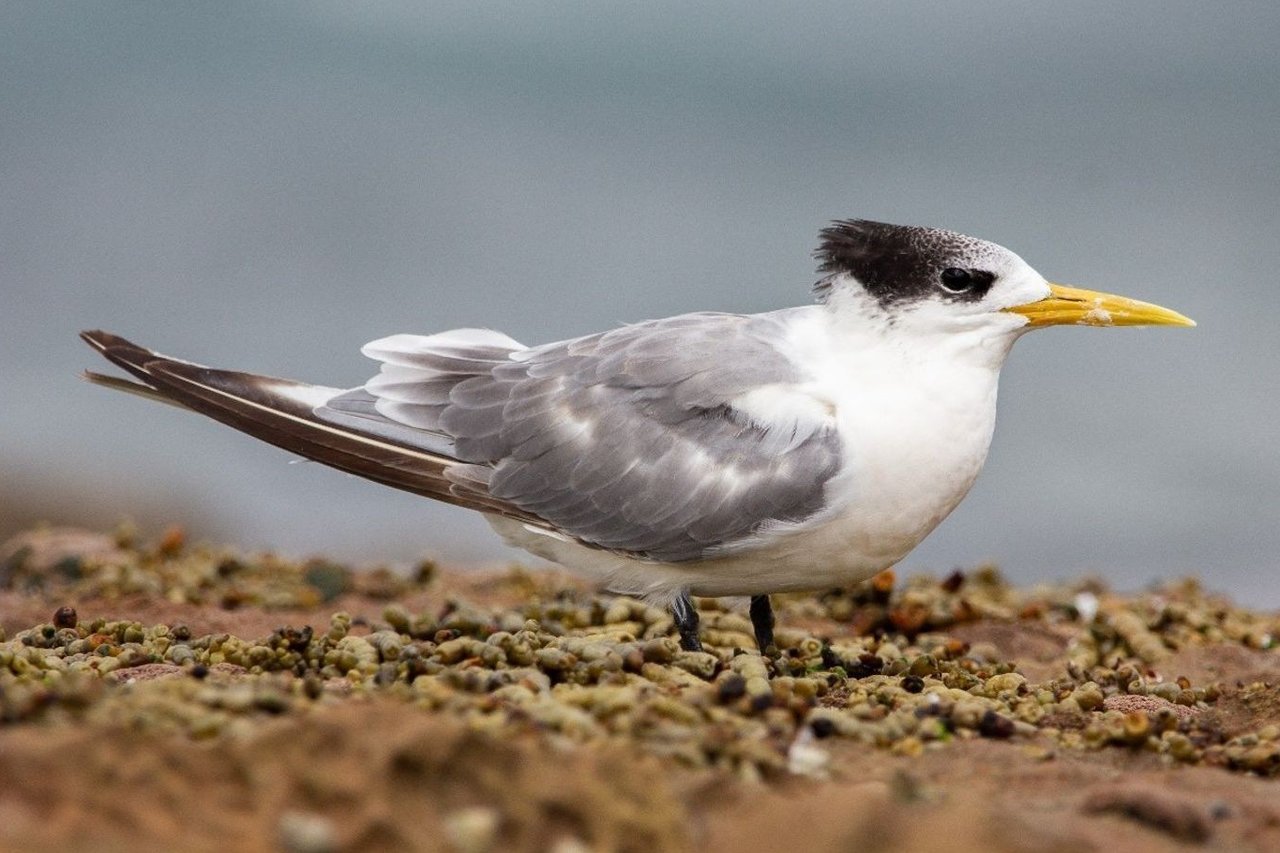
The virus was confirmed in a forest raven at Triabunna, on the east coast and a tern at Acton Park, just outside Hobart.
A third case was found in a tern at Marrawah, in the state’s far north-west.
It is the first time the disease has been detected close to Hobart, after weeks of cases concentrated in the north-west and on the islands of Bass Strait.
The virus was first detected in Tasmania in mid-August, when an infected brown skua was found at Rocky Cape.
Incident Controller Wes Ford said the latest results were expected as surveillance continued across the state.
“As we have said previously, we expect to continue finding H5 bird flu in new locations as surveillance continues and more sick or dead birds are reported by the community,” Ford said.
“The positive detections in these localities shows the disease is present in those areas and reinforces the importance of continued vigilance and reporting.”
The Department of Natural Resources and Environment Tasmania is now changing how it reports cases.
Rather than announcing every positive test, it will focus on new locations where the virus turns up.
“This change ensure Tasmanians are aware of where H5 bird flu has been detected,” Ford said.
“Whether a locality records one positive bird or several, the message remains the same – the disease is present in that area.”
He said routine testing in known hotspots often picked up more infected birds, but reporting each one separately did not change the overall situation.
Ford said reports from the public had been central to the response.
“Many of our positive detections have been identified because members of the public have reported sick or dead birds,” he said.
There have been no mass bird deaths and no cases in Tasmanian poultry so far. Chicken and eggs remain safe to eat.
The Department of Health says human infection is rare and the risk to people in Tasmania remains low.
People are urged to stay away from sick or dead birds and wildlife and to keep their pets away.
Anyone who sees sick or dead birds or wildlife should avoid contact, record what they see and call the Emergency Animal Disease hotline on 1800 675 888 or report it online.