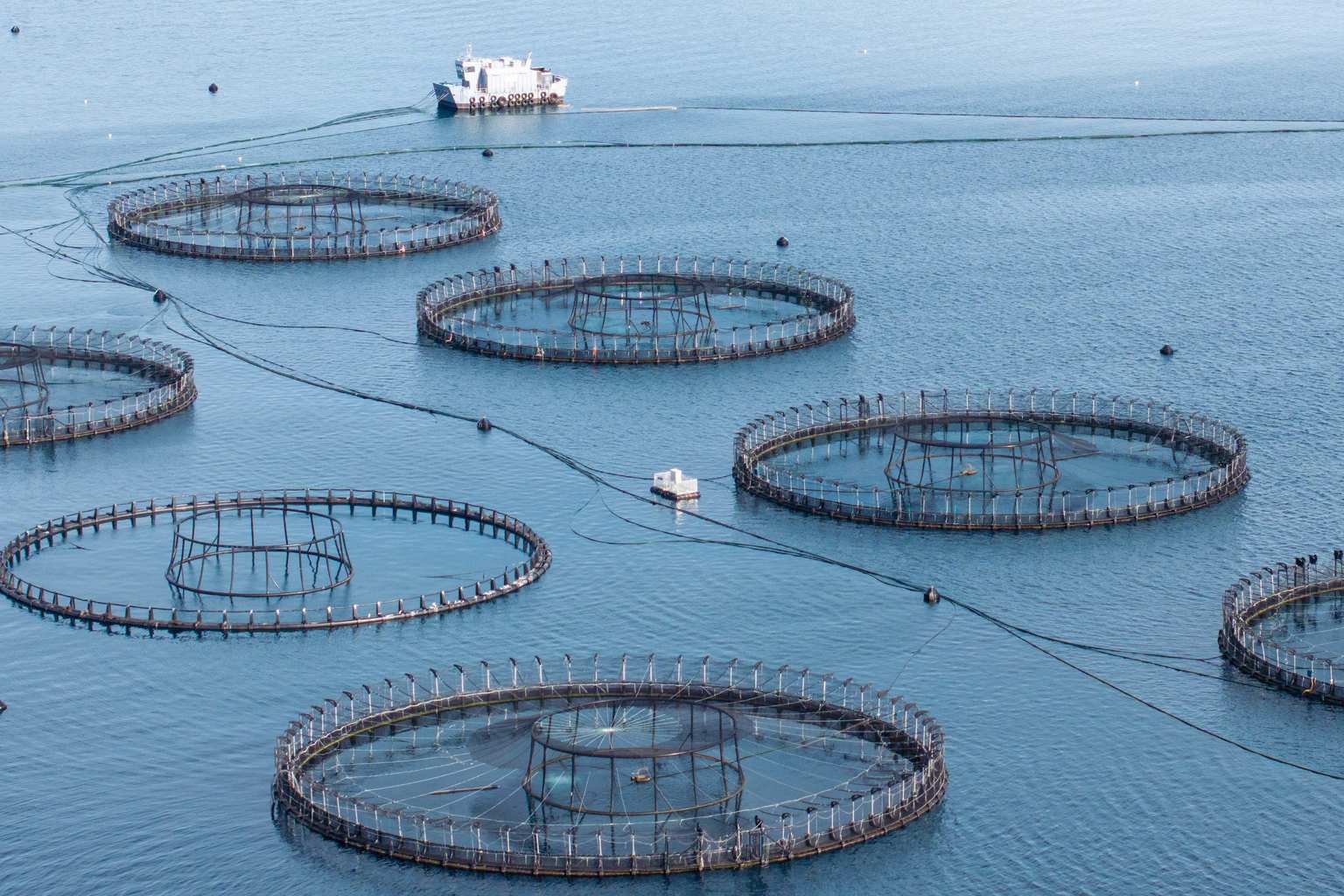
The EPA has renewed Tassal’s licence to operate salmon pens in Long Bay on the Tasman Peninsula near the World Heritage-listed Port Arthur site, despite 83 submissions opposing the move.
The decision, published on Monday, allows Tassal to continue farming in the bay until November 30 next year.
EPA Director Catherine Murdoch said she was satisfied “that environmental impacts which may occur as a result of fish farming activities in Long Bay-Port Arthur can be appropriately managed utilising the existing and varied licence conditions and other regulatory tools.”
Murdoch acknowledged “the depth of community concern against Tassal’s Long Bay fish farm” but concluded “there is no basis to determine that the applicant is not a fit and proper person to hold an environmental licence.”
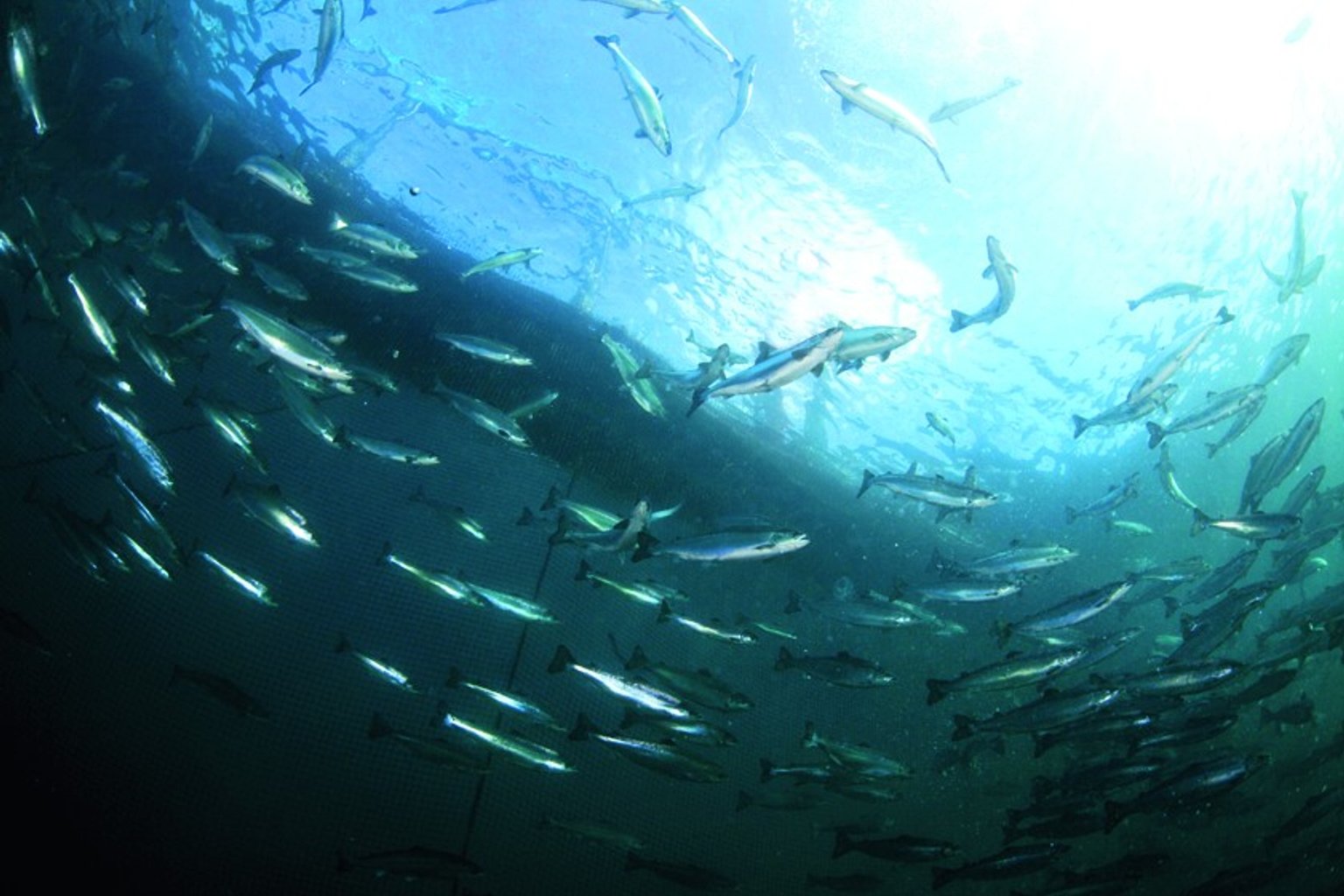
The EPA said its monitoring had found “no substantial evidence of negative impacts of nutrients to water quality in Long Bay.”
It also noted reef monitoring had found “no evidence of reef health deterioration” and that closer analysis by EPA scientists pointed to “mild improvements in organic enrichment status at reef sites.”
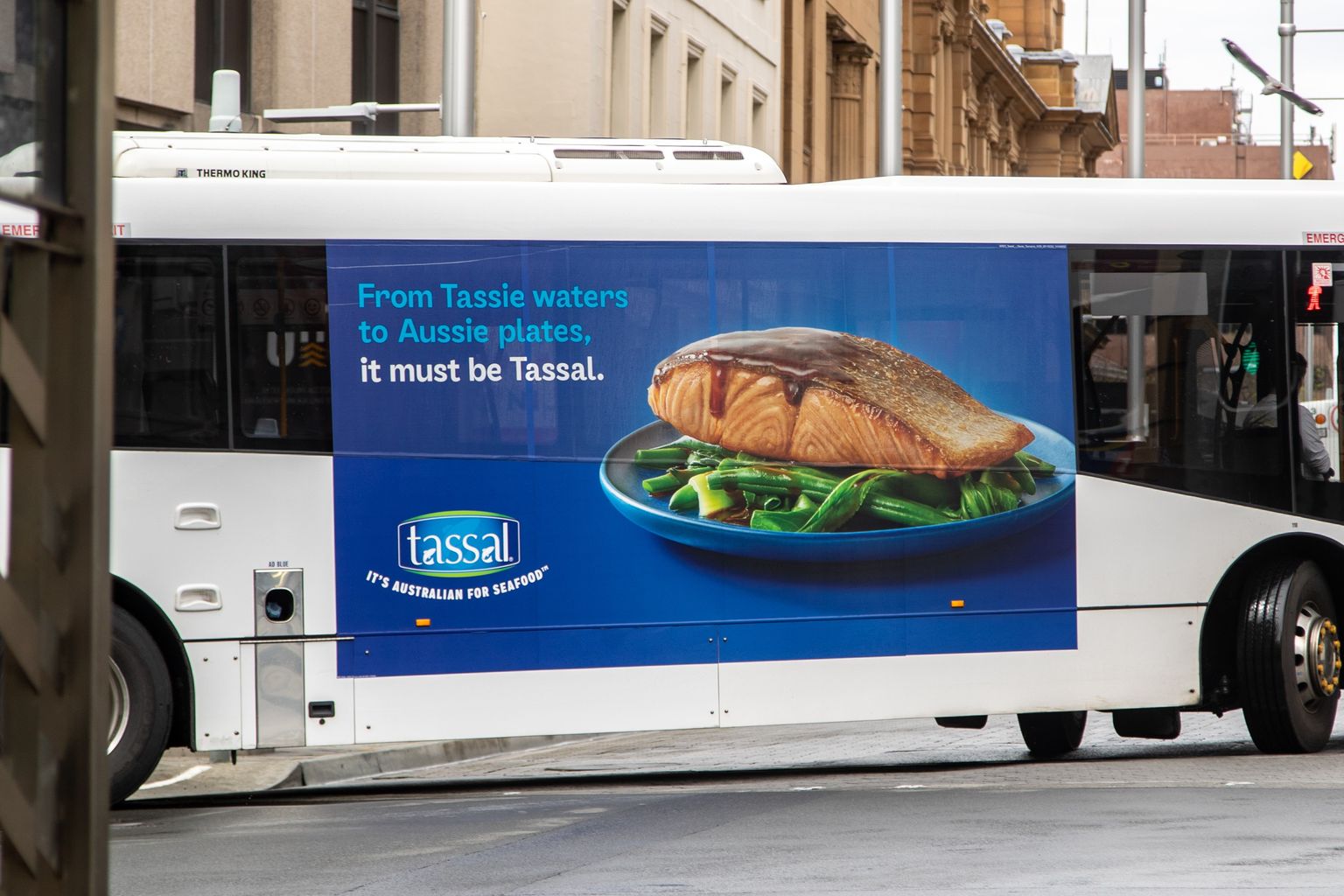
Tassal welcomed the decision, saying it “provides certainty for our employees, contractors, suppliers and local businesses that rely on the salmon industry.”
“We welcome the EPA’s independent, science-based assessment and remain committed to operating responsibly, transparently and in accordance with the environmental standards expected by the Tasmanian community,” a Tassal spokesperson said.
The licence was renewed for a shorter period than most, with Murdoch flagging a review of the nitrogen cap for the bay that could “further reduce the scale of finfish farming to a sustainable level, if found to be warranted.”
The EPA acknowledged it did not conduct baseline health assessments before salmon pens were first permitted in 2017, making it harder to measure changes over time.
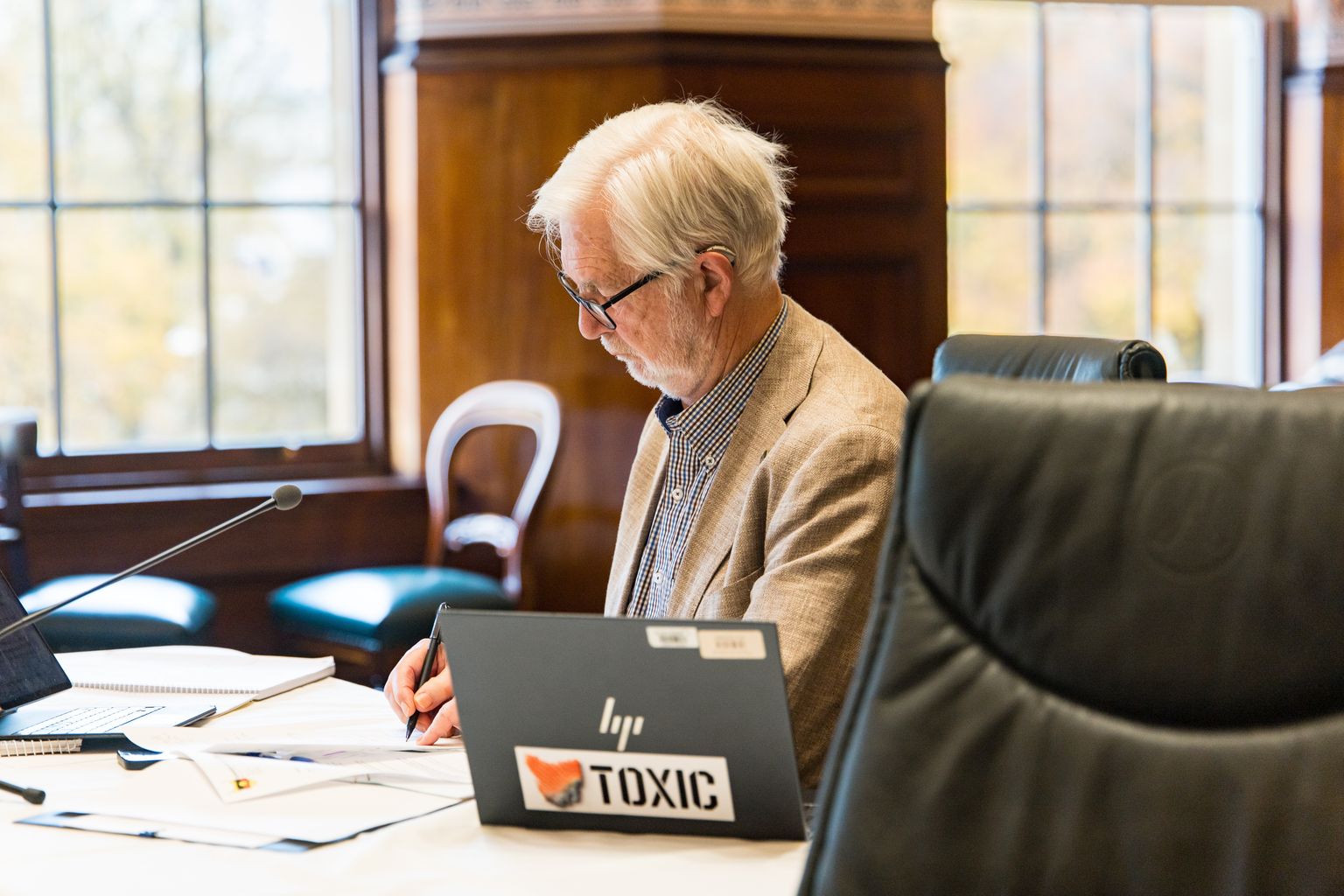
Independent MP for Franklin Peter George called the decision “deeply disappointing for residents, if hardly unexpected as the industry is rarely denied what it wants.”
George said the salmon industry had “got its way despite growing resistance from residents and in the face of independent scientists’ warnings that the health of Long Bay, on the Tasman Peninsula, has visibly deteriorated since salmon pens were installed.”
Greens leader Rosalie Woodruff said the decision was “beyond belief” and showed “how broken Tasmania’s finfish regulations are.”
“Long Bay in Tasman Peninsula is one of the most sensitive and biodiverse and shallow areas that finfish farms are operating in Tasmania,” Woodruff said.
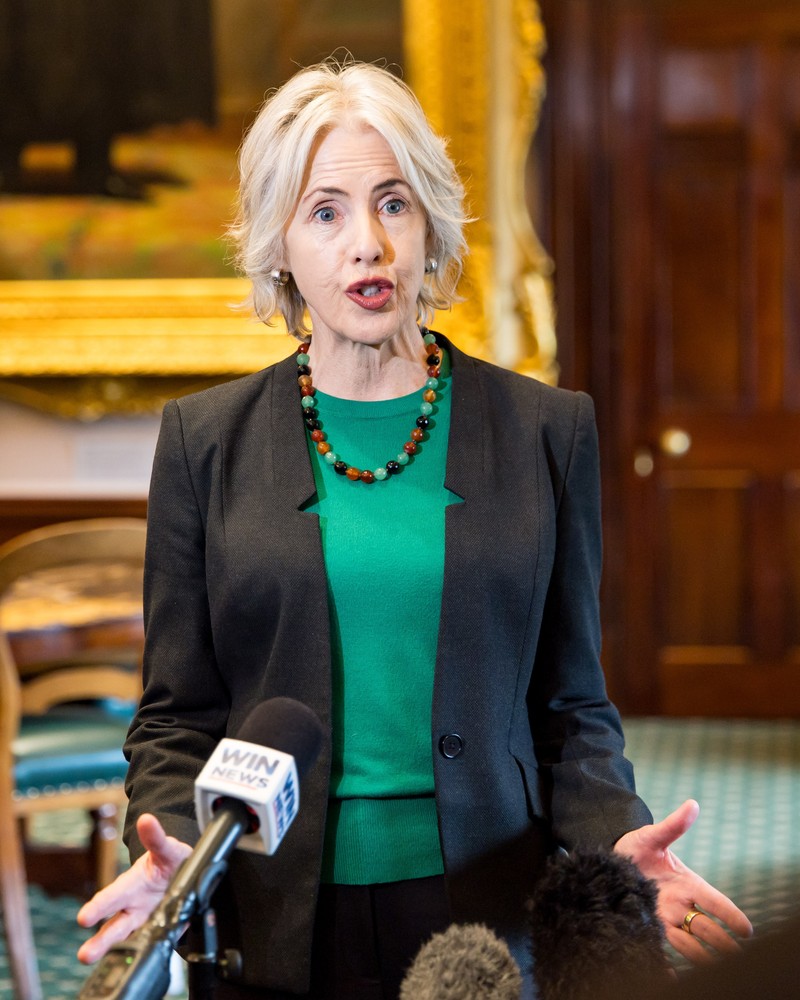
“They should never have started.”
She said the lack of a baseline survey before farming began meant any assessment of environmental harm was flawed.
“Anybody who puts on scuba gear and gets down into the water and has a look can see that there is an utterly altered marine environment,” Woodruff said.
Tassal say they employ around 50 people in the region.