Tasmania’s fire agencies say they have a shorter than usual window to carry out planned burns this spring, with a drier and warmer season forecast ahead.
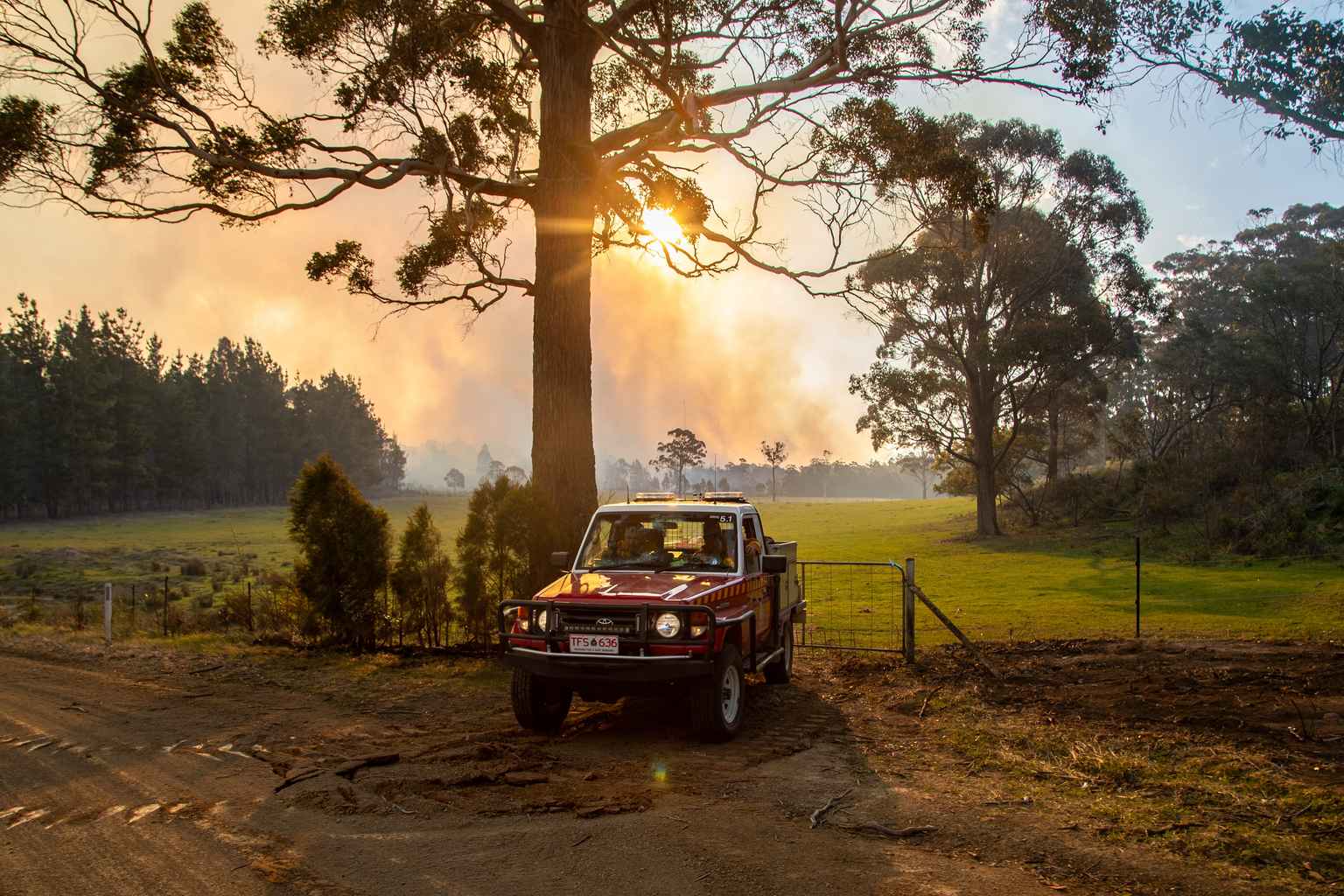
The statewide fuel reduction program has moved into its spring burning phase, with crews watching for safe conditions to reduce bushfire fuels before summer.
Sustainable Timber Tasmania, Tasmania Parks and Wildlife Service and Tasmania Fire Service are monitoring weather, fuel and smoke conditions to find safe opportunities to burn.
Director of Community Fire Safety Chris Collins said the tighter timeframe made it more important to act early.
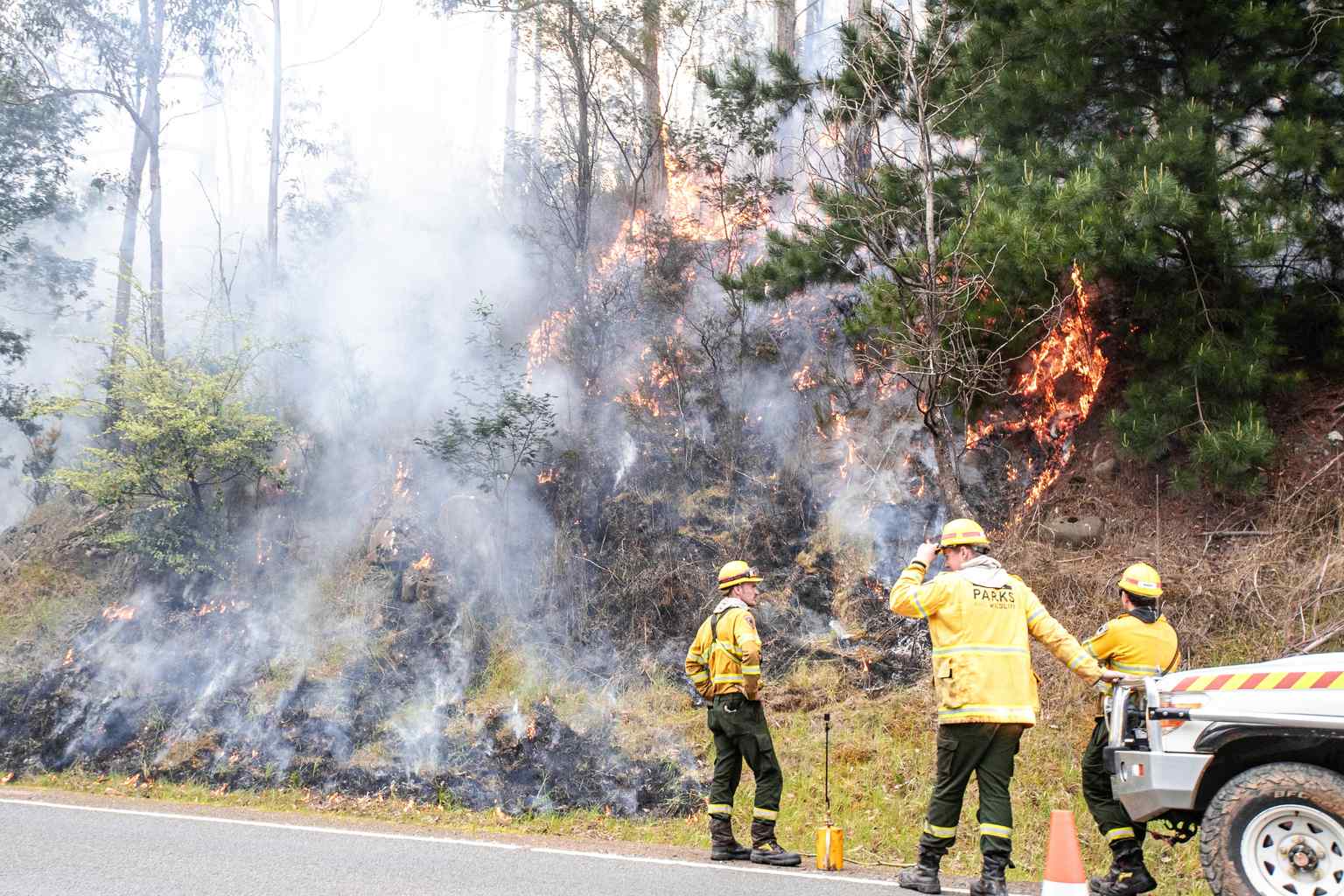
“Fuel reduction burns are carefully planned and conducted at lower intensities to reduce surface and near-surface fuels,” Collins said.
He said treated areas make future bushfires easier to control.
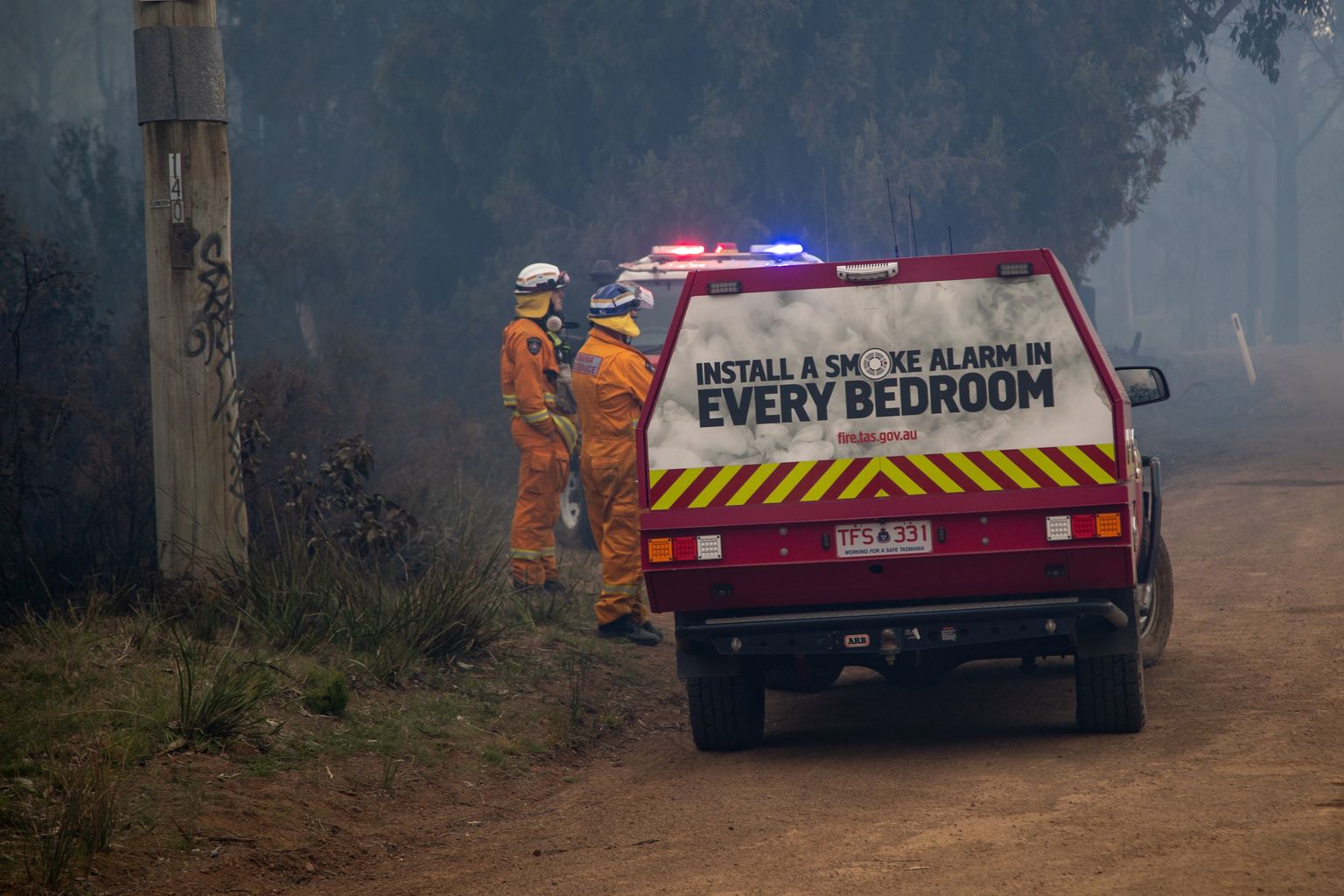
“We know from many years of practice and research that bushfires burning through recently treated areas are generally easier and safer to contain,” Collins said.
“During the 2025-26 summer, previous fuel reduction burns helped firefighters manage bushfires at Nugent and Beauty Point and provided better opportunities to protect property and other key values.”
Parks and Wildlife has recently burnt on the Tasman Peninsula, at Ringarooma and at Counsels River in the Franklin-Gordon Wild Rivers National Park.
More burns are planned near Port Arthur, the Meehan Range, Nelson Bay and in the Tasmanian Wilderness World Heritage Area.
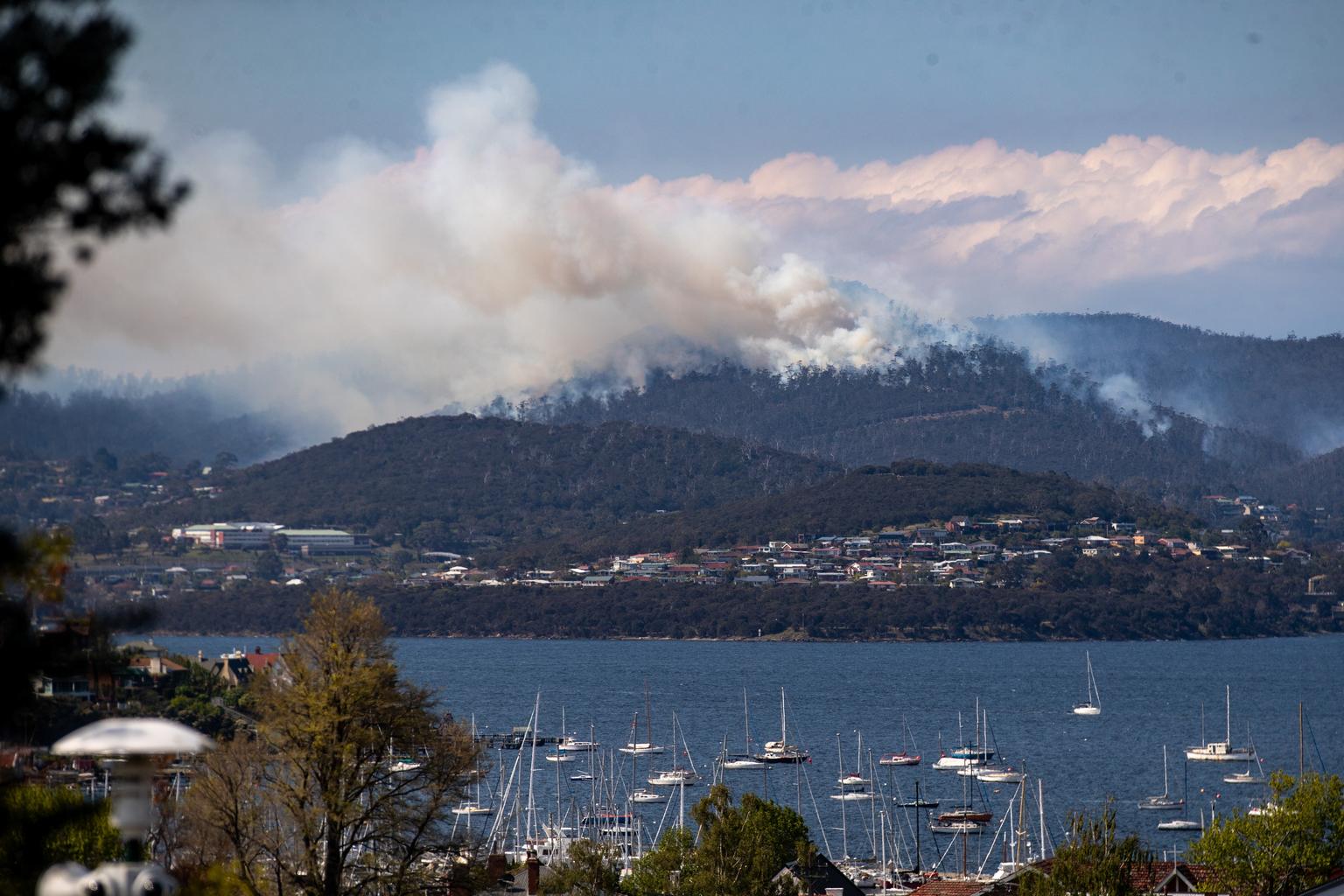
Further burns are planned this spring for Launceston, St Helens, Bicheno, Coles Bay, Geeveston, Mt Nelson and South Hobart among other areas.
Collins said smoke impacts were considered in every burn and people with asthma or other respiratory conditions should plan ahead by staying indoors and reducing outdoor activity.
Crews completed 104 burns across about 9,200 hectares in autumn 2026 despite dry conditions on the east coast.