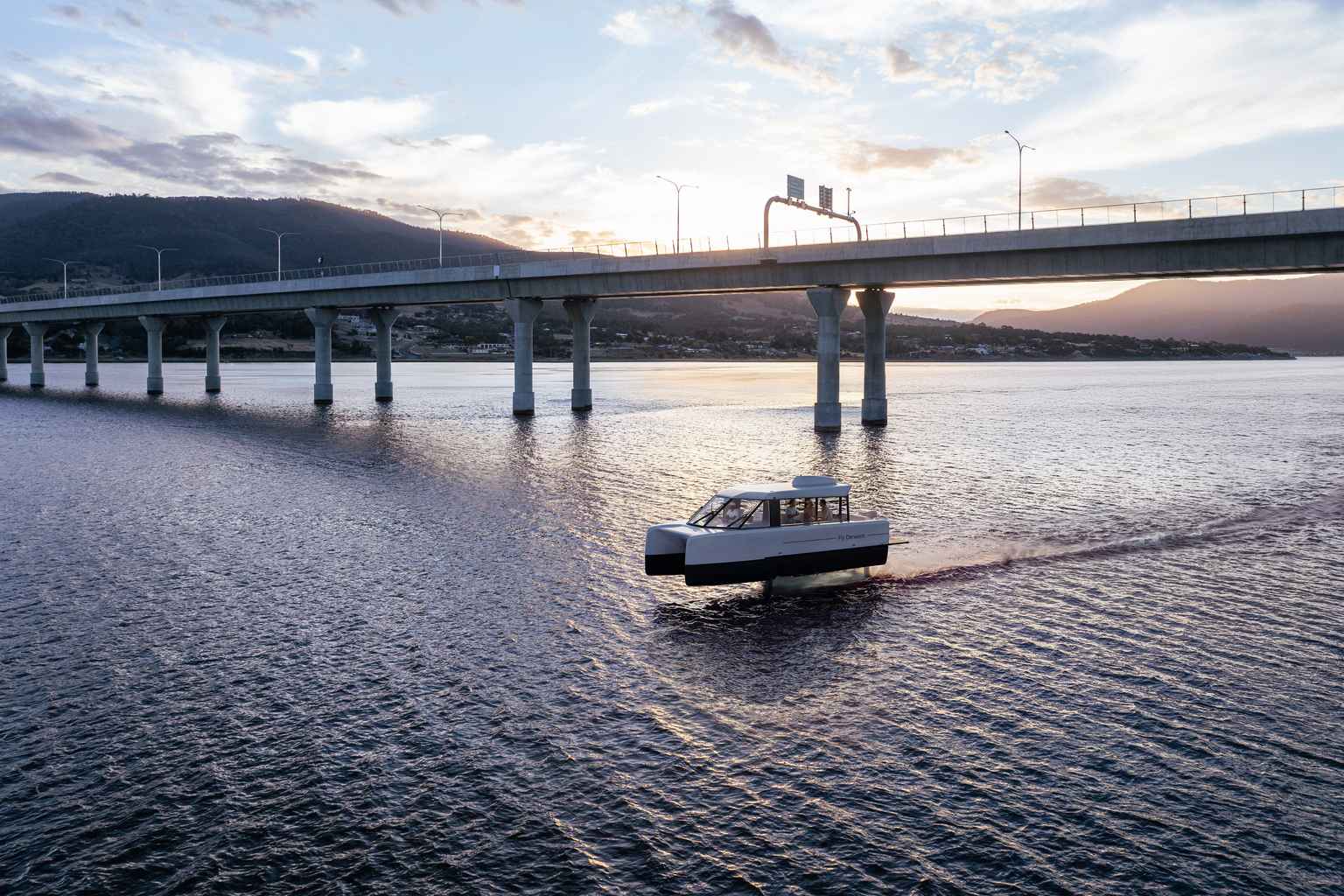
Vessels that ‘fly’ above the River Derwent could soon be ferrying Hobart commuters and tourists between New Norfolk and Opossum Bay.
Tasmanian clean energy venture Fly Derwent has teamed up with New Zealand marine company Vessev to launch what they say will be Australia’s first electric hydrofoil passenger network.
The service would operate along a 60-kilometre stretch of the river, with a hub at the Hobart waterfront.
It would launch with the VS-9, a nine-metre electric catamaran that carries 10 passengers and cruises at 25 knots.
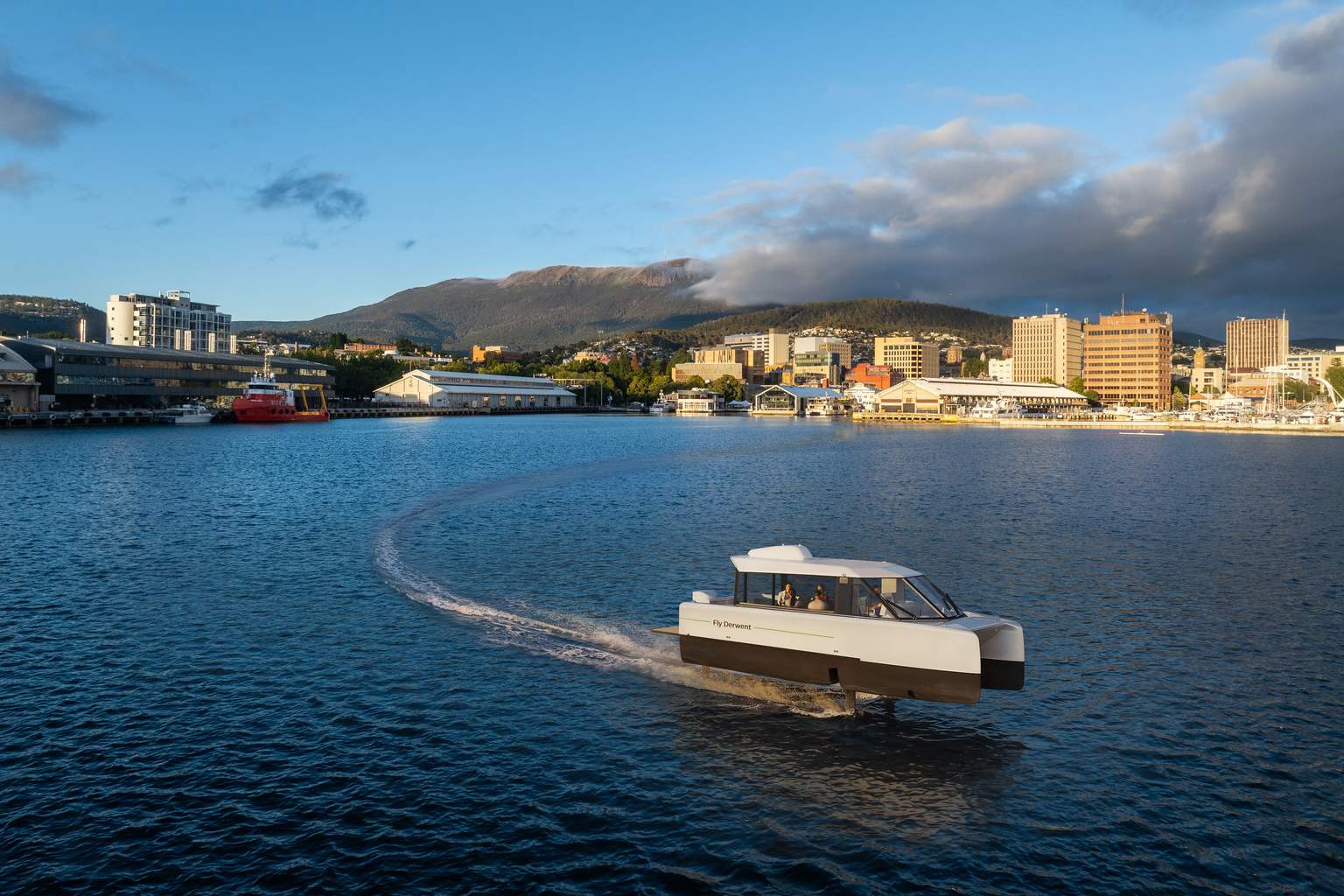
Fly Derwent has also ordered four larger VS-12 vessels, each carrying 30 passengers.
The company says it is the first operator in the world to place an order for the VS-12.

Hobart engineer and Fly Derwent principal Cameron McCulloch says the technology will change how Tasmanians think about their waterways.
“This world-leading technology unlocks affordable, river-based commuter and tourism transport in Hobart without the need for large-scale infrastructure changes,” he said.
“It’s an entirely new mode of transport that enables us to use waterways in a way that is more like a metro system than a ferry service.”
McCulloch says conventional electric boats cannot solve the challenges of range, efficiency and wake on a sensitive river like the Derwent.
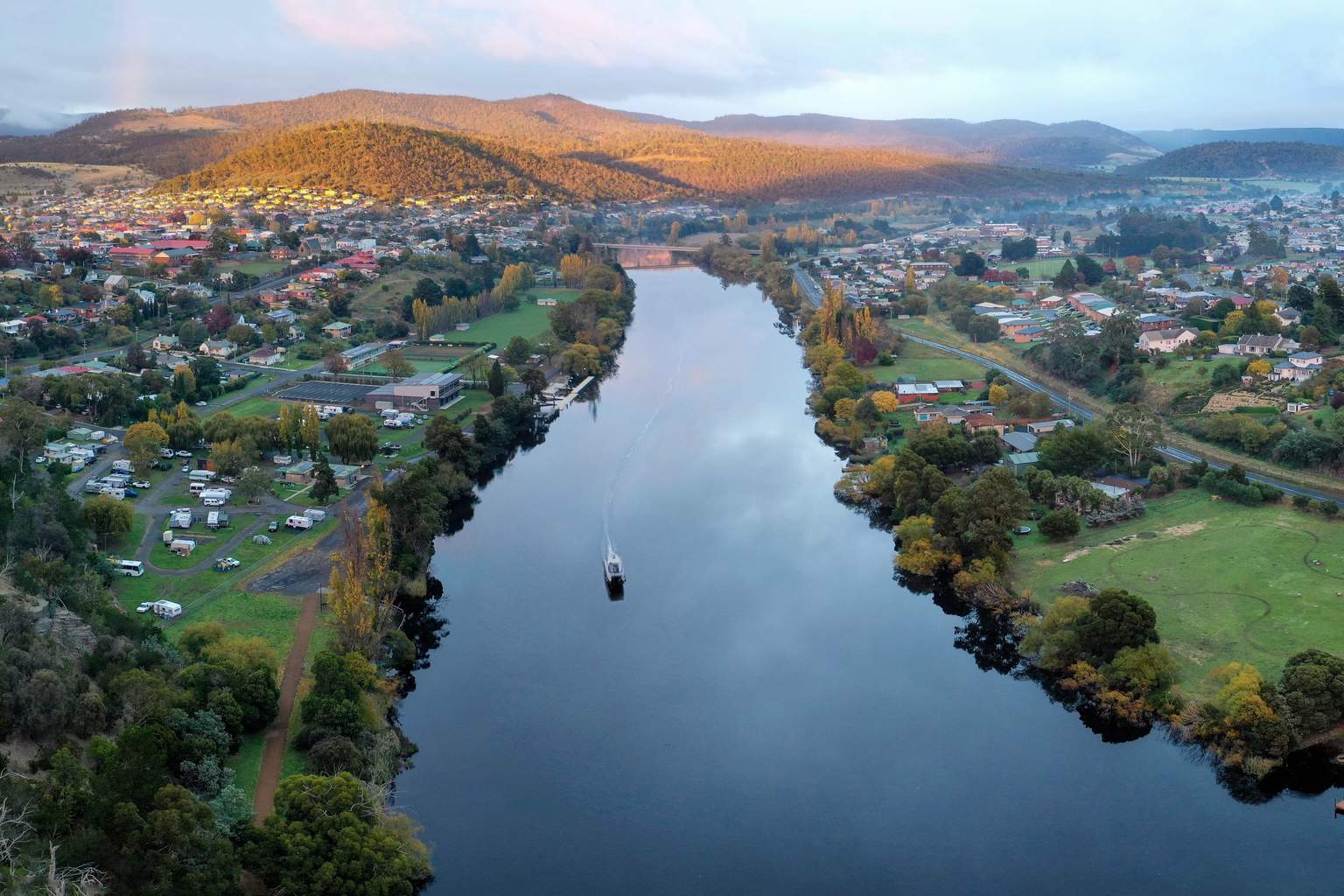
Carbon fibre foils lift the hull clear of the water at speed, cutting drag and producing almost no wake.
“Hydrofoiling changes that completely, lifting the hull clear of the water, reducing drag and unlocking the efficiency needed to deliver commercial services on electric power alone,” he said.
The boats will be charged from Tasmania’s grid, which runs close to 100% renewable generation, drawing mostly on hydropower and wind.
Vessev already has a VS-9 in commercial service with Fullers360 on Auckland’s Waitemata Harbour and has projects underway in Perth.
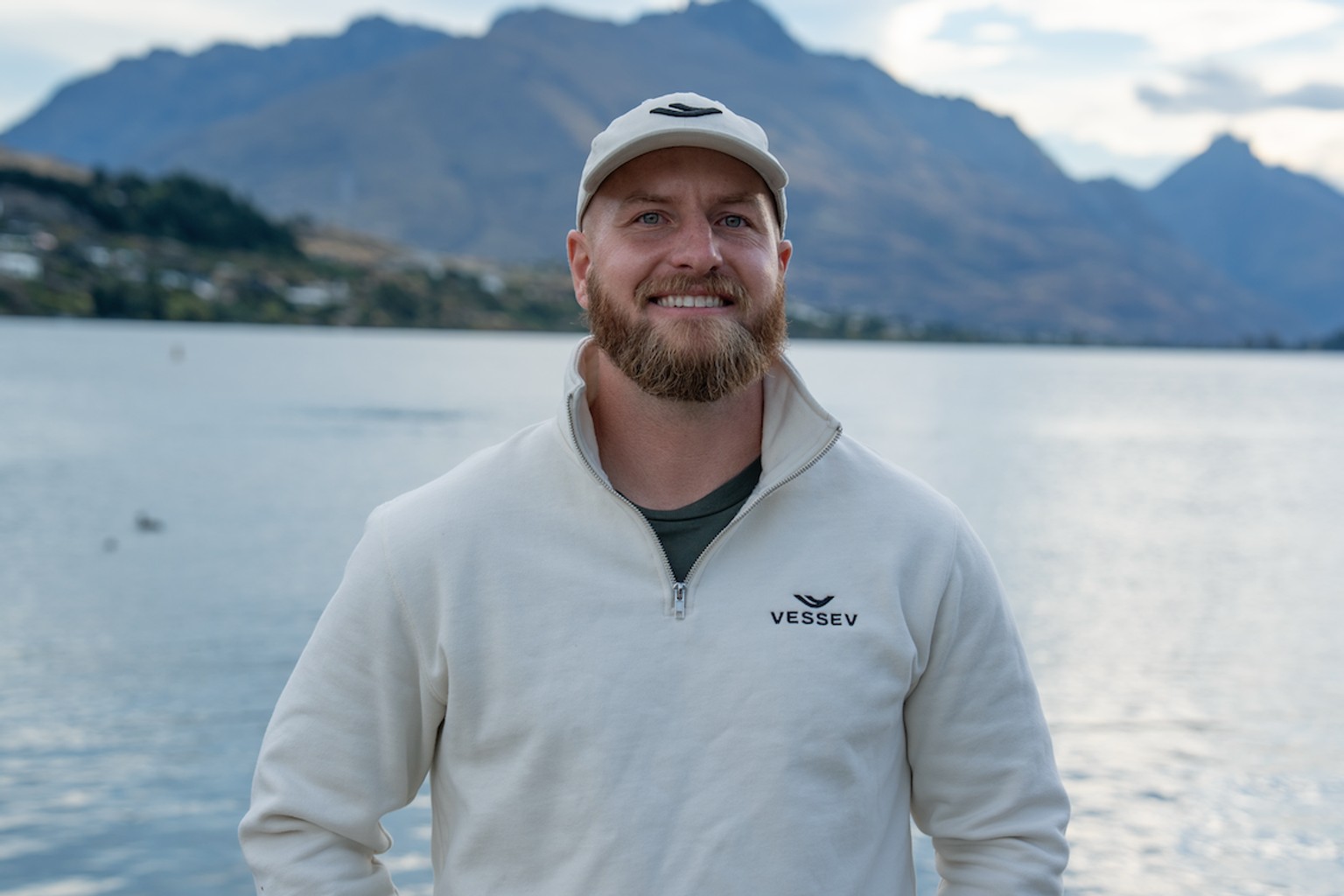
Chief executive Eric Laakmann says Australia is becoming a key market for the technology.
“Almost every major city has waterways sitting largely unused for passenger transport and electric hydrofoiling changes that,” he said.
The first stage will focus on commuter services and premium tourism linked to the Hobart waterfront.
Fly Derwent and Vessev say they are still working with regulators to certify the vessels for Australian service.
The VS-9 is expected to arrive in Hobart in early 2027. A deployment date for the VS-12 fleet has not been set.