The Tasmanian Greens are calling on the state government to bring forward its ban on the “antiquated” practice of recreational gillnetting, saying it would give seabirds a better chance of surviving bird flu.
Greens MP and environment spokesperson Vica Bayley said the party had written to Primary Industries Minister Gavin Pearce asking for the ban to start now.
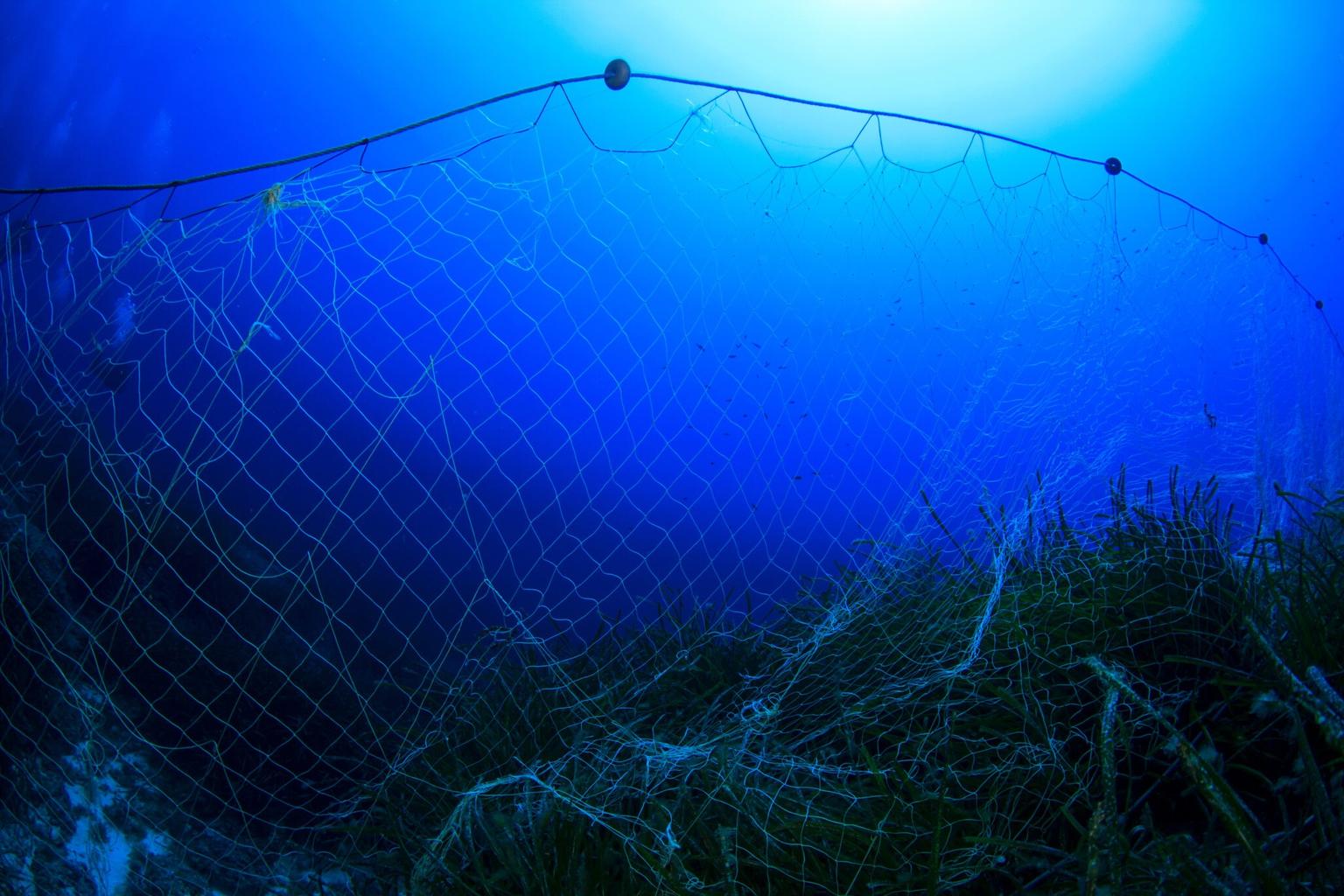
“It’s a method of indiscriminate fishing where a net is laid and left in the water,” he said.
“There’s bycatch when it comes to fish, there’s bycatch when it comes to marine mammals and seabirds.”
The government has committed to a full phase-out of recreational gillnetting by 2030.

According to the Greens, from November 1, 2027, the practice will only be allowed during Atlantic salmon escape events.
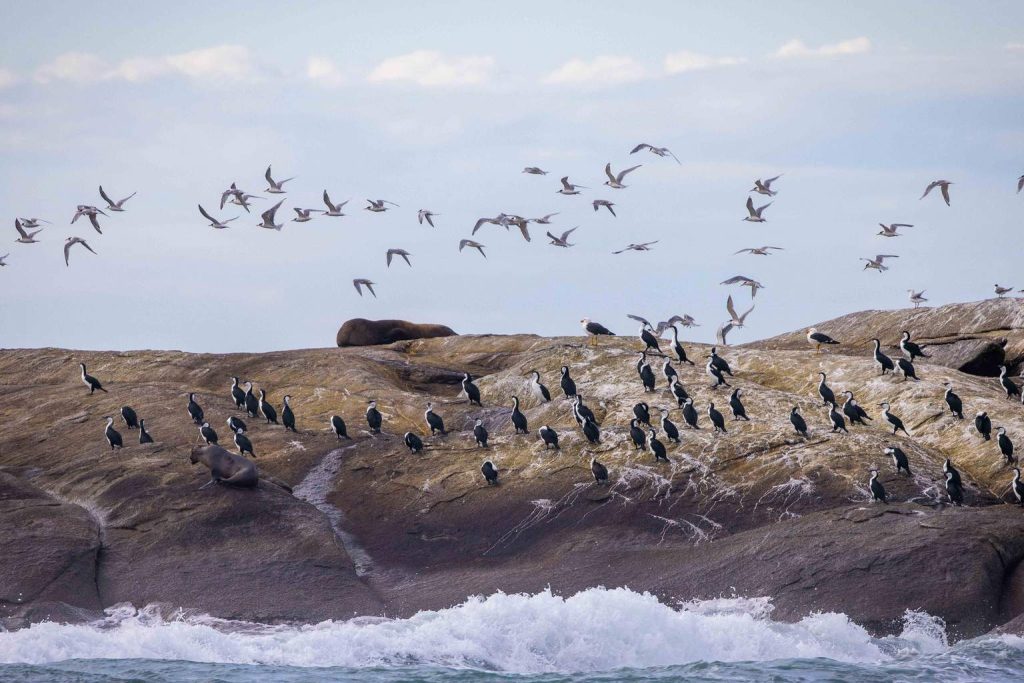
H5 bird flu has been causing bird deaths around Tasmania.
Bayley said little penguins, which are sometimes caught in gillnets, had already been “heavily hit” in colonies such as those on King Island.
He said there was little that could be done to stop the disease beyond small vaccination efforts, such as one the government is investigating for albatrosses on Albatross Island.
“The best things we can do in the face of bird flu is to protect habitat and protect species,” he said.
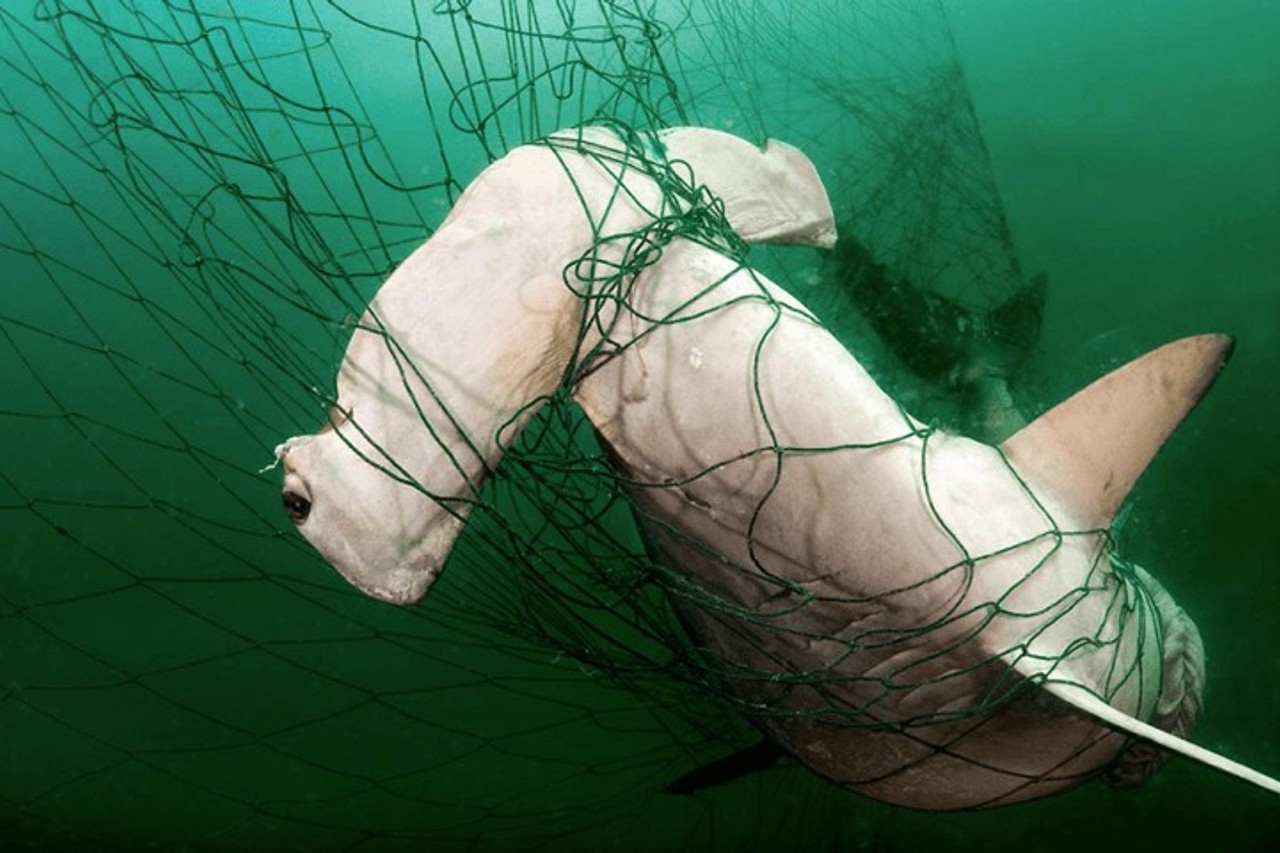
The government is consulting on closing gillnetting near some little penguin colonies, but Bayley said the proposal only covered areas linked to tourism and did not go far enough.
“It doesn’t protect all penguin colonies, other seabirds or marine mammals that are at risk,” he said.
He said the planned phase-out itself was welcome.
“But H5 bird flu is the new thing in the equation here and that’s the thing that should persuade the government to bring forward this ban,” he said.

“I think that most people would receive this really positively and understand why the government is bringing forward this ban by a year or a couple of years.”
A government spokesperson said the phase-out recognised the impact gillnets could have on target and non-target species.
“Greater restrictions will begin to be introduced in mid-2027, with a full ban to be in effect by January 1, 2030,” the spokesperson said.
“In light of the ongoing threat posed by H5 bird flu, the government is consulting on targeted gillnet closures across parts of the state to better protect Tasmania’s little penguin populations.”
The spokesperson did not say whether the government would consider bringing the ban forward.